EN
EN RU
RU ES
ES FR
FR AR
AR IND
IND
Open vs Closed Blind Valves
Industrial pipeline systems rely heavily on blind valves for physical isolation and pipeline cut-off. Two mainstream types are widely used. They are open-type and closed-type blind valves. Many plant managers struggle to choose the right one. The core concerns are always safety and long-term cost savings. A clear scenario comparison can guide smart purchasing and operation decisions.
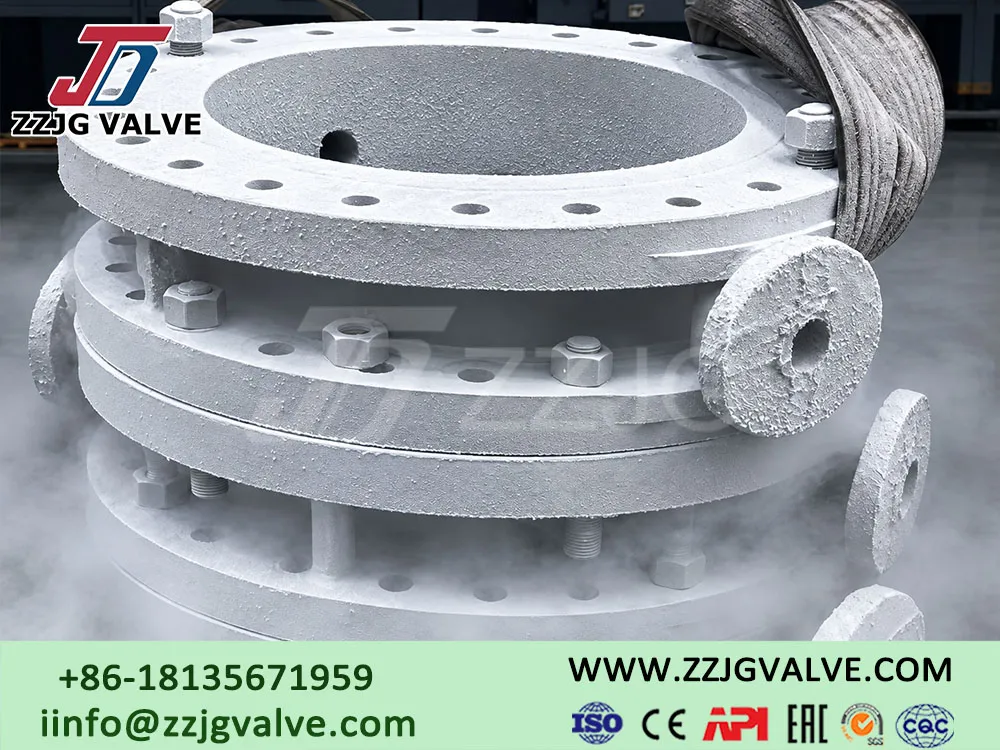
The open-type blind valve features a simple open structure. It has no fully enclosed outer shell. Its basic design brings obvious cost advantages. The valve has low manufacturing costs. Its installation and maintenance processes are simple. It requires no complex auxiliary equipment. It suits conventional working conditions well. Common scenarios include clean water pipelines, ordinary air ducts and non-toxic flue gas systems. These media have no flammable, corrosive or toxic properties.
1.webp)
This open-type valve excels in low-frequency switching scenarios. It delivers stable basic isolation performance. It cuts short-term investment and daily maintenance expenses effectively. However, it has clear limitations. Its open structure cannot block external dust and impurities. It also fails to prevent medium leakage completely. It cannot adapt to harsh or high-risk industrial environments.
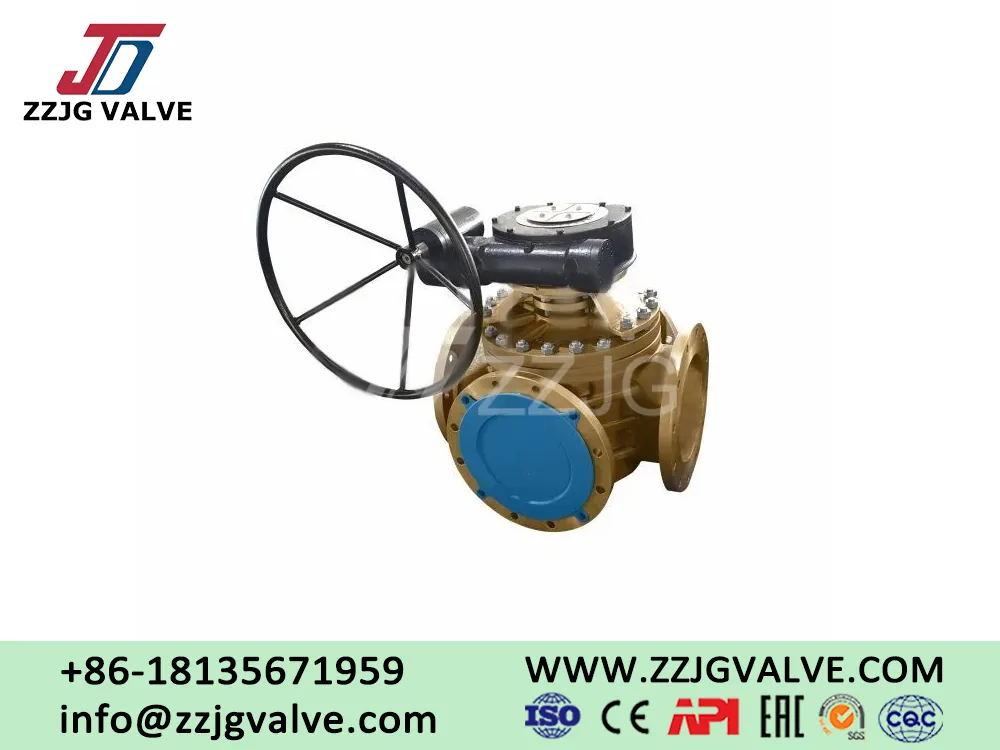
The closed-type blind valve adopts a full enclosed shell design. It upgrades sealing and environmental adaptability greatly. The fully sealed structure avoids internal medium leakage. It prevents external pollutants from entering the pipeline too. It provides reliable physical isolation for high-risk media. Typical applicable media include toxic, flammable, explosive and corrosive gas and liquid.
.webp)
It is a standard choice for chemical, metallurgical and power industry pipelines. These industries have strict safety and environmental requirements. Though its initial purchase cost is higher, it has outstanding long-term value. It reduces leakage risks and safety accidents. It lowers failure rates and extends service life. It cuts frequent replacement and maintenance costs in the long run.
To balance safety and economy, enterprises can follow clear selection rules. Use open-type blind valves for conventional, low-risk and clean medium pipelines. It maximizes cost savings without hidden safety hazards. Choose closed-type models for high-risk, polluting and high-standard isolation scenarios. It avoids huge losses caused by leakage and safety failures.
Reasonable valve selection balances upfront cost and operational safety. It optimizes the overall operating cost of pipeline systems. It also stabilizes long-term safe production for industrial enterprises.
-1.webp)
.jpg)