EN
 RU
 ES
 FR
 AR
 IND

Does Your Plug Valve Supplier Have These 3 “Passes”?
In the industrial fields such as petroleum, chemical engineering, and power, plug valves are commonly used for cutting off and isolating pipelines. For the purchasers, when choosing a reliable supplier of plug valves, they should not only consider the price and delivery time, but also understand the supplier's quality management, product certification, and testing capabilities.
Therefore, when screening plug valve suppliers, in addition to focusing on the products themselves, one should also check whether the supplier has relevant quality system certifications, product certifications, and testing documents. These certificates and documents can help the purchasers better understand the supplier's production and quality control capabilities, and can also serve as important references for supplier selection.
The following three types of certificates and documents are the ones that can be focused on when purchasing plug valves.
Certification 1: ISO 9001 — Quality Management System
ISO 9001 is mainly used to evaluate an enterprise's quality management system. For a valve manufacturer, obtaining ISO 9001 certification indicates that the company has established a relatively complete quality management process, covering procurement, raw materials, production, processing, assembly, inspection, and after-sales service, among other aspects.
When the purchasing party reviews suppliers, they should first confirm whether the ISO 9001 certificate is valid. At the same time, they need to check the company name and the certification scope on the certificate to ensure that it is related to the production and manufacturing of valve spools.
For long-term projects and large-scale orders, a well-established quality management system can help suppliers stabilize product quality and also reduce quality risks that the purchasing party may encounter during production and delivery.
Certification 2: API 6D — Pipeline Valve Certification
For the plug valves used in the oil and gas pipeline system, the buyer can, based on the project requirements, check whether the supplier has the relevant API 6D certification, or confirm whether the product meets the requirements of API 6D.
API 6D is a commonly used pipeline valve standard in the oil and gas industry. ISO 9001 mainly focuses on the quality management system of enterprises, while API 6D pays more attention to the design, manufacture, inspection and testing of pipeline valves.
When purchasing plug valves, the buyer should not only look at the API 6D certificate, but also confirm whether the specific valve type, pressure grade, size range and applicable standards comply with the project requirements. This point is particularly important for plug valves in oil and gas transportation pipelines, natural gas processing systems and petroleum pipelines. By checking these contents, it is possible to better determine whether the plug valve is suitable for the actual pipeline system and usage conditions.
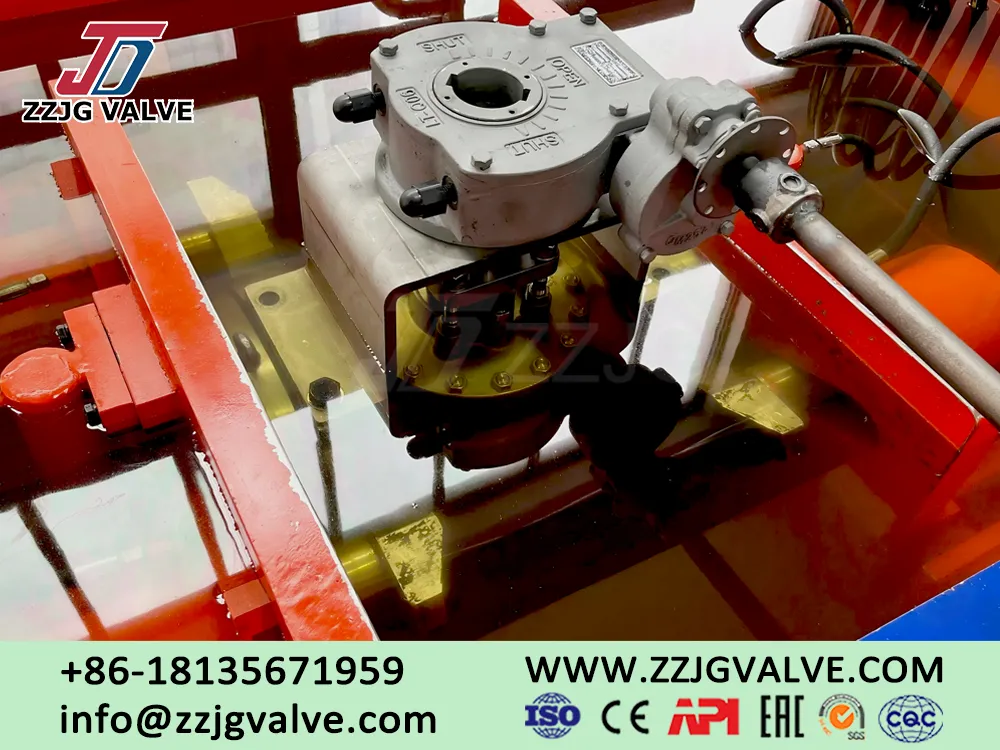
Certification 3: SGS — Third-Party Inspection and Testing
SGS is a common third-party inspection, testing and certification agency. In the valve project, the customer can have SGS conduct third-party inspection and on-site witnessing tests on the valves according to the project requirements.
It should be noted that SGS is not a separate "fire safety certification" or "emission discharge certification". If the project requires the valves to meet fire safety or emission discharge requirements, the buyer should review the relevant test reports, certificates and applicable standards, and confirm that these documents are consistent with the type and model of the purchased valves.
The third-party inspection documents can provide independent quality inspection results for the buyer. For oil, gas and chemical projects, such documents are particularly important because these projects usually have higher requirements for the safety, sealing performance and product quality of the valves.
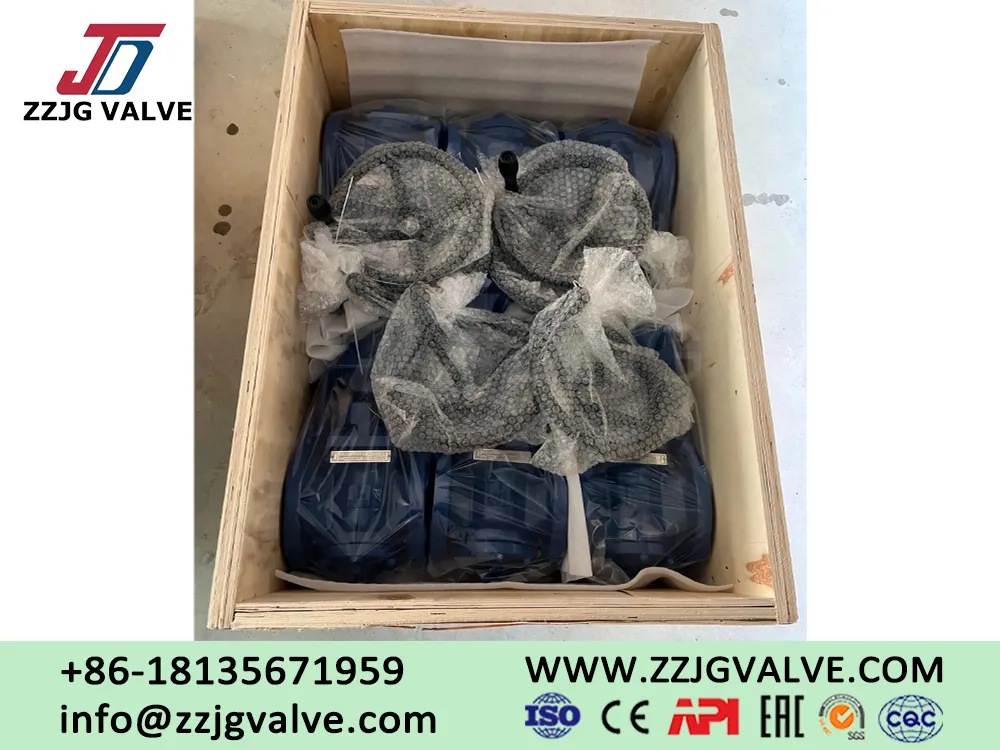
What Else Should Buyers Check When Purchasing Plug Valves?
Certificates are only one part of supplier evaluation. Buyers can also check the following information when reviewing a plug valve supplier:
- ISO 9001 quality management system certificate
- API 6D certification or product compliance documents
- Fire-safe test reports and related certificates
- Fugitive emission test reports
- Material Test Certificates (MTC)
- Pressure test and inspection reports
- Third-party inspection reports
- Product data sheets and technical drawings
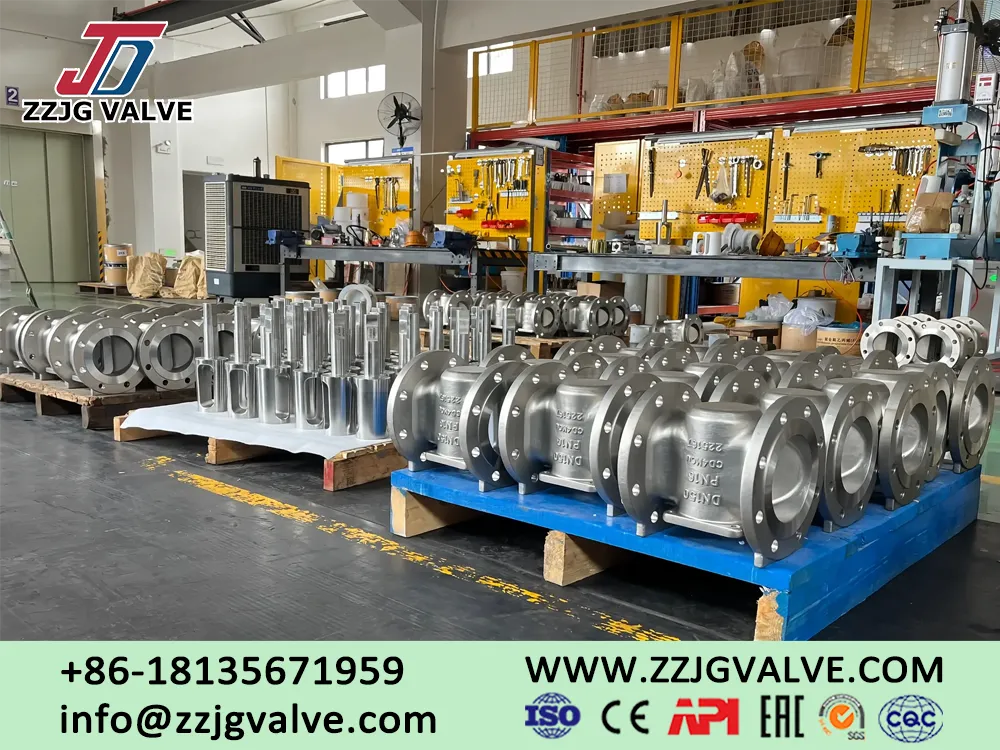
- Factory production and quality inspection capabilities
- Previous supply experience in oil and gas and chemical projects
These documents can help buyers better understand a supplier’s manufacturing capability and quality control instead of selecting a supplier based only on price.
ZZJG VALVE: Plug Valve Solutions for Industrial Projects
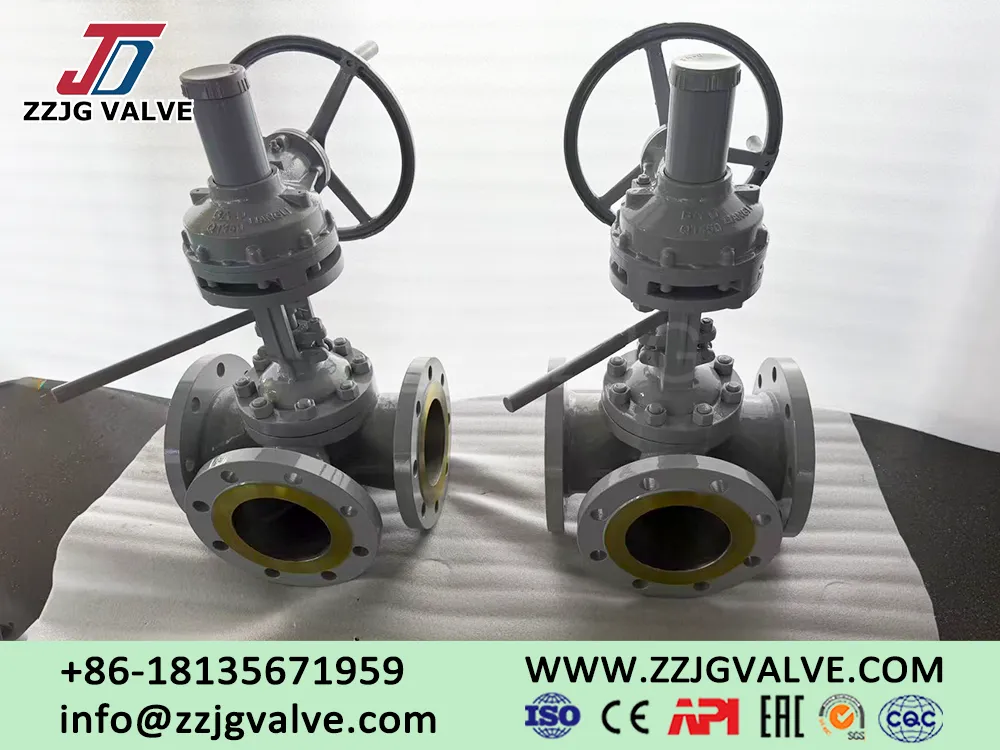
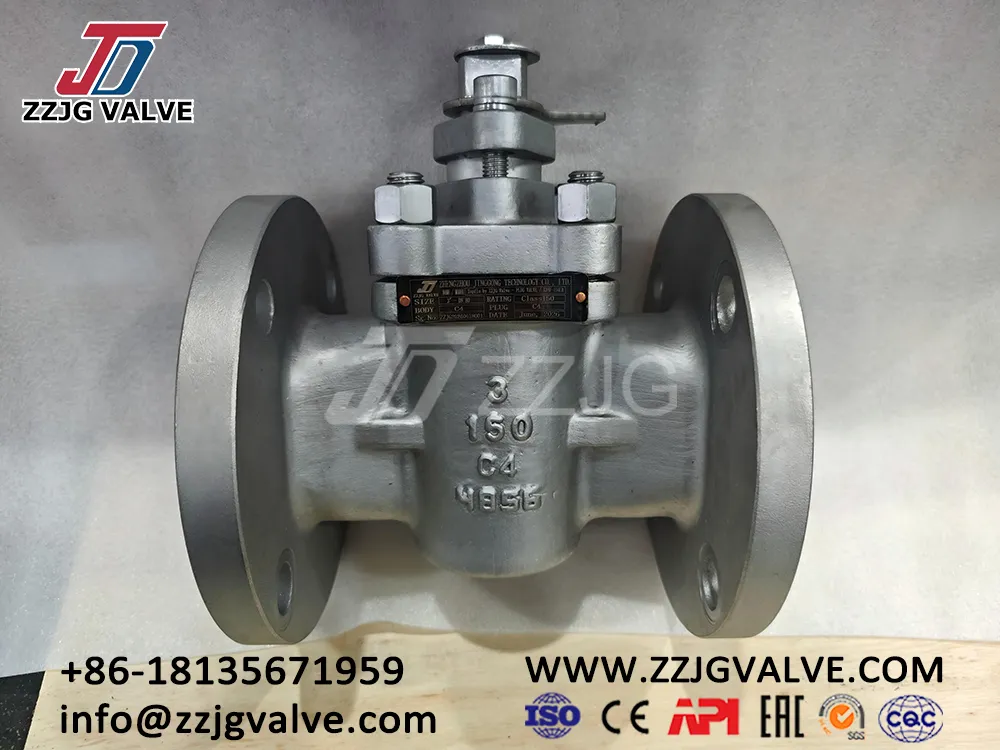
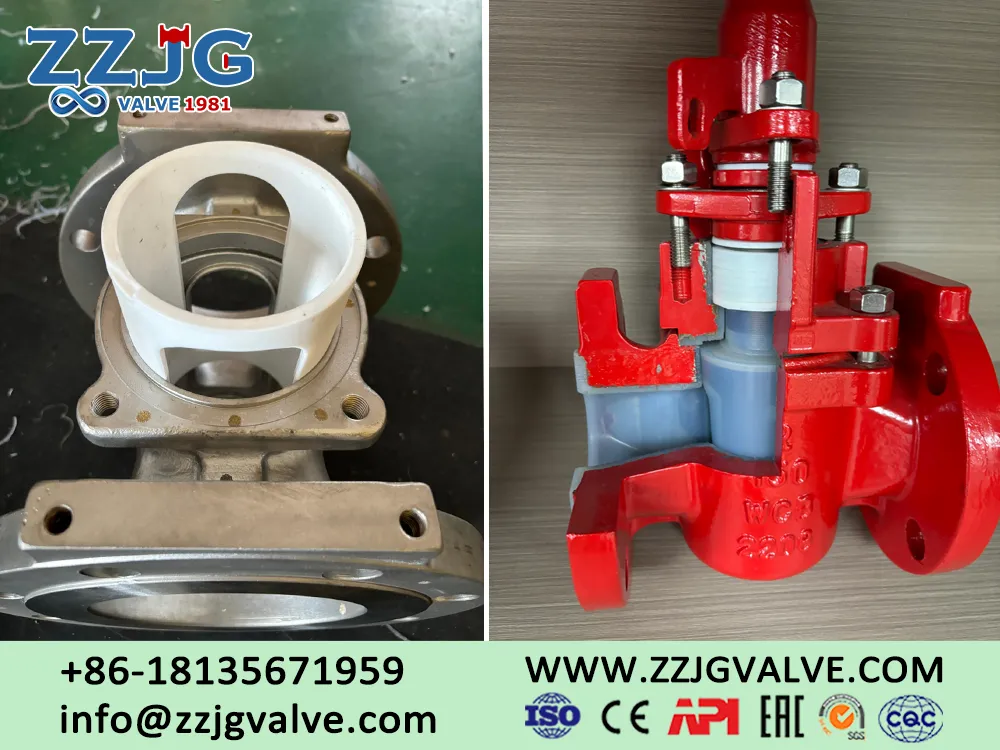
ZZJG VALVE produce various types of industrial plug valves. They can provide different pressure ratings, sizes, valve body materials, sealing methods, and operating methods according to project requirements. The products can be used in petroleum, natural gas, chemical and other industrial pipeline systems.
For projects that require third-party inspection, ZZJG VALVE can cooperate with the inspection institutions specified by the customers and provide relevant quality documents. The content of the documents may include raw material inspection, production process inspection, assembly inspection, pressure testing and final inspection, etc.
For the purchasers, a reliable plug valve supplier cannot only look at "whether there are certificates". They also need to confirm whether the certificates are valid, whether the products meet the project standards, whether the quality documents are complete, and whether the production and inspection processes are carried out in accordance with the requirements.
Therefore, when choosing a plug valve supplier, the purchasers can take ISO 9001, API 6D, as well as the third-party inspection and test documents required by the project as important reference contents. Through these materials, they can have a more comprehensive understanding of the supplier's quality management and product quality situation.