EN
EN RU
RU ES
ES FR
FR AR
AR IND
IND
High-Performance Body Materials for Sulfur-Resistant Valves: Engineering for High-Pressure and Severe Service
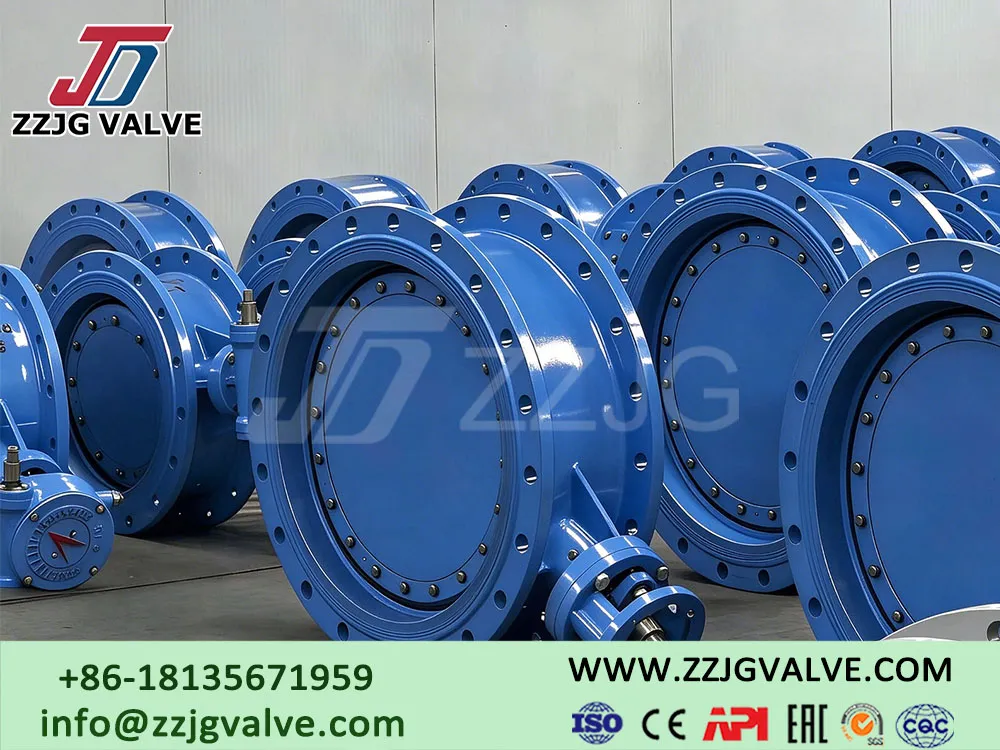
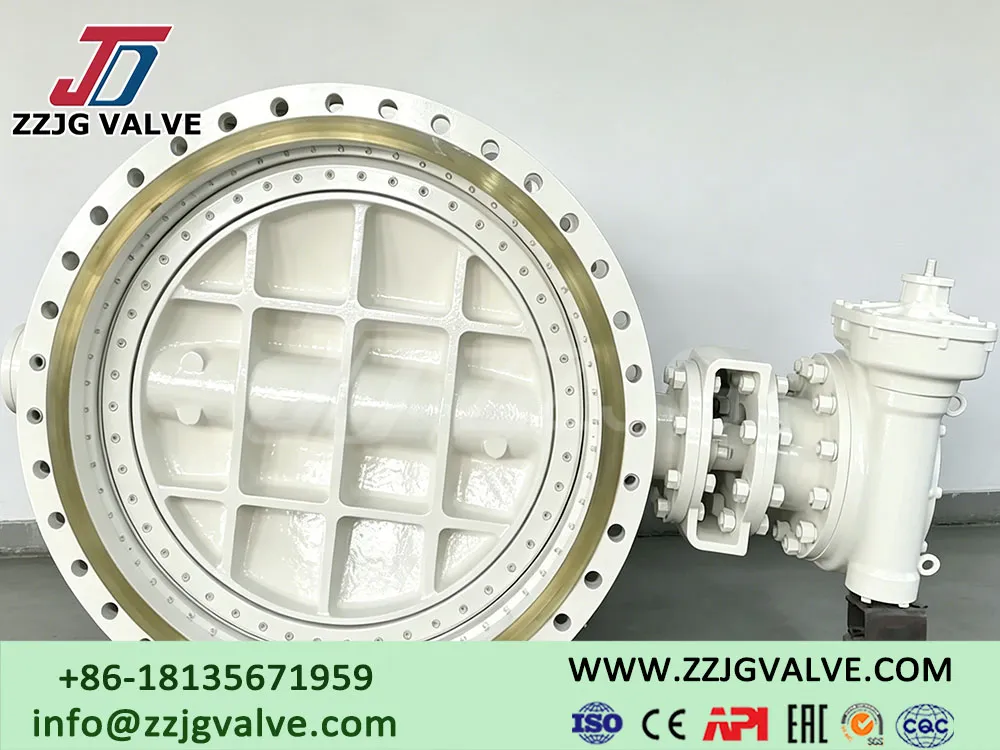
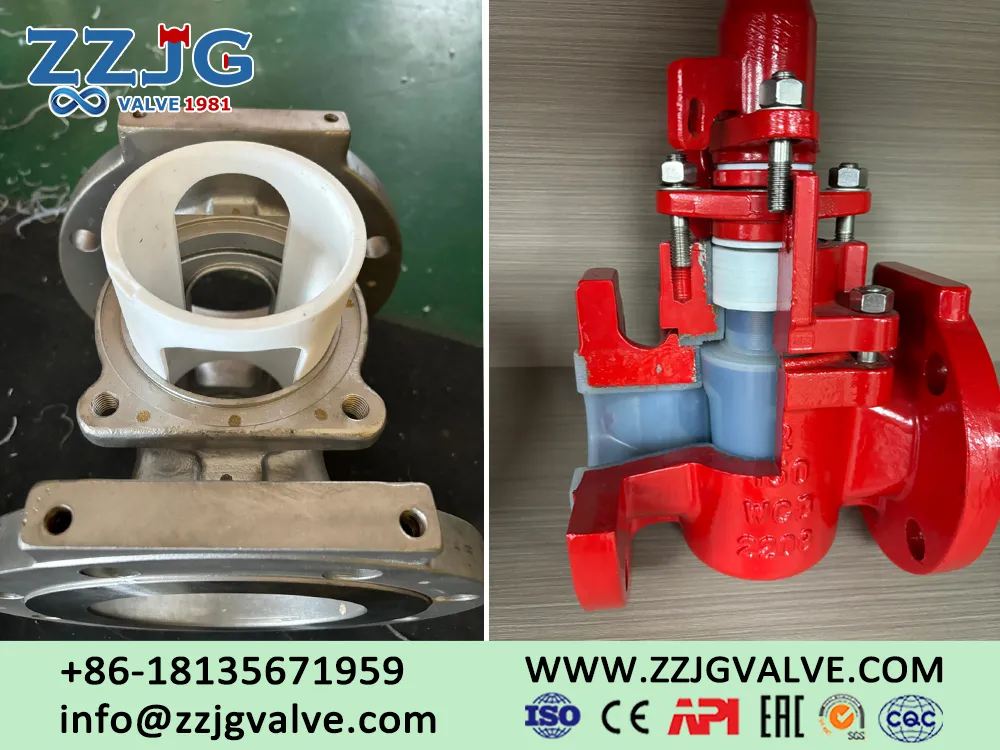
ZZJG’s sulfur-resistant valve features a heavy-duty, progressive design: an advanced internal elastomeric liner is designed to contain and isolate aggressive chemical media under normal operating conditions, while the robust outer valve body provides the structural integrity required to withstand high pipeline pressures and intense mechanical loads.
Material selection must consider whether metallic components may contact wet H2S. Where applicable, materials and bolting must be selected in accordance with NACE MR0175 / ISO 15156 or other project-specific requirements.
To ensure maximum safety and application alignment across diverse industrial sectors, we offer four tailored body material configurations. Here is the technical rationale behind our metallurgy.
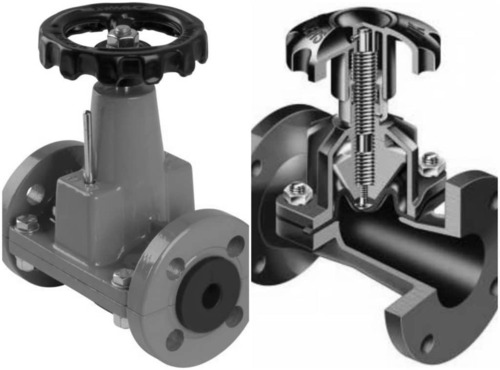
1.Engineered Ductile Iron: High-Strength, Cost-Effective Pressure Containment for Slurry and Chemical Service
For pipelines transporting abrasive slurries, heavy powders, or crystalline chemical substances, ZZJG utilizes high-tensile Ductile Iron (SG Iron) rather than brittle gray cast iron. Ductile iron’s nodular graphite microstructure provides higher tensile strength, yield strength, and impact toughness than gray cast iron, helping the valve body absorb pressure spikes, water hammer, mechanical shock, and thermal cycling without brittle fracture.
Compared with carbon steel, stainless steel, and duplex steel, ductile iron offers an excellent balance of strength, castability, vibration damping, machinability, and cost. It can be cast into complex valve body geometries and machined economically, making it a cost-effective choice for medium- to high-pressure slurry and chemical service.
When combined with the internal elastomeric liner, the ductile iron body serves as a robust, economical pressure-retaining shell. Under normal operating conditions, the liner isolates the process media from the metal body, so the ductile iron housing does not directly contact wet H2S or sour process fluids. If the metal body may be exposed to wet H2S, materials compliant with NACE MR0175 / ISO 15156 must be selected.
2.High-Strength Carbon Steel: Uncompromising Rigidity for Flanged Connections
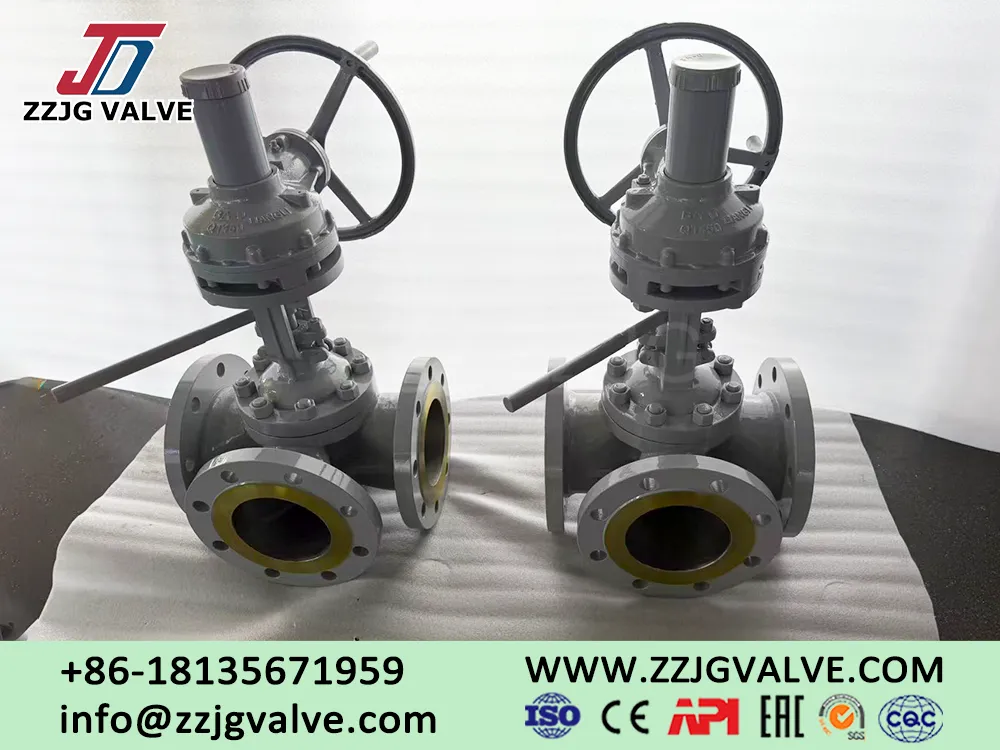
For heavy-duty processing skids, severe high-pressure terminals, and critical isolation zones, ZZJG integrates premium Forged or Cast Carbon Steel (such as WCB / A105) for primary pressure-retaining components and high-load flanges. Where wet H2S contact is possible, carbon steel and bolting must be selected in accordance with NACE MR0175 / ISO 15156.
Carbon steel end connections are precision-machined to match the pipeline interface seamlessly. In several specialized configurations, this robust geometry allows for tight metal-to-elastomer compression that can reduce or, in specific designs, eliminate the need for separate auxiliary sealing rings. Carbon steel also provides high resistance to bending stresses caused by pipeline misalignment, environmental shifting, or thermal expansion, helping lower the total cost of ownership in heavy-duty service.
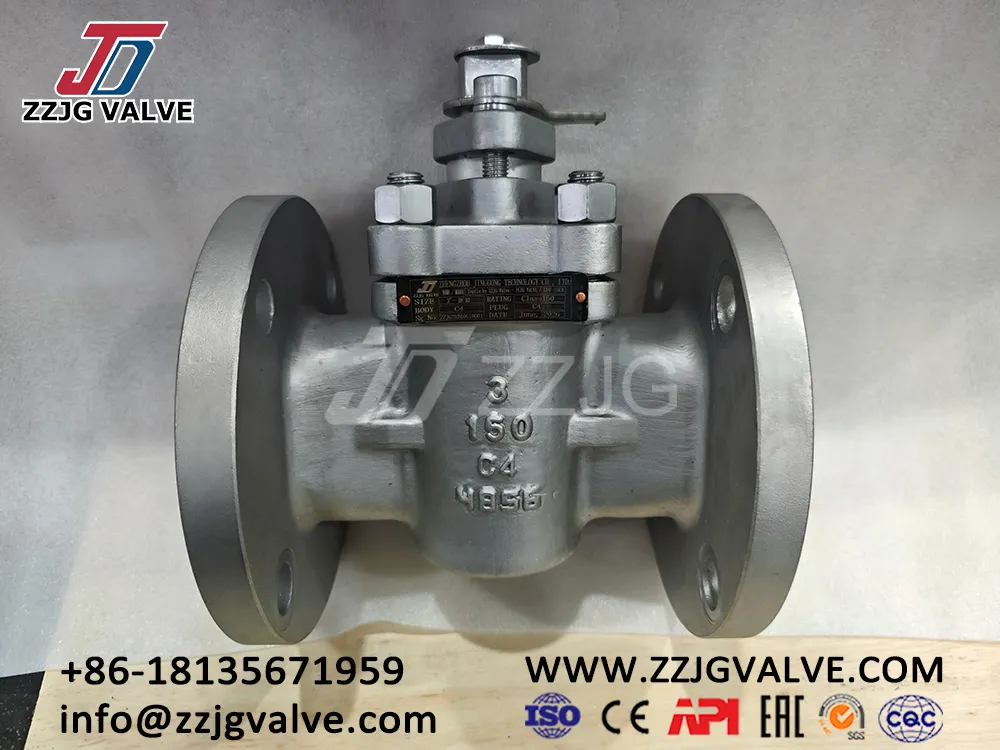
3.Austenitic Stainless Steel: Enhanced Resistance to External and Atmospheric Corrosion
In offshore platforms, coastal facilities, or chemical plants where the surrounding atmosphere contains high concentrations of moisture, salt spray, or ambient H2S gas, ZZJG offers Austenitic Stainless Steel bodies such as 316L / CF3M. While the internal sleeve protects the inside of the valve, the stainless steel body significantly improves resistance to pitting and uniform corrosion caused by harsh ambient environments.
Stainless steel is not immune to all corrosion; final suitability depends on chloride concentration, temperature, H2S partial pressure, and operating conditions. Stainless steel components also maintain excellent impact toughness across wide temperature differentials, supporting predictable high-cycle performance when correctly specified. Higher alloy grades and NACE MR0175 / ISO 15156-compliant options can be supplied where required.
4.Duplex & Super Duplex Steel: The Premium Choice for Extreme Mechanical and Corrosive Loads
For the most punishing applications where high structural pressures are combined with extreme external corrosive elements, ZZJG fabricates valve bodies from Duplex Steel (such as 2205 / F51) and Super Duplex Steel (such as 2507 / F53). By combining austenitic and ferritic grains, duplex alloys deliver nearly twice the yield strength of standard austenitic stainless steel, allowing for optimized, thinner-walled castings that still handle extreme pipeline pressures.
Under properly specified conditions, duplex and super duplex bodies provide excellent resistance to stress corrosion cracking and localized crevice corrosion. They are a preferred choice for long-term reliability in severe service where equipment failure is not acceptable. NACE MR0175 / ISO 15156-compliant options are available where required for wet H2S service.
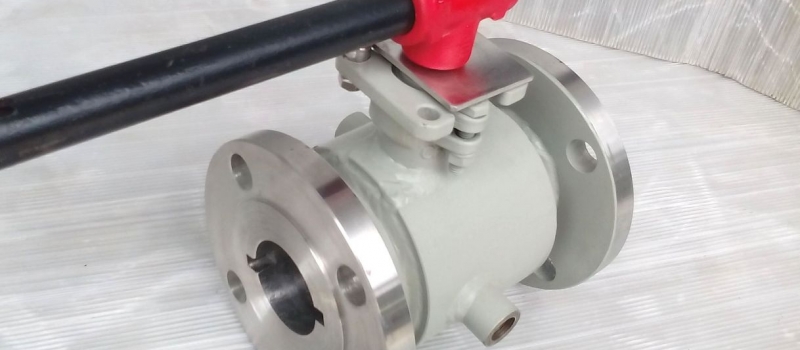
High-Pressure Integrity by Design
Achieving a reliable pressure rating requires precise system-wide integration. ZZJG valves are designed to withstand severe line pressures through heavy-wall shell design, high-tensile bolting, and wear protection for sealing surfaces. Wall thicknesses are engineered in accordance with recognized valve design standards such as ASME B16.34, API 6D, API 608, and ISO 17292, where applicable.
Corrosion-resistant, high-strength fasteners are selected to maintain consistent body compression and sealing tightness through repeated open-close cycles. For wet H2S service, bolting compliant with NACE MR0175 / ISO 15156 can be supplied where required. The internal rubber sleeve acts as a barrier, protecting the valve’s structural metal joints from erosion-corrosion typically caused by high-velocity particulate flow. It reduces wear on metal sealing surfaces but does not eliminate normal liner wear; liner selection must match media, temperature, and pressure.
Pressure/temperature ratings, liner compatibility, H2S partial pressure, chloride concentration, and operating temperature must be reviewed for each application.
Important Note on Wet H2S Service
The internal elastomeric liner is designed to isolate the process media from the metal body under normal operating conditions. However, if metallic components may contact wet H2S—through liner wear, end-face exposure, sealing areas, or other pathways—the selected materials and bolting must comply with NACE MR0175 / ISO 15156 or the applicable project specification.
Partner with ZZJG
Do not over-engineer or under-spec your pipeline. Contact the ZZJG engineering team today to request a technical consultation, review material data sheets, discuss NACE MR0175 / ISO 15156 requirements where applicable, or receive a project quote.
1.webp)