EN
EN RU
RU ES
ES FR
FR AR
AR IND
IND
DN150 PN40 WCB Lift Plug Valve | ZZJG VALVE
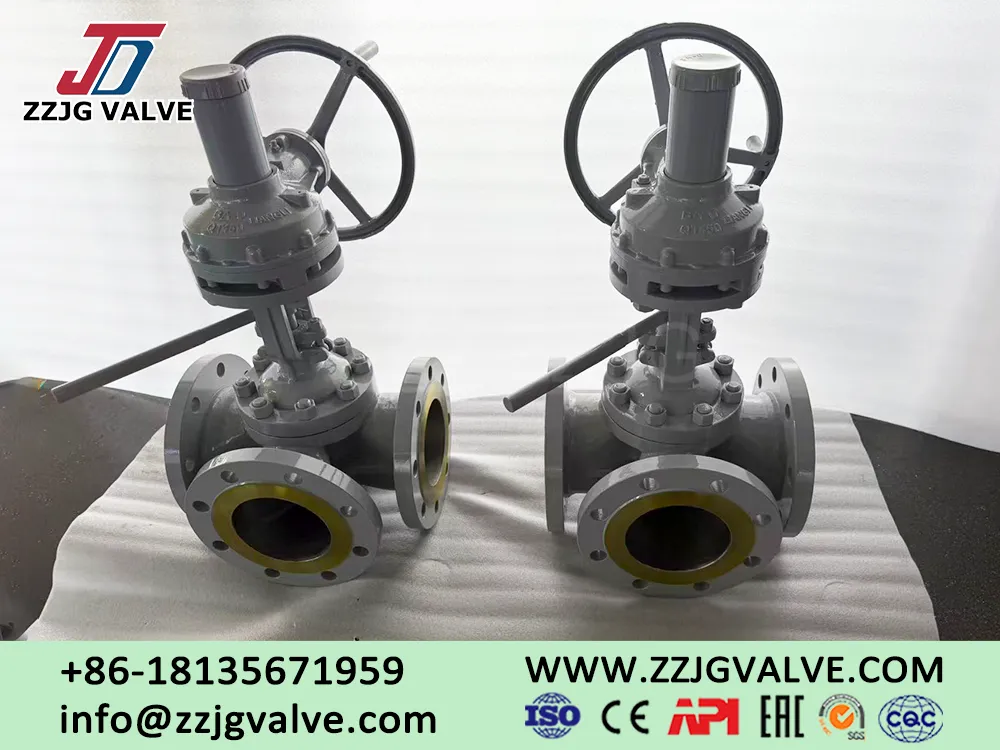
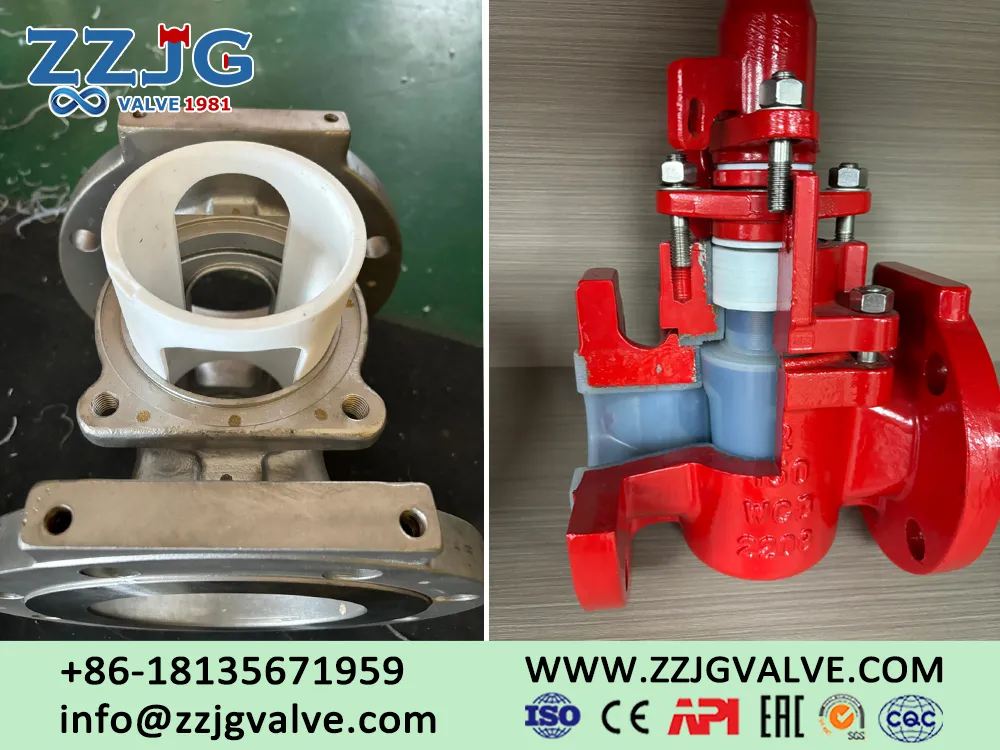
Recently, ZZJG VALVE completed the production and inspection of a batch of DN150 PN40 WCB Lift Plug Valve. This product features a WCB carbon steel body, equipped with flange connection and handwheel operation. It is mainly used in petroleum, natural gas, refining and petrochemical pipeline systems, and is capable of cutting off and isolating the pipeline medium.
The lift plug valve achieves valve opening and closing through the upward lifting and rotation of the plug. When the valve is opened, the plug is first lifted upwards, separated from the valve seat, and then rotated. When the valve is closed, the plug is first rotated to the closed position and then moved downward to contact the valve seat. This structure can reduce the friction between the plug and the valve seat during rotation, thereby reducing the wear on the sealing surface. At the same time, the smaller opening and closing friction also helps to reduce the operating resistance and maintain the long-term stable operation of the valve.
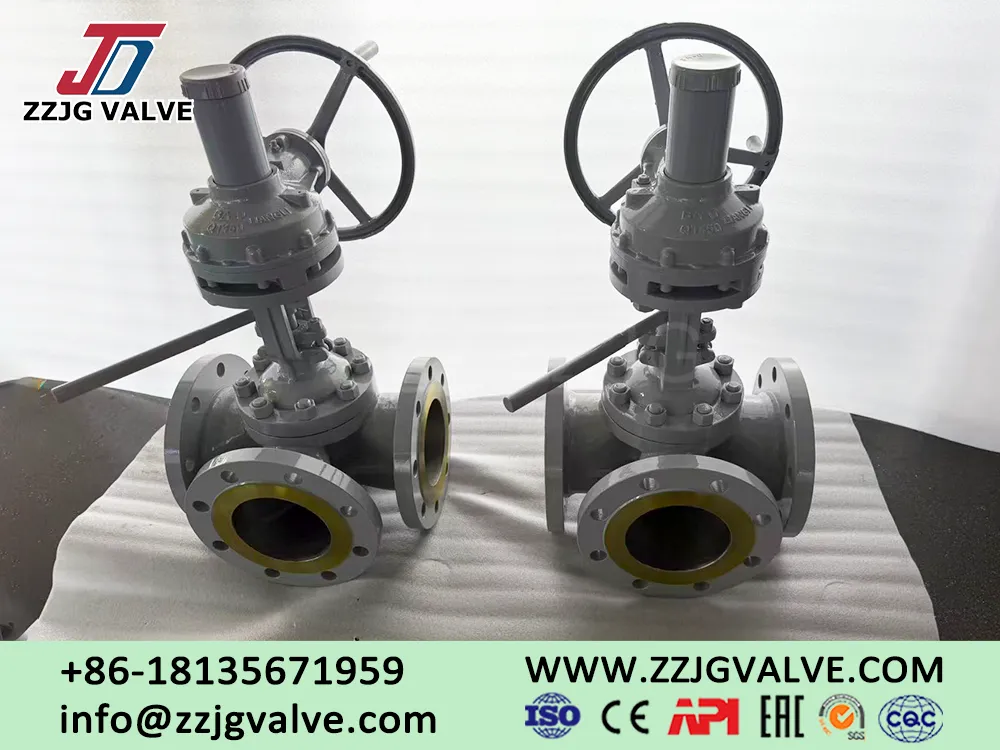
Working Principle of the Lift Plug Valve
The lift plug valve operates with the "first lifting, then rotating" technique. When opening the valve, the handwheel drives the valve stem and the plug upwards, causing the plug to separate from the valve seat first, and then rotate to the open position, allowing the medium to pass through the valve. When closing the valve, the plug rotates to the closed position first, and then moves downward to contact the valve seat, creating a reliable seal.
This structure combines the actions of lifting and rotating. The plug leaves the valve seat before rotating, which can reduce the friction between the sealing surfaces during the operation. This helps to reduce the wear on the sealing surfaces and makes the valve operation smoother. Additionally, this design helps maintain long-term stable sealing performance, making it suitable for industrial pipeline systems that require reliable cutting and isolation.
Reducing Sealing Surface Wear
One important feature of the lifting type plug valve is that the plug does not always come into contact with the valve seat during rotation. In a conventional plug valve, during the rotation process, the plug may remain in contact with the valve seat, which would increase friction and accelerate the wear of the sealing surface. The lifting type plug valve lifts the plug upwards before rotating, separating the plug from the valve seat, and then rotates. This can reduce the friction between the plug and the valve seat.
When closing the valve, the plug rotates to the closed position first, and then moves downward to come into contact with the valve seat. The sealing surface gradually adheres in the final stage, which can reduce scratching and wear. This structure helps maintain stable sealing performance and is suitable for industrial pipeline systems that require reliable cutting and isolation.
Primary Applications: Oil, Natural Gas, and Petrochemical Pipelines
Lift plug valves are primarily used in oil and natural gas transmission pipelines, refinery units, and petrochemical process piping, making them ideal for systems requiring reliable shut-off and isolation. During oil and gas transport, these valves must withstand continuous medium pressure while maintaining a stable seal. Their design—which lifts the plug before rotating it—minimizes friction between sealing surfaces, thereby reducing wear and extending the valve's service life.
In refinery and petrochemical facilities, lift plug valves are used for medium isolation in process lines, transmission lines, and at equipment inlets and outlets. For systems requiring frequent operation or long-term stable performance, the valve's structure minimizes friction between the plug and seat, reducing operational resistance.
For applications involving crude oil, natural gas, and general petrochemical media, appropriate materials for the valve body, plug, and seals can be selected based on working pressure, temperature, medium characteristics, and corrosivity to ensure the valve meets specific operational requirements.
ZZJG VALVE Offers Customized Lift Plug Valves
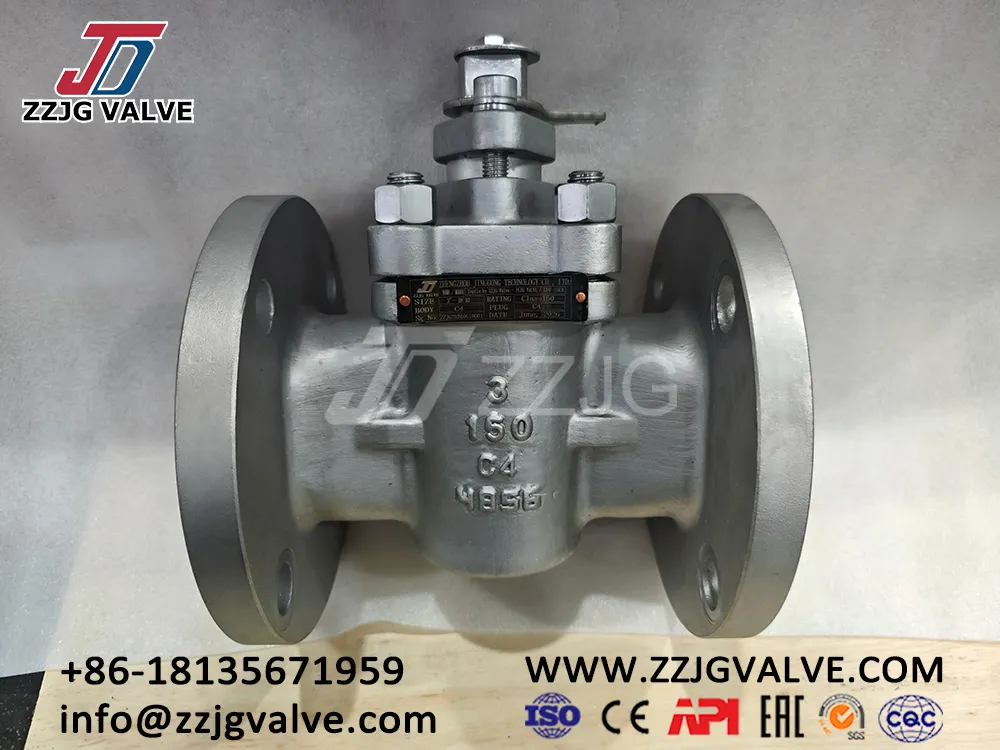
ZZJG VALVE can offer various specifications of lift-type plug valves according to customers' different requirements for nominal size, pressure grade, working temperature, medium type, valve body material and sealing standards. The products can be made of carbon steel, stainless steel and other alloys to meet the usage requirements of different working conditions. At the same time, the valves can be configured with handwheels, gearboxes or actuators according to the on-site operation needs.
The lift plug valve operates in the "first lifting, then rotating" mode. When opening the valve, the plug moves upward and separates from the valve seat first, and then rotates. When closing, the plug rotates to the closed position first, and then moves downward to form a seal with the valve seat. This structure can reduce the direct friction between the plug and the valve seat, thereby reducing the wear of the sealing surface and increasing the service life of the valve. ZZJG VALVE can provide suitable lift-type plug valve products for the petroleum, natural gas, chemical, power and other industries according to different pipeline systems and working conditions.
1.webp)