EN
 RU
 ES
 FR
 AR
 IND

Key Points for Using Concentric Soft-Seated Butterfly Valves in Municipal Water Supply and Drainage Networks
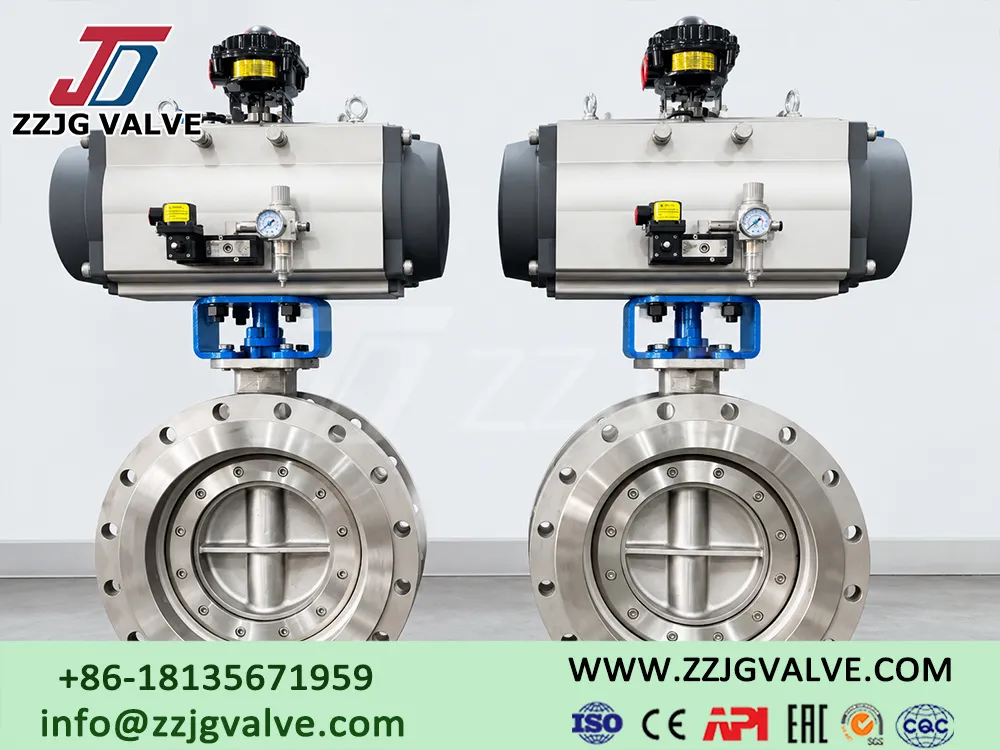
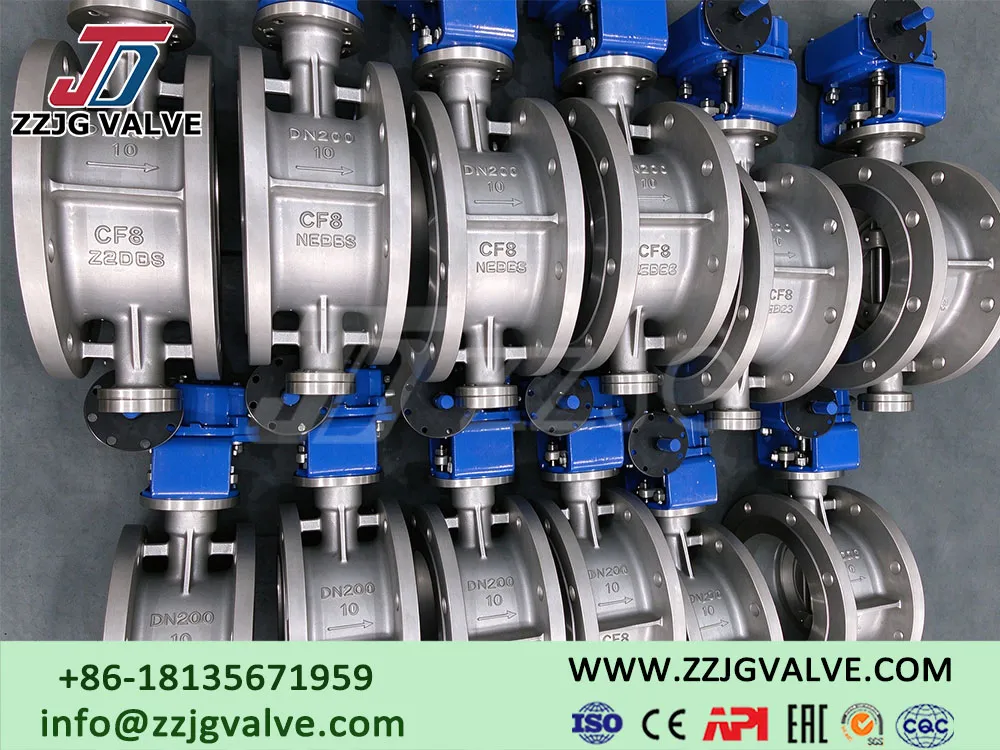
Concentric soft-seated butterfly valves are compact, easy to operate, have low flow resistance, and provide bidirectional sealing. They are commonly used in municipal water supply, sewage conveyance, and pump station water distribution projects. Water treatment plants, municipal main pipelines, and booster pump stations all use them to shut off water flow or provide basic flow regulation. However, rubber seals have inherent limitations. The effects of water hammer, silt, and impurities can cause leakage, scoring of the sealing surfaces, and premature aging of the valve seat if selection, installation, and maintenance are not properly handled. These problems can prevent the network from operating reliably.
1.Select the Right Valve to Match Site Conditions
For clean water pipelines, we prioritize EPDM valve seats that meet drinking water standards. If the sewage conveyed in the pipeline contains silt, fibers, or other debris, a strainer should be installed upstream of the valve to prevent hard particles from damaging the sealing surfaces. Municipal projects generally use PN10 and PN16 pressure ratings. We should calculate the pressure surge caused by water hammer in advance to avoid exceeding the valve's pressure rating and damaging the valve. Ductile iron is recommended for the valve body because of its good strength and corrosion resistance. For new pipelines, wafer-type valves can be selected to save installation space. For renovation of existing pipelines, flanged or lug-type valves are more suitable. This valve is only suitable for water service at normal temperatures and relatively low pressures. It should not be used in high-temperature or highly corrosive environments.
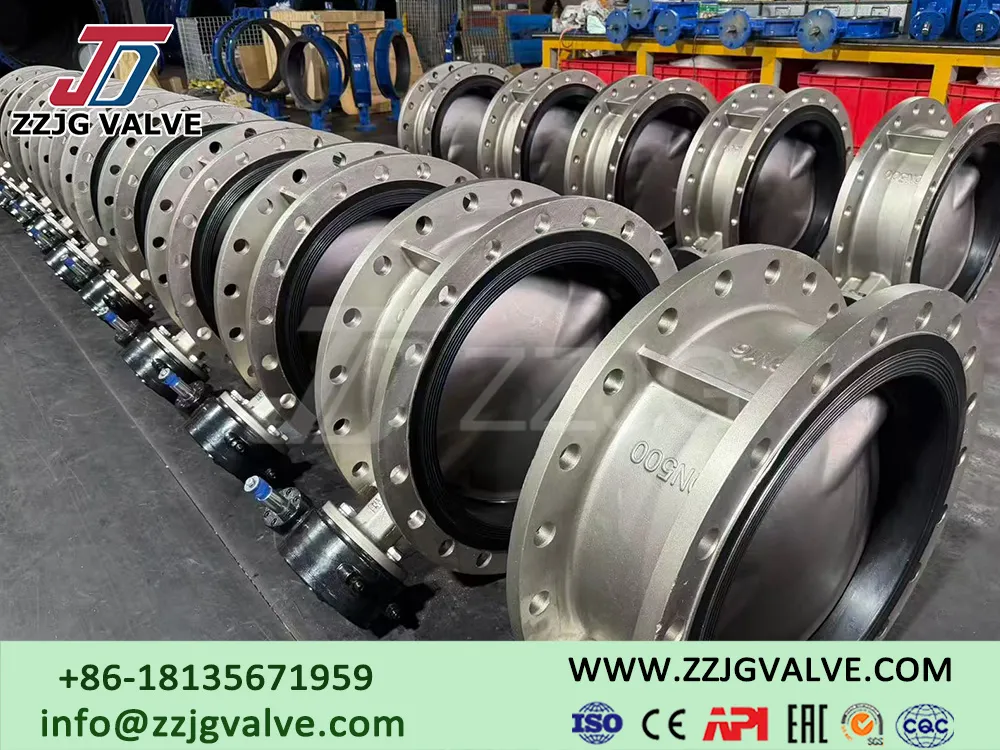
2.Standardized Installation to Ensure Sealing Performance
This valve supports bidirectional sealing, so the flow direction does not need to be specified during installation. Before installation, we should clean the pipeline and remove welding slag, sand, and other debris. When installing a wafer butterfly valve, the bolts should be tightened symmetrically and evenly to prevent deformation of the valve body. During installation, the disc should be kept slightly open to avoid compressing the valve seat and causing permanent deformation. The actuator should be installed facing upward or to the side. Outdoor actuators should have an IP65 protection rating and be fitted with a rain cover. For valves installed underground, the operating mechanism should be protected against corrosion and water ingress.
3.Standardized Operation to Reduce Operational Risks
This valve can shut off water flow and provide basic flow regulation. We should not keep the valve operating at a small opening for a long time, as this can cause localized wear of the rubber valve seat. When opening or closing the valve, we should operate it slowly and avoid rapid opening or closing to reduce the impact of water hammer. If the network is out of service for a long time, we should fully open and close the valve regularly to prevent the valve seat from sticking and the valve from jamming during operation.
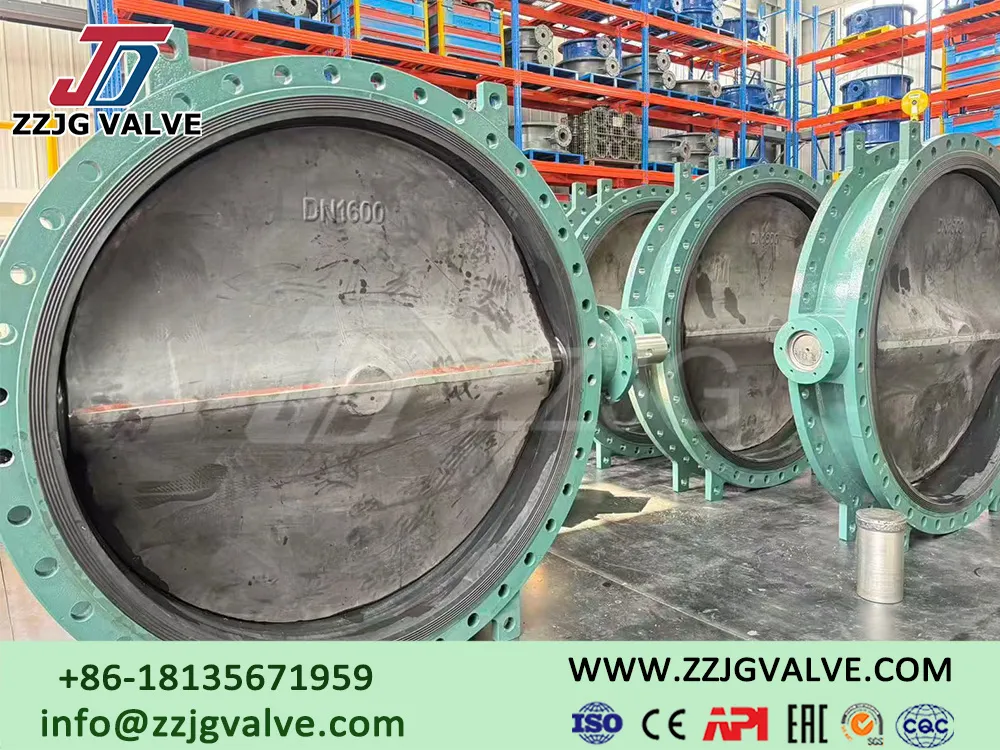
4.Regular Inspection and Routine Maintenance
We should focus on checking for water leakage around the valve stem and internal leakage when the valve is fully closed. If the rubber valve seat wears out, it can be replaced separately, and the repair cost is relatively low. We should regularly check the lubrication condition of the worm gear operator and confirm that the actuator's signal feedback is normal. For valves in sewage pipelines, we should shorten the inspection intervals and promptly remove accumulated sludge from the valve body cavity. By properly managing each step, we can reduce pipeline leakage and ensure the reliable operation of the water supply and drainage system.