EN
 RU
 ES
 FR
 AR
 IND

The Hidden Costs of a Cheap Vacuum Ball Valve (And How to Prevent Them)
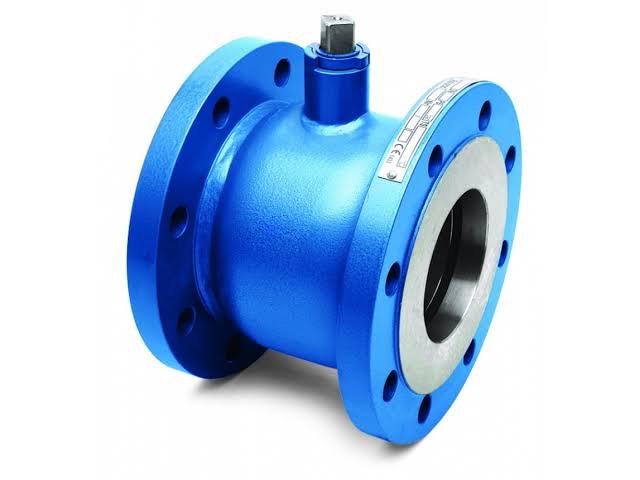
A vacuum ball valve may look much like a standard ball valve, but under vacuum, the operational difference quickly becomes clear. In a standard pipeline, line pressure pushes the ball into the seat, assisting the seal. Under vacuum, however, the differential acts in the opposite direction. The soft sealing element must maintain the seal largely on its own, making proper installation and operation just as critical as valve selection.
Choosing a durable valve is only the first step. A low-cost vacuum ball valve may fail within its first year, and the valve itself is rarely the biggest expense. Replacement costs, spare-part inventory, and production downtime every time a line is opened add up fast. Most operators prefer to buy right the first time and keep the line running.
Precision in Installation
Most "valve failures" in vacuum service are actually installation issues that surface later when the line loses vacuum and requires troubleshooting.
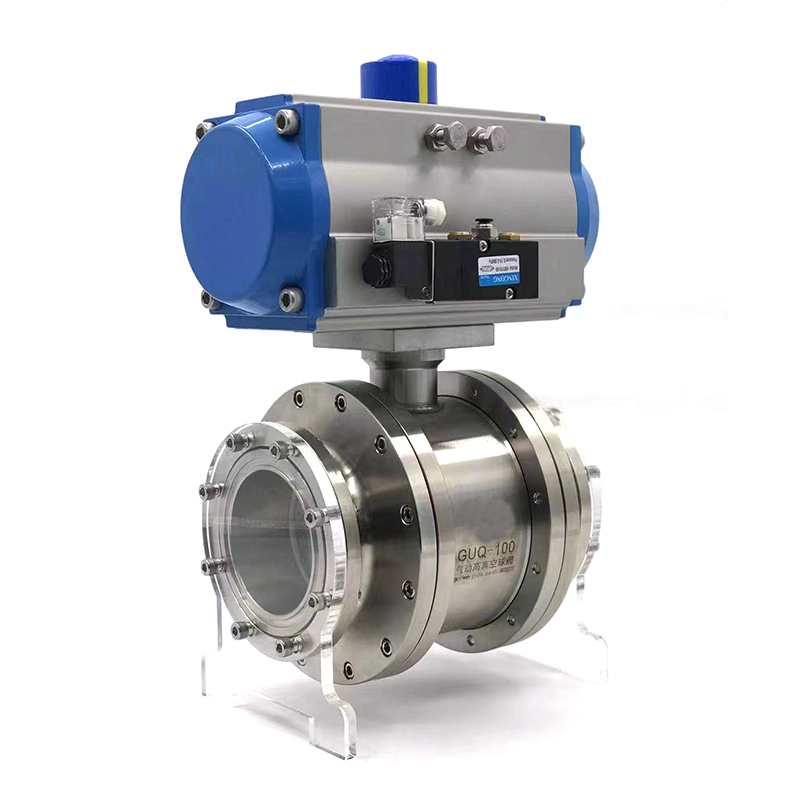
While installing a vacuum ball valve is straightforward, it is easy to introduce alignment errors. A flange that is not square to the pipe, a pinched gasket, or tightening bolts while the pipe is under mechanical strain can all exert a side load on the ball and seat. A side-loaded seat will never seal consistently under vacuum. This problem is accelerated if the valve is unsupported and left to carry the weight of adjacent pipework.
Operation matters just as much. Open and close the valve slowly. Forcing a ball through a 90-degree rotation against a PTFE seat while pulling a vacuum can permanently damage the seating surface. Careful handling pays off—especially with engineered valves like the ZZJG vacuum ball valve, where soft sealing elements are specified for long intervals between rebuilds rather than rough treatment.
Environmental Compatibility and Pre-Cleaning
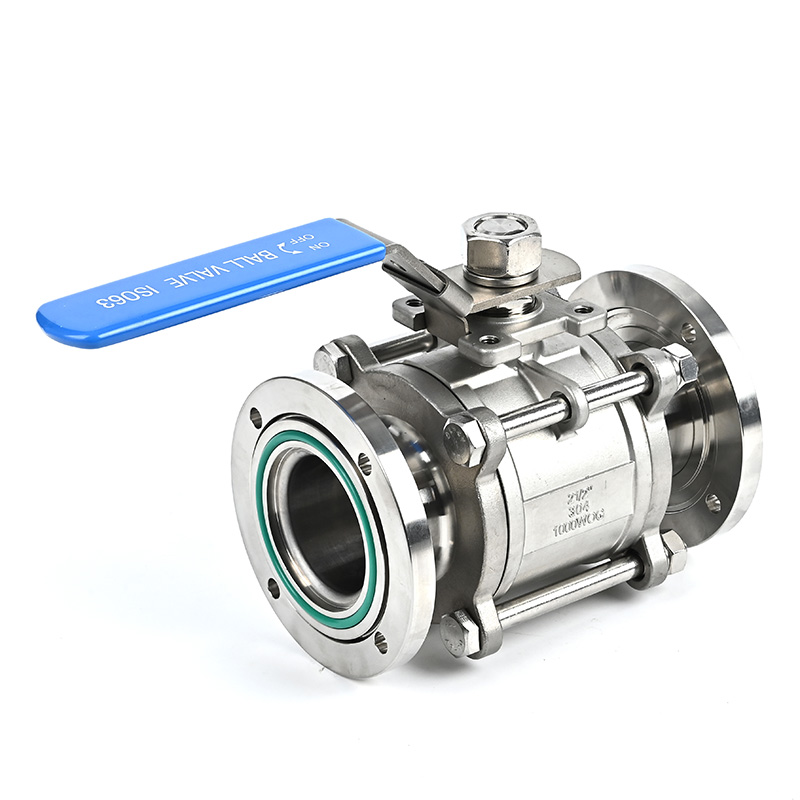
A high-performance vacuum ball valve does not require a pampered environment. Corrosive liquids, aggressive chemical media, and the high cycle counts of continuous vacuum duty are all well within its capability—provided the model is correctly matched to the service. Body material, seat material, elastomer, and actuation must all align with the medium, temperature, and cycle rate. A valve that is correct in every respect except one will still fail.
Before connecting the valve, open and inspect the interior. Debris left in the body from machining, handling, or storage can damage the seat or seal the very first time the valve closes. A failure caused by trapped debris can easily be mistaken for a manufacturing defect. Always flush the body, confirm it is clean, and only then proceed with installation.
What the Elastomer Seat Tells You
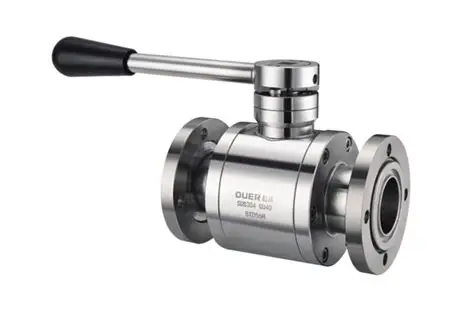
Of all the factors determining vacuum service life, the elastomer seat deserves the most attention. It is directly responsible for maintaining the vacuum seal, and it is frequently where operational issues begin.
Performance depends heavily on how the rubber compound is formulated and cured. Under-cured compounds or excess unreacted rubber cannot sustain a continuous vacuum load. Over time, the sleeve remains too soft, sheds particles, and erodes along the sealing surface. The valve begins to leak not because the body has failed, but because the seal has degraded.
This is why a vacuum ball valve cannot be evaluated by its exterior or purchase price alone. The quality of the rubber compound and strict vulcanization control dictate whether a valve remains tight for years or requires seat replacement every few months—and ultimately determine the true cost of ownership.
Engineered for Long-Term Reliability
Vacuum ball valves are now standard equipment in chemical processing, food and pharmaceutical systems, and petrochemical vacuum lines. As industry standards have matured, smart buyers look beyond the spec sheet and ask a defining question: What is the seat made of?
At ZZJG Valve, that question is answered through rigorous laboratory testing. Three manufacturing plants are backed by a national R&D center and a dedicated valve testing laboratory that replicates full working conditions. Supported by 40 years of manufacturing experience, over 160 patents, and ISO 9001, ISO 14001, and OHSAS 18001 certifications, every valve undergoes strict performance testing before shipment and is backed by a 12-month warranty and dedicated follow-up service.
Need help specifying a valve for your line? Send us your operating medium, temperature, cycle rate, and target vacuum level, and our engineering team will provide the exact specifications you need. If your application does not actually require a vacuum ball valve, we will tell you that too.
Next: Gas Working Condition Butterfly Valve Selection Guide