EN
 RU
 ES
 FR
 AR
 IND

Gas Working Condition Butterfly Valve Selection Guide
Butterfly valves have the characteristics of small size, light weight, quick opening and closing, and large flow capacity. Therefore, many chemical plants and industrial pipelines use butterfly valves to control gas flow. Butterfly valves can be used to cut off gas flow or to regulate gas flow. Correct selection of butterfly valves can reduce leakage risks and ensure the safe operation of pipelines. Many valve failures are related to improper selection.
Select the appropriate material based on the medium
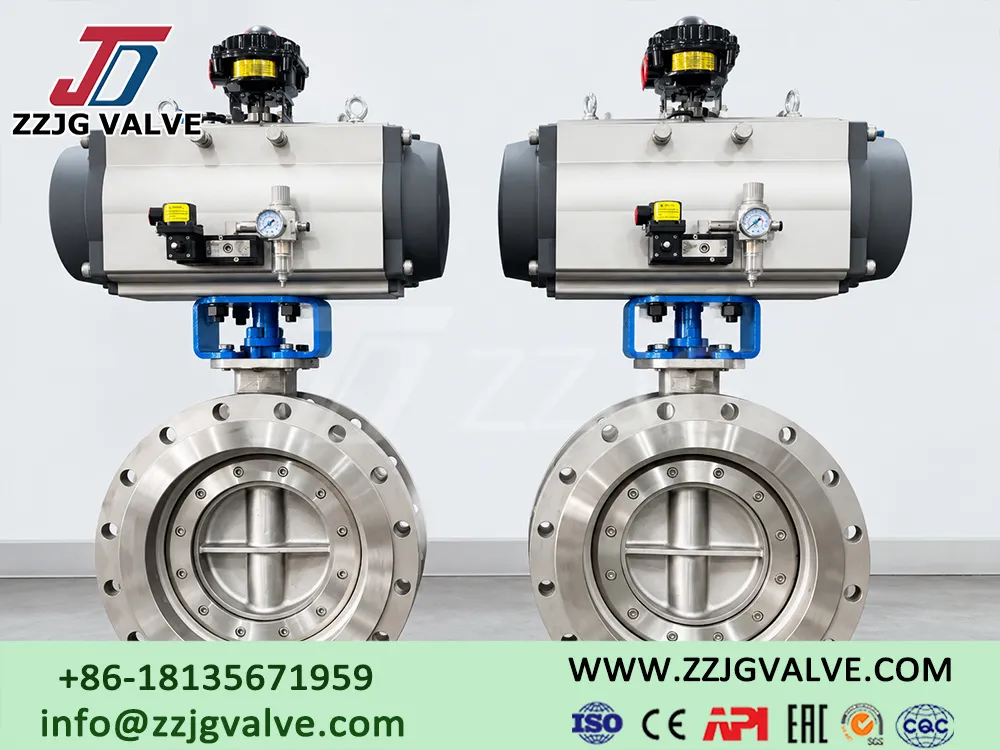
The type of gas will directly affect the selection of valve materials. For air and inert gases, carbon steel valve bodies combined with rubber soft seals can usually meet the usage requirements.
For special gases such as anhydrous ammonia, users need to pay more attention to the selection of materials. WCB carbon steel can be used for some ammonia gas pipelines, but the valve seat and other wetted parts must also be suitable for ammonia service. If the material selection is incorrect, the valve may suffer corrosion, swelling or aging, thereby affecting the sealing performance.
Users also need to distinguish between dry gases and gases carrying liquid droplets. Droplets entrained in the gas may damage the sealing face and shorten the service life of the valve. Therefore, users need to select the appropriate sealing material according to the medium composition and actual working conditions.
Confirm pressure and temperature requirements
The pressure class and temperature range of the valve must comply with the actual process requirements of the pipeline. Some gas pipelines adopt Class 150 valves, but users cannot select the pressure class merely based on common specifications.
For high-pressure or high-temperature gas service, users need to verify whether the valve body and sealing materials can withstand the actual operating conditions. For low-temperature gases, users also need to check the low-temperature toughness of materials. Where required, manufacturers shall conduct low-temperature impact tests in accordance with relevant specifications to reduce the risk of material brittle fracture.
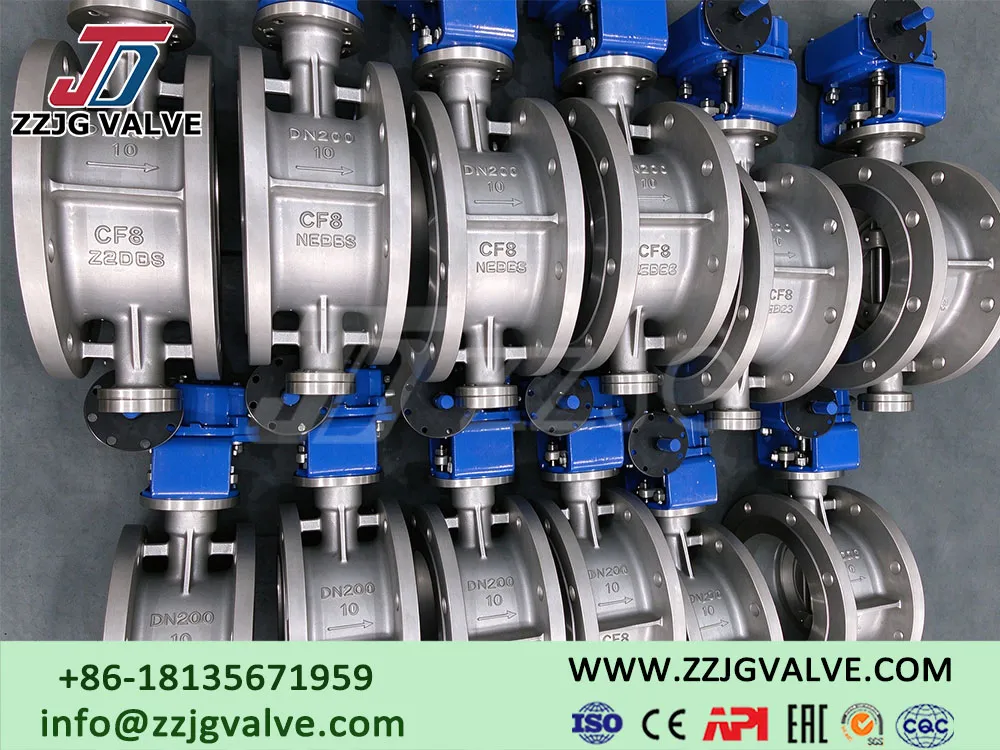
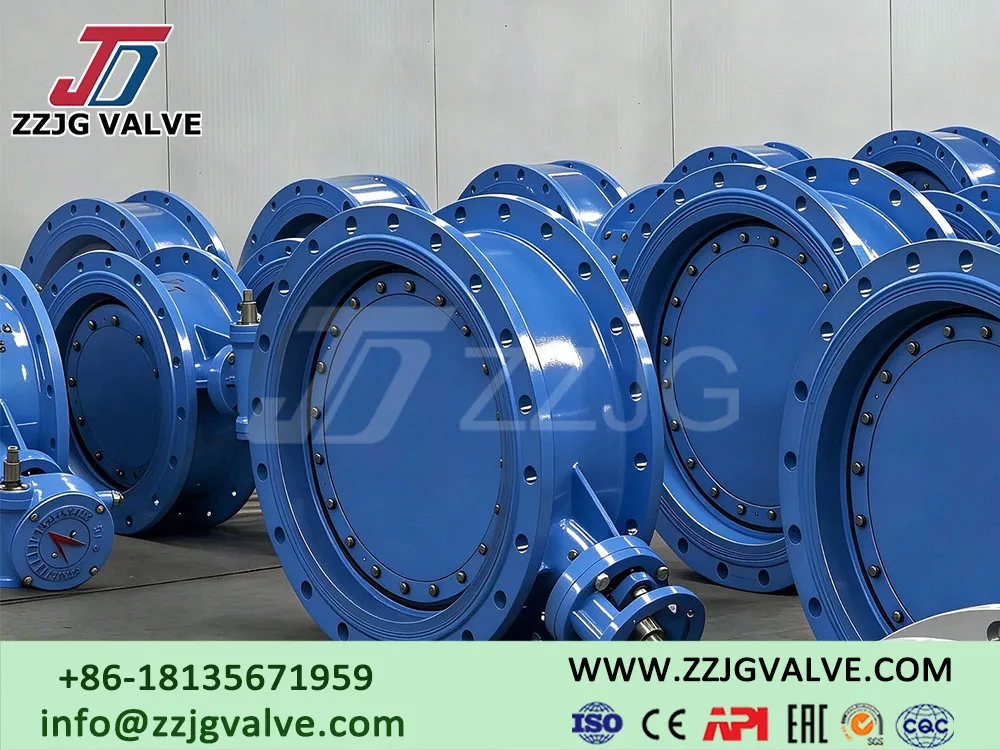
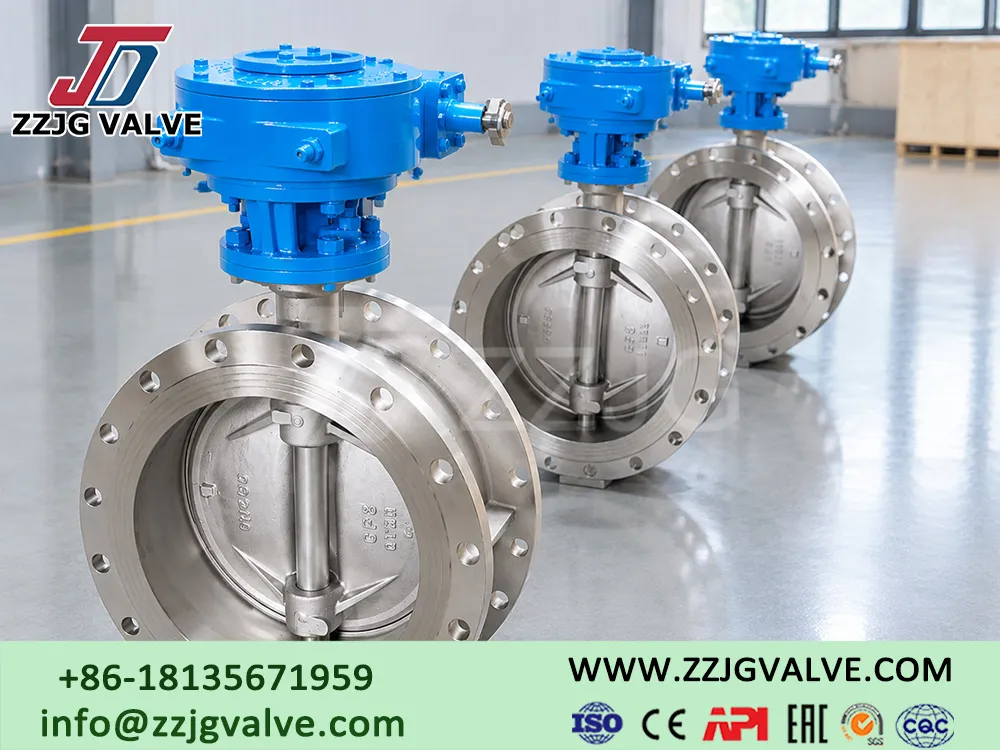
The valve end connection type also affects installation and maintenance. Lugged wafer butterfly valves are suitable for pipelines requiring single-side disassembly for maintenance. Users need to select the proper structure according to pipeline flanges, bolt arrangements and available on-site space.
Check explosion-proof requirements
Some industrial gases carry flammable and explosive hazards. Therefore, the actuator and electrical accessories of the valve must meet site safety requirements.
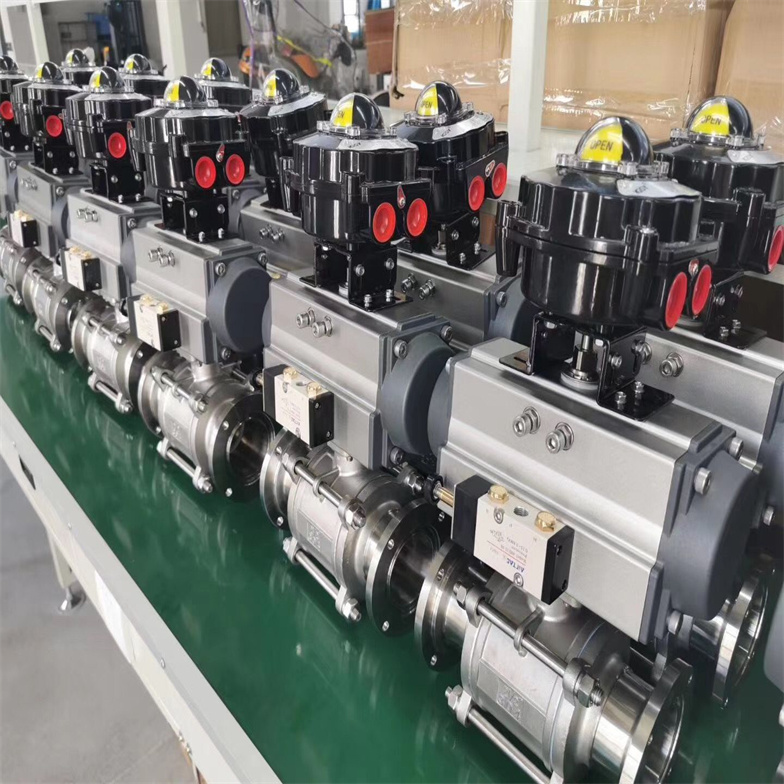
Where the valve is installed in an explosive hazardous area, users need to confirm whether the actuator, solenoid valves, limit switches and other components satisfy the project explosion-proof requirements. For instance, some projects require ATEX explosion-proof certification.
If tender documents specify relevant certifications, suppliers shall provide the corresponding certificates and technical documentation. Users also need to verify whether the certificates are applicable to the supplied product and service environment.
For pipelines handling flammable gas, users also need to check whether the valve is fitted with anti-static design. A proper anti-static structure can prevent static charge accumulation and mitigate ignition risks caused by static electricity.
Select valve structure based on intended service
Users shall first define the primary function of the butterfly valve: bubble-tight isolation or flow regulation. Different functions determine the selection of seat materials and valve construction.
Soft-seated butterfly valves generally deliver superior sealing performance, so they are widely used for isolation service on gas pipelines. Metal-seated butterfly valves are suitable for high-temperature, frequent operation, or gas service with solid particulates.
However, metal-seated butterfly valves are not always suitable for all throttling applications. Users shall also take operating temperature, pressure, particulate content and tightness requirements into account to determine the correct valve type.
Installation envelope and gas flow velocity are also important factors. Excessively high gas velocity may induce severe pipeline noise and interfere with normal valve operation. For projects with strict noise limits, users shall review gas velocity and pressure drop in advance. Noise abatement measures can be adopted if needed.
Confirm key parameters prior to procurement
Gas properties and operating conditions vary widely; there is no universal butterfly valve suitable for all project applications. Users need to confirm the medium type, working pressure, operating temperature, valve function and sealing requirements before placing an order.
Users shall also review project technical specifications, applicable standards and explosion-proof certification requirements. For special gases or complex service conditions, suppliers shall recommend suitable valves based on full set of process parameters.If these requirements are clearly defined at the early project stage, selection errors and subsequent rework can be minimized. Properly selected butterfly valves help gas pipelines maintain safe and stable operation.