EN
EN RU
RU ES
ES FR
FR AR
AR IND
IND
Comparison Of Maintenance For PFA Plug Valves And Soft-Sealed Plug Valves
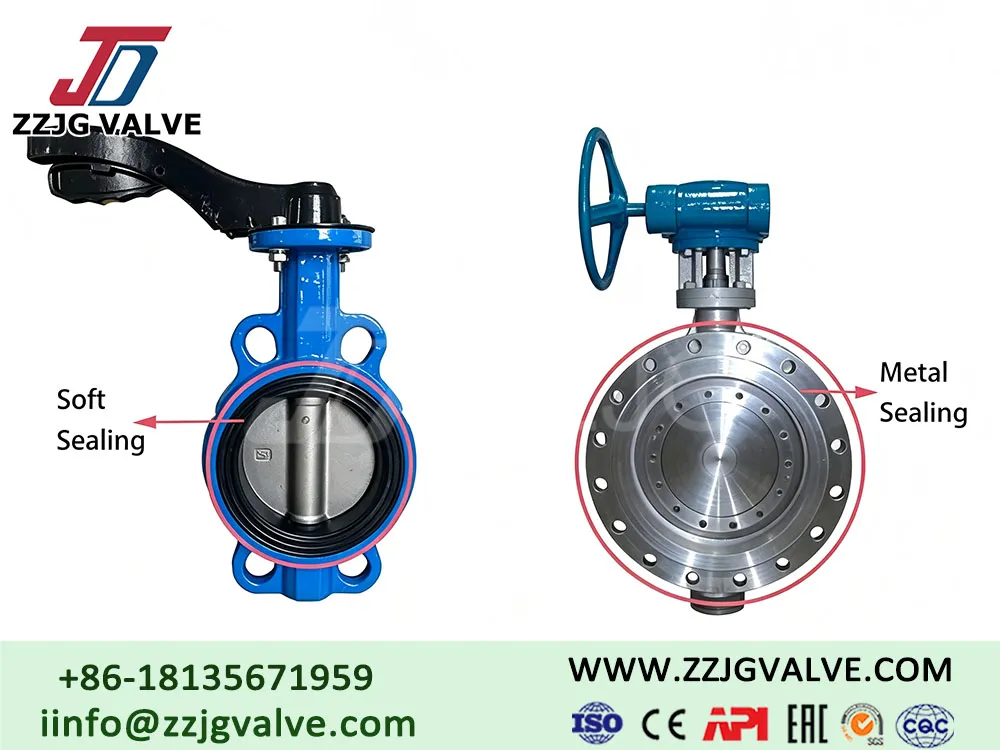
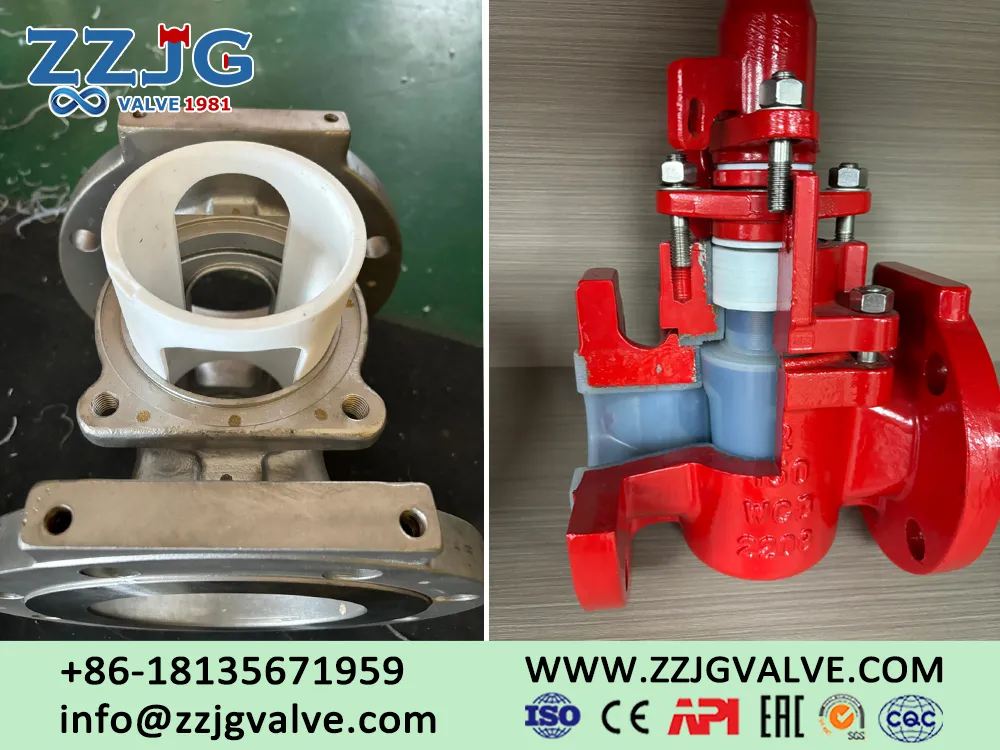
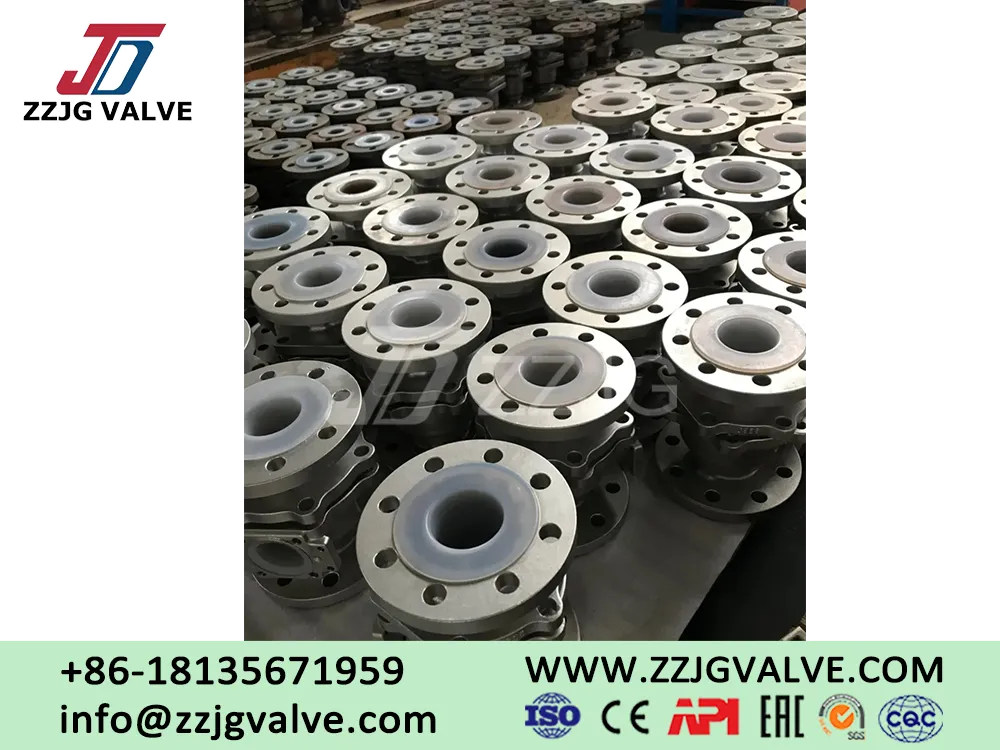
Both PFA fluorine-coated plug valves and soft-sealed plug valves can be used in industrial pipelines and can meet the requirements for long-term operation. However, there are significant differences in daily operation, maintenance, and repair between the two types of valves. The fluorine-coated plug valves require more protection of the coating layer, while the soft-sealed plug valves are more convenient for replacing the sealing elements.
I. Differences in Daily Operation
1. Opening and Closing Torque
The sealing area of the PFA plug valve is larger, so the opening and closing torque is usually higher than that of the soft-sealed plug valve, generally being 1.3 to 1.8 times that of the latter. Low temperatures and high viscosity media will increase the operating force, so large-diameter valves usually require gearboxes or pneumatic actuators. If the operator applies excessive force, the square head of the valve stem may be damaged.
The sealing element of the soft-sealed plug valve has certain elasticity, and the contact area between the valve core and the sealing element is smaller. Therefore, the operating force is usually lower. Valves with a diameter of DN150 or less can be manually operated in many working conditions and are relatively convenient for frequent opening and closing.
2. Switching Limit
PFA plug valve has higher requirements for the closing operation. Operators need to follow the specified torque to close the valve and cannot simply judge whether it is fully closed based on the valve position. Excessive rotation will increase the pressure on the coating layer, and long-term use may cause deformation of the coating layer.
The soft-sealed plug valve generally combines position and torque to determine the closing state. Some structures can return slightly after closing, and the sealing element can use its own elasticity to maintain sealing, so the on-site operation is relatively simple.
3. Cleaning Method
The surface of the coating layer of the fluorine-coated plug valve is relatively smooth. On-site, low-pressure steam or clean water can be used for cleaning according to the medium conditions. However, steel wire brushes, hard tools, and sandblasting cannot be directly used on the coating layer, otherwise, it may cause scratches.
The soft-sealed plug valve can use a soft nylon brush to clean the sealing part. If the medium contains solid particles, the operator needs to remove the particles first before cleaning to reduce the wear of the sealing element.
II. Differences in Regular Maintenance
1. Inspection Cycle
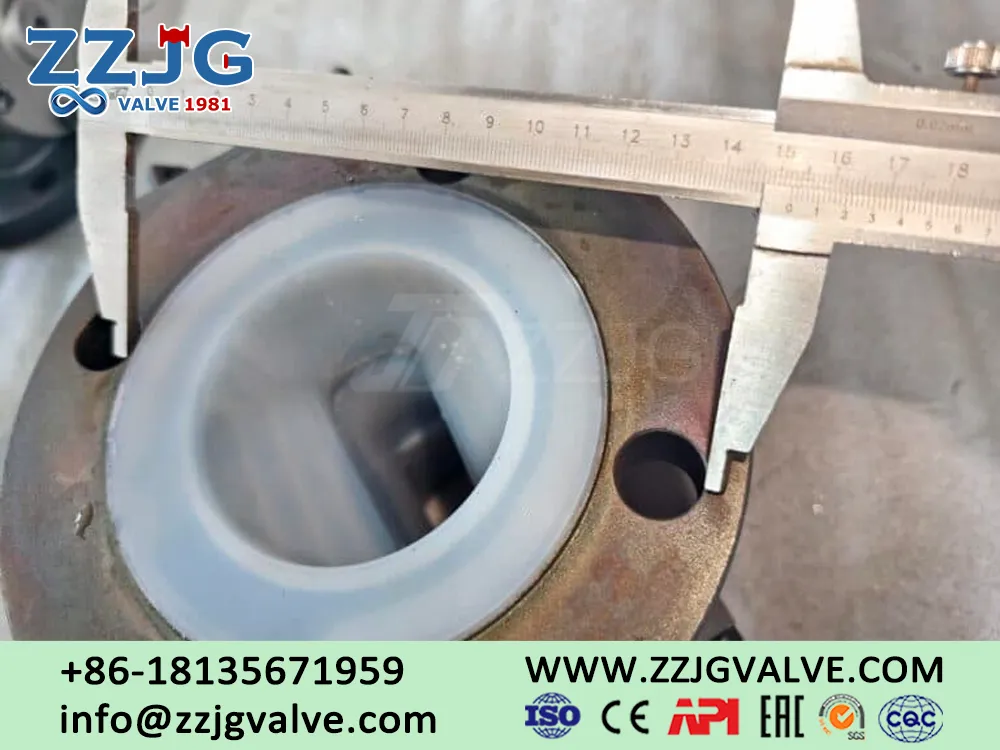
PFA Fluorine-coated plug valves used in strong corrosive media need to be inspected regularly. Equipment personnel can inspect the appearance once a month and focus on checking whether the coating layer has bulges, peeling, and cracks. If the coating layer is severely damaged, personnel need to handle it according to the manufacturer's requirements in a timely manner.
The inspection cycle of soft-sealed plug valves can be determined based on the medium and usage frequency. For clean water and ordinary oil, the inspection cycle can be appropriately extended. For slurries containing solid particles, the inspection cycle should be shortened and the wear of the sealing element should be checked carefully.
2. Lubrication Requirements
Some PFA fluorine-coated plug valves adopt a lubrication-free design. Equipment personnel cannot add lubricating grease at will. The grease may contaminate the medium and may affect the sealing material.
The valve stem and packing parts of the soft-sealed plug valve can be lubricated according to the manufacturer's requirements. Equipment personnel need to select lubricating grease that is compatible with the medium and the sealing material.
3. Spare Parts Preparation
The main maintenance components of the fluorine-coated plug valve include the coating layer and the sealing element. If the coating layer is severely damaged, it is usually difficult to repair on-site, so equipment personnel need to confirm the production cycle of the manufacturer in advance and prepare necessary spare parts.
The main spare parts of the soft-sealed plug valve include sealing sleeves, packing, and valve stem-related parts. These parts are easier to replace and on-site maintenance is more convenient.
III. Differences in Fault Repair
1. Common Faults
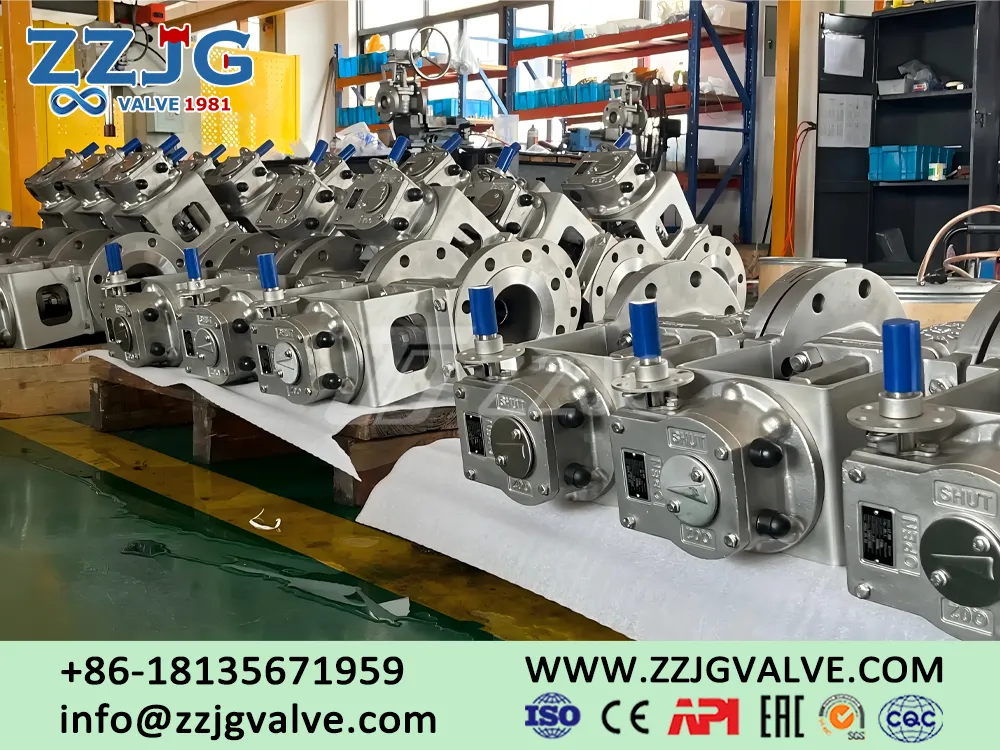
Common problems of fluorine-coated plug valves include coating layer damage, sealing leakage, and valve stem sealing failure. When the coating layer bulges or peels off, the metal valve body may come into contact with corrosive media, so equipment personnel need to handle it promptly.
Common problems with soft-seal plug valves include wear of the sealing elements, movement of the sealing elements, and leakage of the valve stem. When the sealing elements are worn, maintenance personnel can usually replace them directly. When the valve stem is severely corroded, personnel need to disassemble the valve for maintenance.
2. Maintenance Difficulty
The maintenance of PFA plug valves is relatively complex. After the liner is damaged, maintenance personnel usually need to disassemble the valve, clean, repair, reline, and conduct a seal check. The maintenance time and cost will be affected by the valve's diameter, material, and degree of damage.
The maintenance of soft-seal plug valves is relatively simple. Maintenance personnel usually only need to remove the old sealing elements, clean the sealing position, and install new sealing elements. If the valve body and valve stem are not damaged, there is no need for a major overhaul of the entire valve.
3. Leak Detection Methods
For PFA plug valves used in high-risk or highly corrosive media, strict seal checks are required. After maintenance, personnel need to conduct pressure tests and seal tests according to project requirements.
Soft-seal plug valves can usually undergo pressure and seal tests in accordance with GB/T 13927 or API 598. The inspection equipment used on-site is relatively simple.
IV. Differences in Usage Costs
Taking a DN100, PN16, 30% hydrochloric acid, and 500 operations per year as an example, the procurement cost of fluoroplastic-lined plug valves is calculated at 1.0, and the cost of reprocessing the liner after 8 years is calculated at 0.6. The maintenance cost is approximately 0.15, and the total cost over 8 years is approximately 1.75.
The procurement cost of soft-seal plug valves is calculated at 0.7. The sealing sleeves are replaced once each in the 3rd and 6th years, with each replacement cost calculated at 0.15. The maintenance cost is approximately 0.08, and the total cost over 8 years is approximately 1.08. The actual cost will be affected by the valve price, medium, maintenance frequency, and labor costs.
V. Conclusion
PFA plug valves are suitable for highly corrosive media. Equipment personnel need to protect the liner and sealing structure carefully and avoid excessive operating force and mechanical damage during operation. When the liner is severely damaged, on-site maintenance is usually difficult.
The maintenance of soft-seal plug valves is relatively simple. Equipment personnel can maintain the valve's normal operation by regularly inspecting and replacing the sealing elements. The maintenance time is short, and the cost of common spare parts is also low.
Equipment personnel should not only consider the procurement price when choosing a valve, but also consider the medium, usage frequency, maintenance conditions, and spare part supply. Making maintenance and spare parts plans in advance can reduce downtime and also lower long-term usage costs.
1.webp)
-1.webp)