EN
EN RU
RU ES
ES FR
FR AR
AR IND
IND
How Does the Medium Affect Butterfly Valve Selection? Key Considerations
Butterfly valves are widely used in industries such as water treatment, chemical processing, oil and gas, power generation, and shipbuilding. Valve size and pressure rating are critical factors, but the characteristics of the medium also significantly influence valve performance and service life.
Different media have varying effects on butterfly valves. Corrosive media can degrade valve materials; high-velocity media may erode the valve body and disc; while high or low temperatures can impact sealing performance. Therefore, users must select appropriate butterfly valves based on the specific properties of the medium.
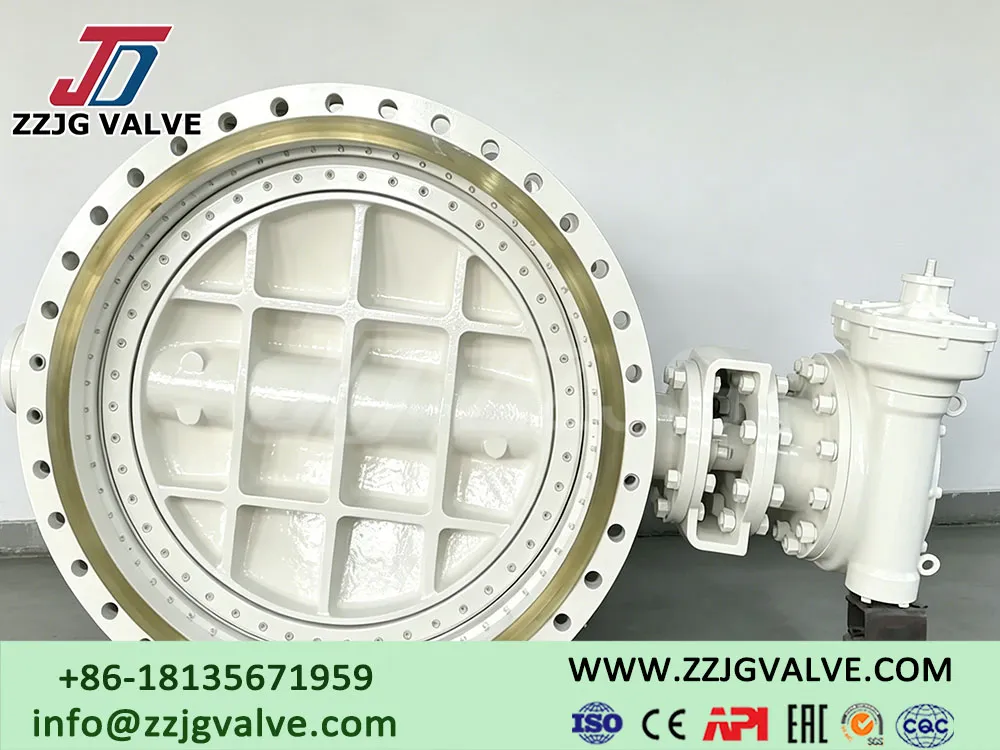
Corrosive Media Require Suitable Materials
Seawater, acids, alkalis, and certain chemical solutions are corrosive. These media can corrode the valve body, disc, stem, and sealing components.
Seawater and media with high chloride ion content impose higher demands on valve materials. Commonly used materials include duplex stainless steel, stainless steel, and aluminum bronze. Users should select materials based on both the medium and actual operating conditions.
Highly corrosive chemical media require even more stringent material selection. Users must verify whether the valve material is compatible with the medium. Incorrect material choice may lead to corrosion, potentially shortening the valve’s service life.
High-Temperature Media Affect Sealing Performance
High-temperature media cause thermal expansion in valve materials. High temperatures can also accelerate aging in certain soft sealing materials. If the medium temperature exceeds the allowable temperature range of the seat material, leakage may occur.
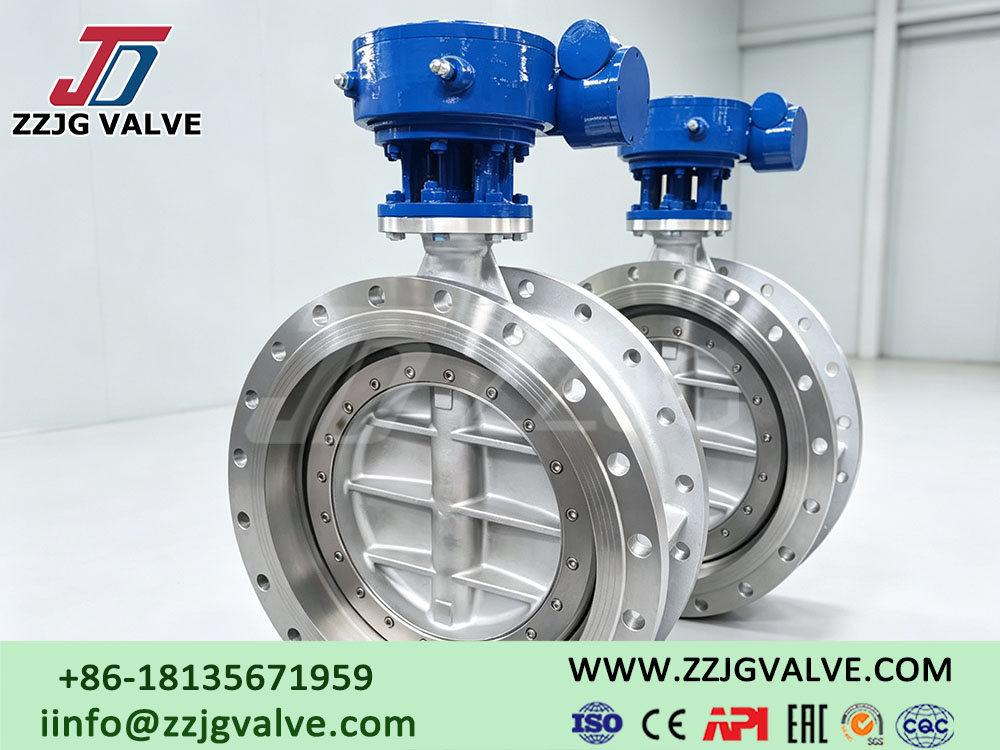
Metal-sealed butterfly valves are commonly used in high-temperature applications. Triple-offset butterfly valves are also frequently employed in high-temperature systems. The triple-offset design reduces friction between the sealing surfaces during valve operation, thereby minimizing wear.
Users must select appropriate materials for the valve body, disc, stem, seat, and packing according to operating temperature.
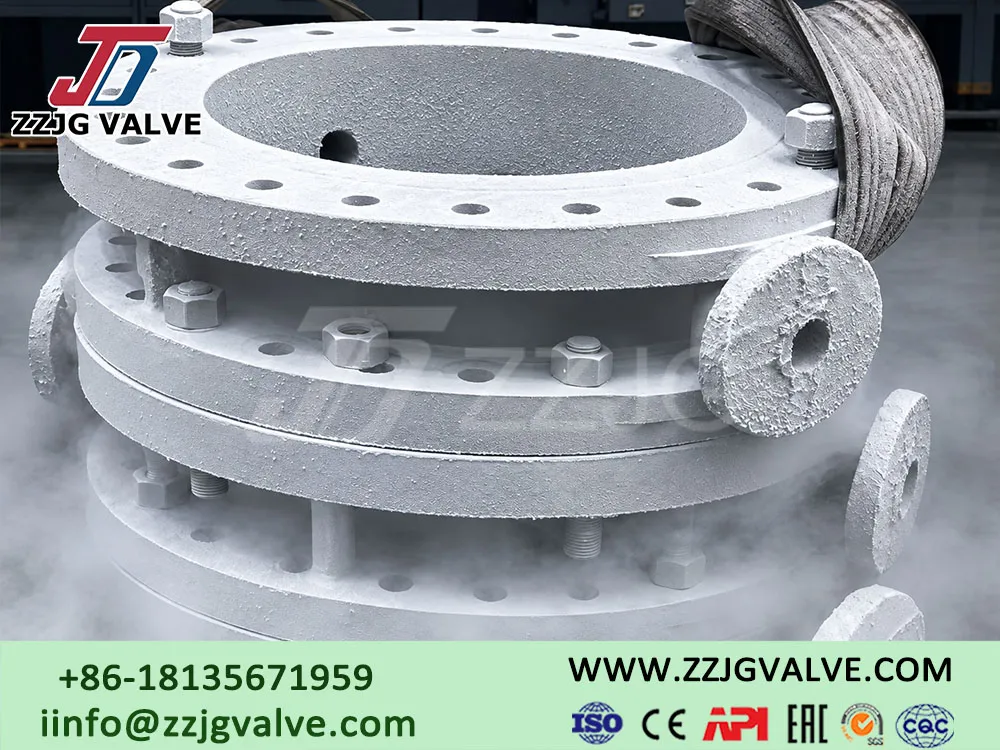
Low-Temperature Media Require Special Design
Low-temperature media such as LNG and liquid nitrogen impose special requirements on butterfly valves. Low temperatures can make certain materials brittle and affect the performance of seat and sealing materials.
In low-temperature applications, extended stems or extended bonnets may be used to position the actuator and packing away from the low-temperature area.
When selecting low-temperature butterfly valves, users should consider material toughness, sealing performance, and thermal contraction. Valves must also be suitable for long-term operation in cold environments.
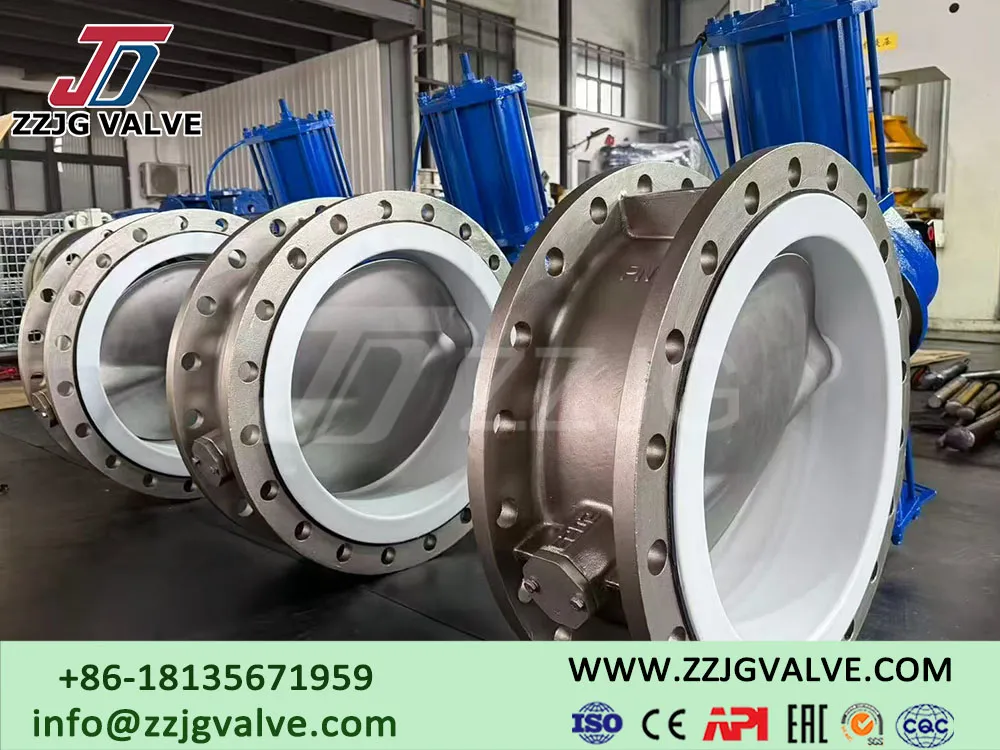
Solid Particles Cause Wear
Some media contain solid particles—such as slurries, wastewater, ash, and mineral mixtures—which may carry abrasive solids.
These particles can impact the disc and sealing surfaces. High flow velocity further accelerates valve wear. Soft-sealed butterfly valves are generally unsuitable for highly abrasive media with high particle concentrations.
For media containing significant solid particles, wear-resistant materials and metal-to-metal sealing designs are recommended. Users should also evaluate the flow velocity and particle concentration of the medium.
Gas and Liquid Media Have Different Requirements
Gases and liquids impose different demands on butterfly valves.
Gas systems typically require high standards for leakage rate and control performance, necessitating excellent sealing capability.
Liquid systems require attention to water hammer issues. Rapid valve closure can cause sudden pressure changes in pipelines, potentially disrupting normal system operation.
For water systems, butterfly valves should be selected based on flow rate, pressure, temperature, and pipe diameter. For gas systems, emphasis should be placed on sealing performance and actuator control methods.
Pressure and Flow Velocity Also Influence Selection
Medium type alone is not the only factor in valve selection. Pressure and flow velocity are equally important.
High-pressure and high-velocity media increase the load on the disc and sealing components. Excessively high flow velocities may induce vibration and noise. High-velocity media also accelerate internal wear.
Therefore, users should not base their selection solely on pipe dimensions. They must also consider actual pressure, flow rate, temperature, and medium characteristics.
Selecting the Right Butterfly Valve Based on the Medium
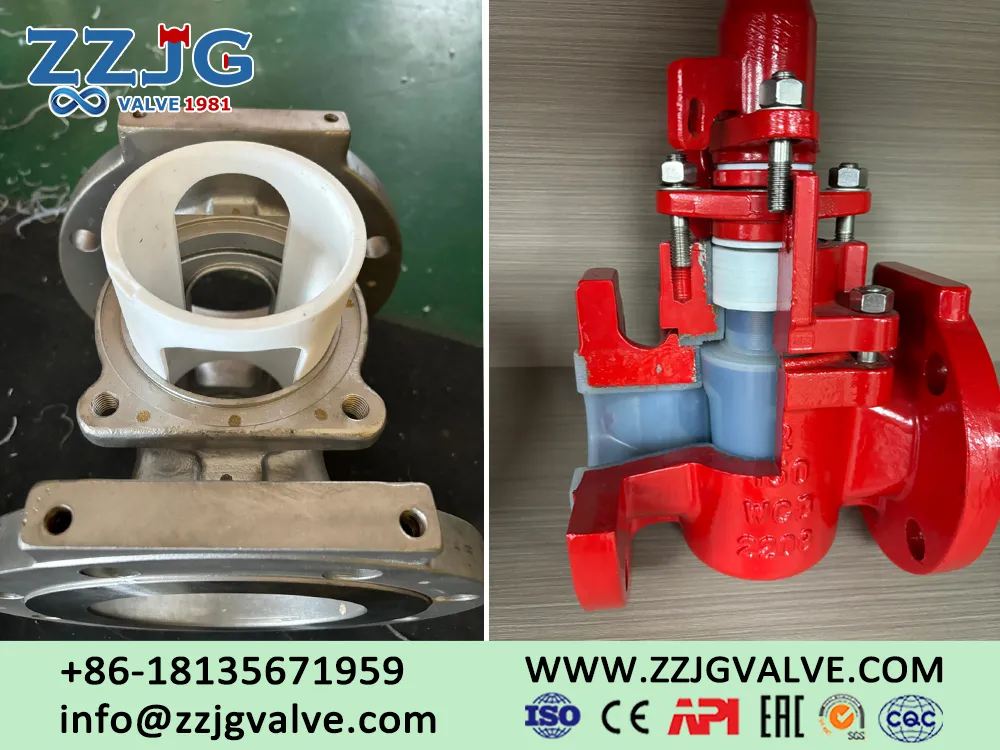
The medium is a key factor in butterfly valve selection. Different media require different materials and sealing configurations.
For corrosive media, the corrosion resistance of the material must be carefully evaluated. High-temperature media require consideration of the material and sealing components' temperature resistance. Low-temperature media demand attention to material toughness and sealing performance. Media containing solid particles require evaluation of the valve's wear resistance.
Before selecting a butterfly valve, users should provide information such as the medium name, operating temperature, operating pressure, flow rate, concentration, and solid particle content.
These parameters help users choose suitable valve bodies, discs, stems, seats, and actuators. Proper selection enhances the valve's sealing performance and reduces maintenance requirements, thereby extending the service life of both the valve and the piping system.
1.webp)
-1.webp)