EN
EN RU
RU ES
ES FR
FR AR
AR IND
IND
Low-Temperature Butterfly Valves vs. Standard Butterfly Valves: Key Differences in Structure, Materials, and Performance
Butterfly valves are widely used in industrial piping systems. Standard butterfly valves may not meet the requirements of extremely low-temperature service. Low-temperature butterfly valves are specifically designed for applications involving liquefied natural gas (LNG), liquid nitrogen, and other cryogenic media.
The main differences between the two types lie in valve structure, material selection, sealing systems, and operational performance.
Different Operating Temperatures
Standard butterfly valves are primarily designed for normal-temperature service. Manufacturers select the valve materials and sealing components based on typical operating conditions.
In contrast, low-temperature butterfly valves are engineered for cryogenic service. Under extremely low temperatures, some materials may become brittle, while sealing materials may contract, harden, or lose elasticity. Therefore, these valves must be specifically designed according to the actual minimum operating temperature.
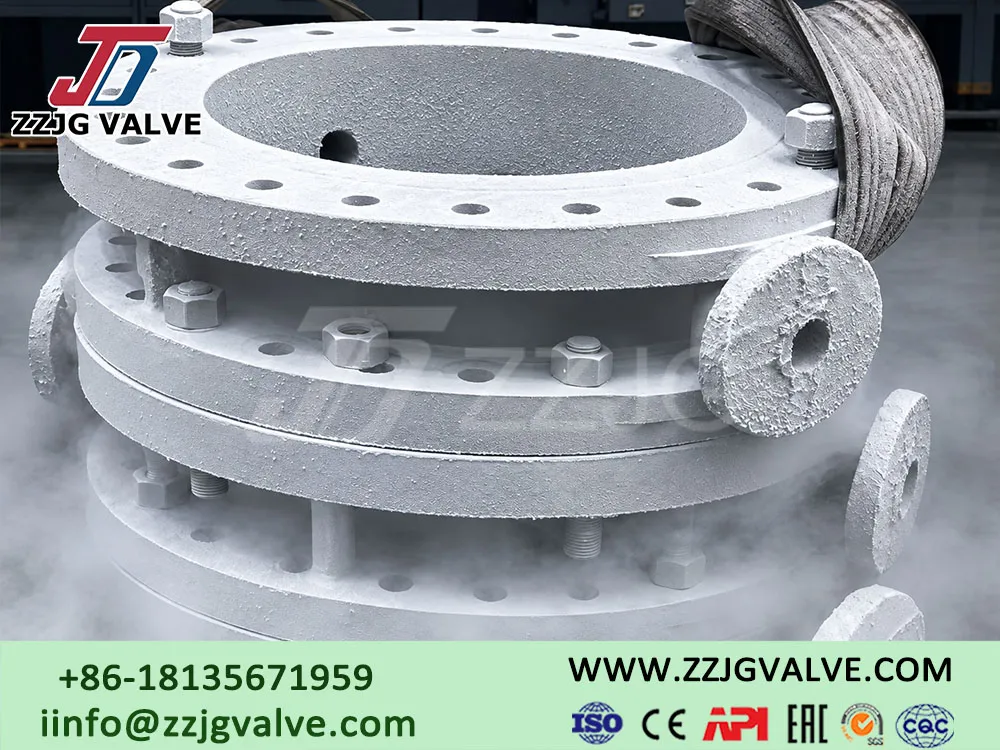
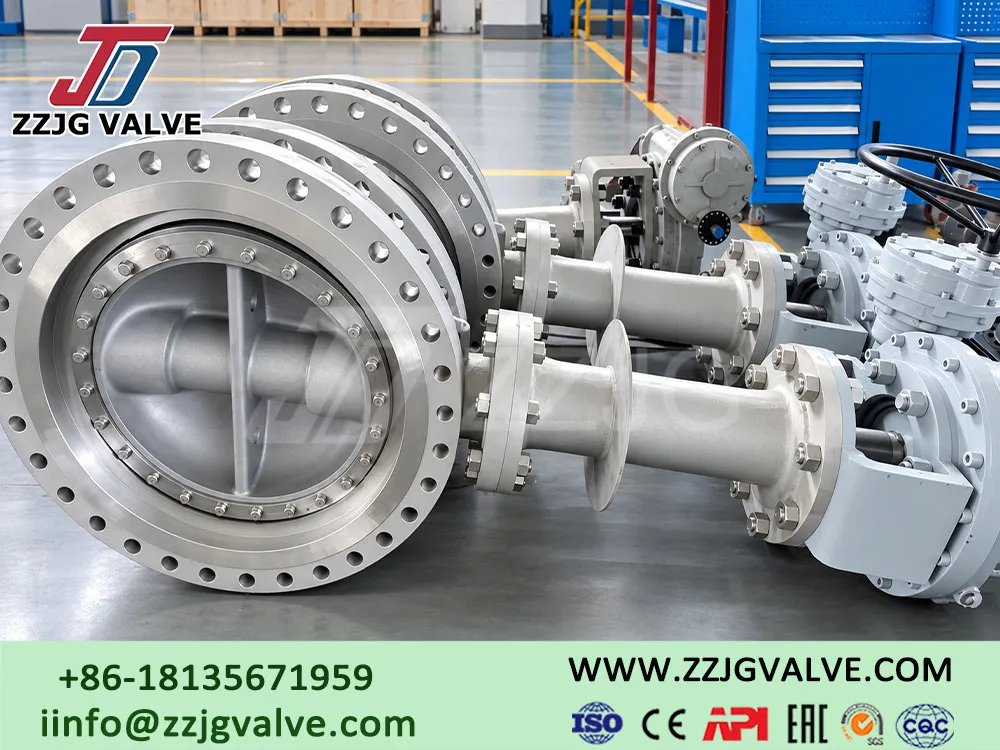
Different Stem Design
Low-temperature butterfly valves typically feature an extended stem design. The longer stem increases the distance between the cryogenic medium and the packing area, reducing the effect of low temperatures on the packing and sealing components.
This design also helps reduce heat transfer from the cryogenic fluid to the packing and actuator, helping keep the packing area within a suitable temperature range. Standard butterfly valves generally do not require this type of extended stem design.
Different Material Selection
Material selection is critical for cryogenic service.
Low-temperature butterfly valves commonly use stainless steel grades such as 304/304L or 316/316L, which provide good low-temperature toughness and corrosion resistance. All major components, including the body, disc, stem, and other pressure-retaining or wetted parts, must be selected according to the minimum operating temperature, pressure, and process medium.
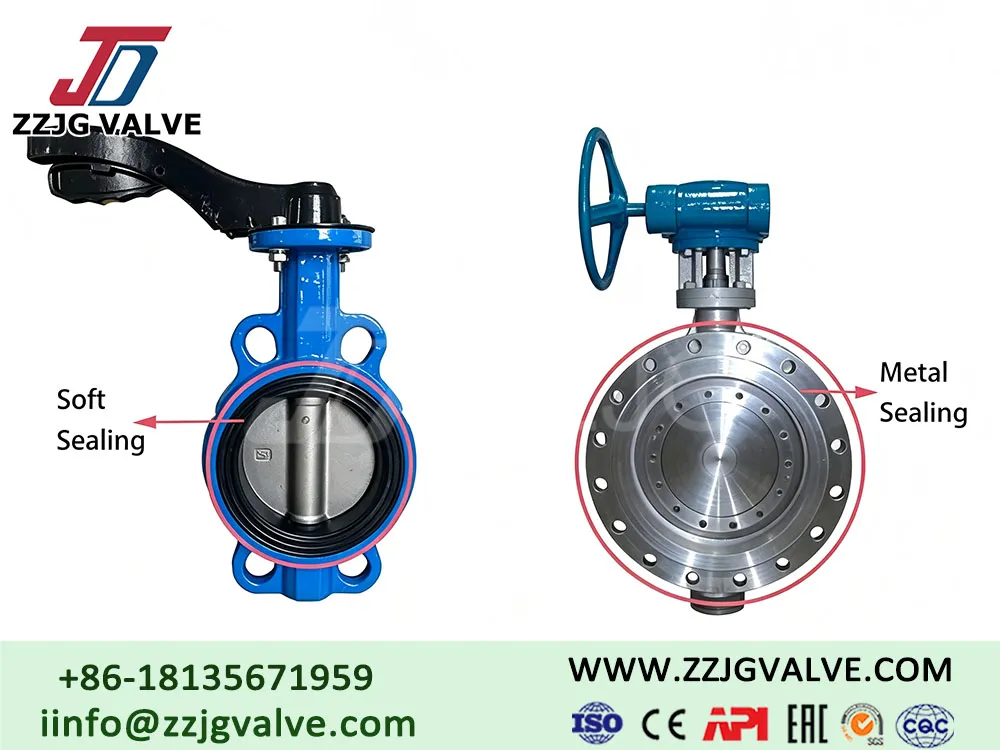
Standard butterfly valves have a wider range of material options, including cast iron, carbon steel, and stainless steel.
Different Sealing Systems
Low temperatures cause thermal contraction of materials, which can affect sealing performance. Conventional rubber seats may harden and lose elasticity under extremely low temperatures.
Low-temperature butterfly valves use sealing materials and seat designs specifically selected for cryogenic service. Designers must consider both thermal contraction and leak-tightness requirements. Packing materials must also maintain stable sealing performance during low-temperature operation and thermal cycling.
Different Operational Performance
Low-temperature butterfly valves must provide reliable and consistent opening and closing operation and sealing performance under cryogenic conditions. Thermal cycling, involving repeated cooling and heating, is an important consideration.
Repeated thermal expansion and contraction of valve components can affect the seat, packing, and sealing surfaces. Therefore, cryogenic butterfly valves require careful design and appropriate testing to ensure reliable operation and sealing performance.
Different Application Areas
Standard butterfly valves are widely used in water treatment, HVAC, chemical processing, power generation, and general industrial piping systems.
Low-temperature butterfly valves are mainly used in LNG receiving terminals, LNG storage and transportation systems, natural gas processing facilities, air separation units, industrial gas systems, and other cryogenic applications.
Next: Open vs Closed Blind Valves
1.webp)
-1.webp)
.jpg)