EN
EN RU
RU ES
ES FR
FR AR
AR IND
IND
Inverted Pressure-Balanced Plug Valve: An Efficient Flow Control Solution for High-Pressure Pipeline Systems
In modern industrial production, valves are primarily used to control fluid flow and ensure the safe operation of pipeline systems. The development of the oil and gas, petrochemical, chemical, and energy industries has increased demands for valve safety, stability, and operational efficiency. Thanks to their excellent performance, inverted pressure-balanced plug valves have become essential equipment in high-pressure and large-diameter pipeline systems.
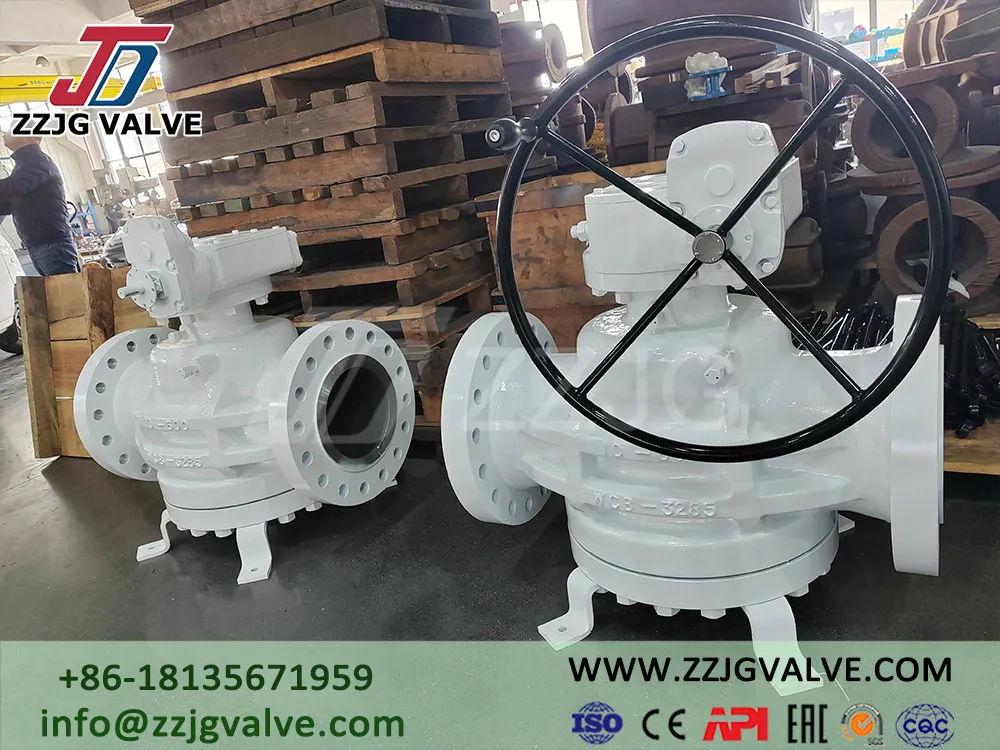
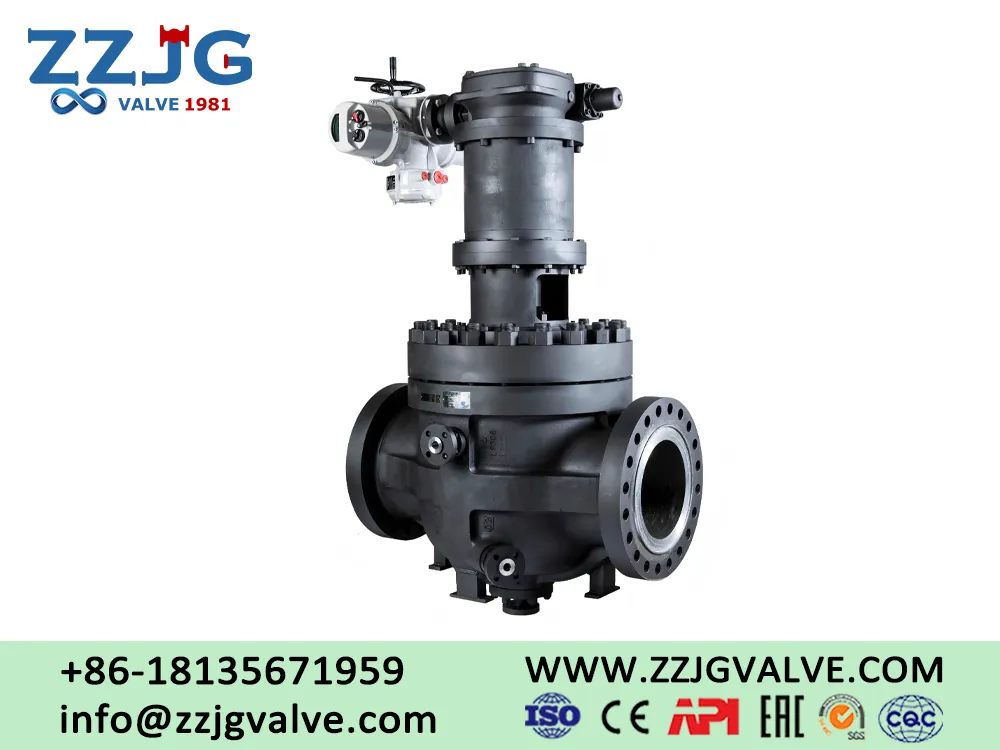
The inverted pressure-balanced plug valve features a pressure-balanced design that reduces operating torque during valve operation. This valve offers excellent sealing performance and stable operation, enhancing equipment efficiency and extending the valve's service life.
What is an inverted pressure-balanced plug valve?
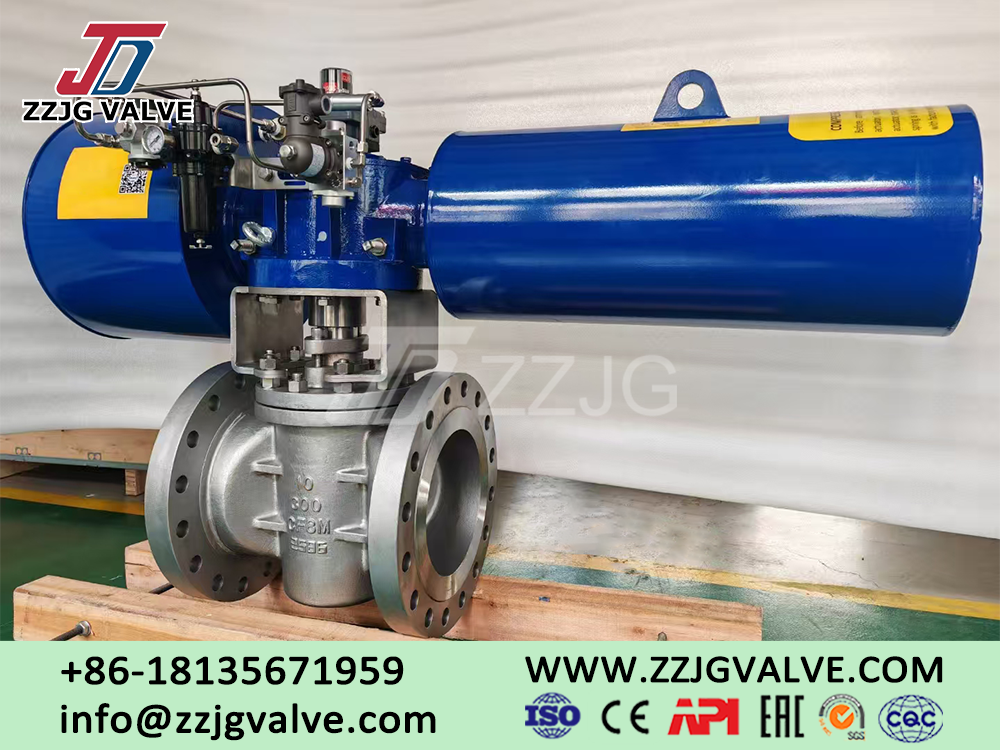
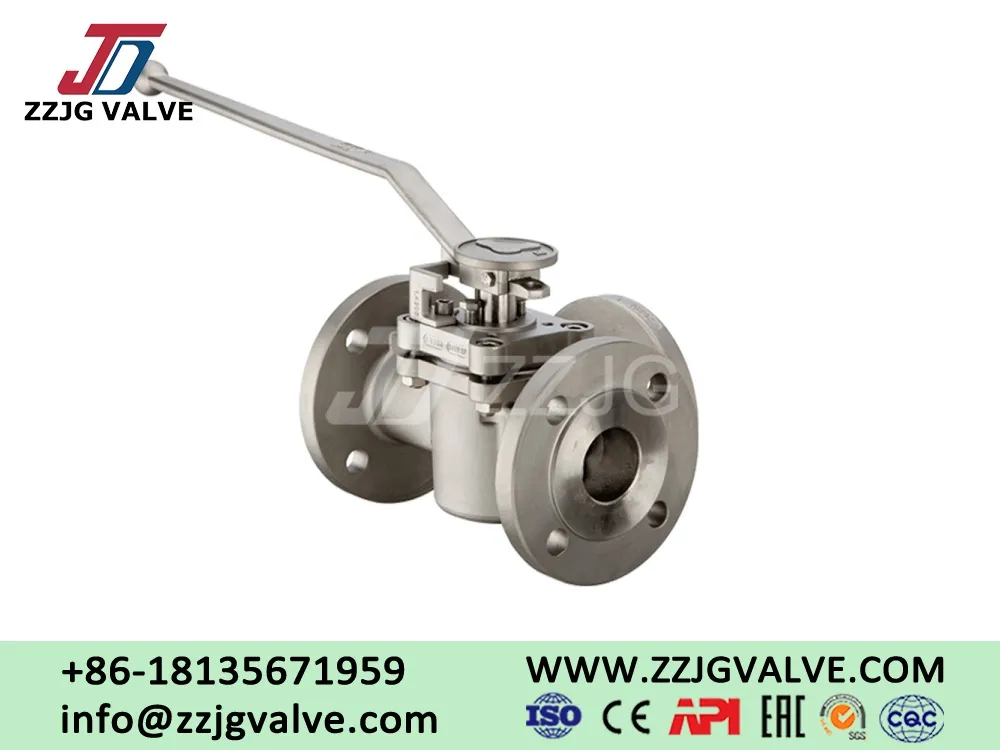
The inverted pressure-balanced plug valve is an industrial valve that employs a plug-type structure. Based on the traditional plug valve, this design incorporates a pressure-balancing feature to improve the internal pressure distribution within the valve.
The pressure-balanced design reduces the impact of medium pressure on the plug and also decreases friction between the plug and the valve body, allowing operators to open and close the valve more easily.
The inverted pressure-balanced plug valve is suitable for high-pressure, long-term operation industrial piping systems requiring reliable shut-off.
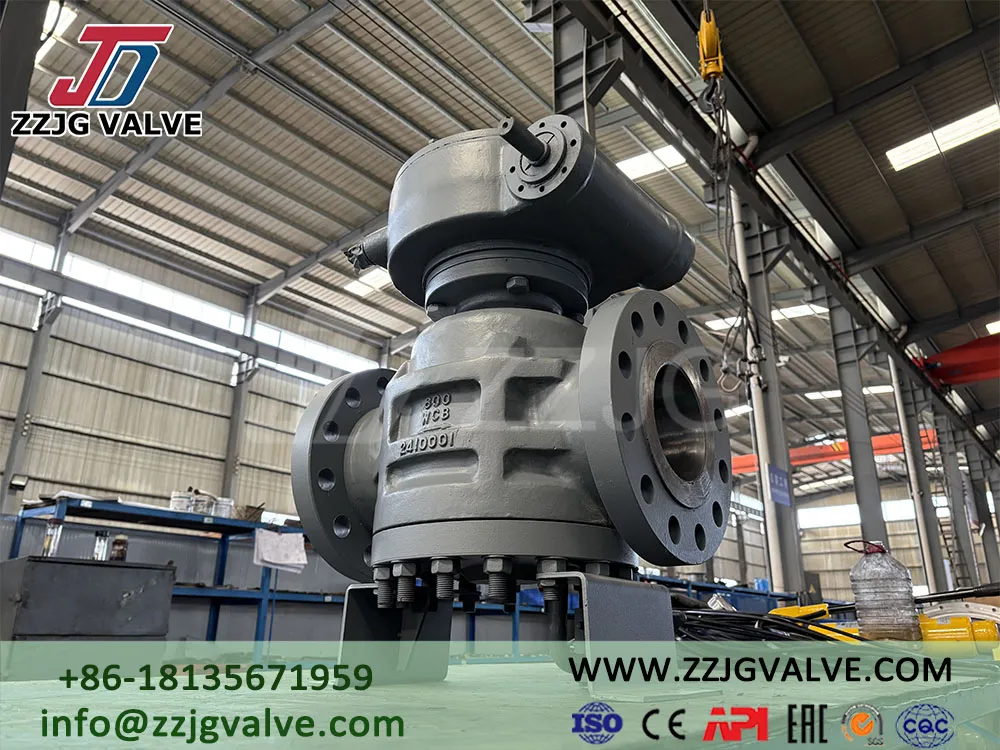
Main features of the inverted pressure-balanced plug valve
1. Pressure-balanced design reduces operating torque
A key feature of the inverted pressure-balanced plug valve is its low operating torque.
In traditional plug valves, when operating under high pressure, the medium pressure increases the force acting on the plug. This condition makes valve opening more difficult and also increases wear on the sealing surface.
The pressure-balanced design reduces the impact of medium pressure, enabling the valve to operate stably under high-pressure conditions. At the same time, this structure also enhances the ease of valve operation.
2. Excellent sealing performance, reducing leakage
The sealing performance of valves affects the safe operation of pipeline systems.
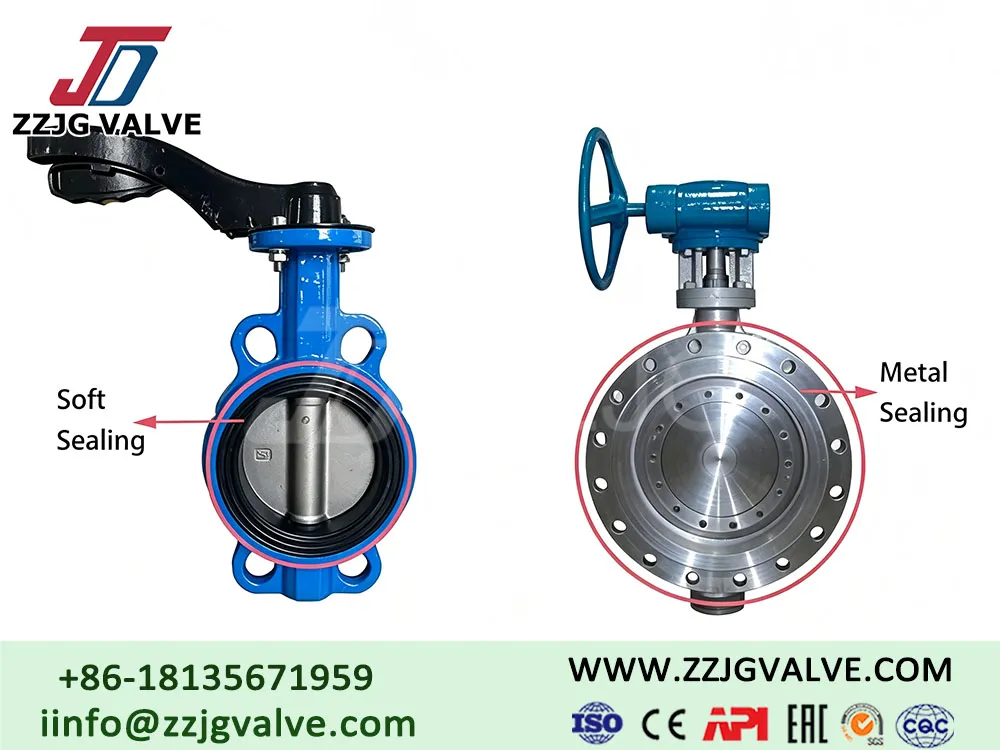
The inverted pressure-balanced plug valve features a reliable sealing structure that minimizes medium leakage. Depending on different operating environments, users can choose from metal-to-metal sealing, soft sealing, or grease injection sealing options.
These sealing methods can enhance the performance of valves in high-temperature, high-pressure, and corrosive environments.
3. Straight-through flow channel improves conveying efficiency
The inverted pressure-balanced plug valve features a straight-through flow path design, which reduces resistance when fluid passes through the valve.
This structure reduces pressure loss and improves pipeline transmission efficiency. Therefore, the valve is suitable for industrial systems with high flow requirements.
4. Suitable for complex industrial environments
Inverted pressure-balanced plug valves can be applied in various industrial environments.
This valve can be used in high-pressure pipelines, corrosive media, and equipment requiring continuous operation. Users can select carbon steel, stainless steel, or alloy materials according to different working environments to meet requirements for various temperatures and media.
Applications of Inverted Pressure-Balanced Plug Valves
Oil and Gas Pipelines
Oil and gas transmission systems require valves to withstand high pressure and frequent operation over long periods.
The inverted pressure-balanced plug valve features quick shut-off and reliable sealing, enhancing the safety and operational efficiency of pipeline systems.
Petrochemical and chemical industry
Flammable, corrosive, or special media are frequently used in petrochemical and chemical production processes.
The inverted pressure-balanced plug valve offers excellent sealing capability and stable performance, meeting the requirements for use in critical process pipelines and production equipment.
Energy and Industrial Facilities
With the development of natural gas, hydrogen energy, and other energy sectors, the industrial sector's demand for high-performance valves continues to grow.
Inverted pressure-balanced plug valves can provide reliable fluid control solutions for these industries.
How to select the appropriate inverted pressure-balanced plug valve?
When selecting an inverted pressure-balanced plug valve, users need to consider the following aspects:
1. Work pressure
Users should select the appropriate valve pressure rating based on the design pressure of the piping system. The correct pressure rating ensures safe operation of the valve.
2. Medium to be conveyed
Different media impose different requirements on valve materials and sealing methods.
Users need to select appropriate valve products based on the medium's corrosiveness, temperature, and chemical properties.
3. Operating Temperature
Operating temperature affects valve materials and sealing performance.
Users should select appropriate materials based on the actual temperature conditions to ensure long-term stable operation of the valve.
4. Maintenance Requirements
For critical pipeline systems operating over long periods, users should select valves that are easy to maintain, have a long service life, and offer stable sealing performance.
Trends in the Development of Inverted Pressure-Balanced Plug Valves
As industrial production demands for safety, energy efficiency, and automation continue to rise, inverted pressure-balanced plug valves are also evolving accordingly.
In the future, valve products will place greater emphasis on the following aspects:
More reliable sealing technology
More durable material applications
Smarter operational monitoring
More advanced condition monitoring systems
Higher level of automated control
These technologies can help industrial piping systems improve safety and operational efficiency.
Next: How to choose a “safety guardian” for pipelines?
-1.webp)
.jpg)