EN
EN RU
RU ES
ES FR
FR AR
AR IND
IND
How to choose a “safety guardian” for pipelines?
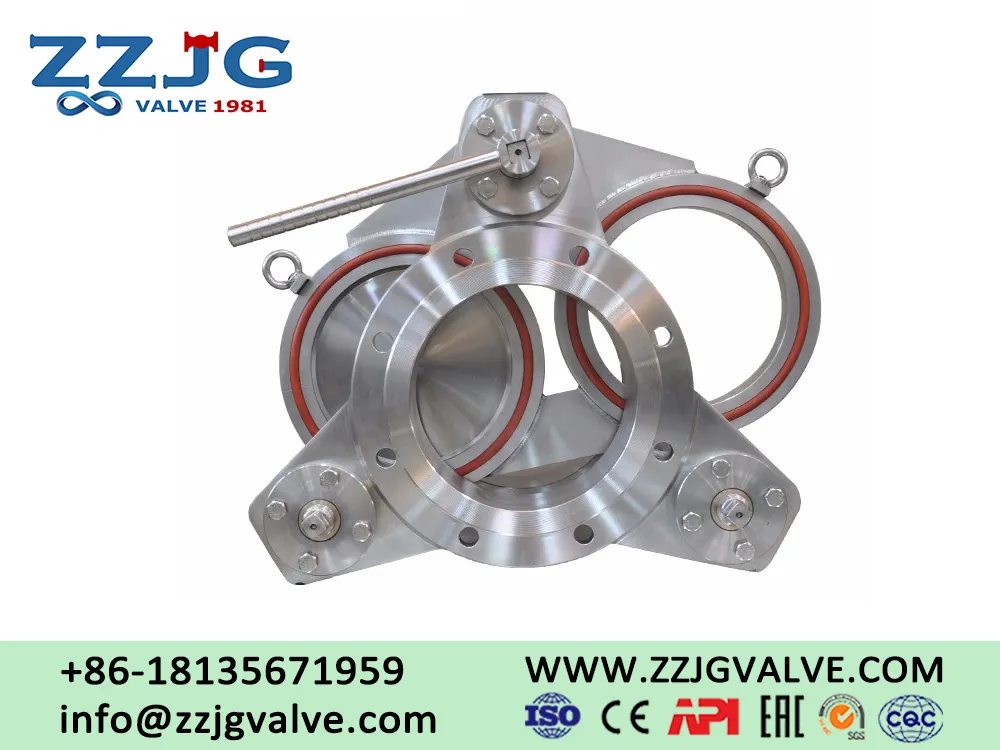
In industrial piping systems, blind valves act as the "goalkeepers" ensuring safety. Whether it's gas pipeline maintenance or chemical equipment switching, they provide absolutely reliable shutoff to prevent medium leakage. However, faced with the wide range of blind valves available on the market, how to scientifically select the appropriate model based on the low or medium-to-high pressure conditions of the pipeline? This directly impacts production safety and equipment lifespan.
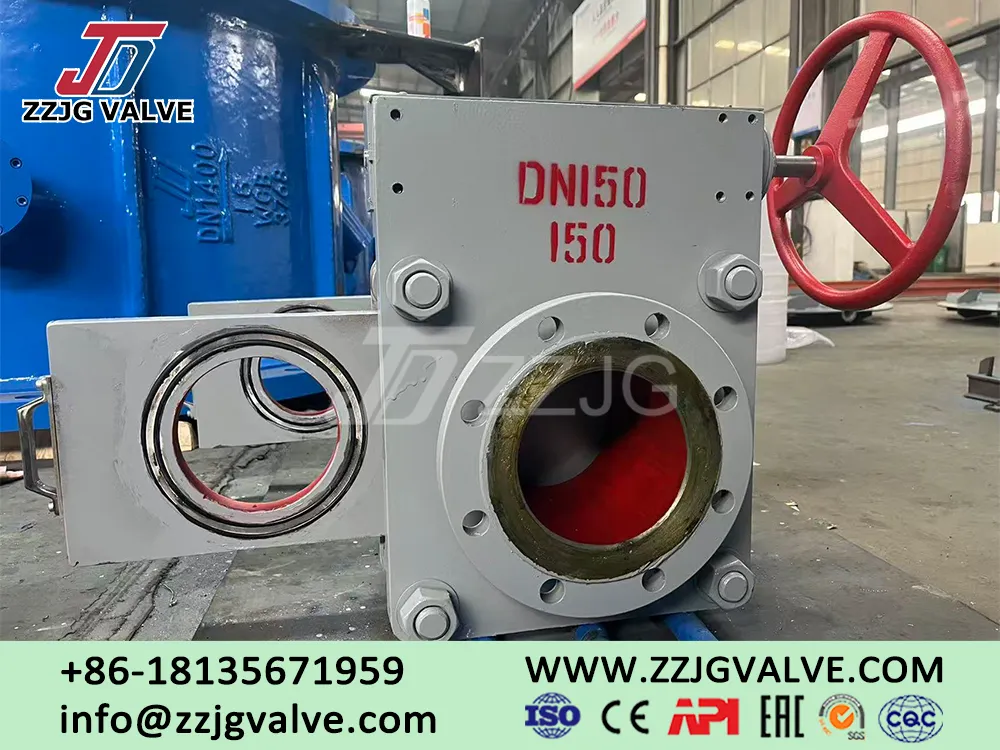
Recognize pressure ratings and refuse to "blindly" choose valves
The pressure rating of a valve is not merely a numerical game. In industrial standards, valves are typically categorized into several tiers based on their nominal pressure (PN): PN≤1.6MPa for low-pressure valves, PN2.5—6.4MPa for medium-pressure valves, and PN10.0—80.0MPa for high-pressure valves.
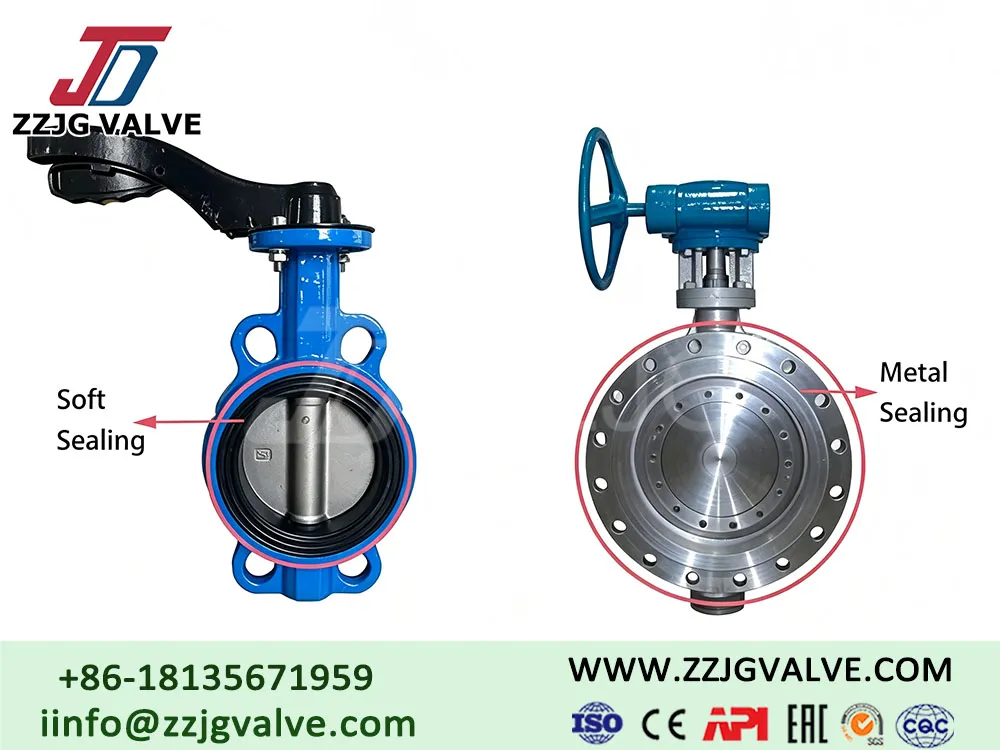
For low-pressure pipeline systems such as urban gas and water supply and drainage, selecting blind valves with a pressure rating of 0.6 MPa or 1.0 MPa can meet the requirements. These valves typically use rubber sealing rings, which are sufficient to handle conventional pressures. However, in medium and high-pressure scenarios such as petroleum, chemical, and metallurgical industries, system operating pressures often exceed 1.6 MPa or even higher. In such cases, medium and high-pressure blind valves must be selected. Additionally, the sealing structure needs to be upgraded to a metal hard seal to withstand system pressures up to 10 MPa or higher.
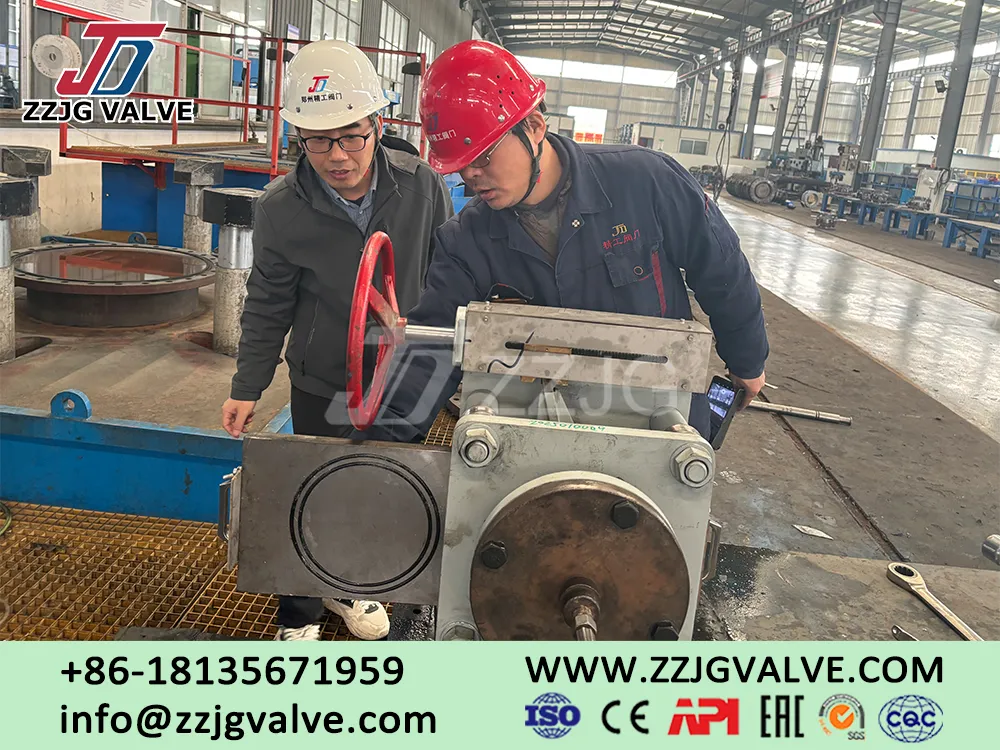
Misconception in model selection: Is higher pressure rating always better?
Many procurement personnel blindly choose high-pressure valves for low-pressure pipelines as a "safeguard", but this is actually a misconception. An excessively high pressure rating implies a harder sealing surface. If the medium contains impurities, long-term erosion can easily lead to wear on the sealing surface, causing internal leakage.
The correct approach is: the pressure rating of the valve should be slightly higher than the maximum working pressure of the system, of 1.2 to 1.5 times the maximum working pressure. For example, if the system design pressure is 1.6 MPa, selecting a valve with PN20 or PN25 is most suitable. It is necessary to prevent valve rupture caused by pressure fluctuations due to pump start-stop, while also avoiding unnecessary costs due to excessive redundancy.
.webp)
Temperature and material quality are "invisible indicators" that cannot be ignored
Pressure selection cannot exist independently of temperature. The allowable working pressure of the same valve varies at different temperatures. For example, cast steel valve bodies perform well at room temperature. However, in high-temperature conditions above 425°C, it is necessary to consider heat-resistant cast steel or stainless steel materials. Additionally, high-temperature resistant sealing rings such as fluororubber or polytetrafluoroethylene (PTFE) are required.
In the blast furnace gas pipelines of the metallurgical industry, the medium often exhibits both high temperature and corrosivity. In such cases, it is essential not only to select the appropriate pressure rating but also to ensure that the valve body strength matches the temperature resistance of the sealing material. This is to prevent the sealing material from softening and failing due to high temperatures.
Summary
The selection of a blind valve is an art of balance. It involves determining the working pressure and temperature of the pipeline, matching the corresponding valve body material and sealing structure, and leaving a reasonable safety margin. Choosing the right blind valve is not just about selecting a component. It provides a "double insurance" for the safe operation of the entire pipeline system.
Next: Application of large-diameter slurry butterfly valves in wet flue gas desulfurization systems
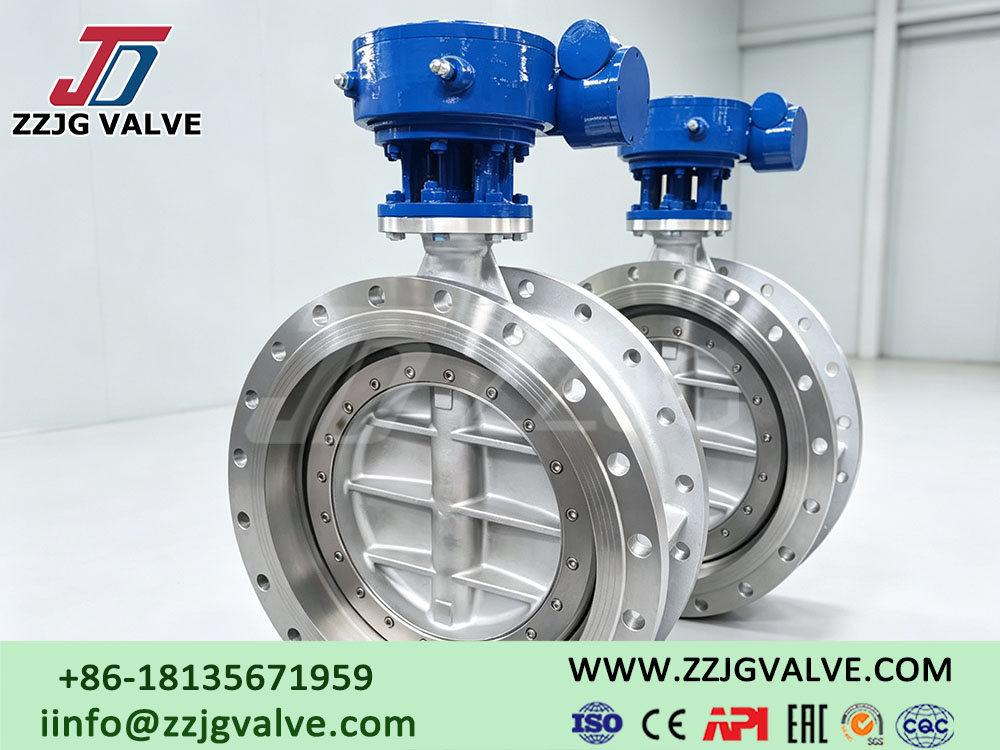
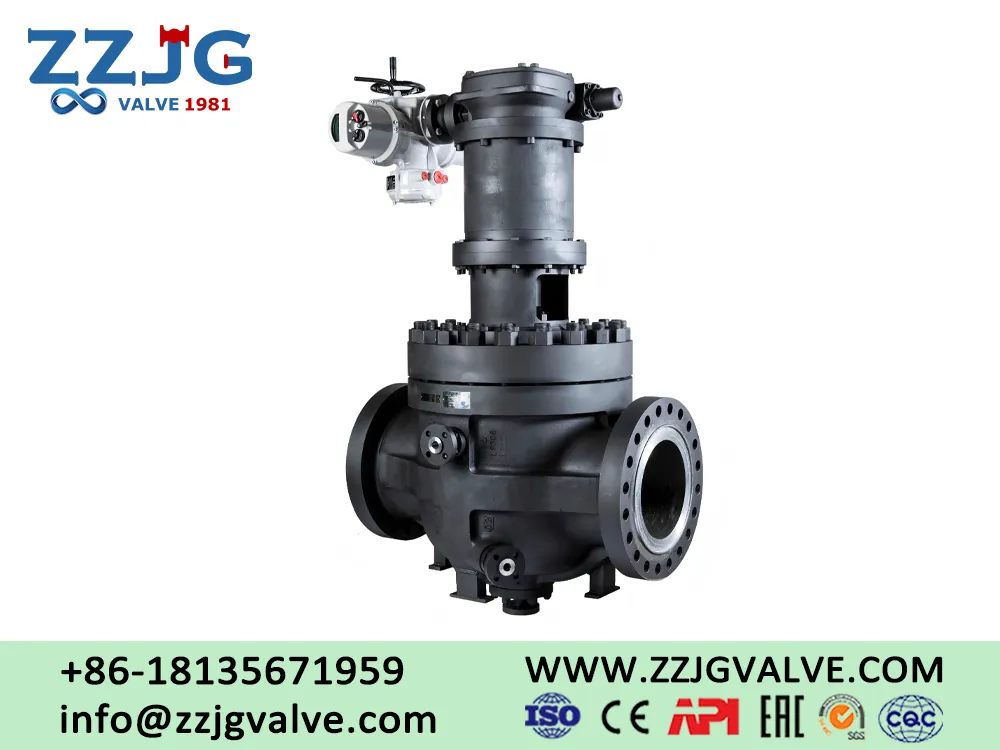
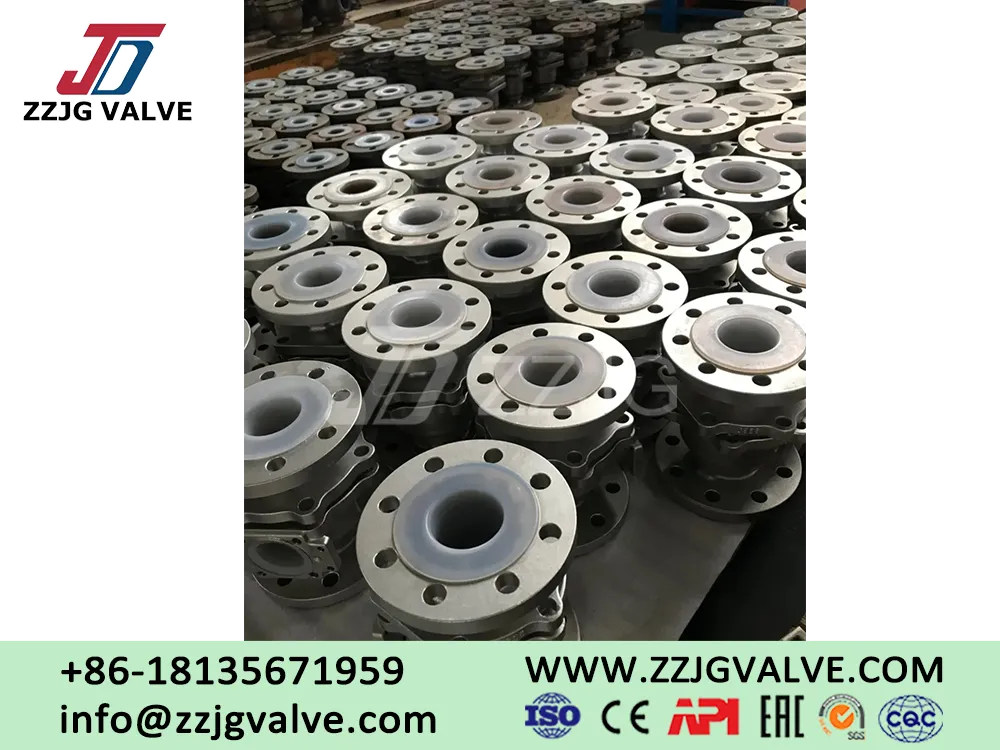
-1.webp)
.jpg)