EN
EN RU
RU ES
ES FR
FR AR
AR IND
IND
Common Failure Causes of Blind Valve and Its Rapid Treatment Methods
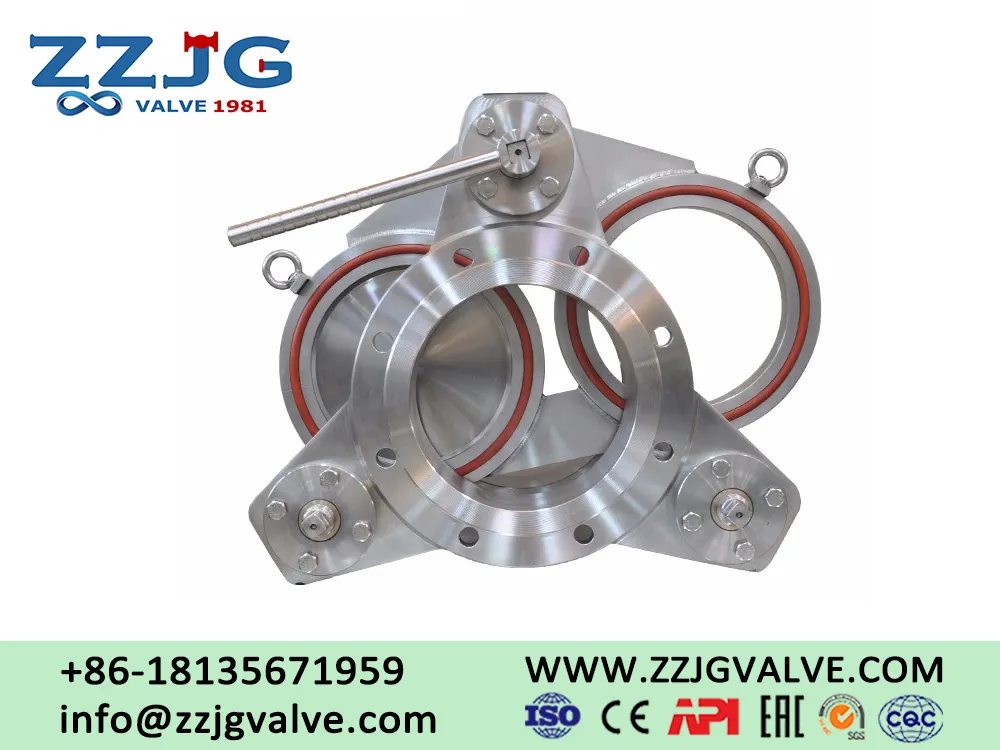
Blind Valve is the key isolation equipment for gas, metallurgy and chemical pipelines. It operates under the complex working conditions of high temperature, dust and medium corrosion for a long time. Therefore, it is easy to have common problems such aspoor sealing, switching jamming, abnormal sound and air leakage. Many field failures are not caused by equipment quality problems, but by wear and tear in daily use, inadequate maintenance or irregular operation.Mastering the common fault causes and quick treatment methods can effectively reduce the risk of shutdown hazards and ensure the safe and stable operation of pipeline systems.
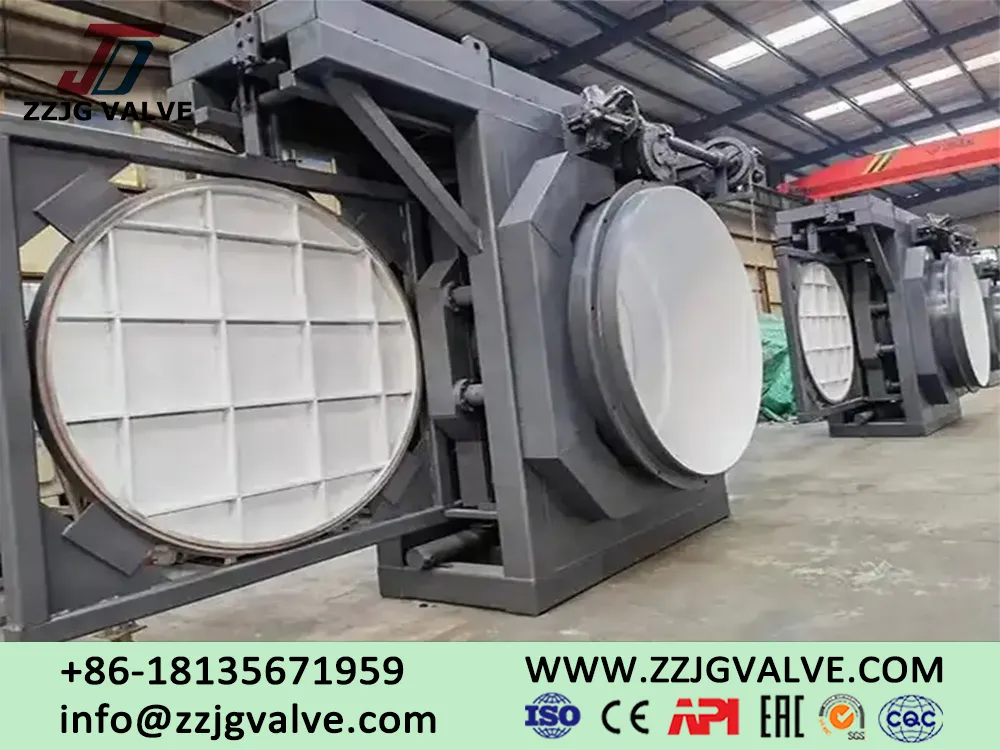
Valve leakage is the most frequent failure of blind valve. Most leaks come from aging, hardening and cracking of sealing rubber. Part of the reason is that there is too much carbon deposit and dust on the surface of the valve plate, which leads to poor fitting after closing. In addition, pipeline vibration and loose flange bolts will also cause slight air leakage at the interface. The on-site rapid processing method is relatively simple. For slight leakage, the dust and impurities on the sealing surface of the valve plate can be cleaned first, and then closed and pressed again. If the seal has aged and deformed, it is necessary to replace a new rubber gasket in time and tighten the flange bolts.At the same time, long-term pressurized operation should be avoided.
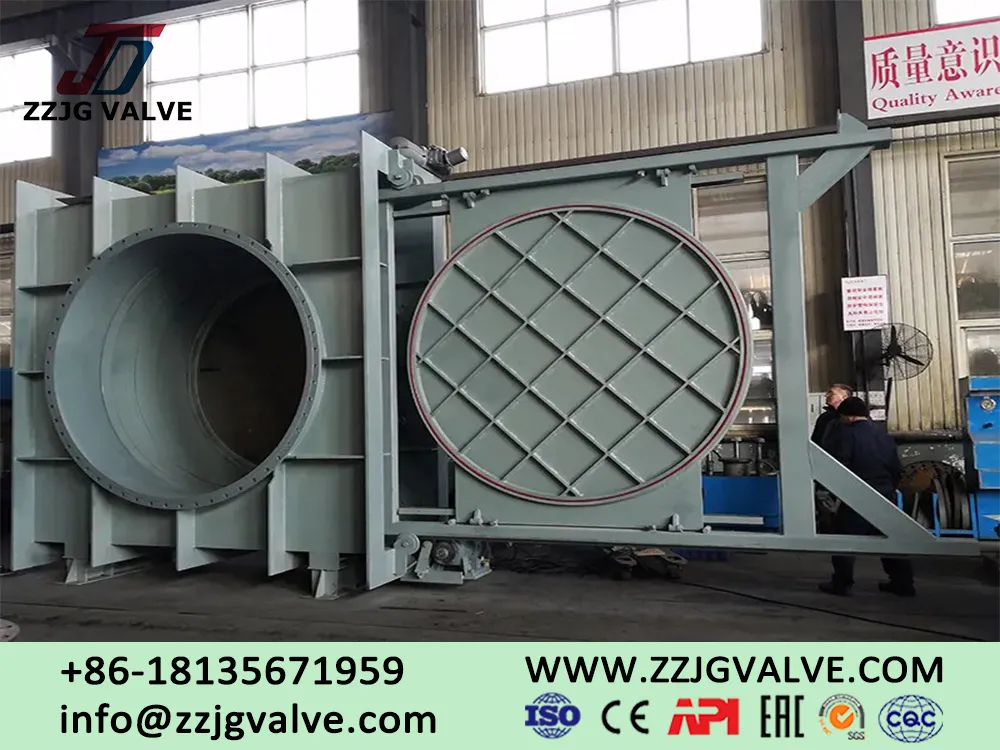
Switching jamming and unsmooth operation are also high-frequency problems on site. Most of these failures are due to the corrosion of valve shaft and transmission parts caused by long-term non-use, or the blockage caused by dust and slag accumulation on guide rails. The pneumatic blind valve will also have insufficient driving force and incomplete opening and closing due to insufficient air pressure and moisture in the air source.During daily maintenance, check the air source pressure, clean the impurities outside the valve body and apply grease to the transmission mechanism. Do not forcibly open or close the valve when jamming is serious to avoid valve plate deformation and component damage. It is also necessary to shut down the equipment, disassemble the valve and remove foreign objects.
Abnormal operating noise of equipment also needs to be paid attention to. Friction and impact sounds occur during opening and closing, which are generally caused by wear of driving parts, limit deviation and valve body misalignment.When abnormal noise is detected, it is necessary to check the position of the limit switch in time, calibrate the valve plate stroke, inspect internal worn parts and replace worn components in advance.
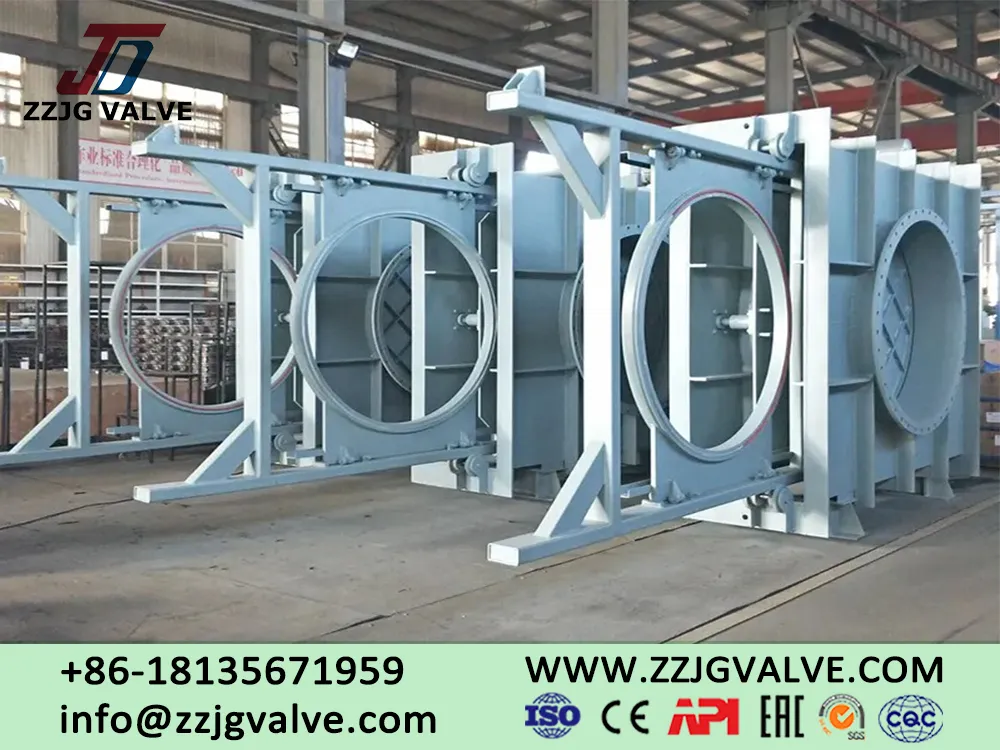
Generally speaking, most failures of blind valve are caused by wear, fouling and lack of maintenance. Daily cleaning, lubrication and sealing inspections should be performed, and opening and closing operations should be standardized. In this way, the failure rate can be greatly reduced, effectively ensuring the safe, continuous and stable operation of pipeline equipment.
Next: Inverted Pressure-Balanced Plug Valve: An Efficient Flow Control Solution for High-Pressure Pipeline Systems
-1.webp)
.jpg)