EN
EN RU
RU ES
ES FR
FR AR
AR IND
IND
How to Choose the Right Butterfly Damper? A Comprehensive Analysis from Structure, Materials to Actuation Methods
Introduction
In industrial ventilation systems, stable airflow control is crucial for ensuring equipment safety, energy conservation, and improved production efficiency. Butterfly dampers are commonly used flow control devices, widely applied in industries such as steel, metallurgy, power generation, cement, chemical processing, and environmental protection.
When selecting a butterfly damper, users need to consider the valve structure, materials used, operating environment, and actuation method. If the damper is not properly selected, the equipment may experience unstable operation, increased maintenance frequency, and reduced system efficiency.
This article mainly introduces several key factors to consider when selecting a butterfly damper.
1. Structural Analysis of Butterfly Damper
A butterfly damper mainly consists of a valve body, discs, stems, sealing components, and an actuator. While standard butterfly valves are primarily used in liquid pipelines, butterfly dampers are mainly designed to control the flow of air and gases. They are typically installed in large ducts and low-pressure ventilation systems.
1.1 Valve Body Design
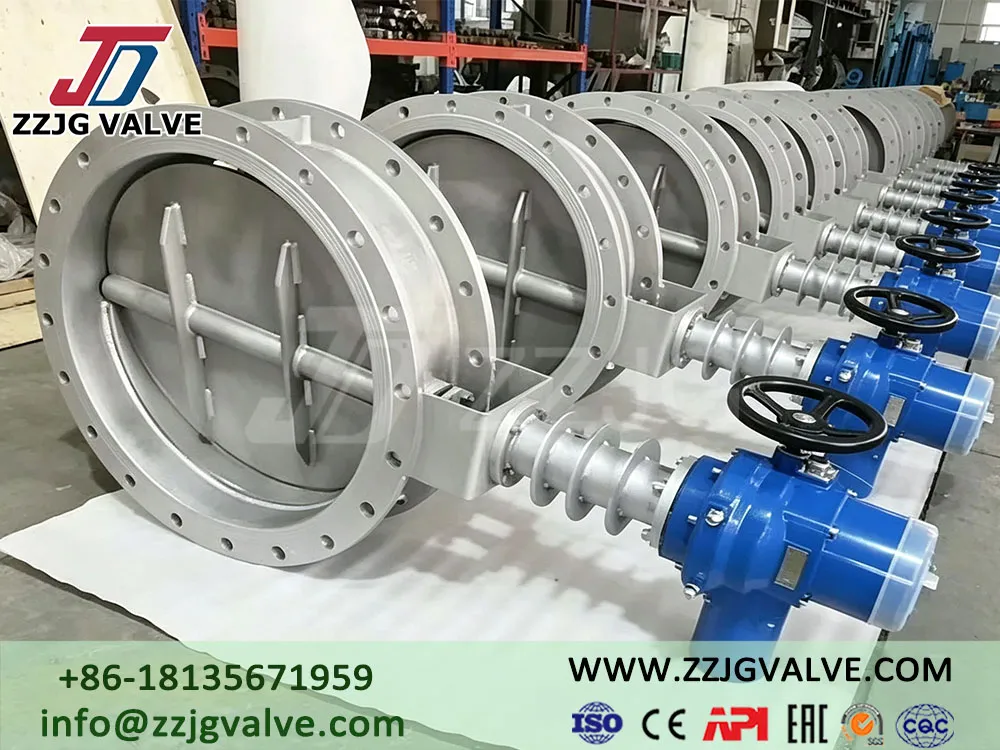
The valve body is a crucial component of the butterfly damper. It supports the valve structure and ensures stable operation of the valve.
Common valve body structures include:
Welded steel structures are lightweight and high in strength, commonly used in large industrial ventilation systems.
Cast steel structures offer good stability and load-bearing capacity, making them suitable for complex working environments.
Custom structures can be designed according to user requirements. For example, large-diameter ducts and special working environments can all be customized.
A well-designed valve body can reduce the impact of vibration and improve the long-term operational stability of the valve.
1.2 Disc Design
The butterfly disc regulates gas flow by rotating. The disc structure affects the valve's airflow resistance and operational performance.
Common butterfly valve disc structures include:
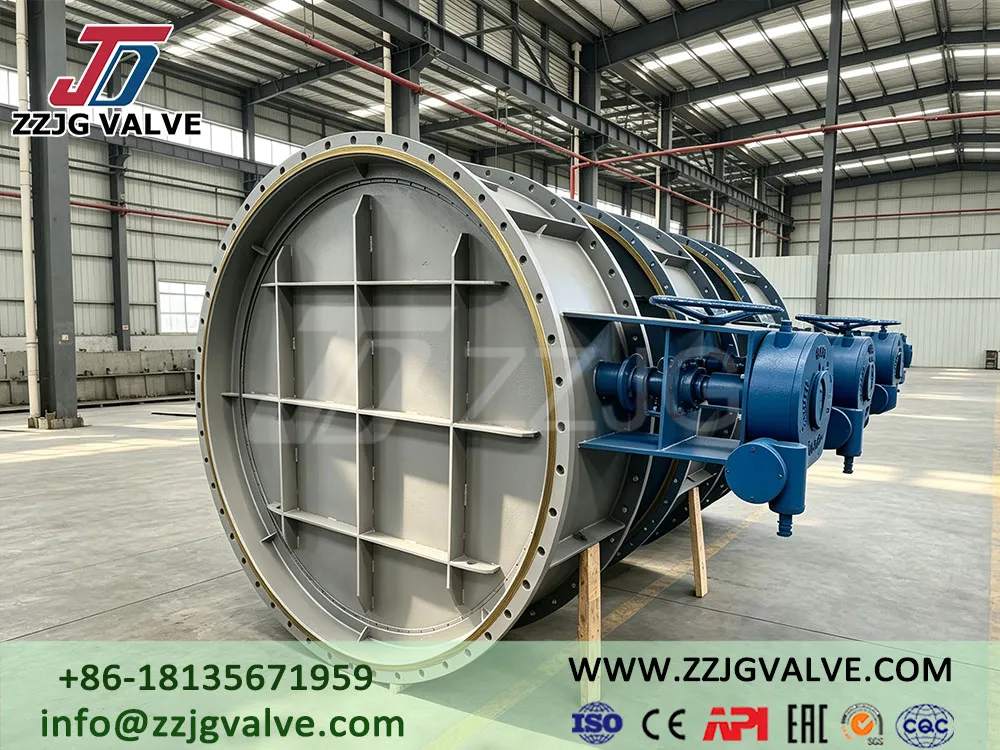
Solid single-piece discs are suitable for general ventilation systems with low temperature and low pressure.
Reinforced or double-wall butterfly discs offer improved strength, reducing deformation in high-temperature environments.
The streamlined butterfly valve disc design reduces airflow resistance and lowers system operating energy consumption.
2. Selecting the Appropriate Valve Material
Valve materials affect the product's service life and performance. When selecting materials, users need to consider operating temperature, gas corrosiveness, and dust conditions.
2.1 Carbon Steel Material
Carbon steel ventilation butterfly valves offer good strength and relatively reasonable pricing.
It is suitable for general industrial environments, such as cement plants, power plants, and typical ventilation systems.
2.2 Stainless Steel Materials
Stainless steel ventilation butterfly valves offer excellent corrosion resistance.
It is suitable for use in highly corrosive environments, such as chemical plants, exhaust gas treatment systems, and damp conditions.
2.3 Material Design for High-Temperature Environments
Some industrial equipment generates high-temperature gases, such as industrial furnaces and heat recovery systems.
Valves in these environments require high-temperature-resistant materials and special structural designs.
Suitable materials can reduce deformation, damage, and sealing issues caused by high temperatures.
3. Selecting the Appropriate Actuation Method
The actuation method determines the operating mode of the butterfly damper and also affects how the valve connects to the control system.
3.1 Manual Drive
Manual butterfly dampers are suitable for working environments that do not require frequent adjustment.
This type of valve has a simple structure, lower cost, and is relatively easy to maintain.
3.2 Electric Drive
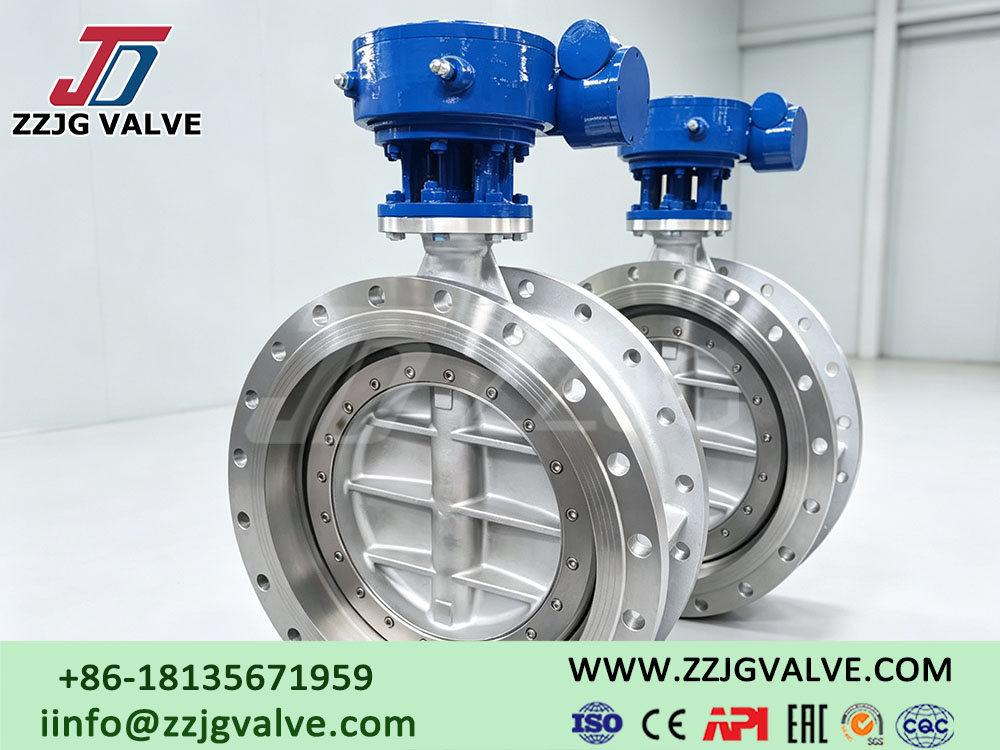
Electric butterfly dampers are widely used in automated industrial systems.
Electric actuators have the following advantages:
- Can be remotely controlled;
- Airflow can be adjusted;
- Can be connected to an automatic control system.
Modern factories and large ventilation systems typically use electric butterfly dampers.
3.3 Pneumatic Actuation
Pneumatic butterfly dampers use compressed air to operate the valve.
Pneumatic actuators feature fast response and stable operation.
It is suitable for industrial environments requiring quick opening, closing, or automatic control.
4. Factors to Consider When Selecting a Butterfly Damper
When selecting a butterfly damper, users should pay attention to the following aspects:
Operating Temperature
Valve materials and structures must meet the actual operating temperature requirements.
If the valve operates in a high-temperature environment for extended periods, users should select heat-resistant products to prevent deformation and leakage.
Flow and Pressure Requirements
Butterfly dampers are typically used in low-pressure systems. However, large ventilation equipment still requires consideration of valve size, airflow volume, and operating resistance.
The appropriate valve size ensures the system operates normally.
Gas Characteristics
Different gas environments impose different requirements on valves.
Corrosive gases, high-concentration dust, and high-humidity environments all affect the selection of valve materials and seals.
Automation Requirements
If the system requires frequent adjustment of airflow, users can choose between electric or pneumatic drive methods.
If the system only requires simple on and off operation, manual butterfly dampers can usually meet the requirements.
Next: Material applications and technological progress for corrosion-resistant butterfly valves in chemical pipelines
-1.webp)
.jpg)