EN
EN RU
RU ES
ES FR
FR AR
AR IND
IND
Material applications and technological progress for corrosion-resistant butterfly valves in chemical pipelines
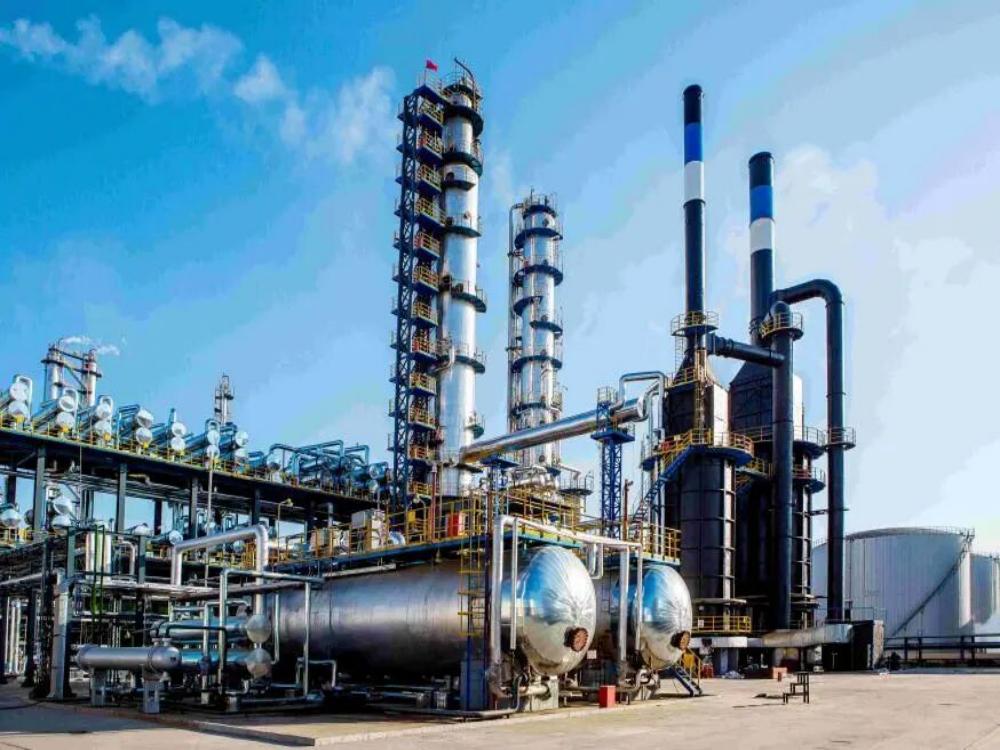
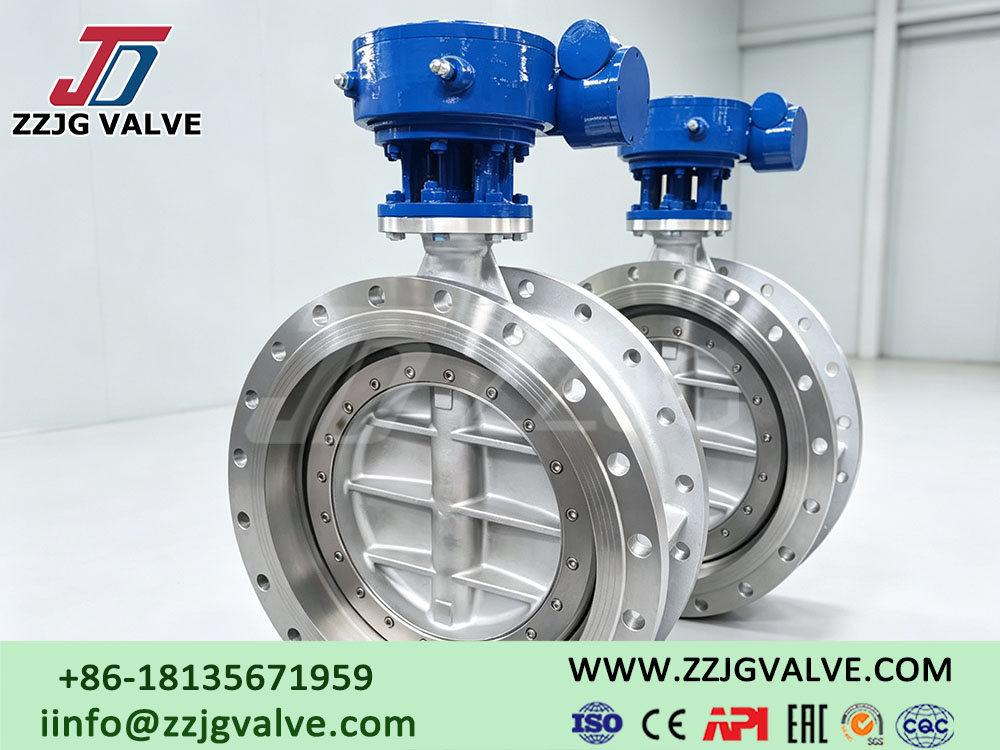
In chemical continuous production systems, pipeline valves are exposed to highly corrosive media such as strong acids, strong alkalis, salt solutions, and high-temperature flue gas for long periods. Equipment corrosion failure easily leads to media leaks, production line shutdowns, and even major safety incidents such as fires and poisoning. Butterfly valves, with their compact structure, low flow resistance, fast opening and closing speed, and excellent flow performance, account for over 40% of applications in chemical fluid pipelines. However, traditional ordinary butterfly valve materials have limited corrosion resistance and are prone to corrosion damage and sealing failure under complex chemical conditions, becoming a weak link in chemical pipeline operation and maintenance. Therefore, advancing the material systems and manufacturing technologies for corrosion-resistant butterfly valves is crucial to ensuring the safe and stable operation of chemical pipeline networks.
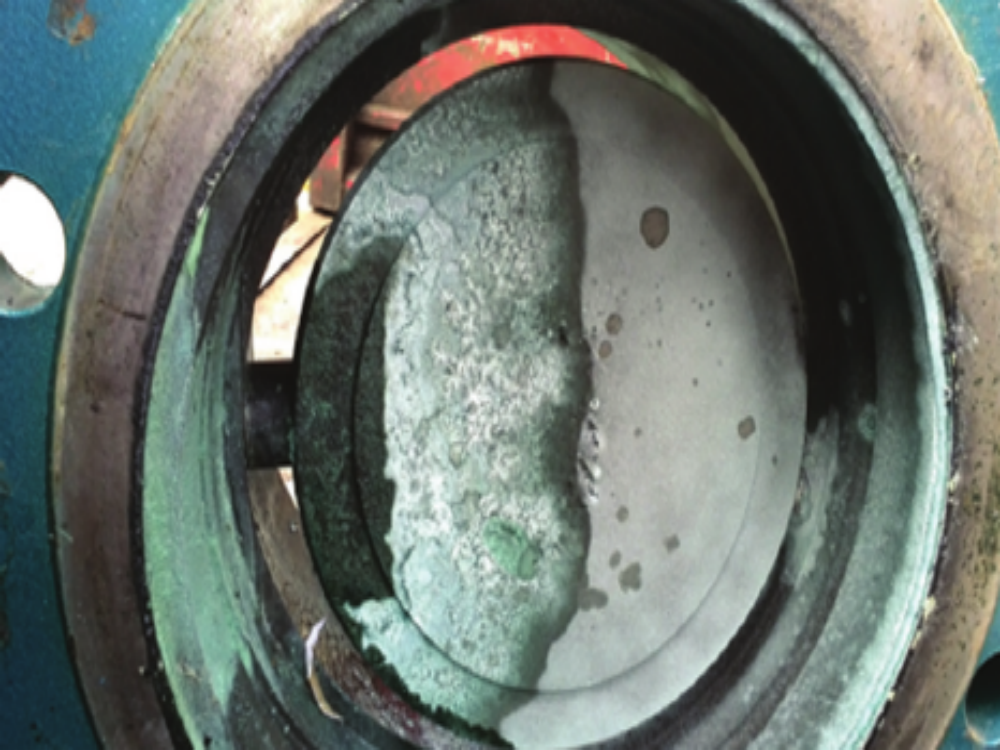
Pitting corrosion is caused by the breakdown of the passivation film on the metal surface, forming local pits that continuously spread inward and penetrate the wall thickness. Crevice corrosion mostly occurs in assembly gaps such as flanges and welds, where medium retention accelerates corrosion in concentration cells. Intergranular corrosion originates from the depletion of chromium at grain boundaries after sensitizing treatment of stainless steel, leading to decreased grain bonding strength. Stress corrosion cracking is the synergistic action of tensile stress and corrosive media, causing brittle cracking of the valve body and butterfly plate. Taking the acid production from copper smelting flue gas as an example, butterfly valves are exposed to 98% concentrated sulfuric acid and 110°C high-temperature media for extended periods. Conventional valves suffer severe corrosion and damage within just 2 to 3 months.
From the failure patterns of butterfly valve components, the valve body is prone to widespread corrosion, leading to reduced wall thickness. The gap between the flange and the weld can easily induce crevice corrosion and intergranular corrosion, leading to medium leakage. The pipeline channel is eroded by high-speed media, making it prone to wear and perforation. The flow velocity at the edge of the disc plate increases sharply, subjecting it to both erosion corrosion and pitting damage, and combined stress concentration easily leads to cracking. The valve stem gap structure is prone to corrosion and fracture in alternating wet and dry electrochemical environments. Sealing rubber and polymer materials are prone to medium swelling, aging, and wear failure.
To address the above corrosion issues, the mainstream industry prevention and control approach is to rely on the characteristics of the medium for precise material selection, optimize valve body structures to reduce gaps and erosion damage, strictly control assembly processes to reduce structural stress, and establish regular maintenance and replacement mechanisms to comprehensively block corrosion chains and extend valve service life.
2. Application of Core Material Systems for Corrosion-Resistant Butterfly Valves
(1) Metal corrosion-resistant materials
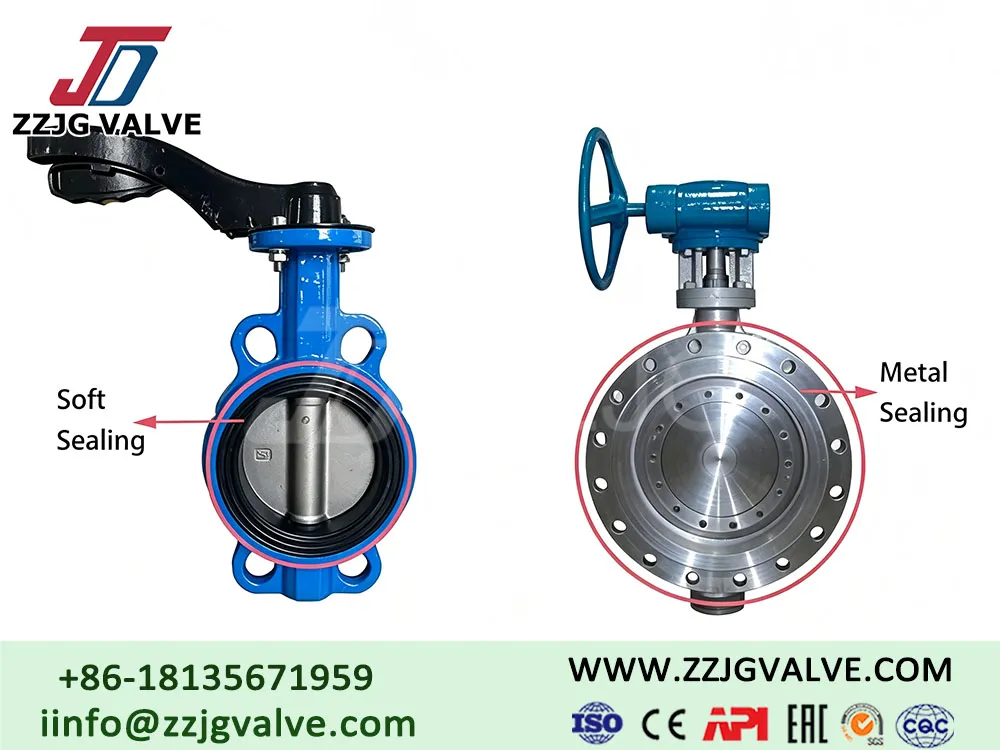
Stainless steel is the most widely used basic corrosion-resistant material for chemical butterfly valves, with 304L, 316L, and duplex stainless steels being the mainstream choices in the industry. Among them, 316L stainless steel has excellent processing performance and strong resistance to acid and alkali corrosion, making it suitable for most medium- and low-temperature chemical corrosion conditions. Combined with flexible graphite layered sealing technology, it effectively enhances high-temperature resistance and corrosion resistance. Duplex stainless steel combines high strength with excellent resistance to chloride ion corrosion, perfectly adapting to working conditions involving salt and chlorine-containing chemical media, and its performance surpasses that of traditional austenitic stainless steel.
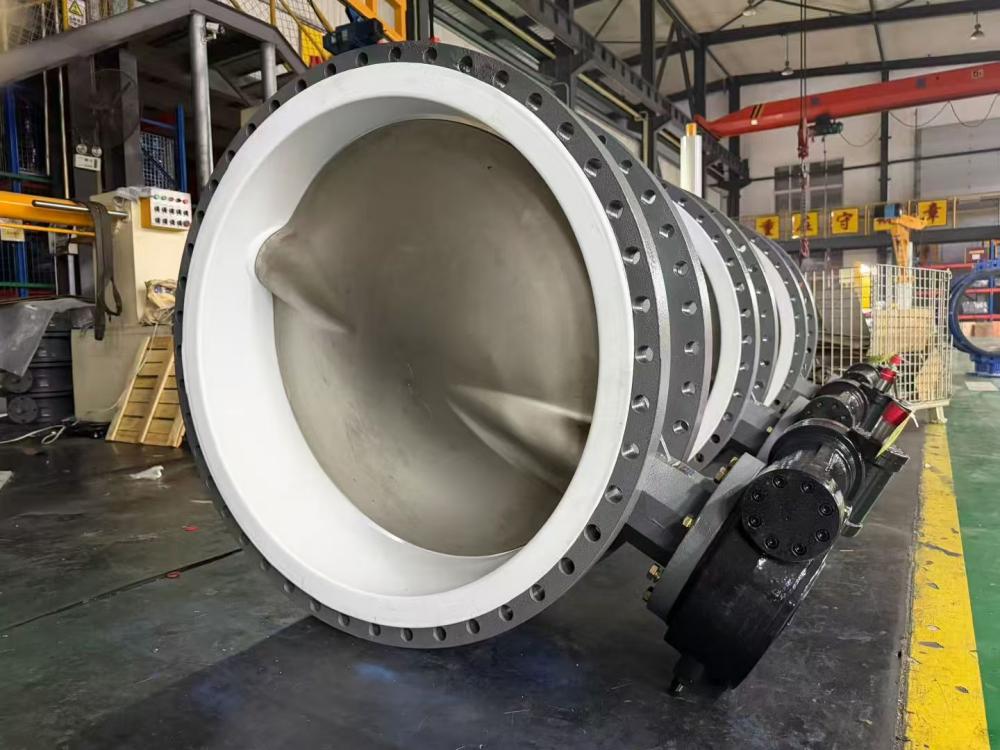
For extreme corrosive conditions such as strong acids, strong alkalis, and high temperature and high pressure, ordinary stainless steel performance cannot meet the requirements, so special alloy materials such as nickel-based alloys, titanium alloys, and Monel must be selected. These alloy materials have stable microstructures, outstanding high-temperature resistance, corrosion resistance, and creep resistance, and can adapt to various harsh chemical process conditions. They are the core materials for high-end corrosion-resistant butterfly valves, offering overwhelming advantages in working conditions compared to carbon steel and ordinary stainless steel.
(2) Nonmetals and Composite Materials
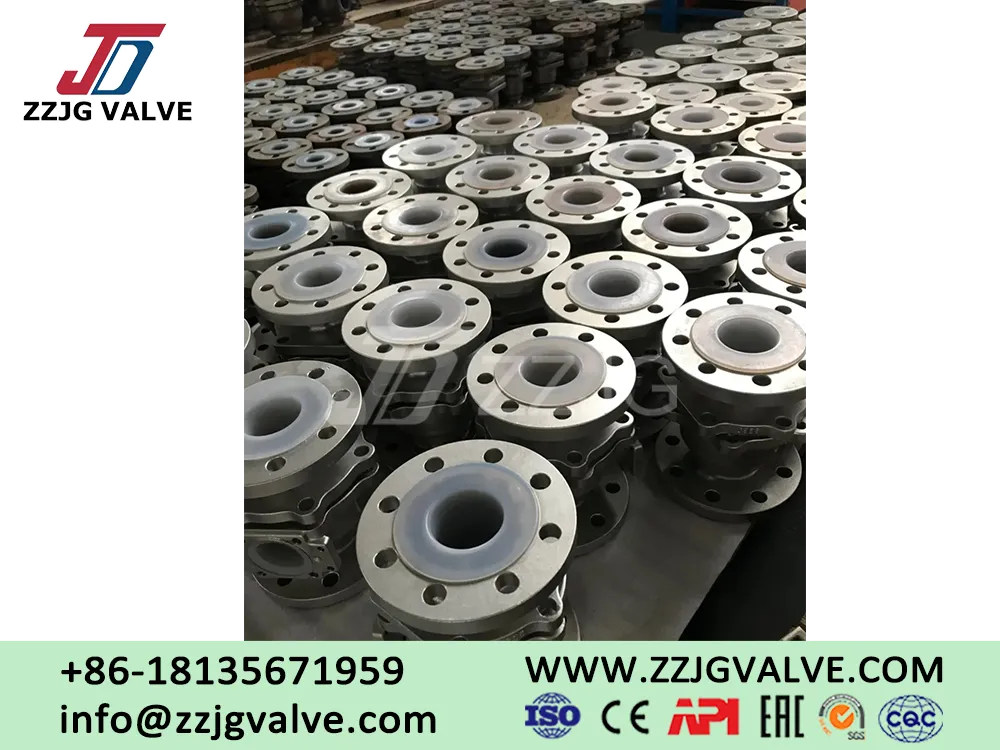
Non-metallic materials, with their excellent resistance to acid and alkali corrosion, are widely used in butterfly valve linings and sealing structures. Fluoroplastics (PTFE, PFA) have extremely strong chemical corrosion resistance, are suitable for almost all chemical media, and are core materials for butterfly valve linings and seals. General polymer materials such as PP and PE offer high cost-effectiveness and are suitable for medium- and low-pressure room-temperature corrosion conditions, with PP having superior structural strength. PEEK special engineering plastics are resistant to high temperatures and wear, making them suitable for medium- and high-temperature corrosion conditions.
All-plastic butterfly valves are gradually becoming popular due to their lightweight nature and high corrosion resistance, making them suitable for corrosion-resistant pipelines in small and medium-sized chemical industries. For rubber elastomers, materials such as EPDM and nitrile rubber are suitable for sealing requirements under conventional operating conditions. At the same time, metal-based coated composites and ceramic-based corrosion-resistant composites are rapidly iterating. Ceramic linings are heat-resistant, erosion-resistant, and highly corrosion-resistant, specifically addressing the challenges of high-temperature wear and corrosion composite conditions.
3. Advances in Advanced Manufacturing Technology for Corrosion-Resistant Butterfly Valves
(1) Surface protection treatment technology
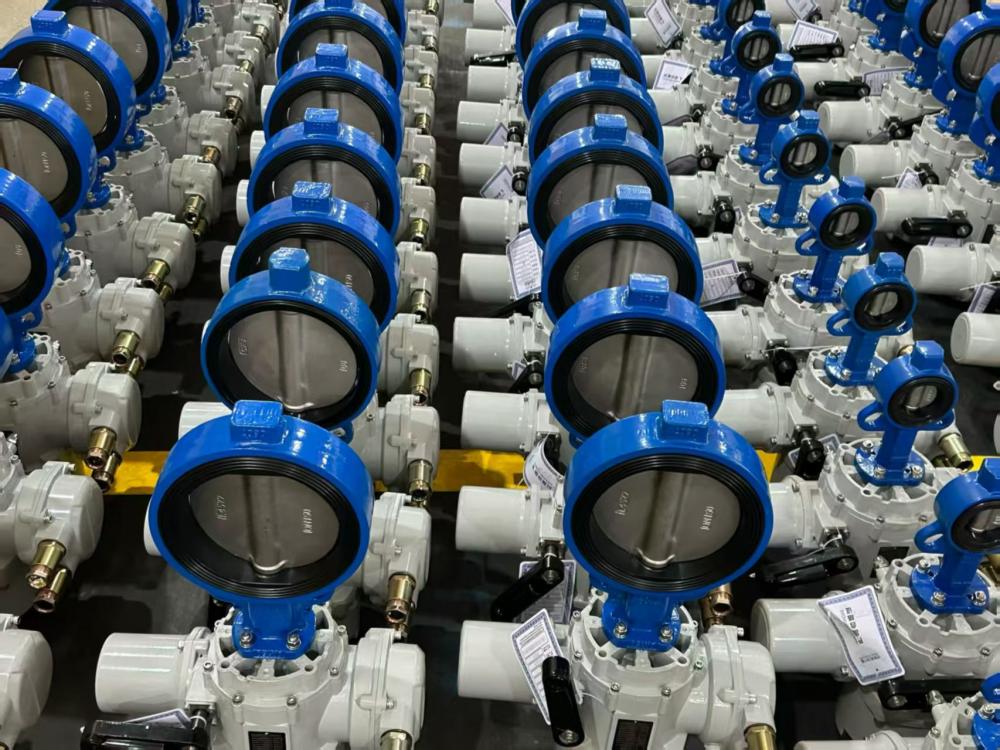
Surface treatment is a core process that improves butterfly valve corrosion resistance with low cost and high efficiency. For organic coatings, epoxy resin and polyurethane coatings can be applied at room temperature, making them suitable for large butterfly valves and complex on-site construction environments. The coatings have excellent flexibility, can accommodate slight deformation during valve opening and closing, and effectively isolate corrosive media. Metal protection processes include electroplating, thermal spraying, laser cladding, etc., which form a dense metal protective layer on the valve body surface to greatly enhance corrosion resistance, wear resistance, and high-temperature resistance.
Lining technology is becoming increasingly mature; rubber liners offer excellent sealing and are suitable for conventional working conditions; fluoroplastic liners are highly versatile; ceramic liners specialize in extreme conditions involving high temperatures, severe corrosion, and high wear. Chemical conversion film technology generates a dense protective film on metal surfaces through phosphating, passivation, and anodizing processes: phosphating enhances metal coating adhesion and rust resistance; stainless steel passivation can repair defects in the passivation film and enhance resistance to pitting and crevice corrosion; anodizing aluminum alloys can significantly improve wear and corrosion resistance, making them suitable for lightweight valve fittings.
Surface protection technology can effectively compensate for substrate corrosion resistance shortcomings and optimize equipment performance, but there are still certain limitations: high-end coating processes are complex and costly, some coatings have weak impact and high-temperature resistance, making them prone to peeling and damage, and some traditional processes face environmental protection pressures.
(2) Material Composite and Modification Technology
Alloy modification is a fundamental method to improve metal corrosion resistance. By adding alloying elements such as chromium, nickel, and molybdenum to the steel matrix, the metal microstructure can be optimized, forming a stable and dense passivation protective film, thereby significantly enhancing the material's corrosion and oxidation resistance. With the iteration of material technology, nanocomposite modification technology is gradually being applied in valve manufacturing. By uniformly mixing nanoparticles and nanofibers into the base material, the mechanical strength, wear resistance, and corrosion resistance of butterfly valve substrates can be simultaneously improved.
Currently, material modification technology has achieved refined control, allowing targeted matching of alloy composition, heat treatment processes, and modification schemes according to the temperature, pressure, and media properties of chemical conditions. This balances product corrosion resistance, processing performance, and production costs, maximizing adaptability to various complex chemical conditions.
The corrosion failure problem of butterfly valves in chemical pipelines results from the coupling of multiple factors such as medium characteristics, material properties, structural design, and operating conditions. As production conditions in the chemical industry become increasingly stringent, traditional single-material and conventional protective processes can no longer meet the demands for high-end corrosion protection. Currently, corrosion-resistant butterfly valve technology has formed an integrated system of precise material selection, structural optimization, surface protection, and material modification. From ordinary stainless steel and non-metallic materials to iterative upgrades of special alloys and nanocomposites, and the practical application of various advanced surface treatment processes, the corrosion resistance, wear resistance, and high-temperature resistance of chemical butterfly valves have been comprehensively improved. In the future, with continuous breakthroughs in new material technology and precision manufacturing processes, corrosion-resistant butterfly valves will be upgraded toward high compatibility, long lifespan, low cost, green environmental protection, and intelligence, providing solid equipment and technical support for safe production, efficient operation and maintenance, and cost reduction and efficiency improvement in the chemical industry.
Next: Industrial Application Analysis: The Actual Performance of Blind Valves in Key Domains
-1.webp)
.jpg)