EN
EN RU
RU ES
ES FR
FR AR
AR IND
IND
Common Faults of Blind Valves: Loose Sealing and Air Leakage, Switching Sticking, Insufficient Driving Force and Limit Failure
Blind valves serve as key safety switches in industrial pipelines for metallurgy, chemical processing and other industries. When operating in harsh working environments for a long time, they are prone to four types of common faults.
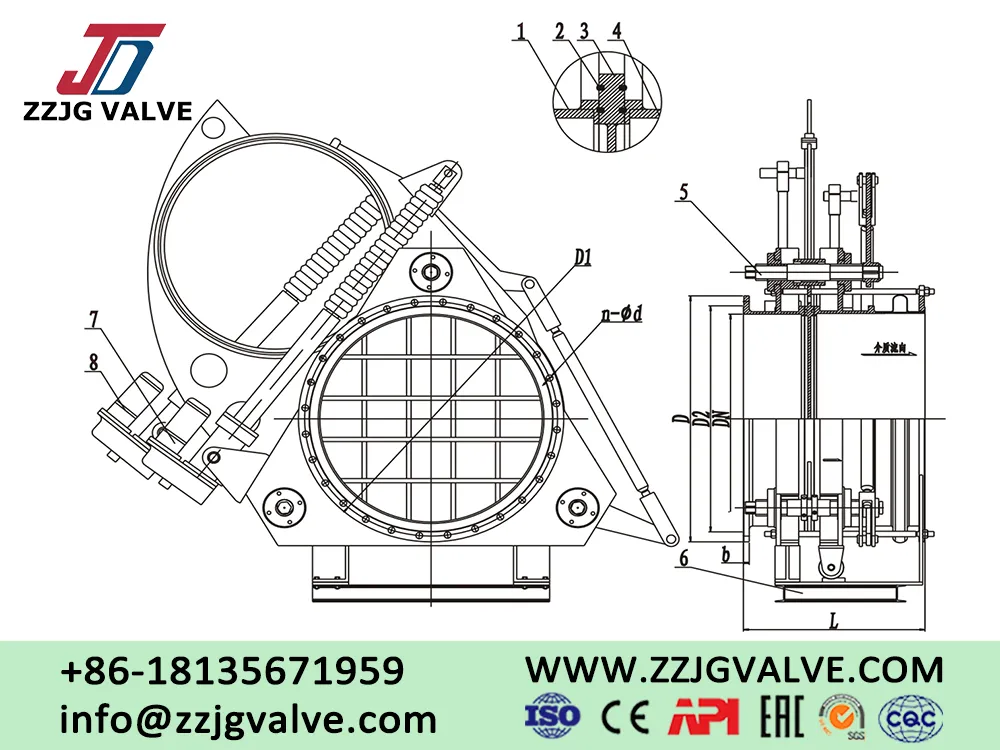
1. Loose Sealing and Leakage
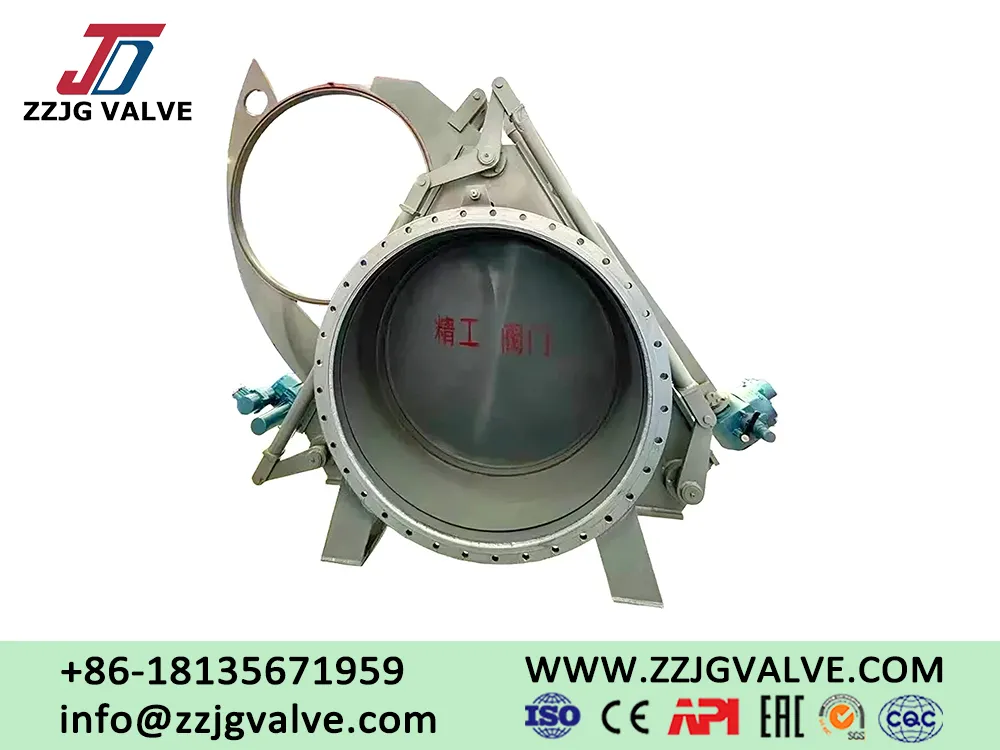
This is the most common safety hazard. The valve still leaks medium after full closure. The fault mainly stems from two reasons. First, the sealing gasket may age, harden or be improperly selected. It will lose elasticity and basic sealing ability. Second, the sealing surface may be damaged. Mechanical scratches or erosion by medium particles will form grooves on the sealing surface, which eventually cause medium leakage.
2. Switching Sticking and Jamming
Sticky and unsmooth valve opening and closing are mostly related to the drive mechanism. For pneumatic and hydraulic blind valves, impurities easily block the air passage and corrode the cylinder wall. Transmission gears will generate large operating resistance due to oil shortage, dust accumulation or over-tight meshing. Besides, dust and solid particles in the medium will scratch the sealing surface, causing rigid extrusion and jamming during valve operation.
3. Insufficient Driving Force
Failure to push the valve normally is usually caused by damaged power systems. Worn seals of air cylinders or hydraulic cylinders will lead to internal leakage, resulting in a sharp drop in driving force. For electric valves, unprotected motors are easy to burn out or malfunction. In addition, excessive pressure deviation of the linkage mechanism and deformed connecting rods will also cause insufficient driving power.
4. Limit Mechanism Failure
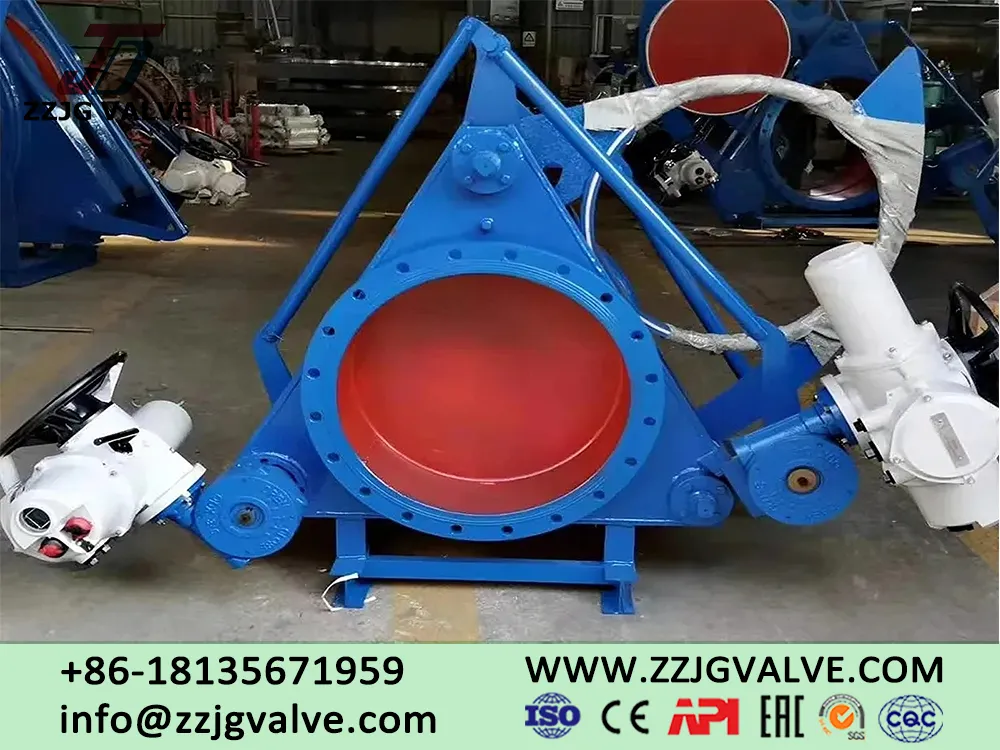
The limit mechanism guarantees accurate opening and closing of the valve. Limit failure is reflected by the valve plate failing to open or close in place. It is generally caused by incorrect commissioning of limit switches or ablated contacts, which leads to signal delay. Mismatch between the drive stroke and valve body opening range will also cause position deviation. Once the limit fails, over-displacement and even equipment damage are highly likely to occur.
The stable performance of blind valves is vital to industrial production safety. Enterprises shall establish strict daily inspection and maintenance systems, standardize operating procedures, and avoid sudden equipment faults from the source.
Next: How to Choose the Right Butterfly Damper? A Comprehensive Analysis from Structure, Materials to Actuation Methods
-1.webp)
.jpg)