EN
EN RU
RU ES
ES FR
FR AR
AR IND
IND
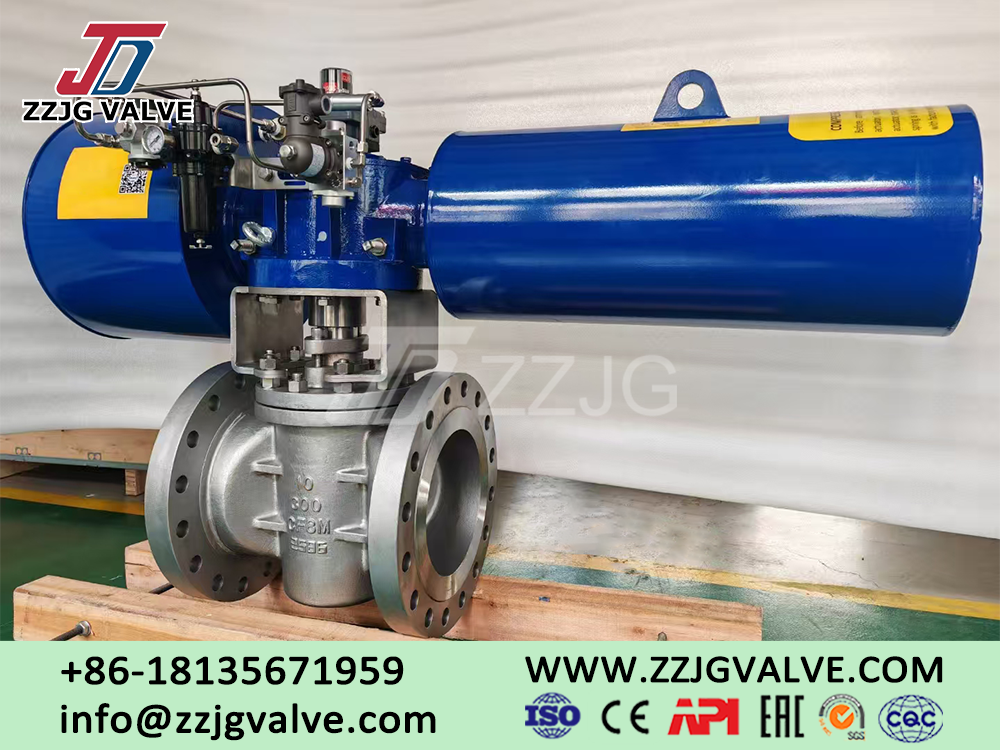
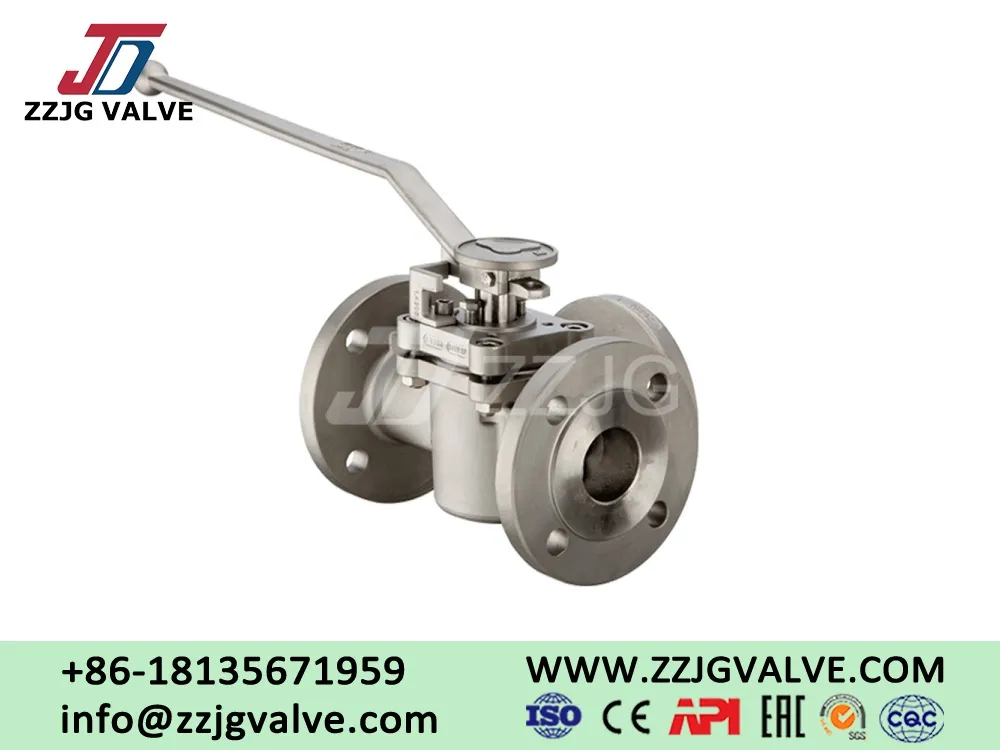
Global Plug Valve Design, Manufacturing and Acceptance Standards Explanation
The design, manufacturing and acceptance of plug valves mainly follow three standard systems: American Standard (API/ASME), German Standard (DIN) and Chinese Standard (GB/JB). These three standards cannot be substituted for each other and are mostly used in different markets and projects.
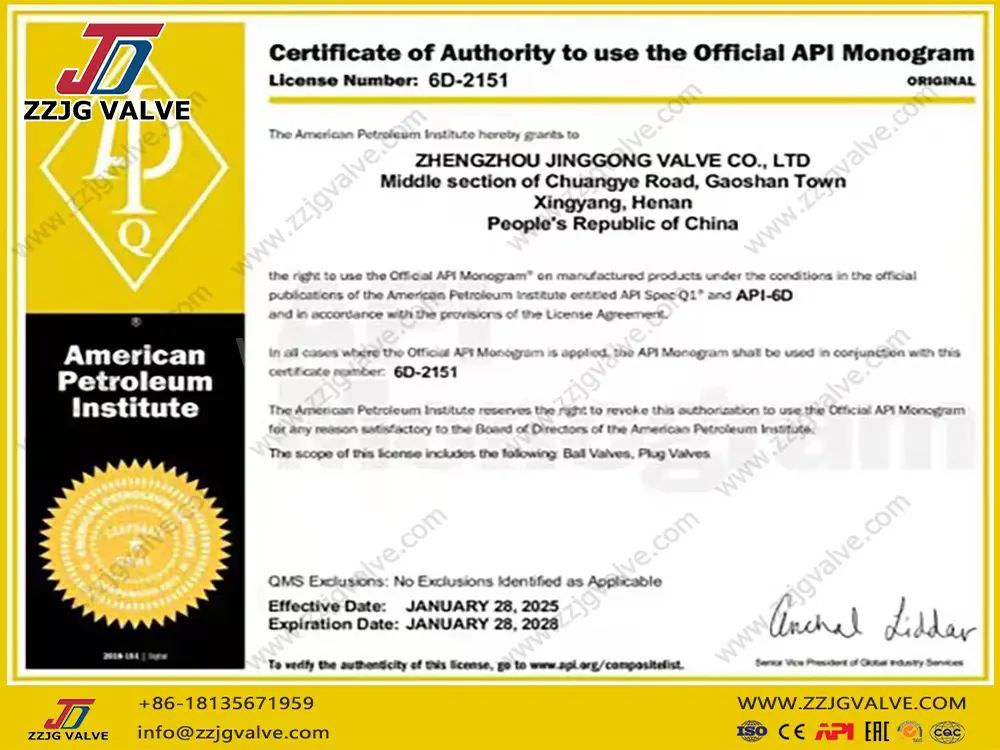
American Standard System
The American standard system is the most commonly used standard for global oil, gas and petrochemical projects.
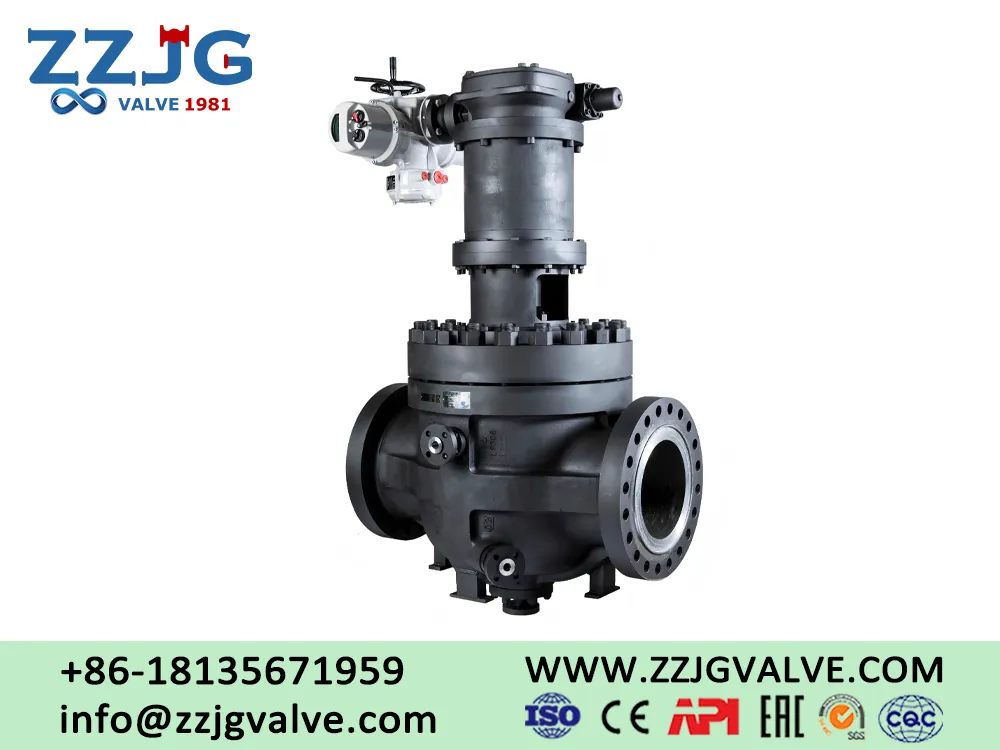
Design and manufacturing: The key standards are API 599 and API 6D.
API 599 covers cast steel plug valves with flanged or butt-weld ends, used in general industrial service.
API 6D is for pipeline systems, with stricter requirements for fire safety and double block and bleed (DBB) performance in high-pressure, long-distance transmission.
Face-to-face and flanges:
ASME B16.10 defines valve face-to-face dimensions.
ASME B16.5 (sizes ≤24 inches) and ASME B16.47 (sizes ≥26 inches) set flange dimensions, so valves from different makers can be interchangeable.
Pressure ratings:
Marked as Class 150, 300, 600 up to Class 2500.
Each rating matches specific pressure-temperature values, supporting design for high-temperature and high-pressure conditions.
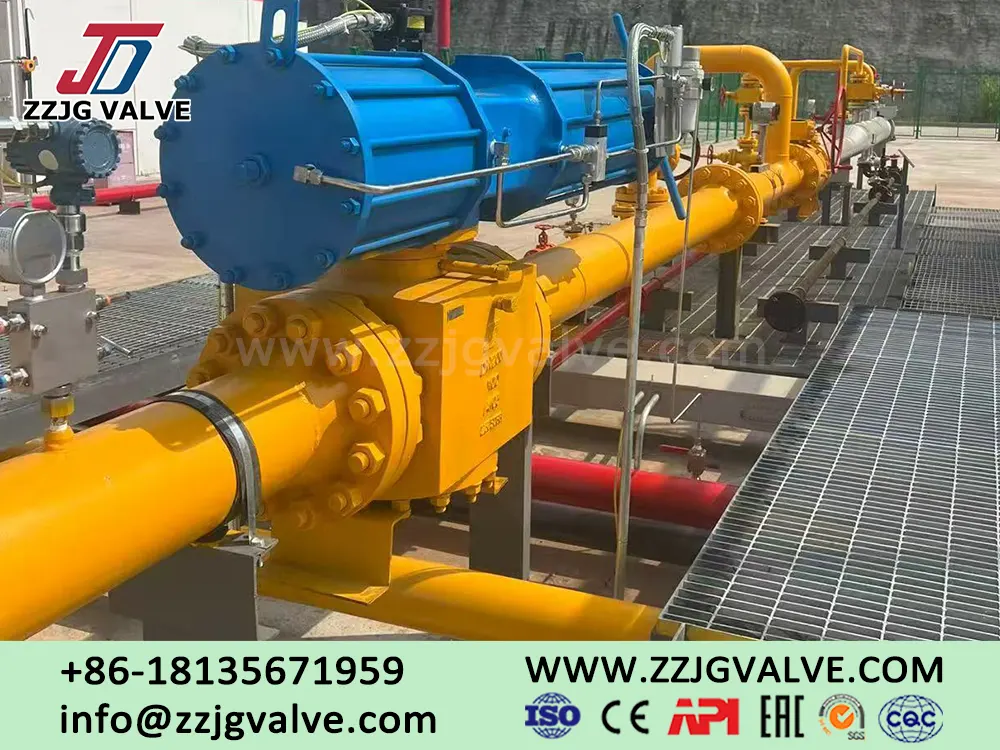
German Standard System
German-standard plug valves are widely used in Europe and in projects following German design concepts. They feature standardized dimensions and reliable performance. In actual production, a combined set of standards is commonly applied:
Face-to-face dimensions follow DIN 3202-F1, flange dimensions comply with DIN 2543 to DIN 2549, and core design and sealing performance refer to API 599. This combination meets European installation requirements while ensuring reliable sealing.
Specialized standards: DIN 3529 applies to threaded-end plug valves for gas installations, and DIN 3230 is the general standard for valve testing and inspection, ensuring standardized product quality checks.
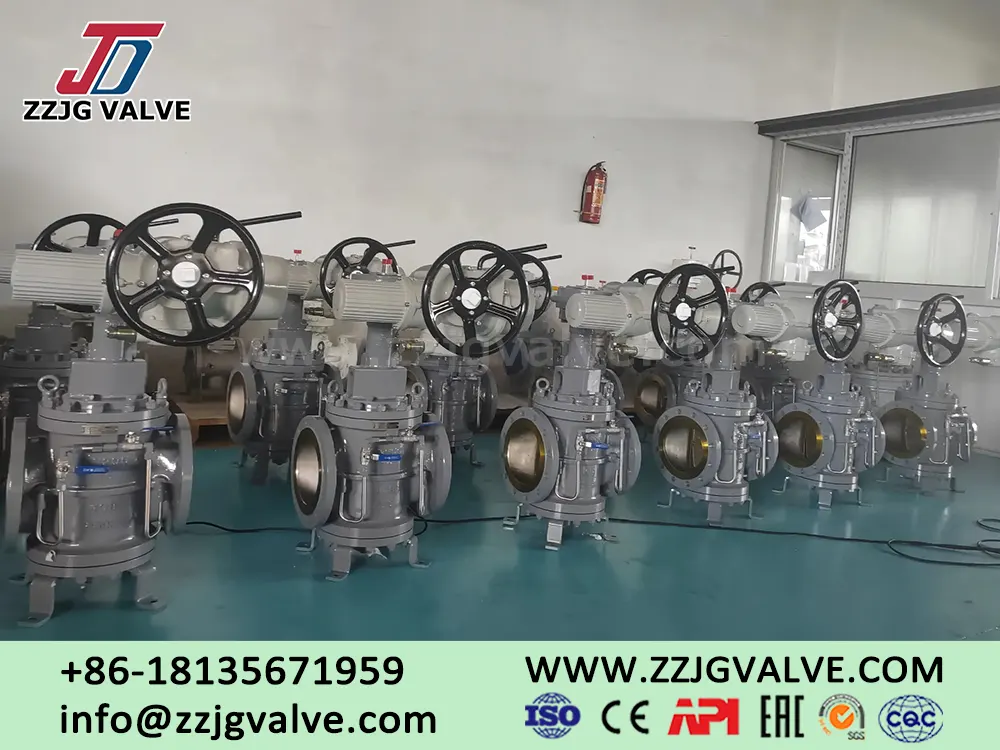
National Standard System
As China’s manufacturing industry develops, the Chinese national standard system is gradually aligning with international standards.
General standards:
GB/T 12240 specifies technical requirements for iron plug valves, suitable for ordinary working conditions.
GB/T 12221 defines face-to-face dimensions, and GB/T 9113 defines flange dimensions.
These are largely compatible with American and German standards.
Upgraded industry standards:
JB/T 11152-2025 Metal-Sealed Lift Plug Valve is developed to meet advanced international levels.
Its pressure range covers PN16 to PN250 and Class 150 to Class 1500.
It supports the use of domestic high-end valves as replacements for imported ones.
Selection Considerations for Plug Valves
Understanding the standards is the foundation. However, actual selection also requires a comprehensive judgment based on the working conditions.
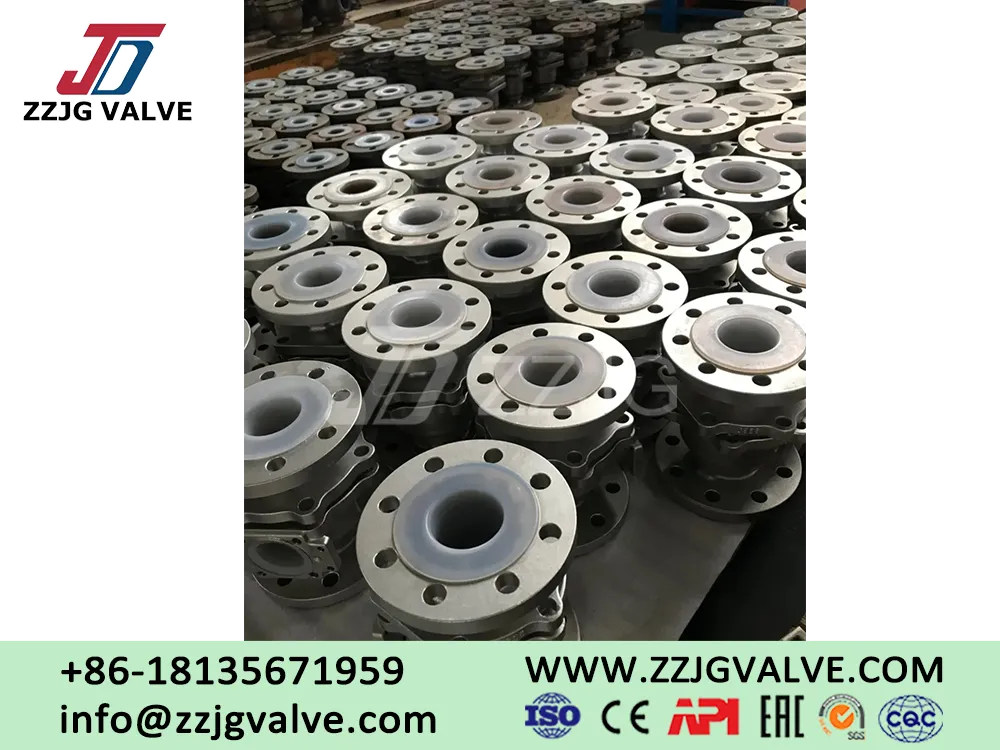
- Selecting based on the medium: For highly corrosive media, it is recommended to choose the national standard or German standard fluoroplastic plug valves; for high-pressure and oil-gas working conditions, select the oil-sealed or pressure-balanced metal-sealed plug valves that comply with API 6D standards.
- Verify the pressure-temperature rating: The pressure-bearing capacity of the valve decreases with the increase in temperature. During selection, it is necessary to refer to the rated parameters in standards such as ASME B16.34 and EN 12516 to ensure the safety of the working conditions.
- Confirm the structural length and connection method: The structural lengths in DIN 3202 and ASME B16.10 are different. Before mixing and using them, carefully check the dimensions to avoid installation mismatches at the site.
This article is compiled based on current and latest industry standards such as API, ASME, DIN, GB/JB, etc., and is intended solely for the reference of professional technicians.
When choosing a plug valve, it is crucial to clearly define the applicable standard system of the project, the operating conditions, and the installation dimensions. In practical applications, problems such as mixed use of standards, special operating conditions, and mismatch of parameters are quite common.
If you have any questions about plug valve selection or standard application, feel free to contact us anytime. We have long focused on plug valve production and have rich experience in American-standard, German-standard and Chinese-standard product lines.
Next: Triple Offset Graphite Metal Seal Butterfly Valve
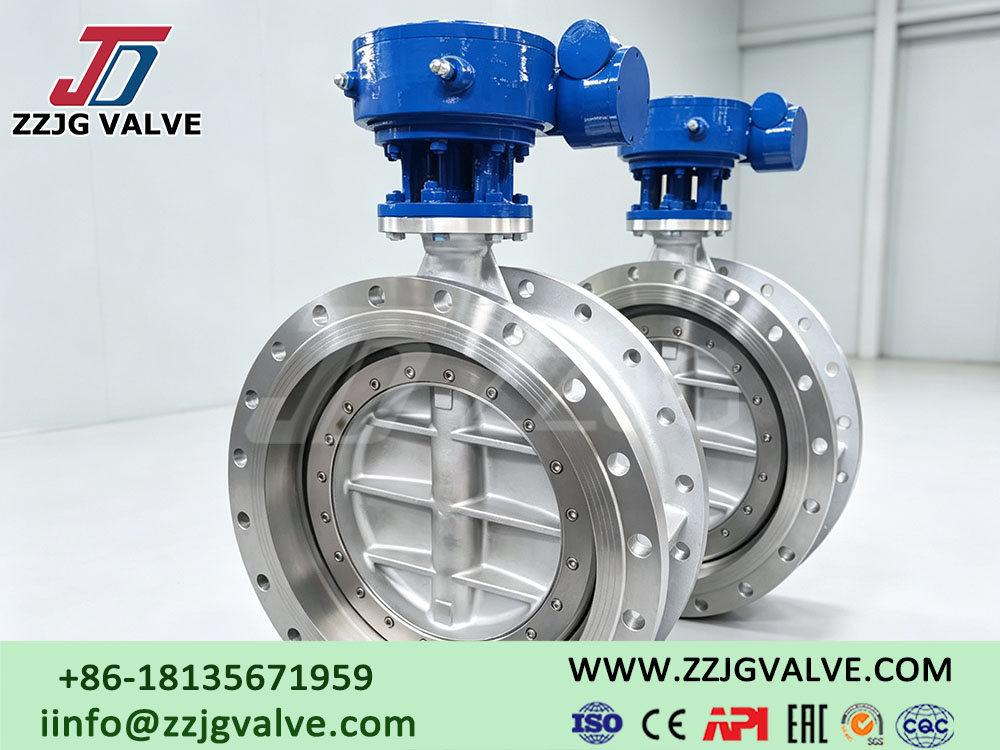
-1.webp)
.jpg)