EN
EN RU
RU ES
ES FR
FR AR
AR IND
IND
Why Are Cheaper Valves Often More Expensive? — A Life Cycle Cost Analysis Of Plug Valves
Many customers prioritize price when purchasing plug valves, believing that cheaper valves will save on procurement costs. However, in actual use, they find that those seemingly cheaper valves actually lead to higher expenses. In fact, when choosing plug valves, it's crucial to consider the "purchase price" and the "life cycle cost," which is the key to truly saving money for businesses.
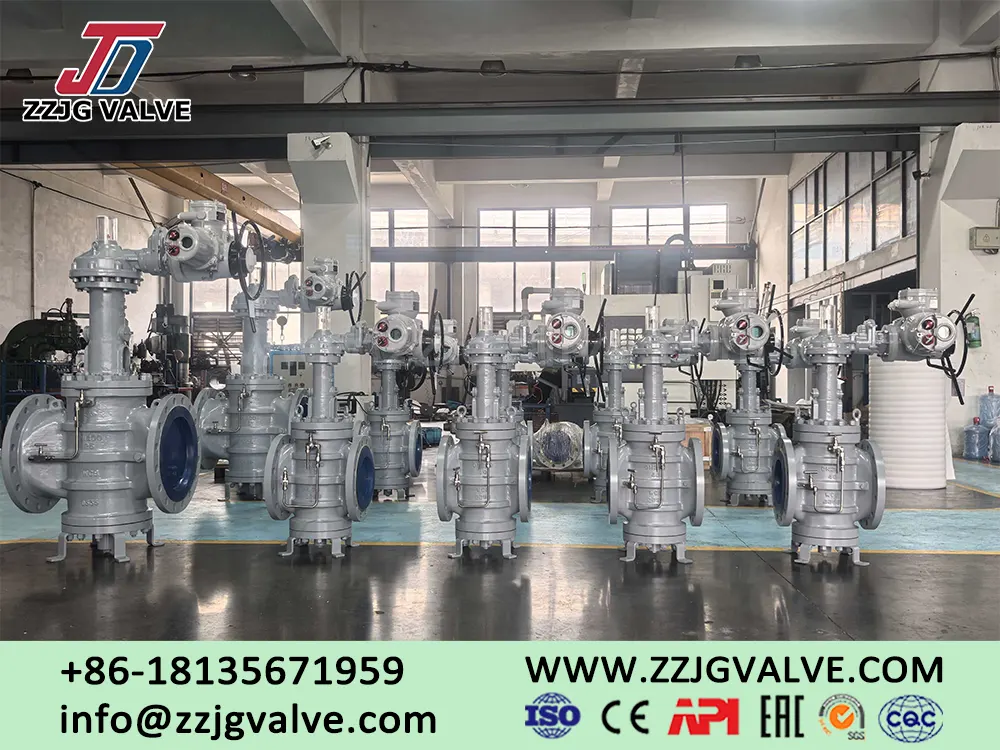
The life cycle cost of a plug valve, simply put, is all the money spent from purchase to its eventual scrapping, including the purchase price, installation fees, maintenance fees, downtime losses, and replacement costs. The "pitfalls" of cheap valves lie precisely in these subsequent costs.
Firstly, the low purchase price of cheap plug valves is primarily due to cost-cutting measures in materials and manufacturing processes, but these cost-cutting measures are not immediately apparent. Many small manufacturers use substandard materials, even if they meet the required standards, to pass off inferior products.
For example, instead of using the highly corrosion-resistant 316L stainless steel, they might use the cheaper, less corrosion-resistant 201 stainless steel. The difference is almost indistinguishable in appearance, yet this saves on material costs. Sealing surfaces are simply ground without hardening treatment, and crucial pressure and sealing tests are often omitted. Such plug valves may work fine initially, but problems will soon arise—poor sealing leads to media leakage, valve core jamming prevents opening and closing, and even valve body corrosion and perforation.
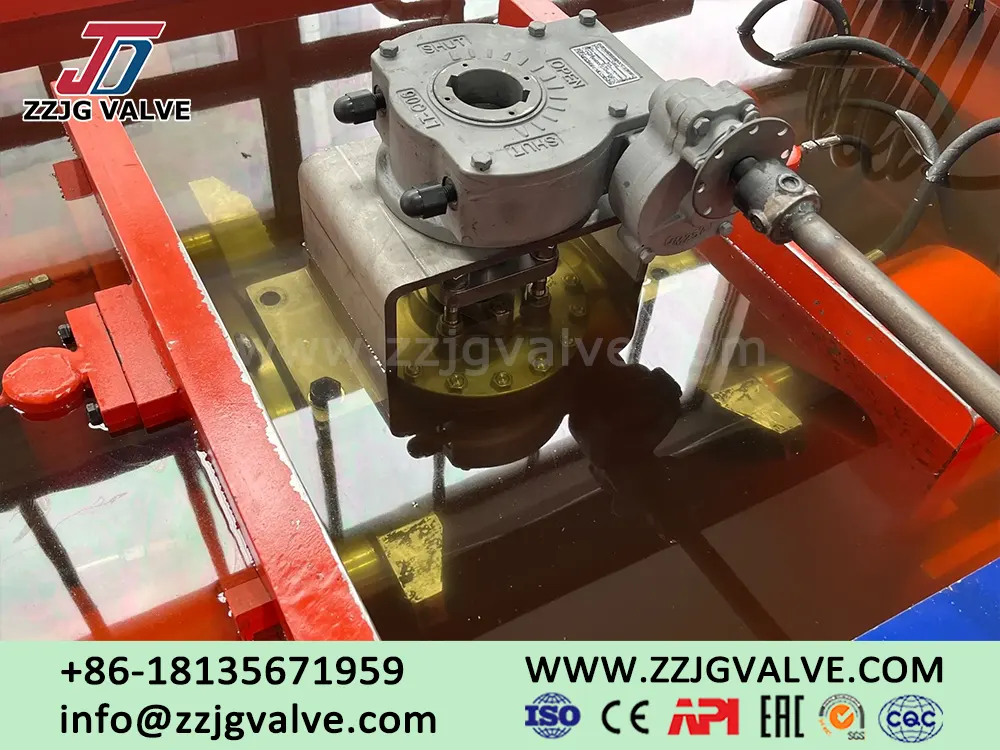
The losses from these problems far outweigh the initial cost savings. For instance, in chemical and lithium battery industries, media leakage not only wastes raw materials but can also create safety hazards and even lead to environmental penalties; valve core jamming causes unplanned production line shutdowns, resulting in daily losses of millions of yuan. Meanwhile, ordinary, inexpensive valves may fail every 1-3 months on average, requiring extremely frequent maintenance.
In contrast, while high-quality plug valves, though slightly more expensive initially, have a greater investment in materials and manufacturing processes, resulting in more significant advantages that fully justify the higher initial cost.
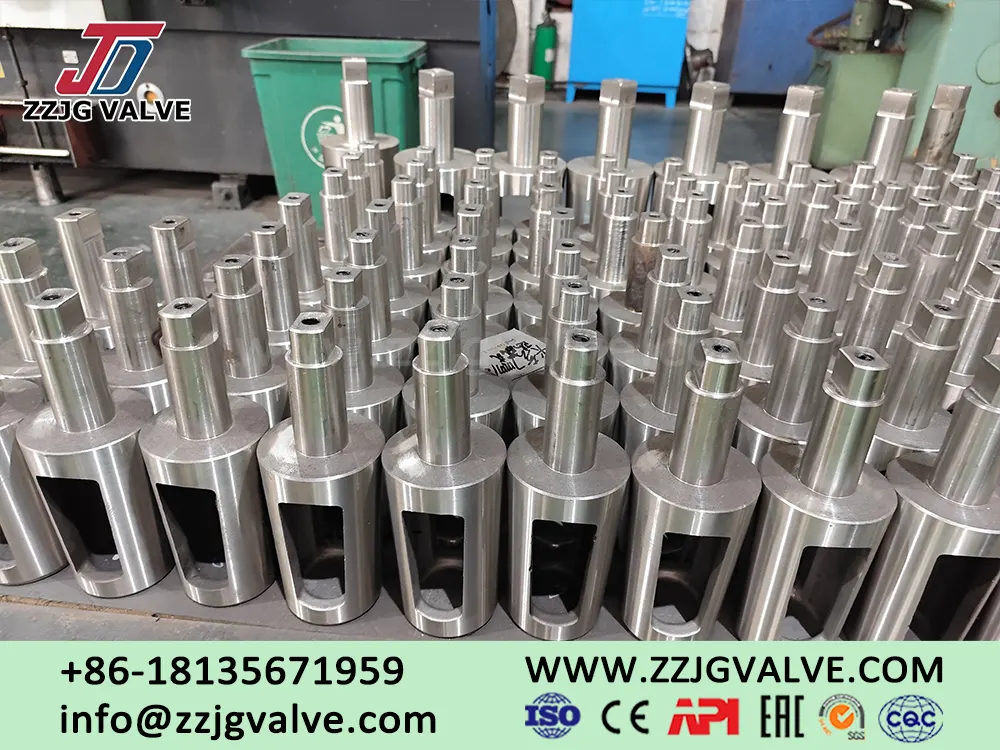
Regarding materials, high-quality plug valves select appropriate high-grade materials for different operating conditions. For example, in highly corrosive environments such as chemical plants and those exposed to acids and alkalis, they utilize highly corrosion-resistant 316L stainless steel or Hastelloy alloys, ensuring they won't corrode or perforate even after prolonged contact with corrosive media. For ordinary operating conditions, high-strength carbon steel is used to ensure the valve body is pressure-resistant, wear-resistant, and not easily deformed.
In terms of manufacturing processes, not only are special treatments such as hardening and polishing applied to the sealing surfaces to improve sealing performance, but they also undergo rigorous pressure testing, sealing testing, and leakage testing, among other inspections, to ensure that every valve leaves the factory meeting standards.
In addition, high-quality plug valves feature a more rational valve core design, employing precision machining processes for smooth operation and reducing the likelihood of jamming or sticking. They require minimal maintenance, needing only simple checks. Furthermore, their sealing performance is more stable, achieving long-term zero leakage, thus avoiding material waste and eliminating safety hazards and environmental penalties caused by leaks.
More importantly, high-quality plug valves have a significantly longer lifespan than cheaper valves. Under normal maintenance, high-quality plug valves can operate stably for 1-3 years or even longer, with some high-end models suitable for specific operating conditions reaching a lifespan of over 5 years. Cheap valves, on the other hand, often experience various malfunctions after only six months to a year, requiring frequent replacements.
Let's do the math: Assuming a cheap plug valve costs 100 US dollars and needs replacement every 6 months, the annual maintenance and replacement cost exceeds 380 US dollars, not including downtime losses. A high-quality plug valve costs 200 US dollars and can operate stably for 2 years or more, with an average annual cost of only 100 US dollars, and virtually no downtime losses, additional maintenance costs or raw material waste, saving a lot of expenses in the long run.
For businesses, the core value of plug valves lies in ensuring stable and safe production, not simply in saving on procurement costs. Cheap valves may seem "economical," but in reality, they trade short-term price advantages for high-frequency failures, frequent replacements, and potential risks. Instead of repeatedly paying for the failures of cheap valves, it's better to invest once in a high-quality plug valve. From a life-cycle perspective, this is more cost-effective and worry-free.
Here are two practical tips to help you avoid pitfalls:
First, when purchasing, don't just look at the price; ask about material standards and quality inspection reports to confirm whether the valve meets your specific operating requirements (e.g., in chemical applications, prioritize corrosion-resistant materials).
Second, when calculating costs, be sure to include hidden costs such as downtime losses, maintenance labor, and material waste to avoid losing more than you gain.
In fact, the "expensive" price of a high-quality plug valve represents a one-time investment, but it brings long-term stability and peace of mind; while the "savings" of cheap valves are short-term, with hidden costs often doubling in the long run. Choosing the right plug valve can not only reduce total lifecycle costs but also minimize potential production risks, saving businesses unnecessary trouble.
To learn more or discuss your needs, contact ZZJG PLUG VALVE today.
Next: Cryogenic Plug Valve Selection In LNG Receiving Terminals
-1.webp)
.jpg)