EN
EN RU
RU ES
ES FR
FR AR
AR IND
IND
How to Choose a Butterfly Valve: Concentric vs Double Offset vs Triple Offset Explained
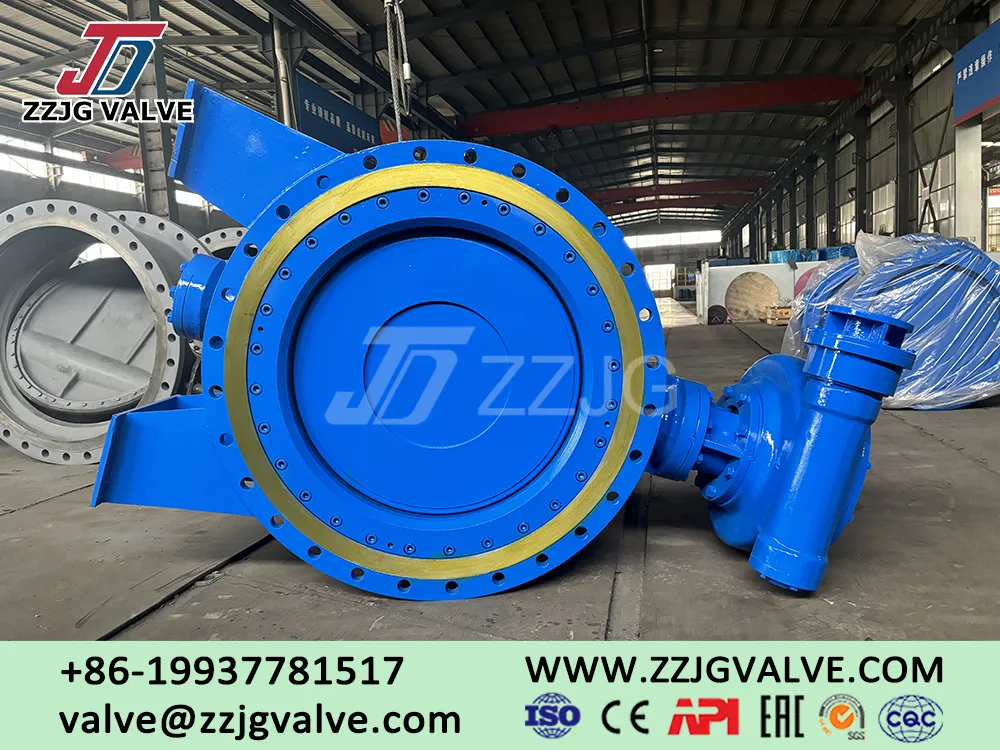
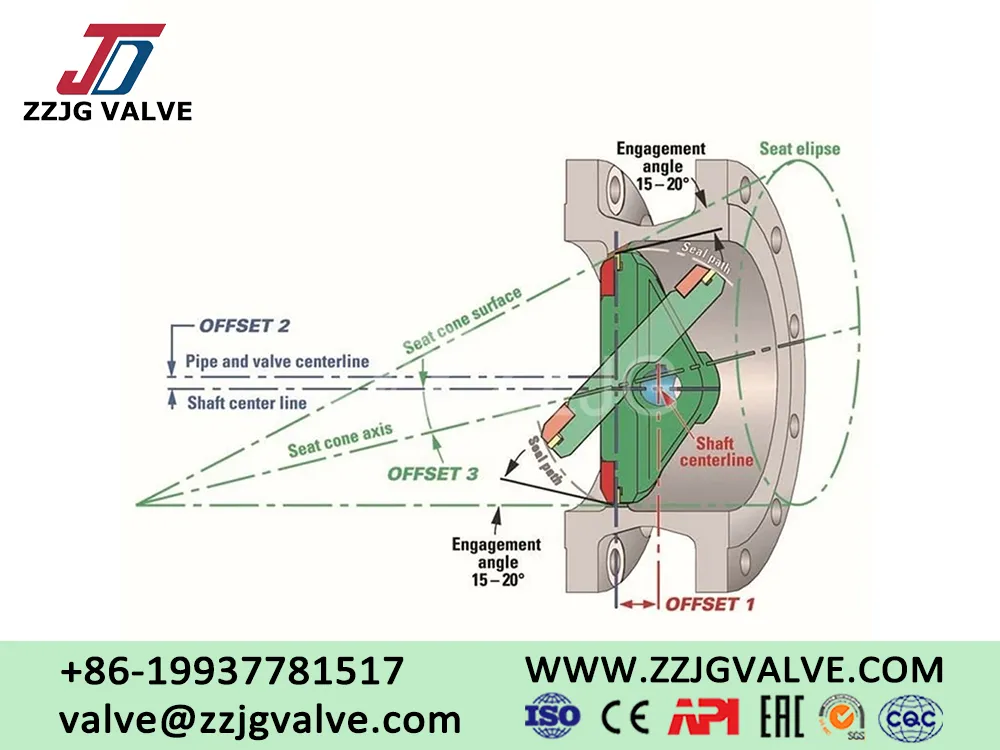
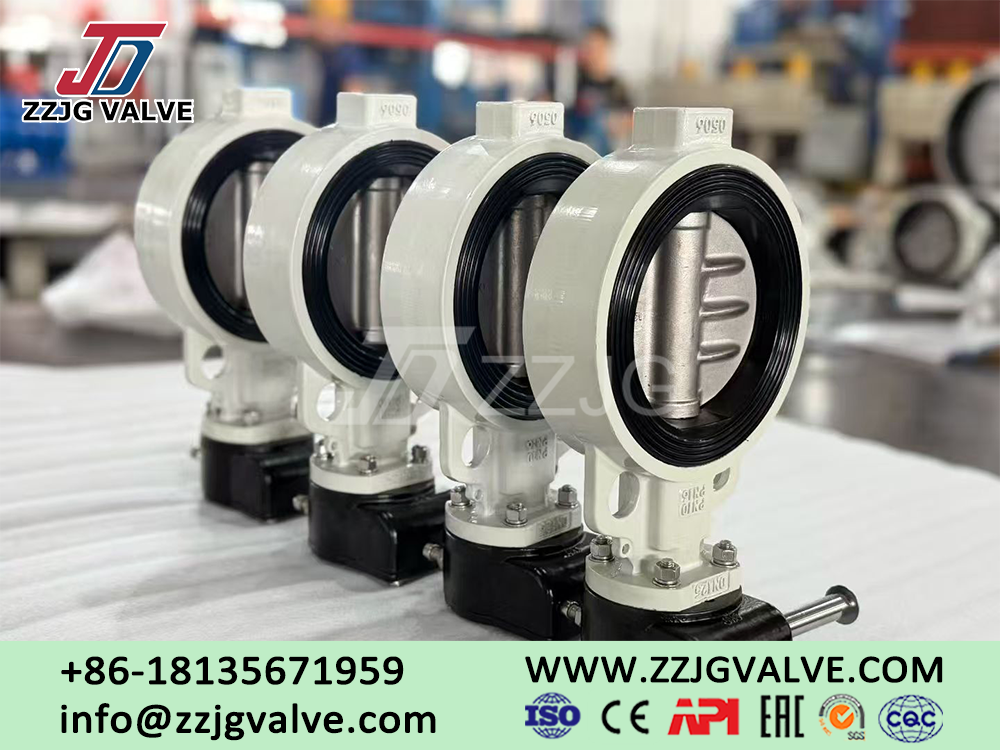
In the field of industrial fluid control, butterfly valves are widely used due to their compact structure and efficient operation. The three mainstream structural designs—concentric (zero-offset), double-offset, and triple-offset—evolved along a path of increasing eccentricity to suit operating conditions of varying severity. Regarding core structure, the concentric butterfly valve features a zero-offset design where the valve stem axis, the center of the disc sealing surface, and the center of the valve body bore are perfectly aligned; sealing relies on the disc continuously compressing a rubber liner, resulting in constant friction across the sealing surfaces during operation, higher torque requirements, and susceptibility to rubber seal wear. The double-offset butterfly valve introduces both axial and radial offsets to create a cam effect, allowing the disc to disengage from the seat immediately upon opening; friction occurs only during the final closing phase, significantly reducing wear. It accommodates soft or semi-metallic seals, balancing sealing performance with service life. Building on the double-offset design, the triple-offset butterfly valve adds an angular offset to the conical sealing surface; the sealing interface consists of an inclined cone, ensuring zero friction or scraping throughout the opening and closing cycles, with sealing achieved via a wedging action at the fully closed position. It typically employs metal-to-metal hard sealing, often enhanced with hard-alloy overlay welding for greater durability.
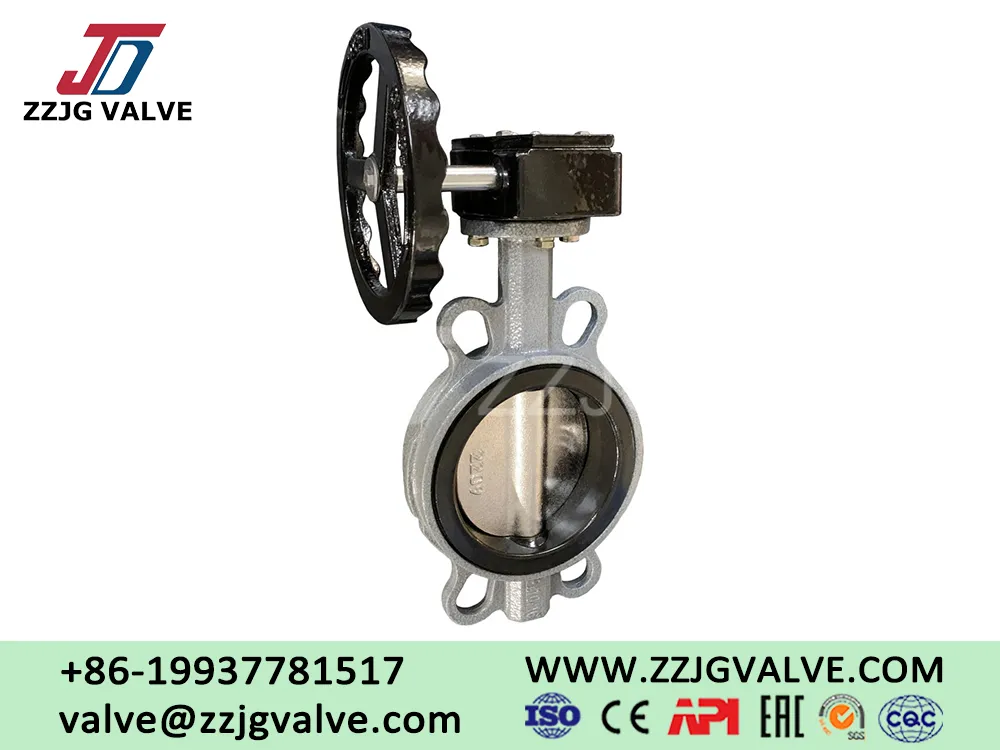
There are distinct differences in performance capabilities among the three types. Concentric butterfly valves have a temperature limit of approximately 120°C and a maximum nominal pressure of PN25; while soft seals can achieve zero leakage, these valves offer poor resistance to wear and erosion, though they have the lowest procurement cost. Double-offset butterfly valves withstand temperatures up to 180°C and pressures ranging from PN10 to PN40; they require significantly less operating torque than concentric designs, offer three to five times the sealing lifespan, and fall into the mid-range cost category. Triple-offset butterfly valves offer the widest temperature range—from cryogenic -196°C to high-temperature 600°C—and pressure ratings up to PN100; their metal seals provide excellent erosion resistance and fire safety, and precision machining allows for zero leakage. Although they have the highest unit price, they offer the lowest total lifecycle maintenance costs.
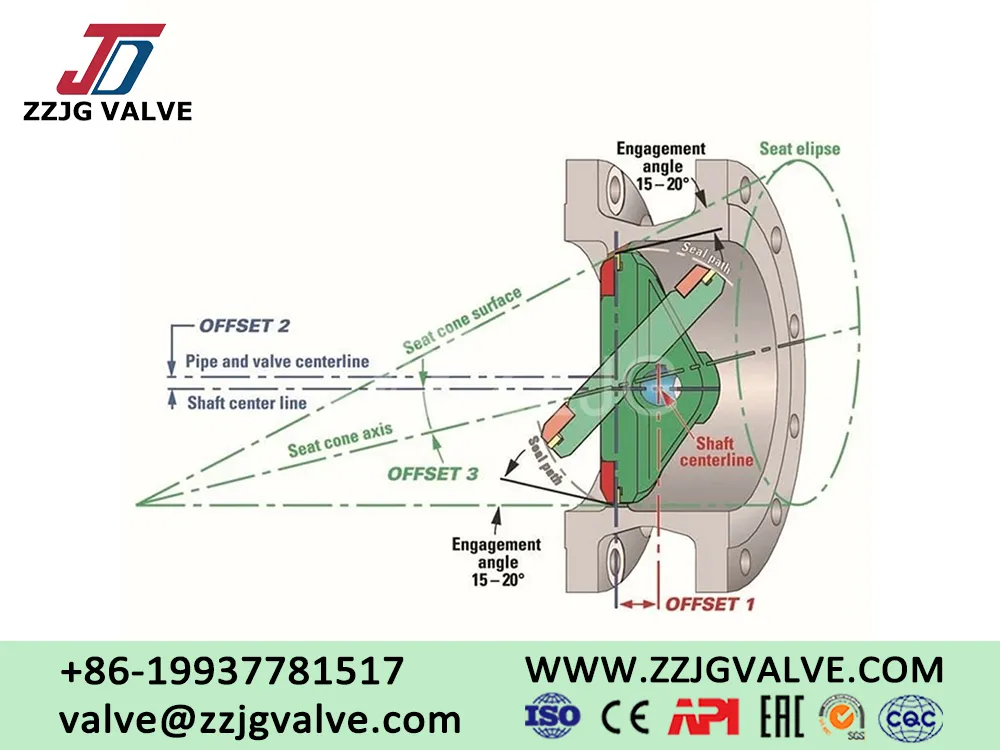
Regarding application suitability, concentric butterfly valves are ideal for clean media at ambient temperatures and low pressures—such as municipal water supply and drainage, central air conditioning, and fire-fighting water systems—but are unsuitable for high-temperature, high-pressure, or particulate-laden applications. Double-offset butterfly valves are suitable for medium-temperature and medium-pressure applications—such as district heating networks, wastewater treatment, and ambient-temperature metallurgical flue gas pipelines—serving as a cost-effective upgrade over concentric butterfly valves. Triple-offset metal-seated butterfly valves are designed for demanding operating conditions, including high-temperature, high-pressure, and particulate-laden environments such as power plant steam lines, petrochemical thermal oil pipelines, coal-chemical dust handling systems, and LNG cryogenic processes.
Selection should prioritize temperature, pressure, and medium characteristics while avoiding common pitfalls—such as using soft-seated valves for high-temperature steam, selecting elastomer-seated valves for particulate-laden media, or forcing the use of concentric designs in high-pressure applications. The optimal solution should be determined by comprehensively evaluating operational frequency and total lifecycle costs.
Next: Application Case – CF8M DN250 PN100 DBB Plug Valve In The Chemical System
.webp)