EN
EN RU
RU ES
ES FR
FR AR
AR IND
IND
Flow Channel Comparison and Selection Guidelines for Three-Way Plug Valves
I. Basic Structure: Flow Regulation by Plug Rotation
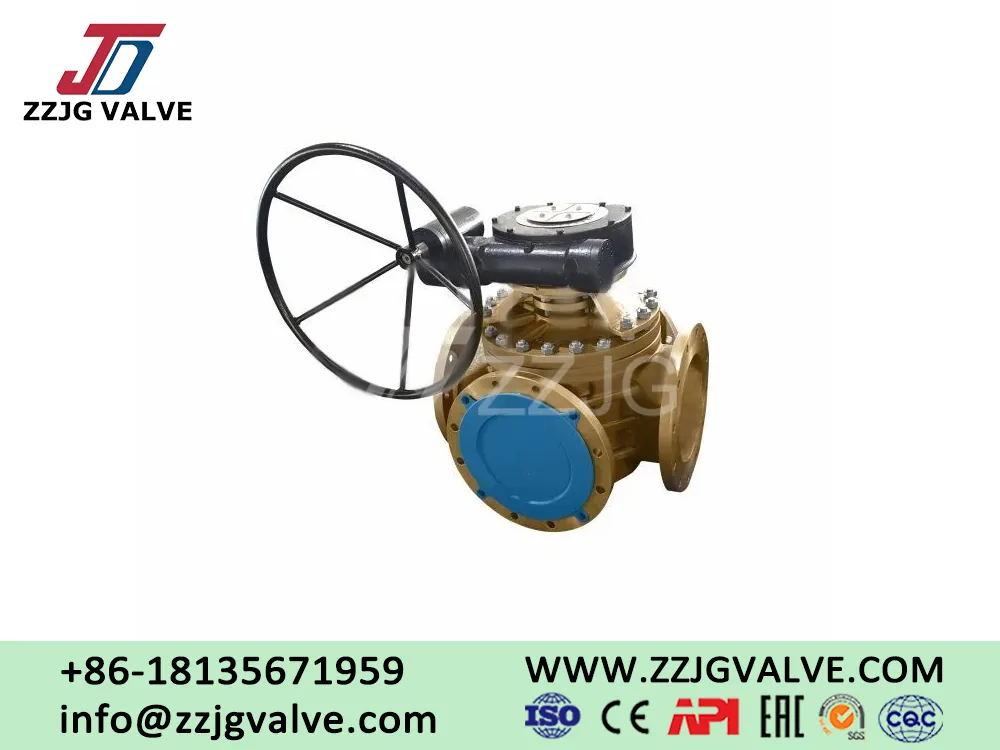
Three-way plug valves are widely applied in heating, chemical, water supply and drainage pipeline systems for fluid switching, diverting and mixing. The valve mainly consists of a valve body, a conical plug core, a valve stem and sealing components.
The plug core is a tapered plug with integrated flow channels. Rotating the valve stem drives the plug core to rotate at 90° or 180°. By aligning the internal channels with different valve ports, the fluid flow path is switched to realize flow reversal, diversion and confluence. The valve supports manual, pneumatic and electric driving modes, featuring fast and stable switching performance.
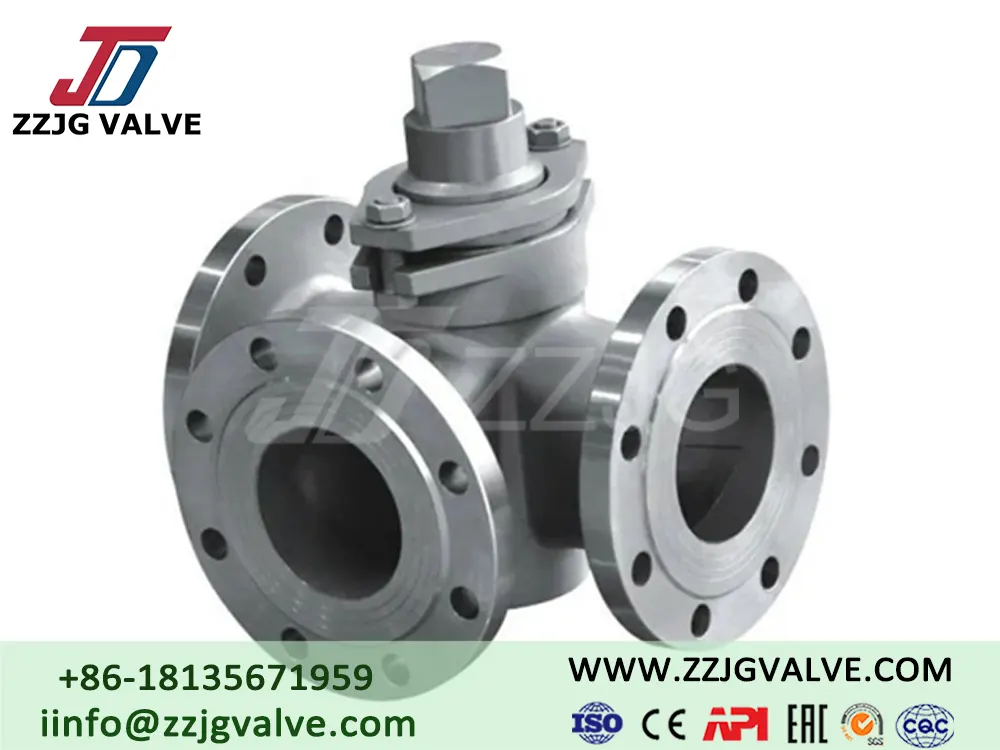
II. L-Shaped Plug: Unidirectional Switch and Full Isolation
The L-shaped valve core adopts a right-angle flow channel structure and only supports 90° rotational switching. Equipped with a common port, the valve connects one pipeline passage while completely cutting off the other during rotation, effectively preventing medium cross-flow.
It is highly applicable to working conditions such as cooling water bypass circuits and standby pump switching, which require full opening of one passage and complete shutoff of the other to guarantee reliable sealing performance.
III. T-Shaped Plug: Multi-Port Diversion and Mixing
The T-shaped valve core is designed with a three-way flow channel to achieve multiple operating states. At the neutral position, all three valve ports are interconnected, enabling one-way fluid splitting or two-way medium mixing. When rotated by 90°, it independently connects two ports and isolates the third branch.
This type of valve core is mainly used in chemical batching and multi-loop circulating pipeline systems, serving as the optimal choice for working conditions requiring medium distribution and blending.
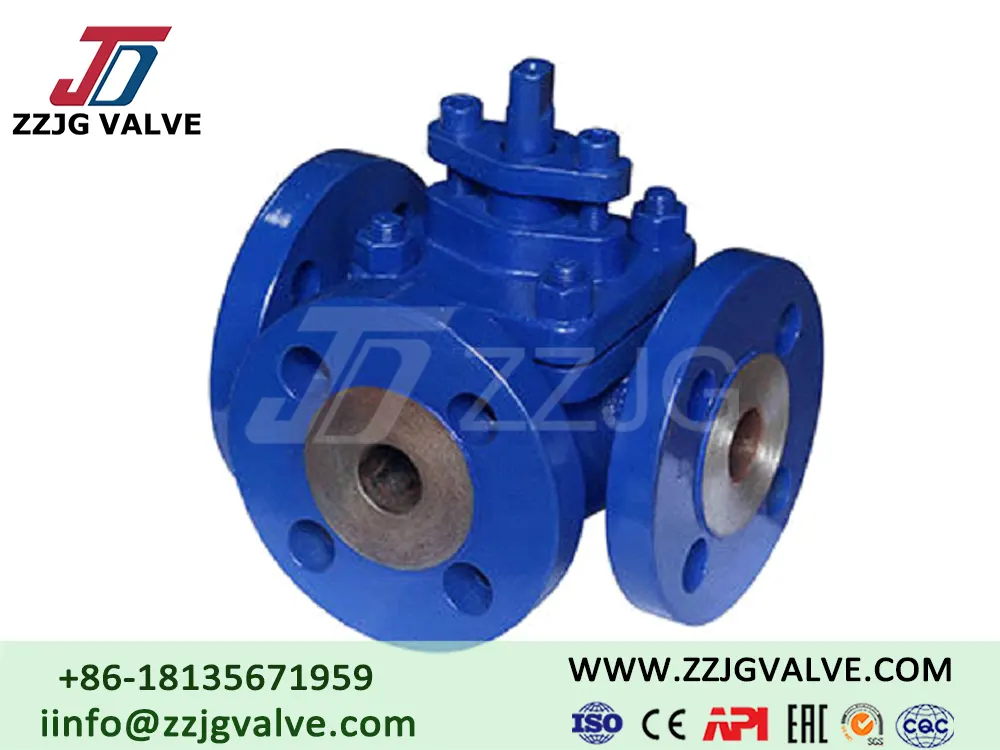
IV. Material Adaptation and Application Notes
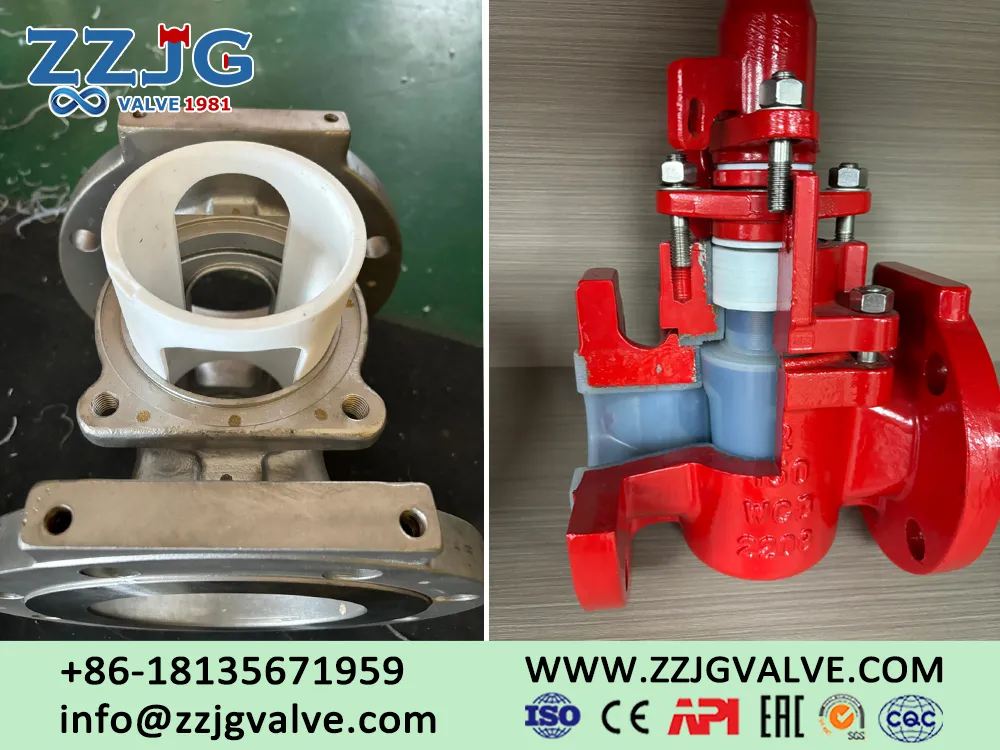
Valve materials can be selected according to actual medium and operating environments. 316L stainless steel sleeve-type valves are recommended for high-temperature and corrosive working conditions. Fluorine-lined valves with thermal insulation jackets are suitable for viscous, crystallization-prone media such as asphalt. Cast iron or bronze valve bodies can be adopted for conventional low-pressure clean water pipelines to control engineering costs.
Two key points should be noted in practical application. First, the conical plug core will cause certain pipeline pressure loss, so a sufficient pump pressure margin must be reserved in pipeline design. Second, DN50 and larger valves require high manual operating torque, so electric or pneumatic actuators are recommended for matching installation. In addition, valves operating continuously under high temperature shall undergo professional heat treatment to avoid sealing leakage.
Both L-shaped and T-shaped valve cores follow the rotational channel switching principle, covering mainstream pipeline functions including flow cut-off, reversal, diversion and mixing. They are cost-effective and highly reliable flow control equipment for industrial fluid pipeline systems.
Next: How to Choose a Butterfly Valve: Concentric vs Double Offset vs Triple Offset Explained
1.webp)