EN
EN RU
RU ES
ES FR
FR AR
AR IND
IND
2507 Super Duplex Stainless Steel Seawater Butterfly Valve: Analysis of Advantages for Adaptation to Harsh High-Chlorine and High-Temperature Conditions
In engineering scenarios such as seawater desalination, coastal power plants, offshore platforms, and coastal chemical industries, pipeline media generally feature high chloride ion levels, high salinity, and large temperature fluctuations. Standard 304 and 316L stainless steel butterfly valves are highly prone to pitting, crevice corrosion, and stress corrosion cracking in environments with high chlorine levels and high temperatures in seawater. Short-term operation leads to leakage, sticking, and perforation failures, which cannot meet the long-term stable operation requirements of marine engineering. As a high-end corrosion-resistant special material, 2507 super duplex stainless steel has become the core preferred material for butterfly valves operating under high-salt and high-temperature conditions, thanks to its excellent chlorine corrosion resistance, high-temperature resistance, and high strength. This article explains the material characteristics and working condition compatibility advantages of the 2507 Super Duplex Stainless Steel Seawater Butterfly Valve.
1. Why ordinary stainless steel cannot adapt to high-temperature seawater conditions
Seawater media are rich in chloride ions, which have strong membrane penetration ability and easily damage the passivation film on ordinary stainless steel surfaces. Although 316L stainless steel contains molybdenum and has better corrosion resistance than 304, under combined conditions of high temperature, high salt, and high pressure, its passivation film is easily damaged, causing local pitting and crevice corrosion. At the same time, high-temperature environments accelerate the precipitation of metal ions and electrochemical reactions, causing valve body corrosion rates to multiply, ultimately leading to valve seal failure, wall thickness reduction, and structural cracking, which greatly increases the risks and replacement costs of pipeline network operation and maintenance. Therefore, to meet harsh marine conditions, valves must be upgraded to specialized corrosion-resistant materials.
2. Core Features of 2507 Super Duplex Stainless Steel Material
2507 Super Duplex Stainless Steel is composed of austenitic and ferritic duplex structures, combining the performance advantages of both types of stainless steel. At the same time, it adds a high proportion of chromium, nickel, molybdenum, and nitrogen alloying elements to form a stable, dense, self-healing passivation film. It is a special steel specially developed for high-chlorine corrosive environments. Its pitting resistance equivalent number (PREN) is >40, with chloride ion corrosion resistance far exceeding that of 316L, and it also offers comprehensive performance including high strength, stress corrosion resistance, high-temperature resistance, and scour resistance.
Compared to conventional stainless steel, the yield strength of 2507 material is more than twice that of ordinary austenitic stainless steel, with stronger structural rigidity, outstanding resistance to media scouring and high-pressure deformation, effectively preventing valve body wear, disc deformation, and seal misalignment caused by high-speed seawater erosion.
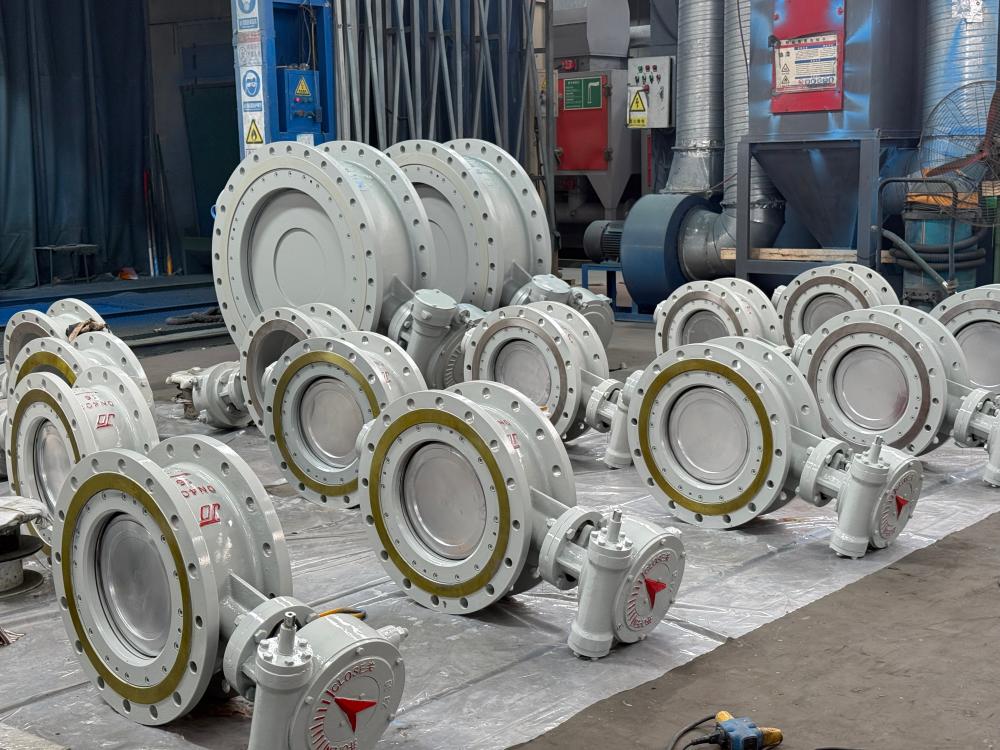
3. Exclusive adaptation advantages for high-chlorine and high-temperature seawater conditions
3.1 Extremely strong resistance to local corrosion from chloride ions. The most destructive forms of corrosion in high-salinity seawater are pitting and crevice corrosion, commonly occurring in structural areas such as flange gaps, valve stem seals, and butterfly disc end faces. Thanks to its high molybdenum and high nitrogen alloy ratio, 2507 super duplex stainless steel can continuously maintain the integrity of the passivation film in high-chlorine environments, effectively suppressing pit formation and expansion, and thoroughly solving the common local leakage issues of ordinary stainless steel seawater valves.
3.2 Excellent high-temperature corrosion resistance. Conventional stainless steel erodes sharply in seawater environments above 45°C, whereas 2507 material can withstand long-term seawater conditions at 80°C. Its metallographic structure remains stable at high temperatures, preventing sensitization corrosion and grain boundary damage, making it suitable for special scenarios such as seawater desalination high-temperature heat exchange pipelines and power plant circulating high-temperature seawater pipelines.
3.3 Outstanding resistance to stress corrosion cracking. Marine pipelines often face issues such as pressure fluctuations, opening and closing impacts, and structural stress. Ordinary stainless steel is prone to cracking and failure under the combined action of stress and chloride ions. 2507 duplex steel has extremely strong stress corrosion resistance, maintaining structural stability under high-chlorine, high-pressure, and alternating stress conditions, eliminating cracking failures in valve bodies and discs.
3.4 Scour resistance, cavitation resistance, and long service life. Seawater media often carry sediment and impurities, and high-speed flow can easily erode valve runners and discs. 2507 material has high hardness and good wear resistance, combining the advantages of corrosion resistance and erosion resistance. It can effectively withstand the impact of turbulent seawater and sediment wear, significantly extending valve service life and reducing the replacement frequency for marine engineering equipment.
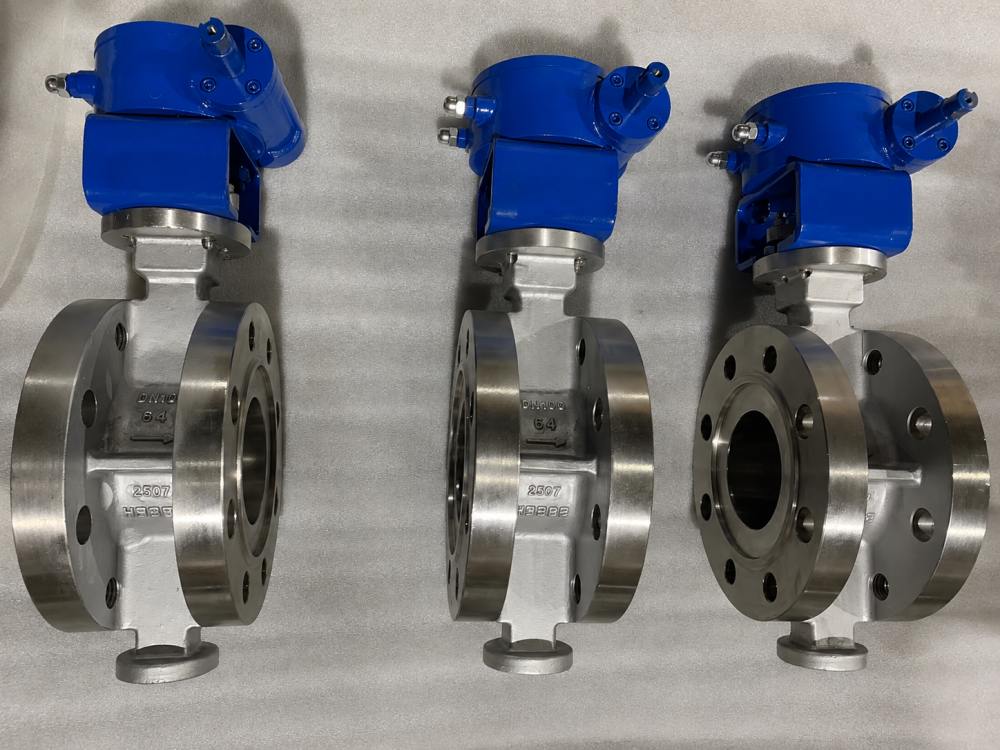
4. Mainstream applicable engineering scenarios
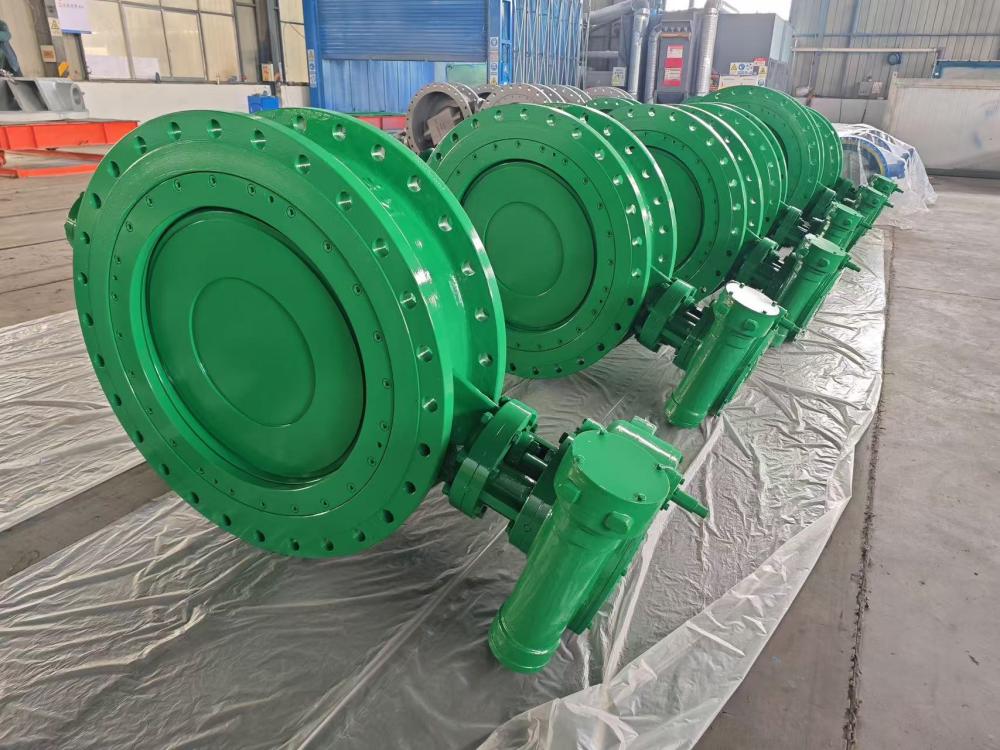
The 2507 super duplex stainless steel seawater butterfly valve is specifically adapted to various harsh high-salinity, high-temperature, and high-pressure marine operating conditions. Core application scenarios include: high-pressure main pipelines for seawater desalination projects, coastal thermal power/nuclear power circulating water systems, offshore platform process seawater pipelines, high-chlorine wastewater pipelines for coastal chemical industries, high-end seawater systems for ships, and high-temperature brine heat exchange networks. It has performance surplus for low-salinity, room-temperature ordinary seawater conditions, but holds irreplaceable application value in harsh marine conditions. As marine engineering conditions become increasingly harsh, ordinary stainless steel valves can no longer meet the long-term operational demands under high chlorine, high temperature, and high pressure. The 2507 super duplex stainless steel seawater butterfly valve, with its strong chlorine corrosion resistance, high-temperature resistance, stress cracking resistance, erosion resistance, and high strength, solves the industry pain points of traditional seawater valves such as rapid corrosion, high failure rate, and short lifespan. It is currently the most reliable and cost-effective special valve choice for high-end marine pipeline networks, seawater desalination, and coastal heavy industry projects, providing reliable assurance for the safe and stable operation of marine engineering fluid systems.
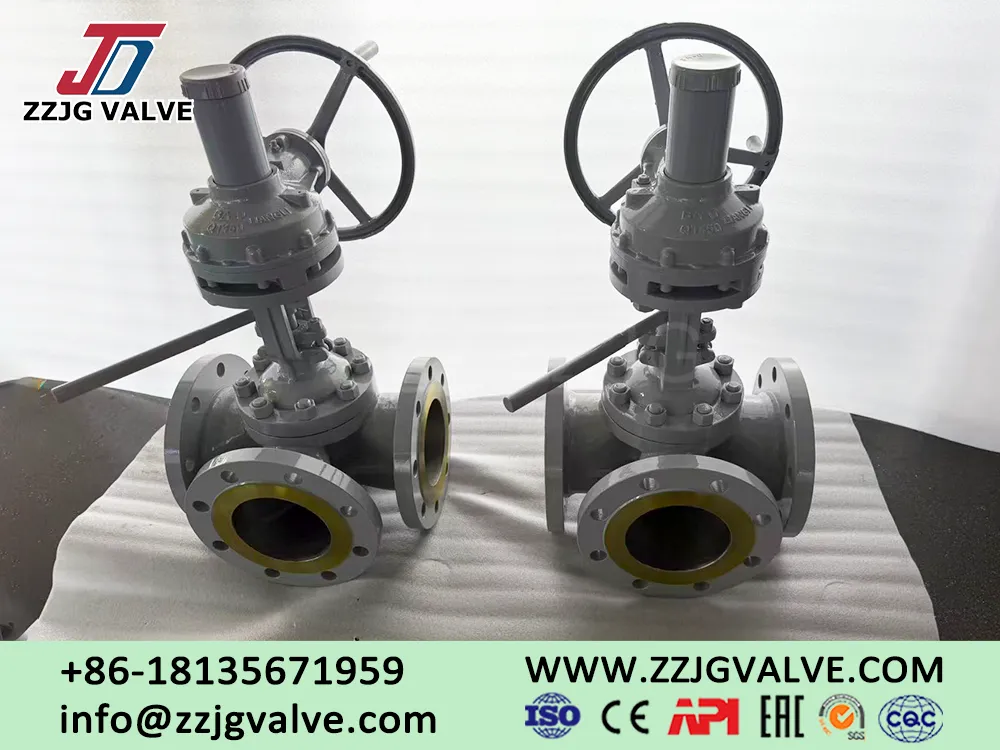
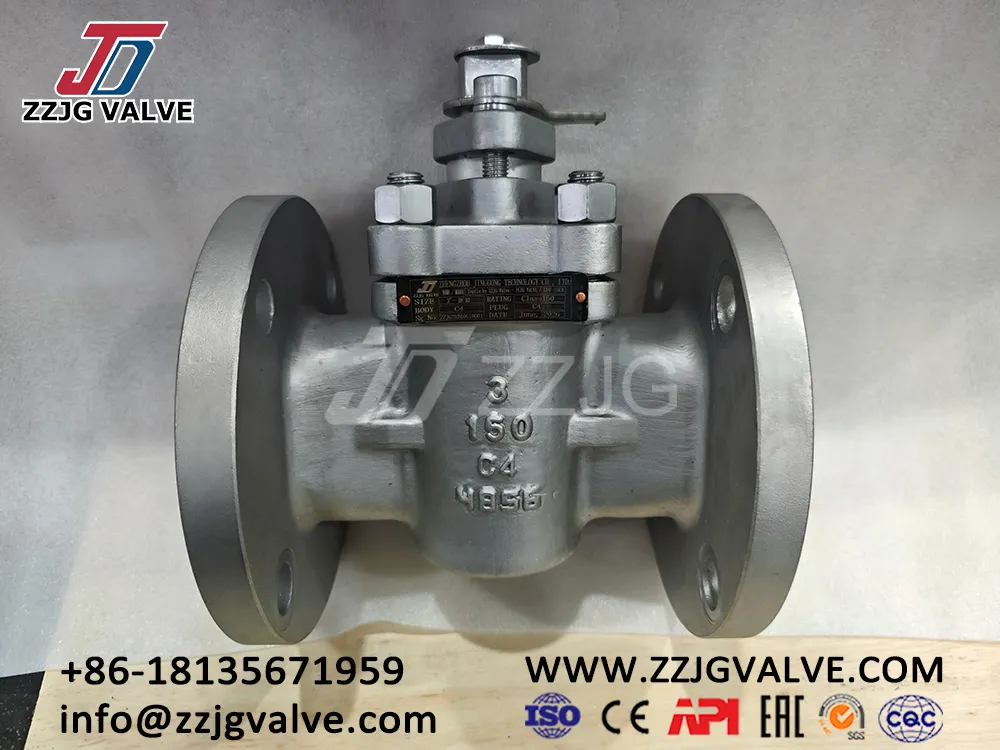
Next: Three‑way Sleeve Plug Valve
1.webp)