EN
EN RU
RU ES
ES FR
FR AR
AR IND
IND
How to Extend the Service Life of Marine Butterfly Valves in Highly Corrosive Marine Environments?
Introduction
Seawater is commonly used in ships, power plants, seawater desalination plants, and marine engineering.
Seawater contains high levels of salts and chloride ions. These substances readily corrode metallic equipment.
Marine butterfly valves are important components in seawater piping systems. They need to remain in prolonged contact with seawater while maintaining normal operation.
The valve material, surface protection, sealing material, and structural design all affect the service life of the valve.
Users should select appropriate marine butterfly valves based on actual working conditions. Users should also carry out routine inspections and maintenance. This helps reduce valve failures and lowers maintenance costs.
1. Select Corrosion-Resistant Materials
Materials directly affect the service life of seawater butterfly valves.
Seawater is prone to causing pitting and crevice corrosion. Users should select materials that are resistant to seawater corrosion.
Commonly used materials for seawater butterfly valves include the following.
Epoxy-Coated Ductile Iron
Epoxy-coated ductile iron is relatively low in cost. This material can be used in general seawater piping. The valve body surface requires proper anti-corrosion treatment.
Stainless Steel
316 stainless steel offers good corrosion resistance. This material can be used in seawater systems with higher material requirements.
Duplex Stainless Steel
2205 and 2507 duplex stainless steels offer good resistance to chloride-ion corrosion. These materials can be used in more severe marine environments.
Aluminum Bronze
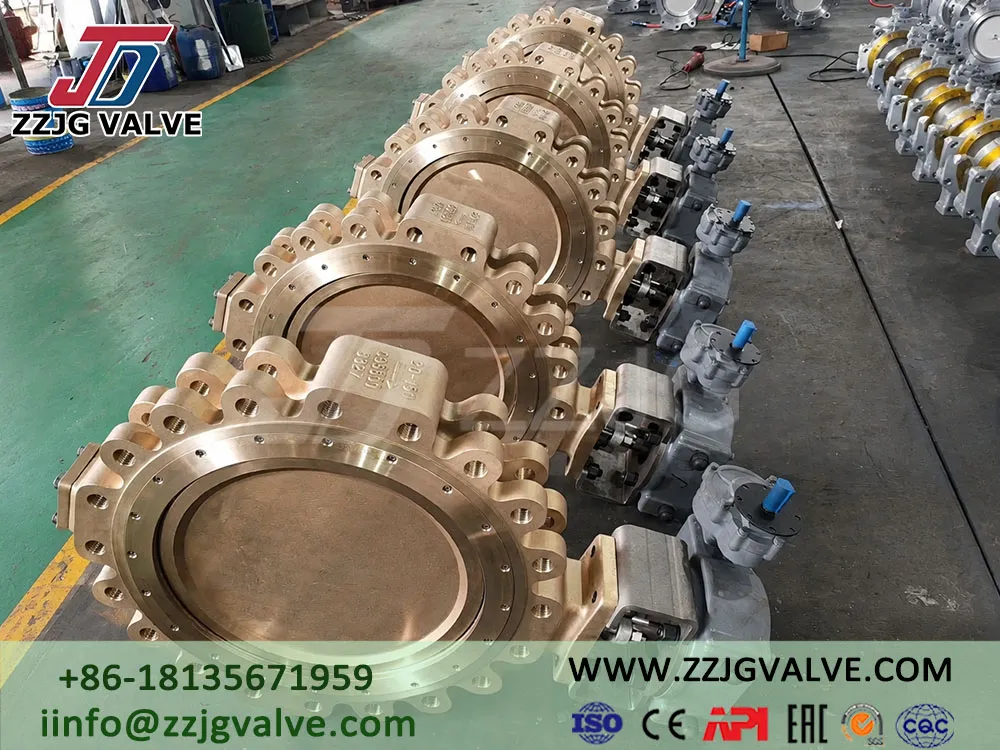
Aluminum bronze offers good resistance to seawater corrosion. This material is commonly used in ships and marine equipment.
Users should select materials based on seawater temperature, chloride ion content, pressure, and operating conditions. The right material selection can reduce corrosion and extend valve service life.
2. Apply Proper Surface Protection to Valves
Corrosion-resistant materials can improve valve service life. However, after prolonged contact with seawater, the valve surface may still experience corrosion.
Users can protect valves using epoxy coatings, fusion bonded epoxy (FBE) coatings, or rubber linings.
These protective layers reduce direct contact between seawater and the metal surface. They also slow down the corrosion rate.
Before applying coatings, workers should first clean the valve surface.
Sandblasting can remove rust, dust, and other debris from the surface. Sandblasting also helps the coating adhere better to the valve surface.
Good surface preparation improves the protective effectiveness of the coating.
3. Choose Appropriate Sealing Materials
Seals directly affect the sealing performance of seawater butterfly valves.
Salts and chloride ions in seawater can affect sealing materials over prolonged periods. Users should select sealing materials suitable for seawater environments.
EPDM (Ethylene Propylene Diene Monomer)
EPDM offers good resistance to seawater. This material is commonly used for seals in seawater butterfly valves.
PTFE (Polytetrafluoroethylene)
PTFE offers good resistance to chemical corrosion. It has low friction and can be used in valves with higher sealing requirements.
NBR (Nitrile Butadiene Rubber)
NBR offers good mechanical properties. However, NBR is not suitable for all seawater applications. Users should select materials based on actual operating conditions.
The right sealing materials can reduce valve leakage. They can also reduce the frequency of seal replacement.
4. Select the Appropriate Valve Structure
Valve structure also affects the service life of butterfly valves.
In concentric butterfly valves, the disc rubs against the sealing surface during opening and closing. After prolonged operation, the sealing surface is prone to wear.
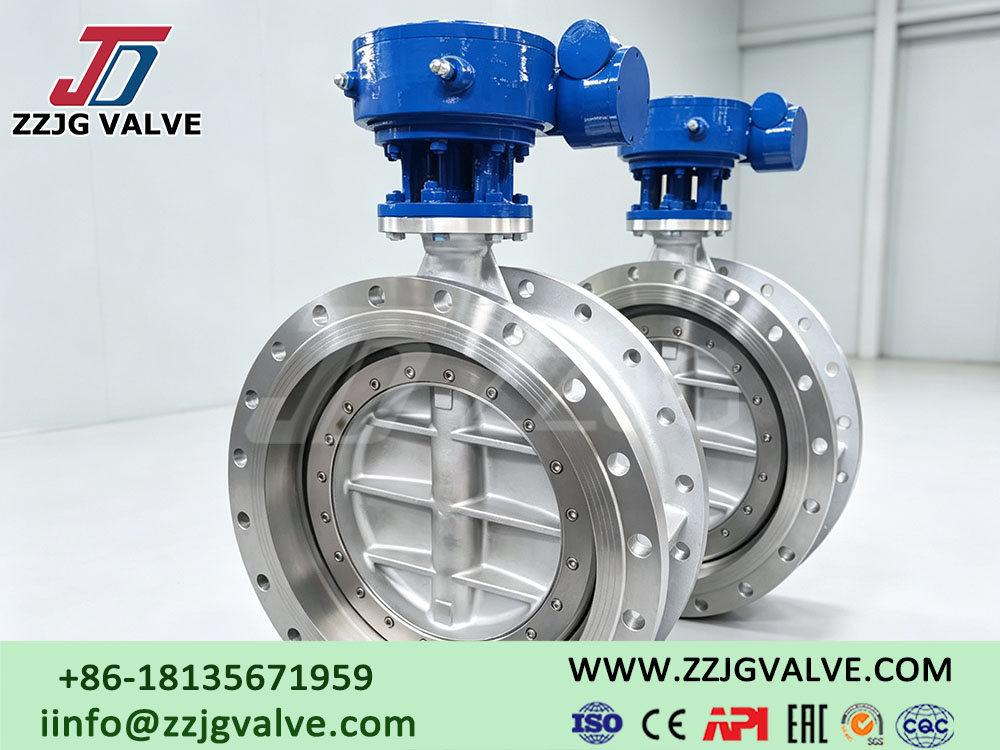
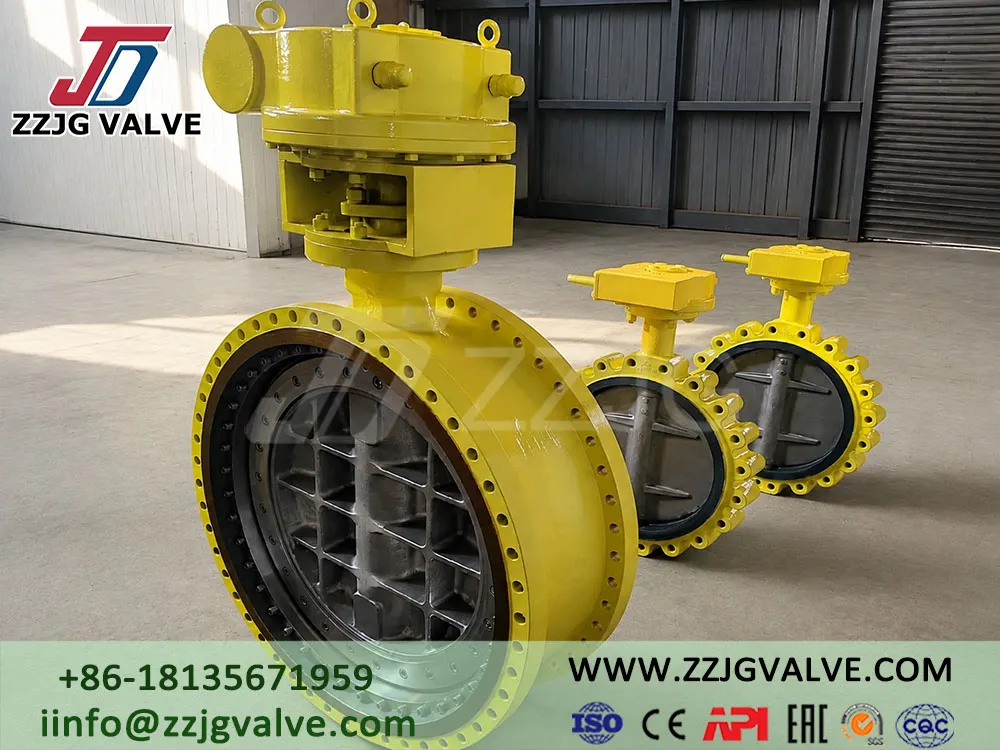
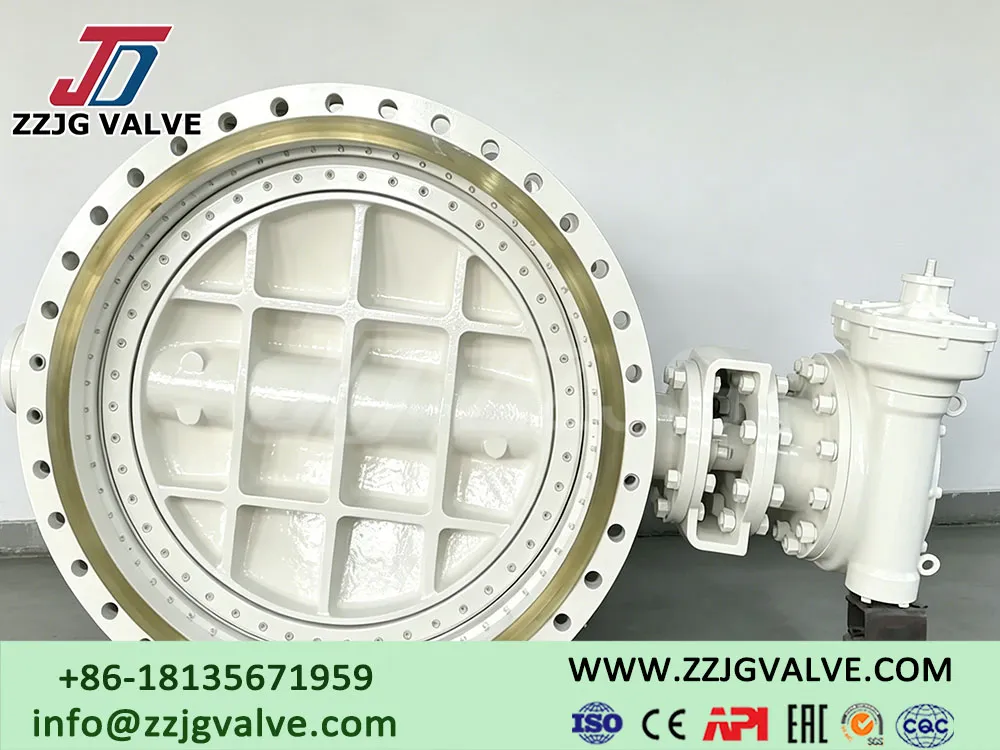
Double-offset and triple-offset butterfly valves reduce contact between the disc and the sealing surface.
Eccentric butterfly valves reduce friction during operation. They also reduce wear on the sealing surface.
For large-diameter seawater piping, users can select double-offset or triple-offset butterfly valves according to actual requirements.
For systems that require frequent operation, the right valve structure can also reduce operating torque.
5. Select Valves Based on Different Seawater Systems
Different seawater systems have different requirements for butterfly valves.
Shipboard Systems
Ships typically use seawater butterfly valves to control cooling water, ballast water, and fire-fighting water.
The interior space of ships is relatively limited. Therefore, valves need to have a simple structure, appropriate weight, and good corrosion resistance.
Power Plant Cooling Systems
Power plant cooling systems handle large volumes of seawater.
These systems typically use large-diameter butterfly valves. The valves need to operate continuously over long periods while maintaining good sealing performance.
Users should also select appropriate valve materials and sealing materials based on seawater temperature, flow rate, and pressure.
Seawater Desalination Systems
Seawater desalination plants use butterfly valves in raw seawater intake, seawater treatment, and drainage systems.
These locations are in prolonged contact with seawater. Therefore, valves need to have good corrosion resistance and sealing capability.
Users should select appropriate butterfly valves based on seawater conditions at different locations.
6. Perform Routine Inspections and Maintenance
Even when seawater butterfly valves are made of corrosion-resistant materials, regular inspections are still necessary.
Workers should inspect the coating on the valve surface. They should promptly repair damaged or detached areas.
Workers should also inspect the seals. If seals show signs of aging, cracking, or damage, workers should replace them in a timely manner.
Workers should observe valve operation. If the operating torque increases significantly, workers should inspect the disc, seals, and transmission components.
Workers should also clean sediment, salt deposits, and marine organisms near the valve. Excessive debris can affect normal valve operation.
Workers should periodically inspect the valve body, disc, and connecting components. If corrosion is found on these parts, workers should address it promptly.
Next: 2507 Super Duplex Stainless Steel Seawater Butterfly Valve: Analysis of Advantages for Adaptation to Harsh High-Chlorine and High-Temperature Conditions
1.webp)