EN
EN RU
RU ES
ES FR
FR AR
AR IND
IND
Duplex Stainless Steel and Aluminum Bronze: Core Materials for Seawater Butterfly Valves
Seawater is used in ships, power plants, desalination plants, offshore platforms, and industrial cooling systems. Due to its high salt and chloride content, piping equipment is highly susceptible to corrosion.
Butterfly valves are key components for controlling fluid flow. The choice of material for seawater butterfly valves directly affects the valve's service life and operational reliability. Duplex stainless steel and aluminum bronze are two commonly used materials in seawater environments, each with distinct advantages suited to different applications.
Duplex Stainless Steel: Excellent Corrosion Resistance
Duplex stainless steel offers excellent corrosion resistance and high mechanical strength, making it a popular choice for seawater butterfly valves.
This material has a two-phase microstructure consisting of austenitic and ferritic stainless steel. It combines the advantages of both phases and provides good resistance to general corrosion, pitting corrosion, and chloride-induced stress corrosion cracking.
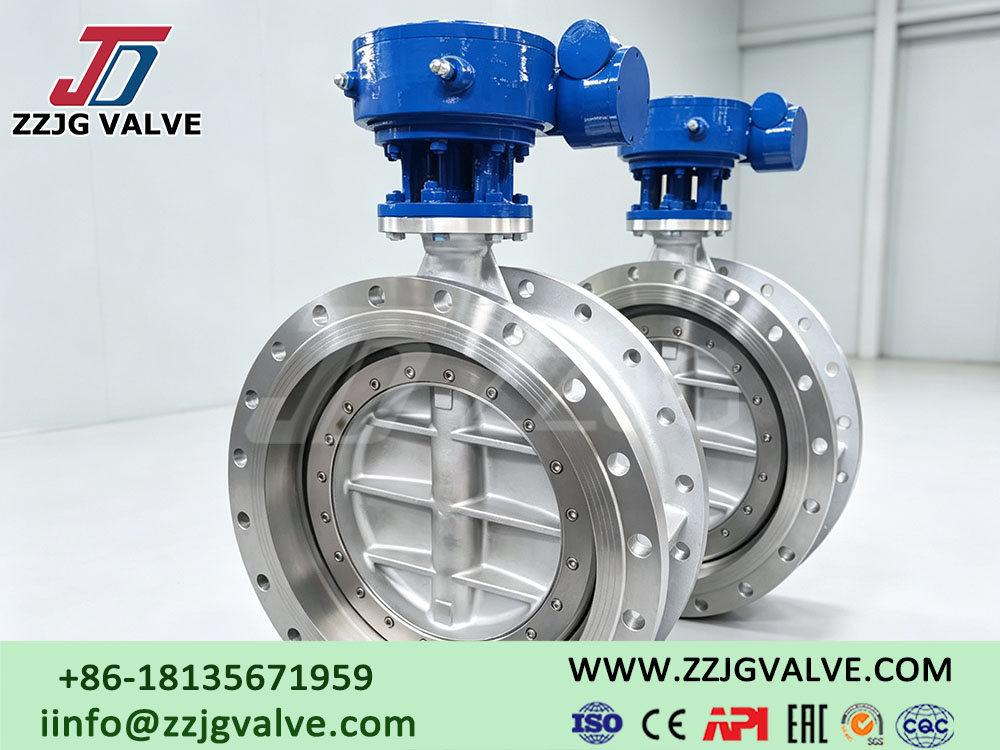
In seawater pipelines, duplex stainless steel can be used for valve bodies, discs, and other critical components. It is particularly suitable for environments with high chloride concentrations, high flow velocities, and other demanding operating conditions.
Another advantage is its high mechanical strength. Compared with conventional austenitic stainless steels, duplex stainless steel provides higher strength, making it suitable for large-diameter valves and higher-pressure pipeline systems.
Aluminum Bronze: Ideal for Marine Applications
Aluminum bronze is another widely used material for seawater butterfly valves. It offers excellent resistance to seawater corrosion and is commonly used in marine and shipbuilding applications.
Aluminum bronze performs well in seawater and offers good resistance to erosion and cavitation. It is frequently selected for applications such as shipbuilding, offshore platforms, and seawater cooling systems.
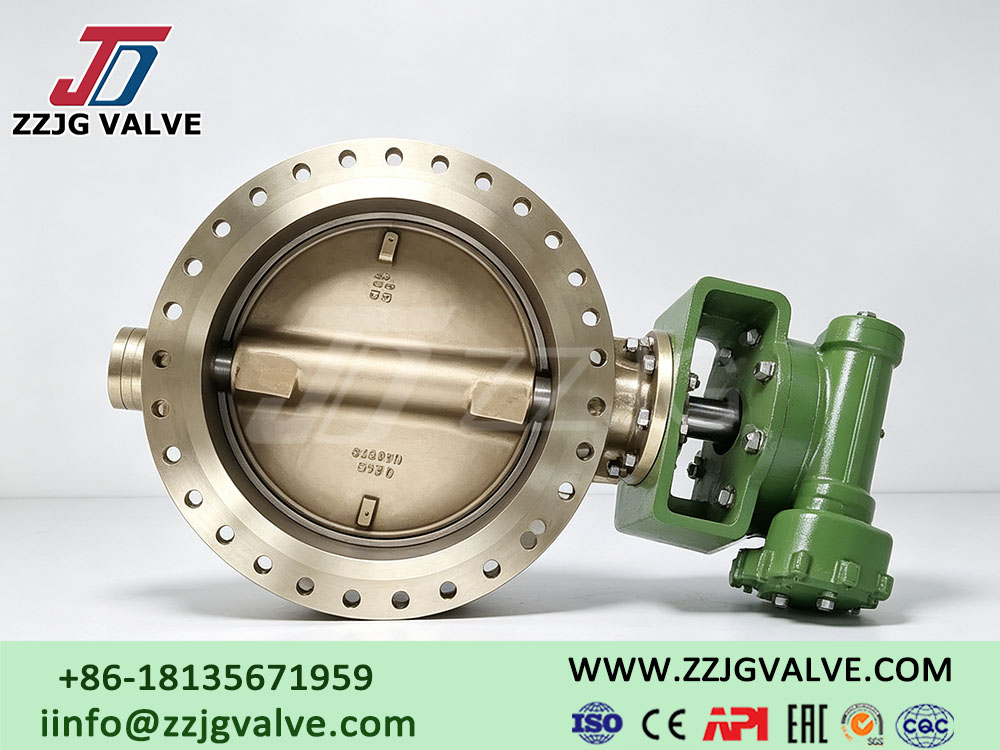
The material also has good mechanical strength and wear resistance. When the butterfly valve disc is in direct contact with seawater, aluminum bronze can provide stable and reliable performance.
Choosing Between Duplex Stainless Steel and Aluminum Bronze
The choice depends on the actual operating conditions. These conditions should be evaluated to determine whether duplex stainless steel or aluminum bronze is more appropriate.
If the project requires higher mechanical strength and stronger resistance to chloride-induced corrosion, duplex stainless steel is often the preferred choice. It is suitable for demanding seawater systems and high-pressure or highly corrosive environments.
Aluminum bronze, on the other hand, offers a good balance between performance and cost in many marine and seawater applications. It combines good corrosion and wear resistance with sufficient mechanical strength to meet many application requirements.
Material cost is another important consideration. In many cases, aluminum bronze provides a balanced solution between performance and cost. However, for more demanding applications, duplex stainless steel may provide better long-term performance.
Material Selection Affects Valve Service Life
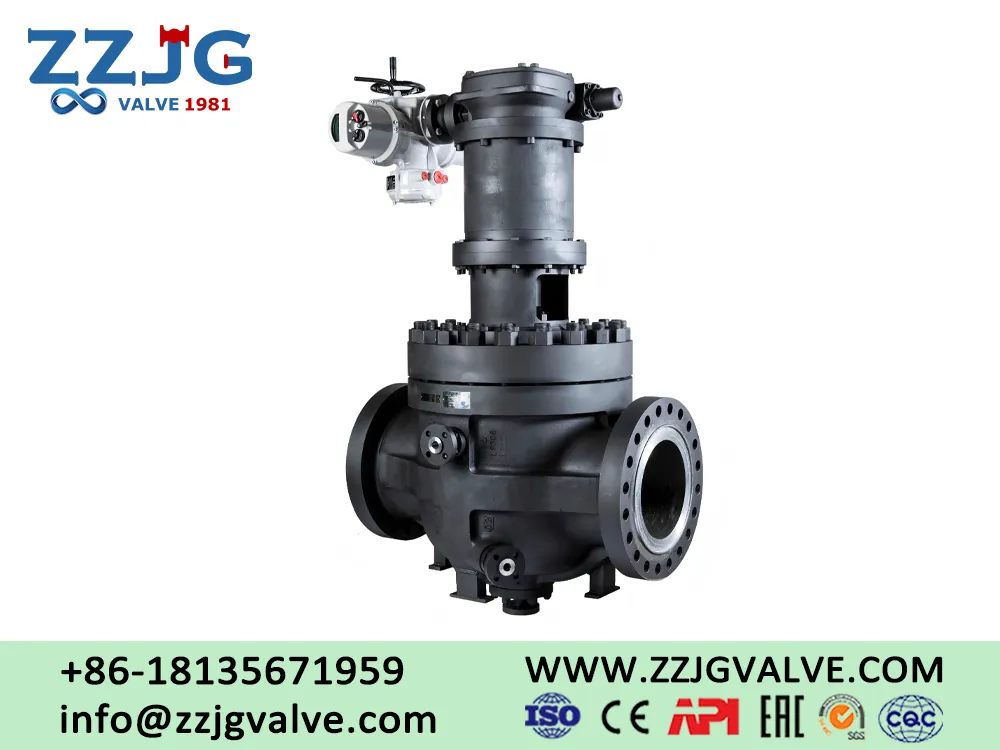
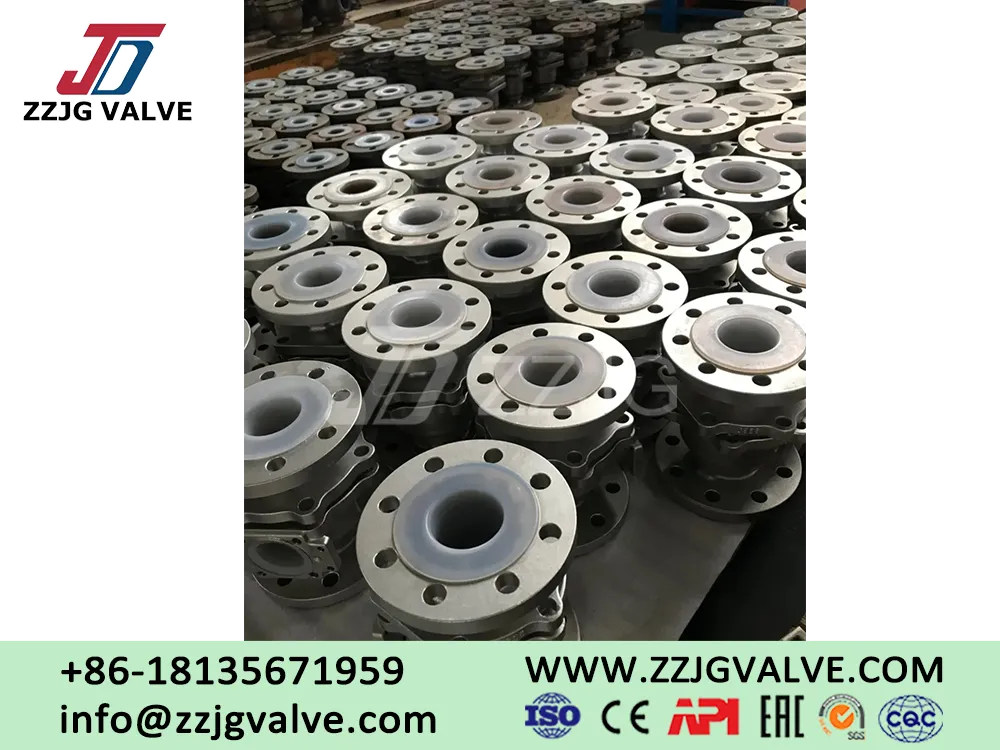
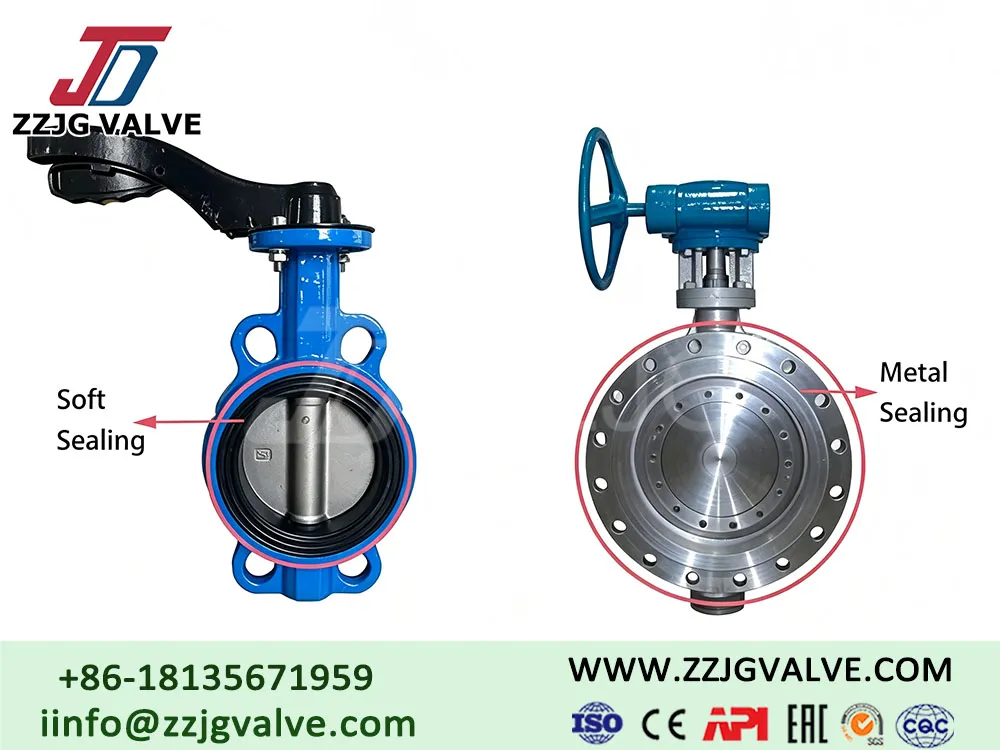
When selecting materials, we must consider not only the medium, such as seawater, but also temperature, pressure, flow velocity, chloride concentration, cavitation risk, and valve operating frequency.Different components, such as valve bodies, discs, stems, and sealing components, should be made from materials suited to their specific operating conditions. Proper material selection and matching can improve corrosion resistance and reduce maintenance requirements over time.
-1.webp)
.jpg)