EN
EN RU
RU ES
ES FR
FR AR
AR IND
IND
Liquid Cooling Valves: Safety & Efficiency for Data Centers
Against the backdrop of surging AI workloads pushing data center power densities beyond 50kW per cabinet, liquid cooling has transitioned from a niche solution to a mainstream infrastructure standard. Amid this shift, specialized liquid cooling valves have emerged as unsung critical components, functioning as both safety guardians and intelligent operational stewards for entire cooling ecosystems. Delivering value across system design, daily management, and emergency fault response, these precision components are fundamental to the continuous, efficient, and reliable operation of modern liquid-cooled data centers, underpinning performance across the full lifecycle of cooling infrastructure.
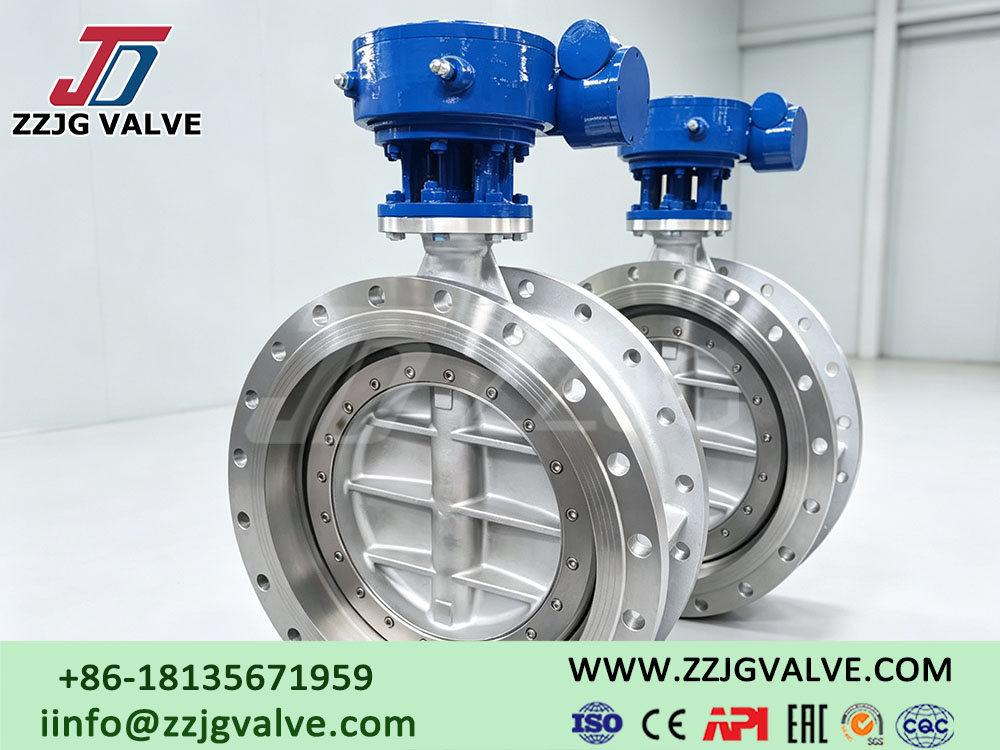
Data center IT equipment has zero tolerance for coolant leakage, making valve sealing performance the first line of defense against fluid seepage that can damage precision electronics. Beyond basic leak prevention, properly configured safety valves and check valves mitigate hydraulic risks such as water hammer effects and overpressure surges, preventing irreversible damage to server cold plates caused by abnormal system pressure. Given that server cold plates typically have a design pressure rating of only 0.6–0.8 MPa, valves play a critical role in building a tiered pressure protection framework, strictly regulating the operating pressure of the secondary circuit from the Cooling Distribution Unit (CDU) to cabinets and cold plates within the 0.3–0.6 MPa range to create a controlled pressure buffer that safeguards fragile cold plate components under all operating conditions.
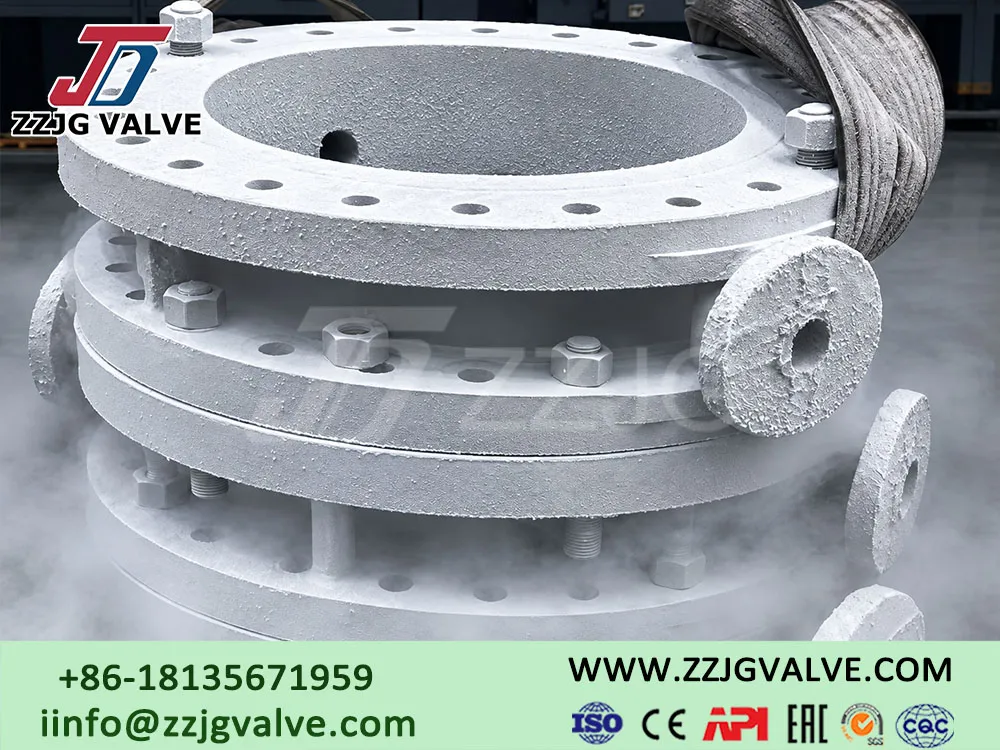
-1.webp)
Beyond core safety functions, valves are central to optimizing cooling efficiency and energy performance for high-density data centers. Liquid cooling systems must adapt continuously to dynamic cabinet heat loads, requiring precise matching of coolant flow rate and direction, and valves deliver this through targeted hydraulic balancing and regulated flow control that eliminates both localized hotspots and excessive cooling redundancy. Electric control valves installed at the CDU outlet receive control signals from the Data Center Infrastructure Management (DCIM) system to dynamically match flow demands ranging from 10–50 L/min per cabinet, while balancing valves compensate for resistance variations across different piping zones to ensure consistent cooling performance across all cabinets. This level of precision regulation directly improves data center PUE values while maintaining stable operating temperatures for high-density IT hardware.
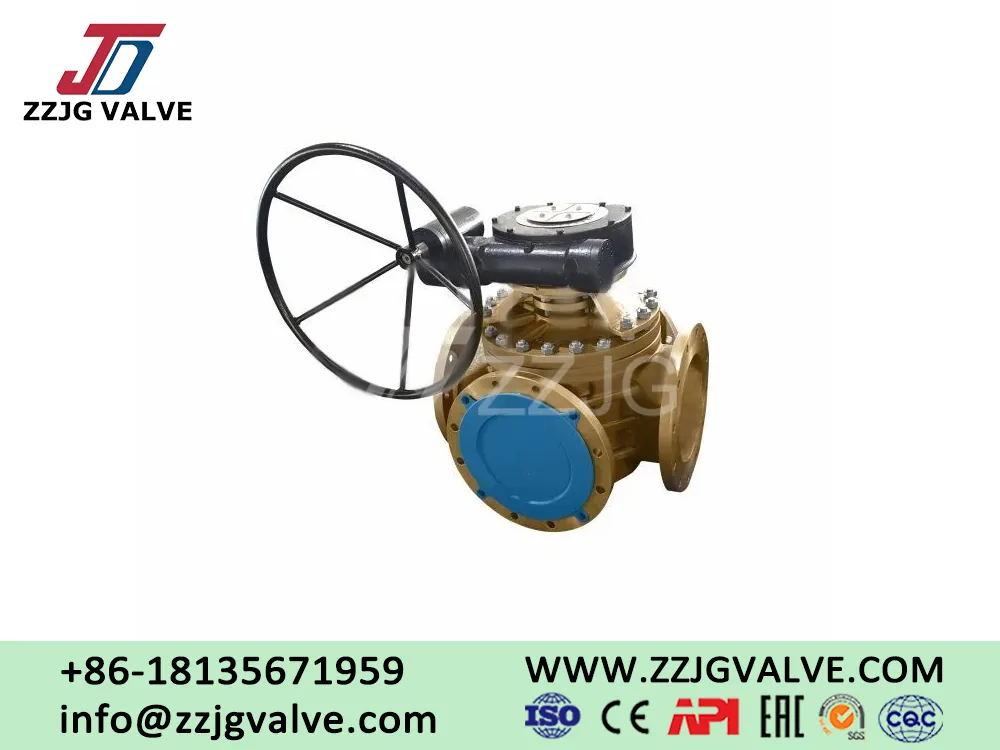
Optimized valve configurations also significantly reduce liquid cooling system maintenance costs and unplanned downtime risks, supporting the 7×24 uninterrupted operation requirements of mission-critical data centers. Quick-disconnect valves enable hot-swap maintenance for server cabinets, allowing technicians to service equipment without draining the entire cooling system, and ball valves at cabinet outlets provide fast isolation capability to cut down fault response time for individual cabinets. Completing the operational toolkit, automatic air vent valves resolve pipeline air accumulation issues, while low-point drain valves address sediment buildup, both of which are common causes of system performance degradation and unplanned shutdowns. To sustain peak performance over the full system lifecycle, operators should follow scheduled maintenance practices tailored to liquid cooling valve systems: automatic air vent valves should undergo quarterly inspection to verify they are free of clogging and functioning with smooth exhaust, electric control valve position accuracy should be calibrated annually to maintain a deviation within ±1% to prevent flow regulation inaccuracies, and seal replacement schedules should align with coolant type — every 3–5 years for fluorinated liquid systems, and extendable to 5–8 years for deionized water systems, with all seal replacements followed by a full leak tightness test to validate system integrity.
.webp)
As data center power densities continue to rise and liquid cooling becomes the standard for high-performance computing infrastructure, valves will remain an indispensable core component of modern cooling architectures. By delivering fail-safe pressure protection, precision flow control, and maintenance-friendly operation, these components serve as both the safety guardians and smart stewards of liquid cooling systems. For data center operators, investing in high-quality valves and structured maintenance protocols is a direct investment in long-term system reliability, energy efficiency, and reduced total cost of ownership.
Next: Line Blind Valve: Building a Safety “Firewall” for Metallurgical Gas Systems
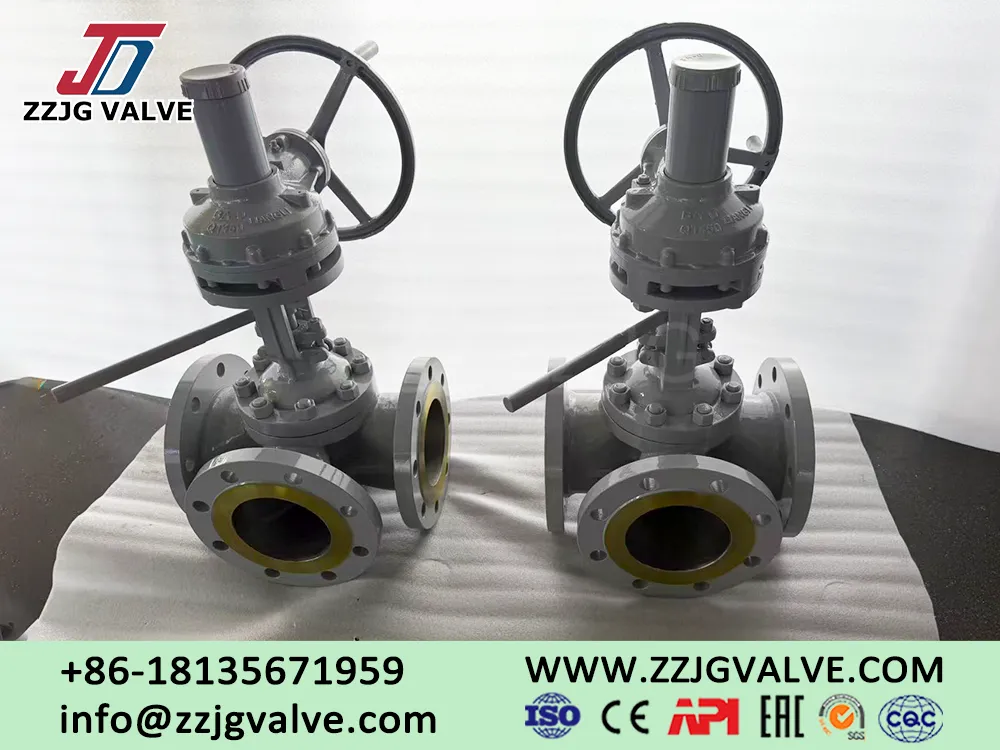
1.webp)