EN
EN RU
RU ES
ES FR
FR AR
AR IND
IND
Tailored media characteristics as needed: Targeted material selection guide for butterfly valve sealing materials
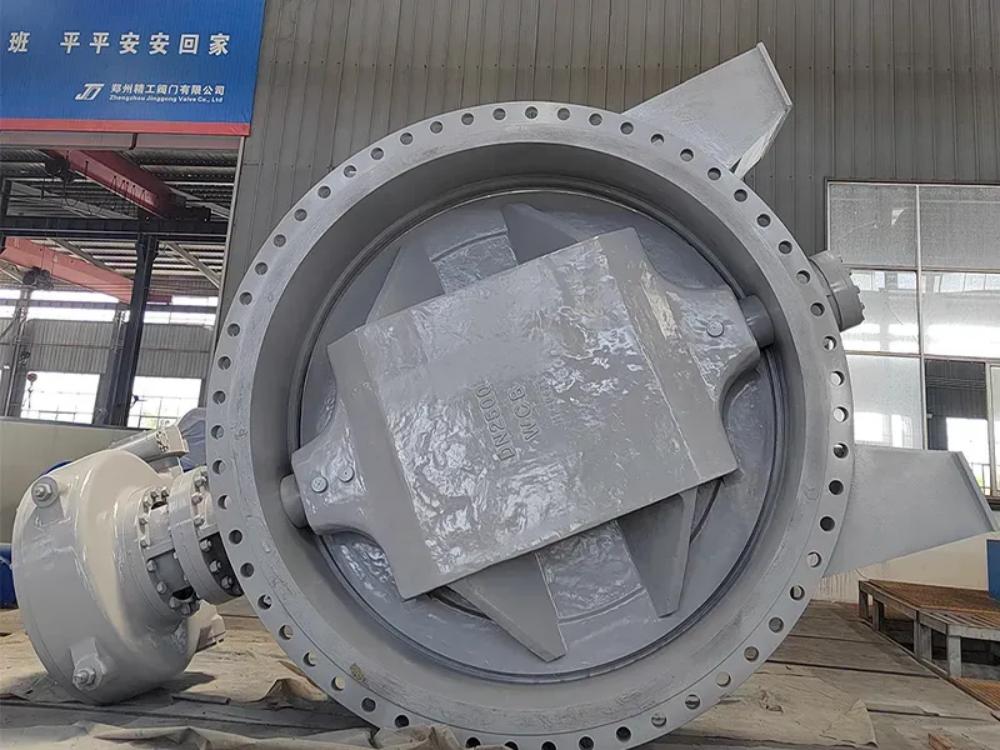
In numerous industrial fields such as petrochemicals, electric power and energy, municipal water services, and mining transportation, butterfly valves have become widely used fluid control devices in pipeline systems due to their compact structure, easy opening and closing, and low flow resistance. As the core component of the butterfly valve, the sealing components directly determine the valve's sealing reliability, resistance to losses, and overall service life. Different conveyed media face varying challenges such as corrosion, scouring, high temperature, and high pressure. Among them, seawater, chemical corrosive media, and pulverized coal granular slurry are high-frequency industrial conditions. Scientifically selecting sealing materials based on media characteristics is a crucial prerequisite for ensuring smooth pipeline operation, avoiding leakage failures, and reducing maintenance costs.
Seawater transportation generally faces dual loss issues. The water contains large amounts of chloride ions, salts, and other substances, which have strong electrochemical corrosion effects. Long-term contact gradually erodes the sealed surface. At the same time, seawater currents often carry impurities such as sediment and gravel, and the high-speed flow continuously erodes and strikes sealed contact surfaces, accelerating the aging and damage of components. For ordinary coastal water supply and drainage networks and ship-supporting seawater pipelines, EPDM is the highly compatible choice. This material is resistant to seawater immersion, salt spray corrosion, and has stable elastic sealing, making it suitable for long-term operation in conventional water pressure environments. Facing the harsh deep-sea high-pressure and high-salinity environment, the fluororubber FKM with a higher corrosion resistance grade is more suitable, able to withstand high-intensity corrosion damage and providing long-lasting and stable sealing performance. Large-diameter cross-sea water pipelines are generally paired with cemented carbide metal sealing structures, relying on their hard material to resist repeated erosion of sand and gravel, effectively preventing scratches and damage to the sealing surface.
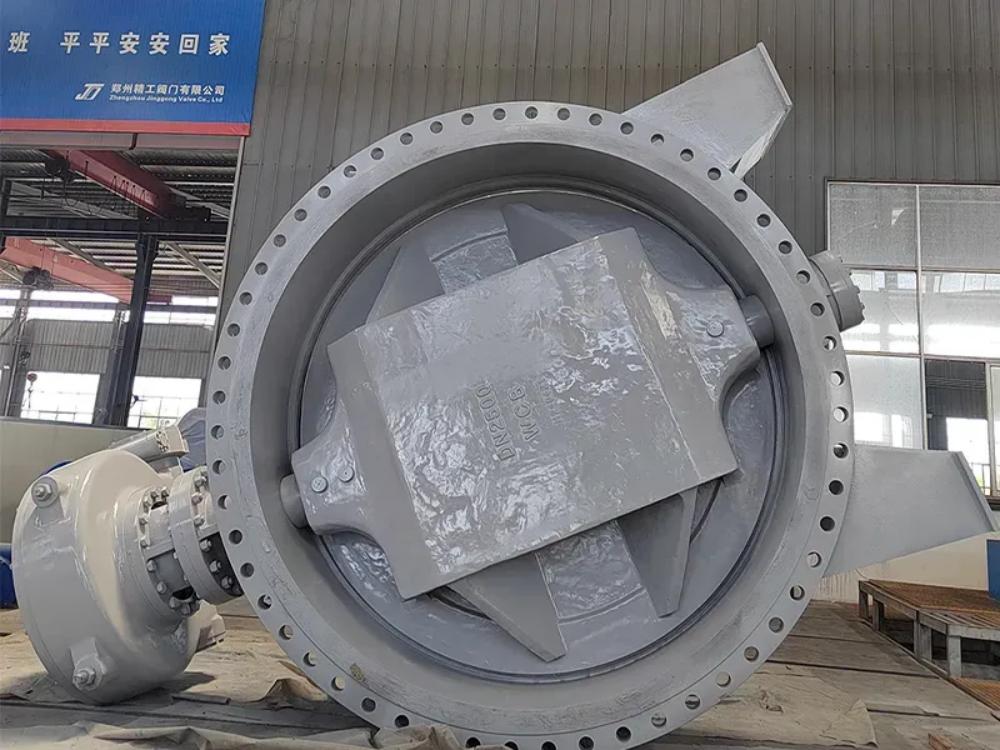
Chemical production scenarios involve a wide variety of media types, including strong acids, strong alkalis, organic solvents, corrosive waste liquids, and other fluids with extremely high chemical activity. Ordinary rubber seals are easily corroded, dissolved, and hardened and cracked. In highly corrosive material conveying lines, PTFE stands out thanks to its extreme chemical inertness, hardly reacting with various chemical media, and its sealed structure is not easily damaged by corrosion, making it suitable for most highly corrosive conditions. In special production environments where high temperatures and stacked corrosion intensify, PCTFE sealing materials have outstanding heat and corrosion resistance, making them less likely to deform or fail in high-temperature environments, firmly protecting the sealing defense line. For chemical clean water transmission pipelines with low pH and mild corrosion, nitrile rubber is sufficient to meet usage standards, offering obvious cost-performance advantages while balancing sealing performance and equipment investment costs.
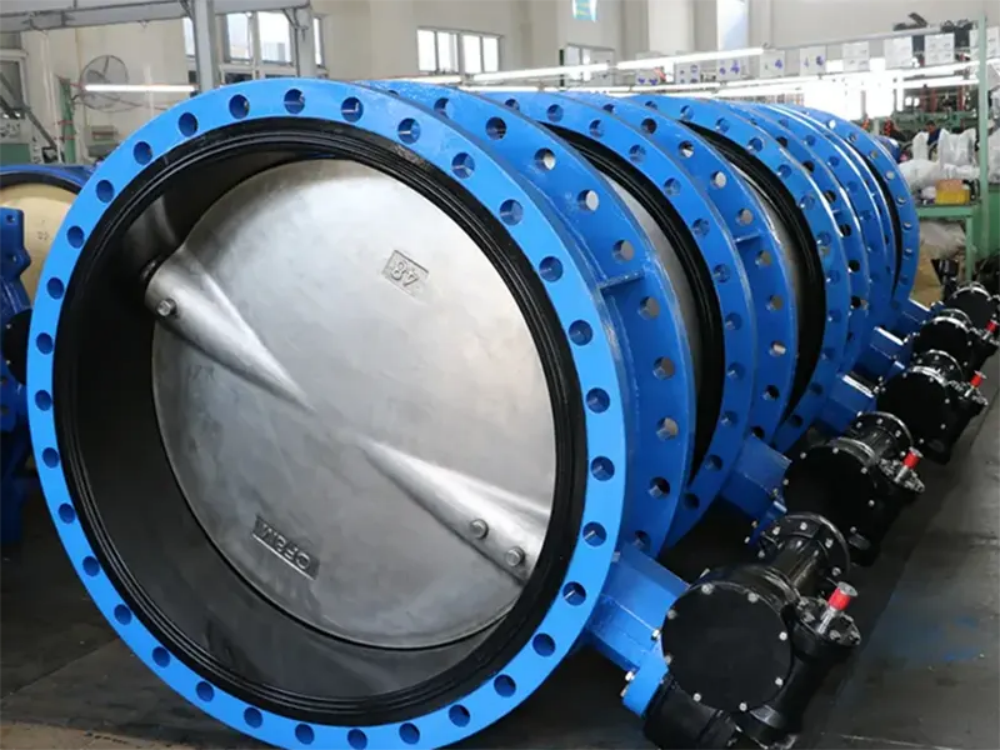
The main conveying conditions for pulverized coal are solid-liquid mixed slurry and dry pulp particles. The medium contains large amounts of high-hardness coal particles, ash, and debris. During high-speed movement, the material continuously rubs, collides, and scrapes against the sealing surface, easily causing wear, jamming, or even failure of the sealing components. For long-distance, high-flow main coal pipelines, cemented carbide seals have outstanding hardness, strong impact and scour resistance, and can withstand prolonged particle impact wear. High-performance ceramic seals rank among the top in wear resistance, performing excellently under uninterrupted continuous conveying conditions, significantly reducing the frequency of seal replacement and minimizing downtime for maintenance. For low-pressure short-distance pulverized coal conveying pipelines, using wear-resistant composite rubber seals is more suitable, relying on the material's own elasticity to cushion particle impact and reduce wear on sealing components.
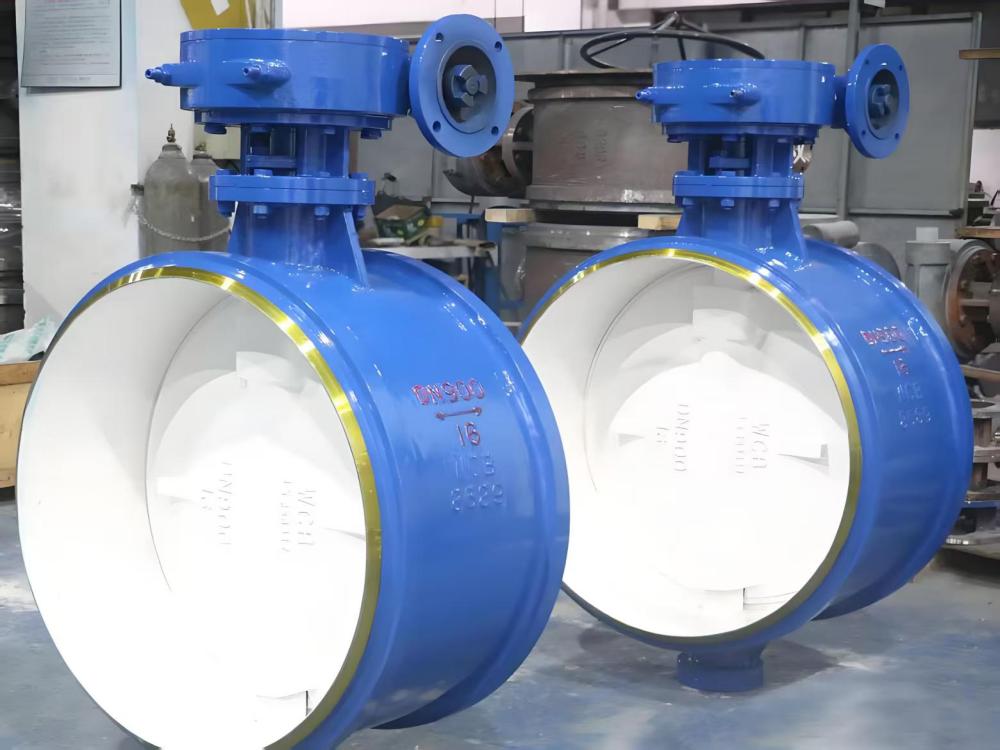
Looking at actual industrial application scenarios, there is no universal sealing material that can be adapted to all working conditions. During the technical selection stage, staff need to comprehensively consider multiple parameters such as medium composition, operating temperature, pipeline pressure, and conveying flow rate, and finalize sealing materials based on actual on-site operating conditions. Precisely tailored material selection to working conditions not only eliminates safety hazards such as leakage and leakage from the source, ensuring orderly production operations, but also slows valve aging, reduces parts replacement costs, and comprehensively enhances the safety and economy of industrial piping system operation.
.webp)