EN
EN RU
RU ES
ES FR
FR AR
AR IND
IND
The Myth of Zero Leakage: Hidden Causes of Seal Failure in Soft-Sealed Butterfly Valves
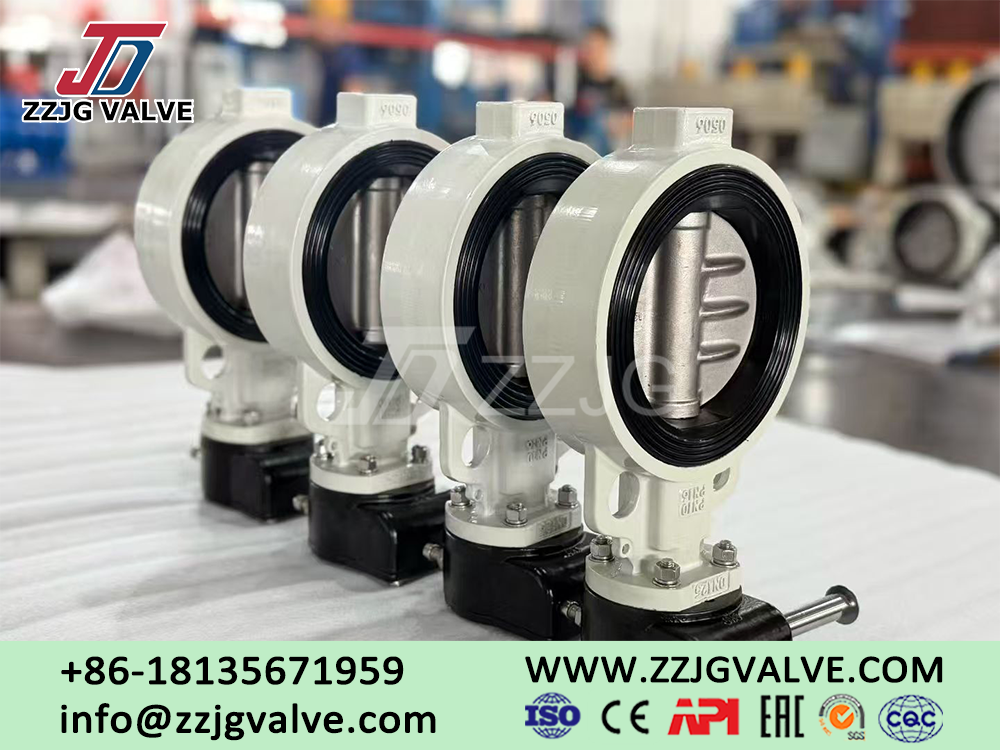
In municipal water supply and drainage, HVAC, industrial pure water delivery, and other civil and industrial pipeline network systems, soft-seal butterfly valves have become the most widely used pipeline control valves due to their outstanding sealing performance, low opening and closing torque, cost-effectiveness, and good circulation performance. In project selection and on-site operation and maintenance, many practitioners commonly hold the belief that soft-sealed butterfly valves can achieve permanent zero leakage and complete shutoff. However, feedback from actual operating conditions shows that many pipelines have experienced valve micro-seepage, dripping, and inadequate closure, which not only affect water delivery efficiency but also easily cause pipeline corrosion, foundation water accumulation, equipment downtime, and other related issues. In fact, zero leakage for soft-seal butterfly valves is conditional and limited. Most leakage issues are not product quality defects but sealing failures caused by various hidden operating conditions and human factors.
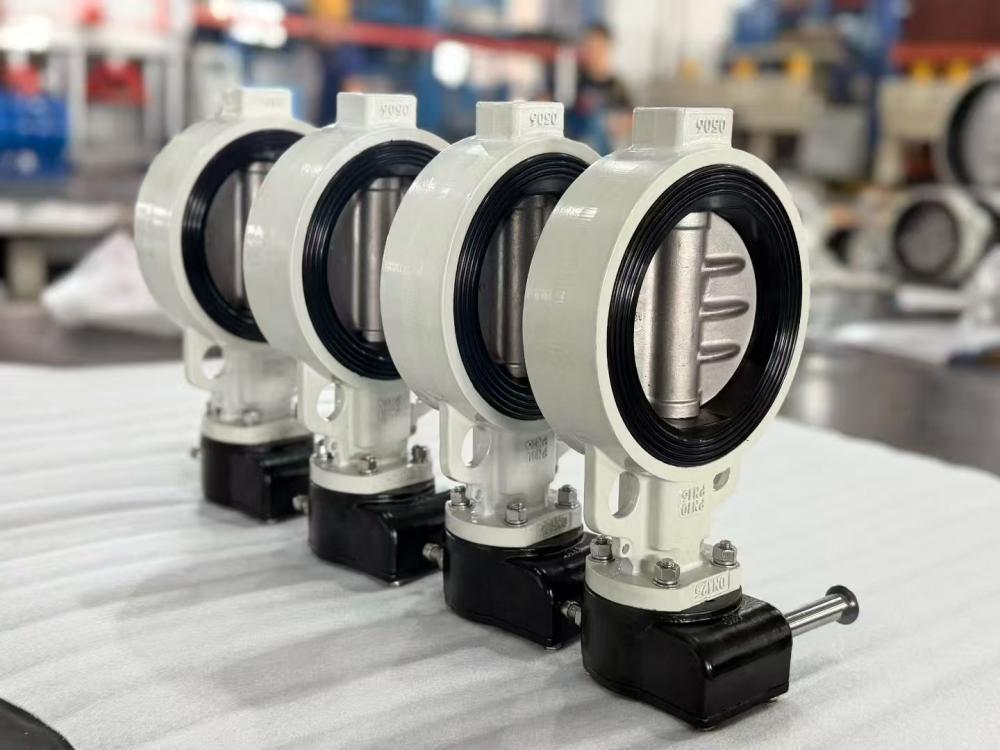
From a structural principle perspective, soft-seal butterfly valves rely on the tight fit between elastic rubber seals and discs, filling the gaps through elastic deformation of the material, thereby achieving sealing and water stopping. Compared to traditional hard-seal butterfly valves, they offer higher fault tolerance for pipeline fitting accuracy and more stable sealing performance under normal temperature and clean water conditions. However, rubber seals are elastic and easily worn, inherently limited by their temperature resistance, pressure resistance, and resistance to medium corrosion. Once the sealing structure deviates from suitable working conditions, involves improper construction and installation, or lacks maintenance later, the sealing structure will rapidly degrade, gradually losing its original sealing advantage and eventually causing leakage failures.
Unmatched operating conditions are the primary core cause of seal failure in soft-seal butterfly valves. Most projects aim to reduce procurement costs, blindly using standard soft-seal butterfly valves, without considering differentiated selection based on medium temperature, pressure, and impurity characteristics. Common seals made of nitrile rubber and EPDM rubber seals have limited temperature tolerance. Prolonged exposure to high-temperature hot water conditions accelerates rubber oxidation, causing hardening, cracking, and loss of elasticity, resulting in poor adhesion between the disc plate and the sealing surface. When pipelines operate under excessive pressure, the sealing rubber is excessively squeezed, causing irreversible plastic deformation and permanent loss of rebound sealing ability. In addition, sediment, suspended particles, and impurities in the water can easily become trapped on the sealing surfaces when the valve is closed, forming fixed gaps and causing persistent microleakage. Such impurities are also one of the most common hidden causes of leakage on site.
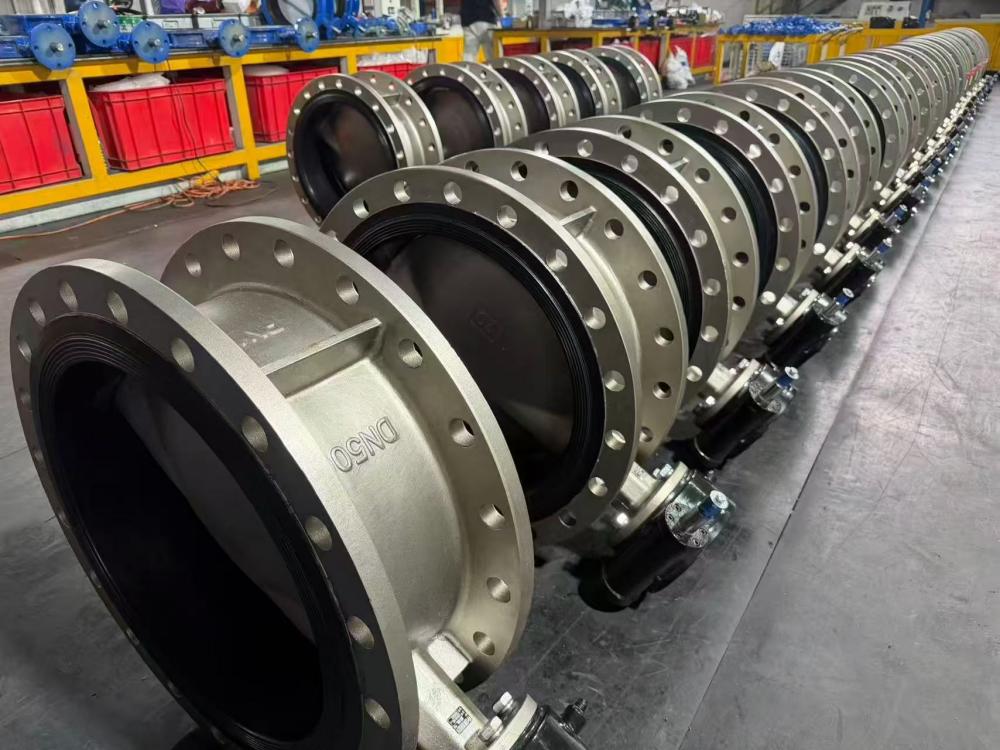
Non-standardized installation and commissioning are easily overlooked sources of leakage hazards. During pipeline construction, non-standard operations such as coaxiality deviation, flange misalignment, and uneven bolt tightening around the perimeter can subject the valve body to additional stress, causing local pressure deformation and fit displacement of the sealing rubber, completely destroying the uniformity of the sealing structure. At the same time, some construction workers perform improper commissioning, resulting in incorrect valve opening and closing limit settings, resulting in the disc plate not being able to fully close or open. The sealing surfaces remain in a partially engaged state for a long time, which not only fails to achieve water stoppage but also causes localized unilateral wear of the sealing components, leading to leakage problems in a short period and significantly shortening the valve's service life.
Material aging and fatigue wear caused by long-term operation are the main causes of valve failure in old pipeline networks. Rubber seals have a fixed service life. Daily opening and closing cycles and repeated compression deformation cause fatigue wear of the sealing material, gradually leading to embrittlement, cracking, detachment, shrinkage, and other aging phenomena. Especially for outdoor pipelines and buried pipes with alternating wet and dry conditions, seals are exposed to air, moisture, and sunlight for extended periods, greatly accelerating oxidative aging. Most projects focus only on the appearance of the valve body and neglect regular inspection and replacement of seals, ultimately leading to common issues such as micro-seepage, dripping, and persistent water leakage in the later stages of valve service.
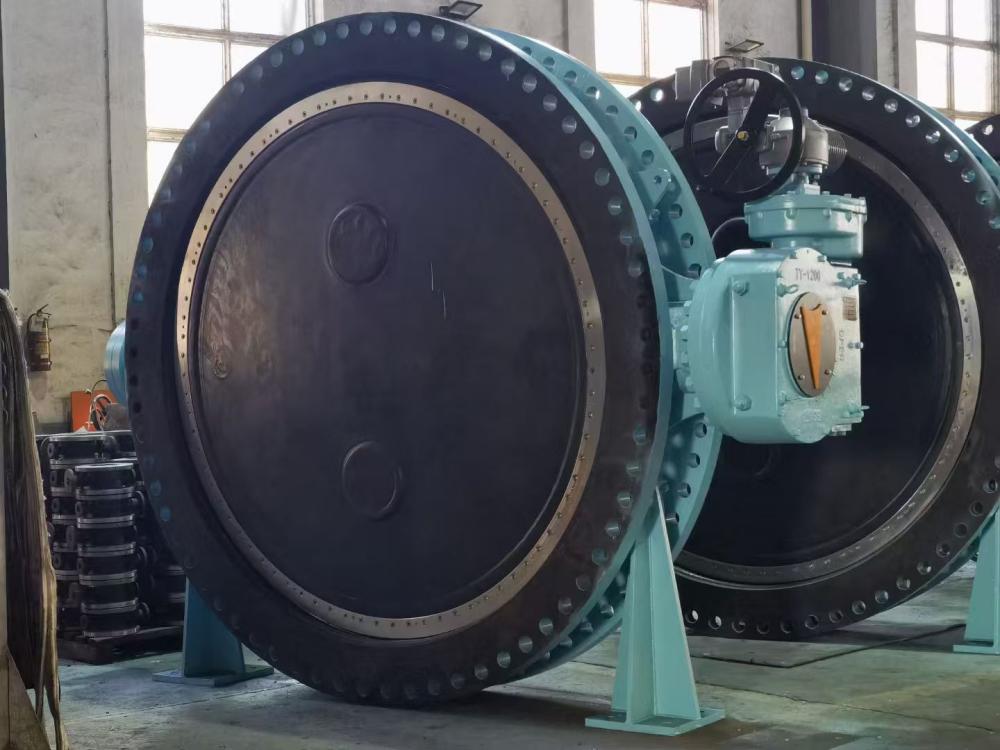
Mismatch in scenarios and selection mistakes are key hidden problems in industrial pipeline seal failure. Many practitioners mistakenly believe that soft-seal butterfly valves are suitable for all fluid operating conditions, but in fact, there are strict usage boundaries. In vacuum or negative-pressure pipelines, high-frequency regulation pipelines, and high-pressure impact conditions, ordinary soft-seal butterfly valves are prone to seal detachment, displacement, and deformation; Industrial media containing small amounts of oil and weak acids or alkalis gradually corrode and swell ordinary rubber seals, damaging the structural integrity of the seal and causing valves to completely lose their sealing capability. This is also the core reason why the leakage rate in industrial pipelines is much higher than in municipal clean water networks. Therefore, there is no such thing as an absolutely zero-leakage, maintenance-free soft-sealed butterfly valve. Stable sealing performance relies on three fundamental conditions: precise working condition selection, standardized construction and installation, and regular inspection and maintenance. In engineering applications, it is necessary to break the curing misconception that "soft seals absolutely do not leak," precisely match sealing materials and valve models based on media properties, operating temperature, and pipeline pressure, strictly standardize installation and commissioning procedures, establish an operation and maintenance program for regular seal replacement, impurity removal, and fault inspection, to avoid various hidden failures at the source and to ensure the safe, stable, and efficient operation of the pipeline system.
Next: Flow Channel Comparison and Selection Guidelines for Three-Way Plug Valves
.webp)
.webp)