EN
EN RU
RU ES
ES FR
FR AR
AR IND
IND
Double Shut-off Relief Plug Valve Introduction
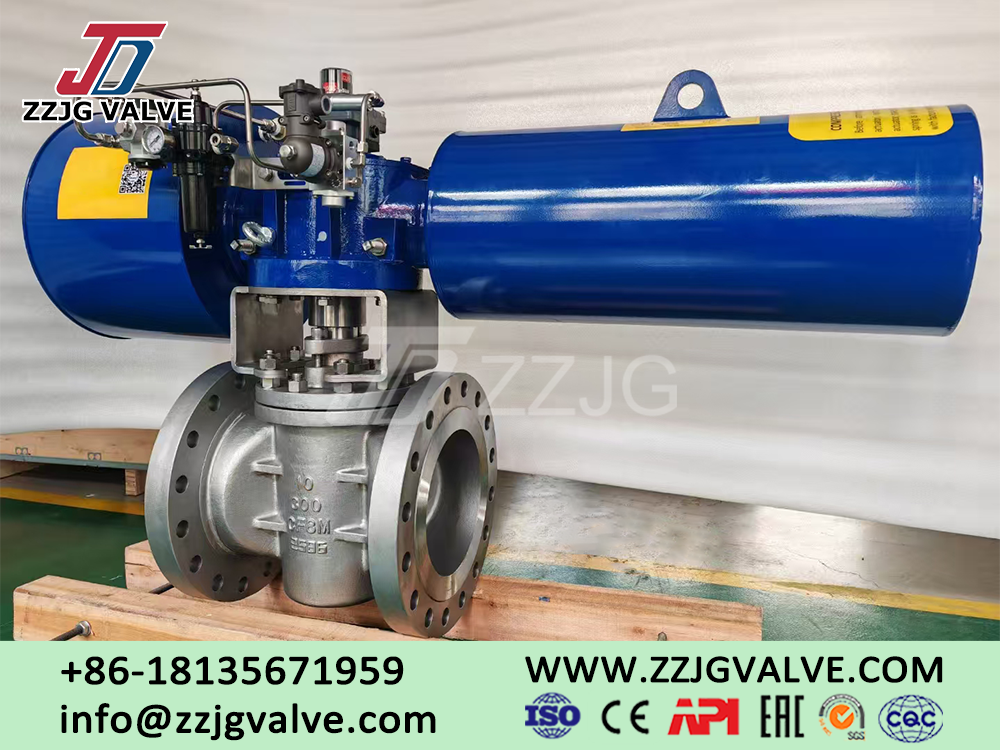
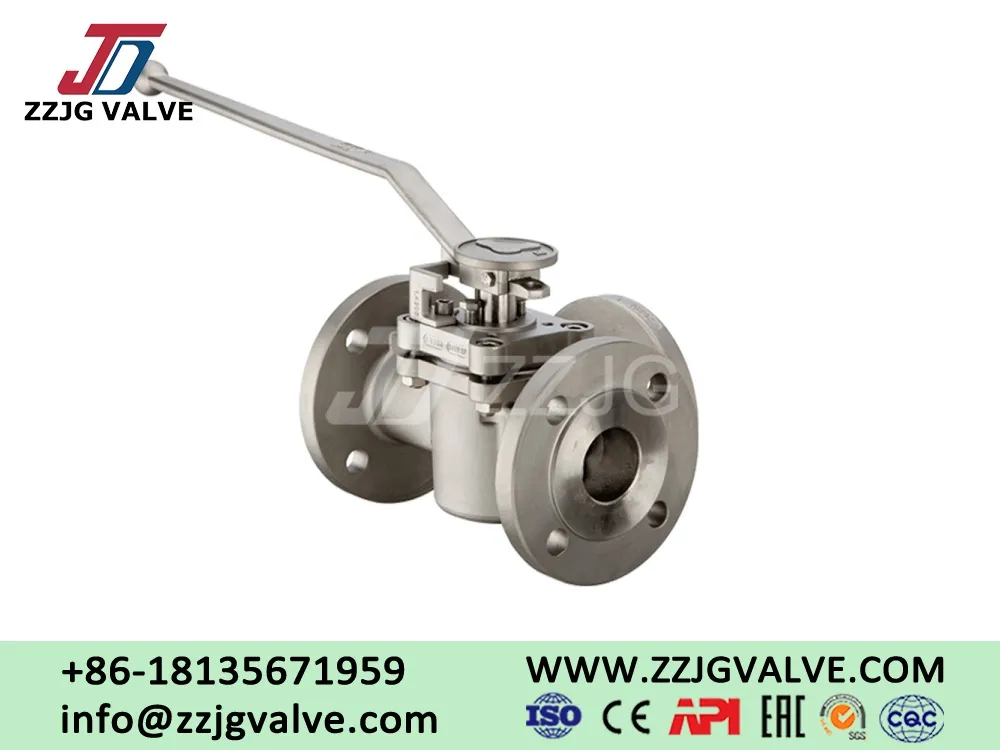
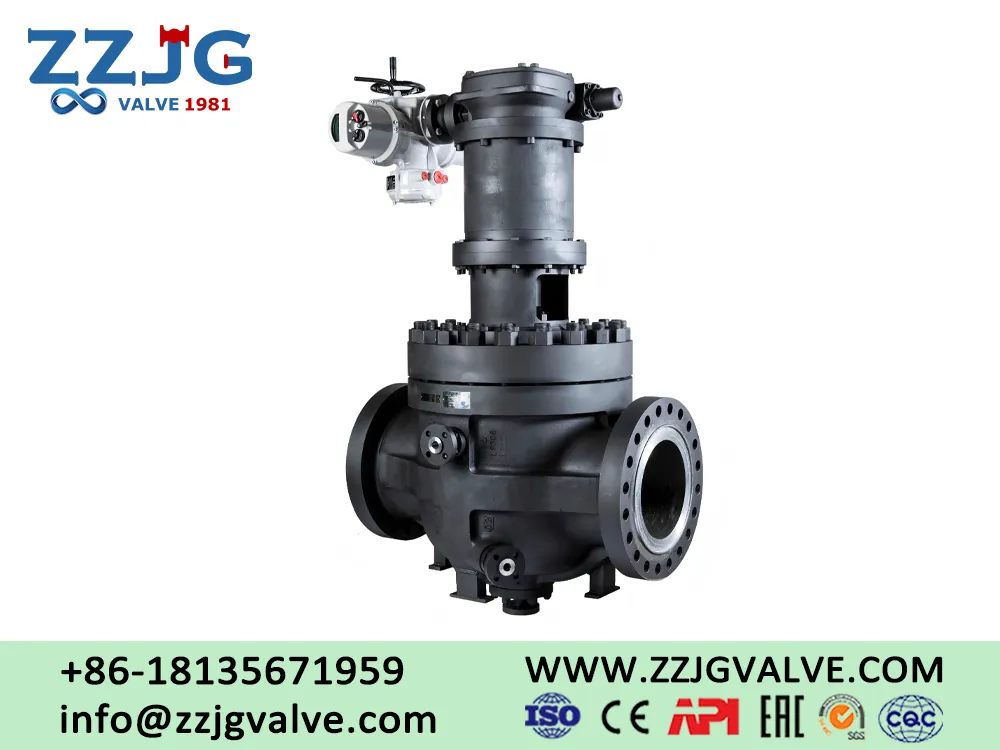
Double shut-off relief plug valve is a core competitive product of ZZJG VALVE FACTORY. It is suitable for pipelines carrying jet fuel, light oil, natural gas, liquefied petroleum gas (LPG), pipeline gas, and chemical media. Exported to more than 20 countries and regions, it has consistently received high praise from customers. Based on descriptions from technical engineers, this section explains its sealing method, structure, features, and operating principle.
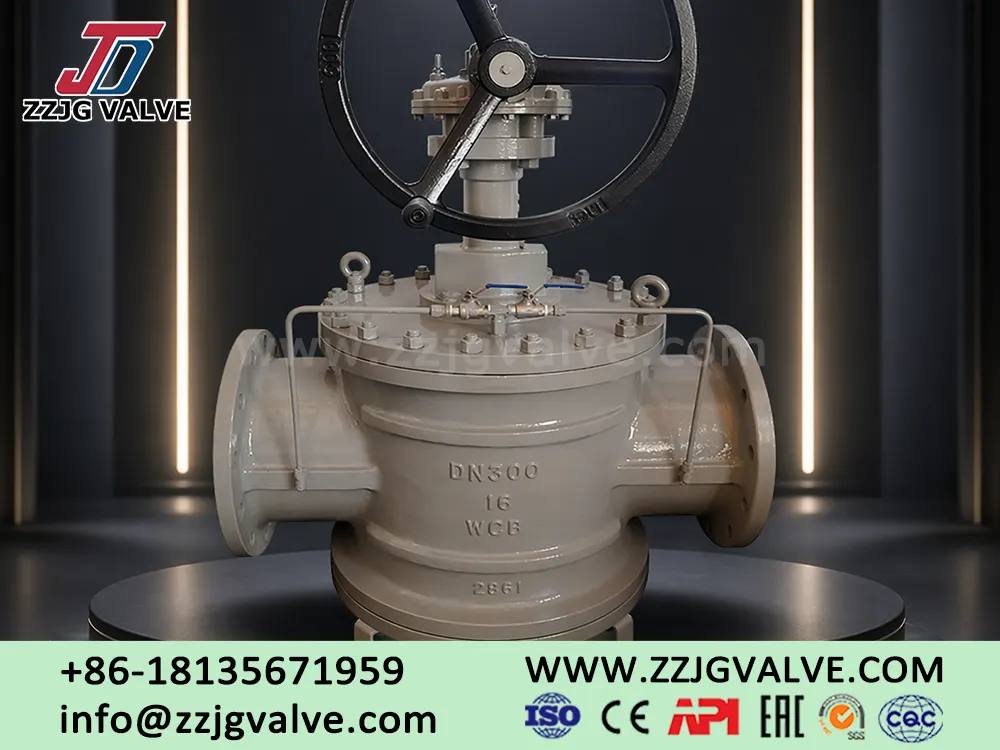
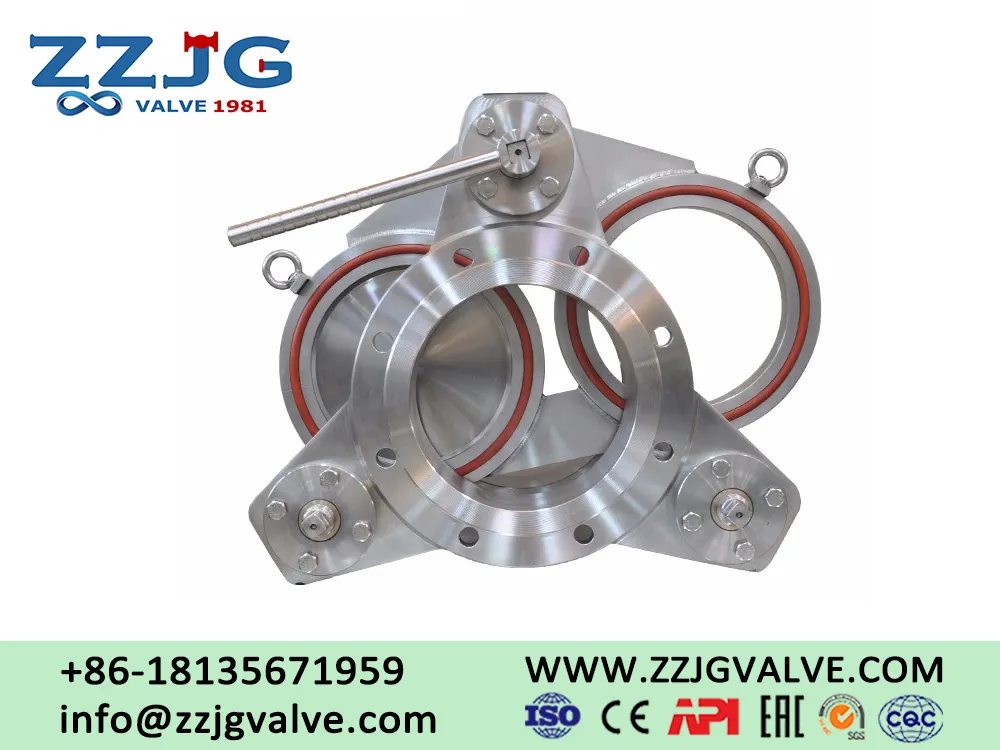
Dual Sealing Mechanism: Two independent sealing sliders press tightly against the upper and lower ends of the valve bore (dual shut-off). When the valve is closed, the relief valve opens to verify the sealing effectiveness (relief). The elastic sealing ring is molded into the groove of the sliding plate. As the sealing sliding plate moves toward the valve’s inlet and outlet, the sealing ring is gradually pressed into the groove. The machined surface of the sliding plate forms a secondary metal-to-metal seal with the valve body cavity, preventing the elastic sealing ring from being further compressed, and also providing fire-resistant functionality.
Double Shut-off and Relief: This method achieves complete isolation of both ends of the pipeline by utilizing two shut-off valves and a relief valve positioned between them. Closing the two main valves and opening the relief valve enhances system safety. If the first valve leaks, the escaping medium can be diverted through the open relief valve.
Features:
1. During valve operation, the sealing surfaces of the valve body and the sliding plate do not come into contact. Consequently, there is no friction or wear on the sealing surfaces, resulting in a long service life and low operating torque.
2. Maintenance does not require removing the valve from the pipeline; simply remove the valve bottom cover and replace the pair of sliding plates, making maintenance extremely convenient.
3. The valve body and plug are reduced-bore, which helps reduce costs.
4. The valve body interior is hard-chromium plated, ensuring a hard and smooth sealing surface.
5. The elastic seals on the sliding plates are made of fluororubber and are molded into grooves on the plate surfaces. A metal-to-metal seal with fire-resistant properties serves as a backing for the elastic seals.
6. The valve features an automatic relief device (optional) that prevents abnormal pressure buildup in the valve chamber after full closure and verifies valve performance.
7. The valve open/close indicator synchronizes with the valve position, accurately displaying the valve’s operational status
Operating Principle:
The key to the operation of this double-seal, double-shut-off, and relief valve lies in the movement of the two sealing sliders mounted on the plug.
When Valve Closing: To close the valve, first rotate the handwheel to turn the plug and sealing sliders 90°, then lower the plug. As the plug moves downward, it pushes the sealing sliders toward the inner cavity of the valve body until the elastic sealing rings are uniformly compressed against the upper and lower ends of the valve orifice, forming a seal.
When Valve Opening: To open the valve, first turn the handwheel to lift the plug, pulling the sealing sliders back from the sealing surfaces on both sides of the valve body. Once the sliders have fully retracted and disengaged from the valve body’s sealing surfaces, continue turning the handwheel to rotate the plug and sealing sliders 90°, bringing the valve to the open position.
ZZJG Valve provides the above information on double shut-off relief plug valve Introduction. If you want to know more about double shut-off relief plug valve, please contact us via WhatsApp or email.
Next: Why Are Cheaper Valves Often More Expensive? — A Life Cycle Cost Analysis Of Plug Valves
-1.webp)
.jpg)