EN
EN RU
RU ES
ES FR
FR AR
AR IND
IND
Butterfly valves directional installation requirements—you might not know that!
A butterfly valve controls the opening and closing of a pipeline using a rotating disc (or elliptical disc) inside the pipe. It has a simple structure and small size. Due to sealing structure and material limitations, its sealing performance is relatively poor, making it suitable only for regulation in low-pressure, large-diameter pipelines. It is commonly used in pipelines transporting water, air, and waste gas.
Whether there are requirements for the installation direction of a butterfly valve depends on the type of butterfly valve, its specific design, and the pipeline layout.
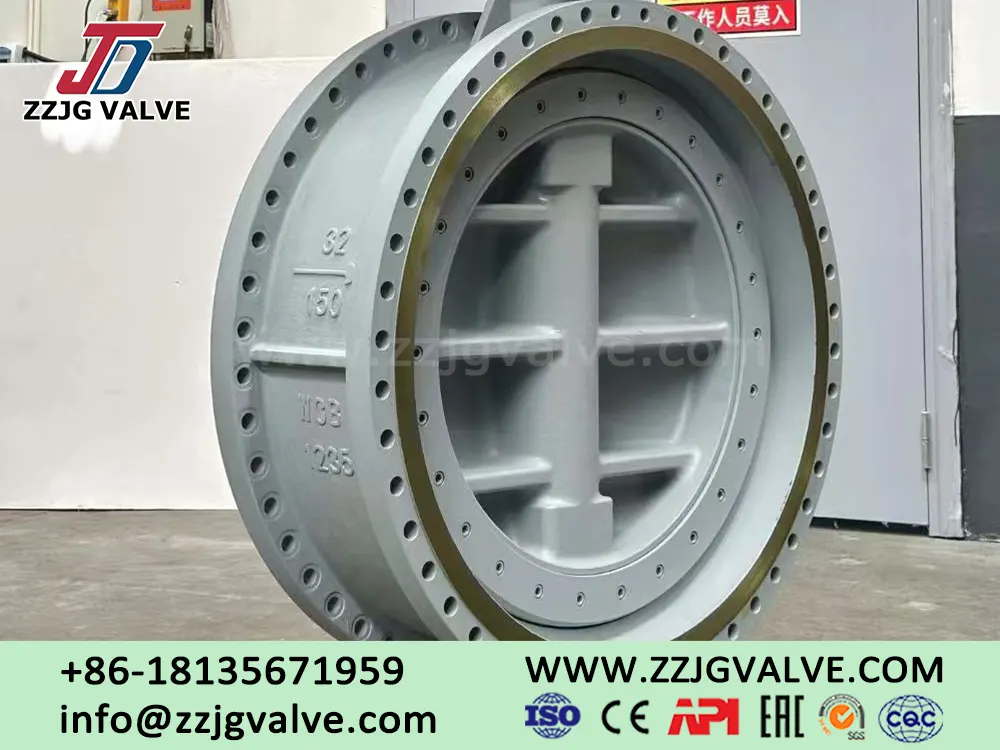
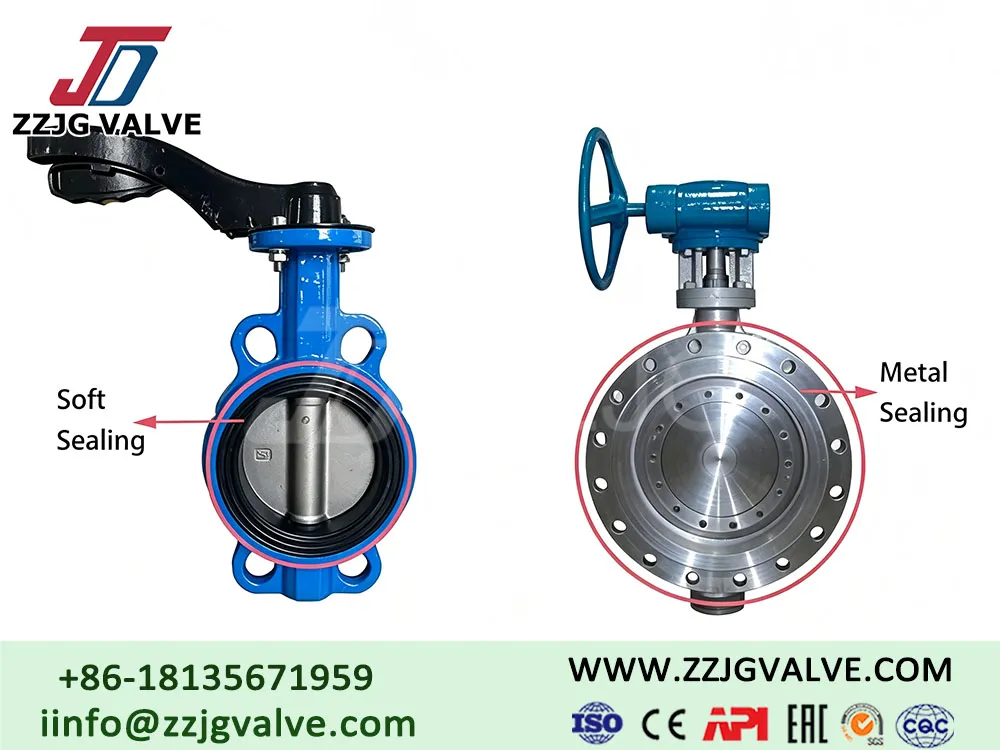
I. Installation Direction Requirements for Different Types of Butterfly Valves Before installing an eccentric butterfly valve, attention should be paid to the sealing direction. People often install valves according to the flow direction of the medium in the supply and return water pipelines, leading to poor sealing performance due to incorrect installation direction, which can affect the maintenance or accident handling of the pipeline network and equipment.
01 Eccentric Butterfly Valve Installation Direction (including double eccentric and triple eccentric butterfly valves)
Since the sealing direction is usually marked on the valve body, there are generally requirements for the installation direction of eccentric butterfly valves. Eccentric butterfly valves typically have arrows marked on their bodies. These arrows indicate the pressure direction of the medium in the pipe when the valve is closed, not the actual flow direction of the medium. During installation, the arrow direction should be aligned with the medium flow direction to ensure the valve can correctly withstand pressure and maintain its sealing performance when closed.
02 Centerline Butterfly Valve Installation Direction
Centerline butterfly valves generally do not have strict installation direction requirements and can be used in both directions. The sealing principle of this type of butterfly valve is not sensitive to the medium flow direction; it maintains good sealing performance regardless of the direction of medium flow.
II. Requirements for Butterfly Valve Installation Based on Piping Configuration When there are bends or diameter changes on the inlet or outlet side of the pump, causing fluid to bend and unevenly distribute as it flows into the valve, flow deviation will occur in the pipe. Therefore, the resulting flow deviation must be evenly distributed on both sides of the butterfly plate to avoid uneven force on both sides of the butterfly plate and the possible generation of additional torque.
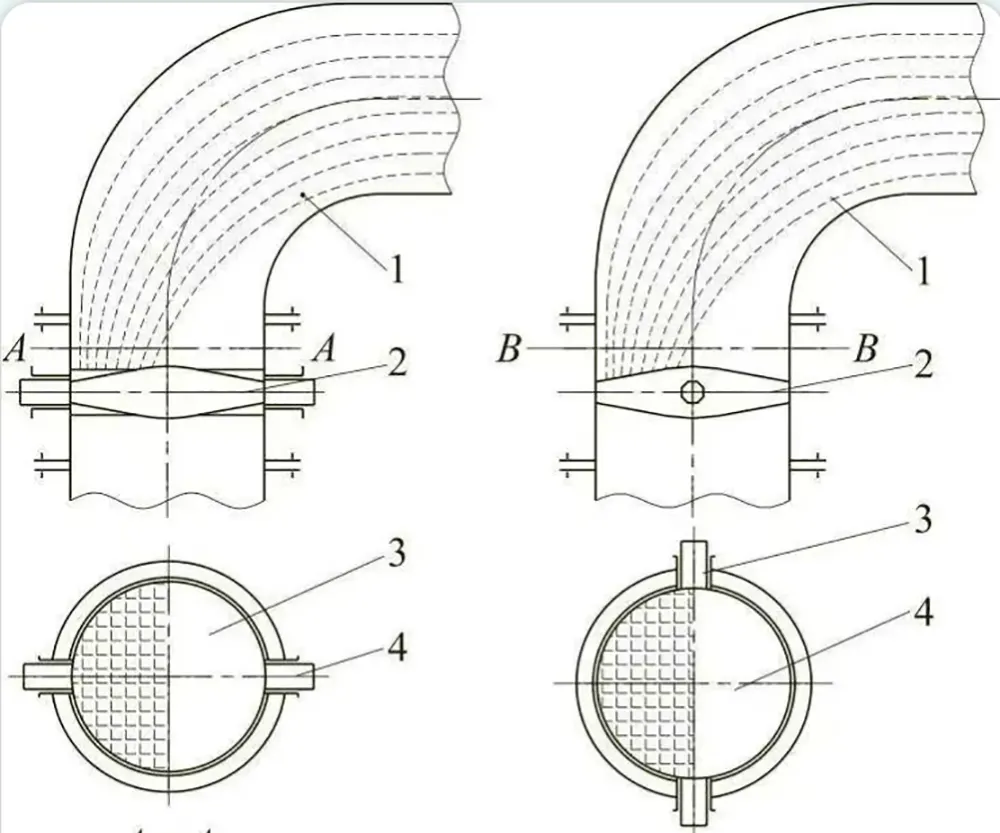
The left image shows a poor configuration. When the valve plate opens, most of the water flow impacts the lower left side of the valve plate, causing uneven stress and potentially twisting the valve stem.
The right image shows a proper configuration. When the valve plate opens, most of the water flow impacts the lower part of the valve plate, resulting in a more even stress on the valve stem. The water flow is concentrated on the left side, significantly reducing the likelihood of vortices forming at bends. The valve installation is shown in the following diagram.
Next: Can Soft-Sealed Plug Valve Be Used In The Sugar Production Process?
-1.webp)
.jpg)