EN
EN RU
RU ES
ES FR
FR AR
AR IND
IND
Industrial Practical Popular Science: How to Select Butterfly Valves Based on Actual Working Conditions
Butterfly valves are essential fluid‑control devices widely deployed across petroleum and natural gas, chemical production, power generation, metallurgy and water‑treatment industries. Operating temperature, pressure, process medium and on‑site installation settings vary greatly for different projects, which brings distinct requirements for butterfly‑valve selection.
Improper butterfly‑valve selection may trigger a series of operational troubles, including leakage, stiff valve movement, seal damage and shortened service life. For this reason, pipe diameter and pressure rating should never serve as the only reference for valve purchasing. Engineers must carry out comprehensive assessment against real‑world site operating conditions.
This article sorts out core considerations for butterfly‑valve selection, covering four key dimensions: temperature‑pressure parameters, control function demands, medium characteristics and on‑site installation conditions.
1. Operating Temperature and Pressure: Primary Selection Indicators
Temperature and pressure stand as the first set of factors to evaluate when choosing butterfly valves. They directly define valve structural design, material options and sealing solutions.
1.1 Low‑temperature and low‑pressure scenarios — Select soft‑sealed butterfly valves
Soft‑sealed butterfly valves are preferred for services with low medium temperature, low pressure and high sealing‑performance requirements.
This category of valves adopts non‑metallic sealing materials such as rubber and polytetrafluoroethylene. They deliver reliable sealing performance, low opening‑closing force and simple construction, making them well‑suited for media like water, air and common gases.
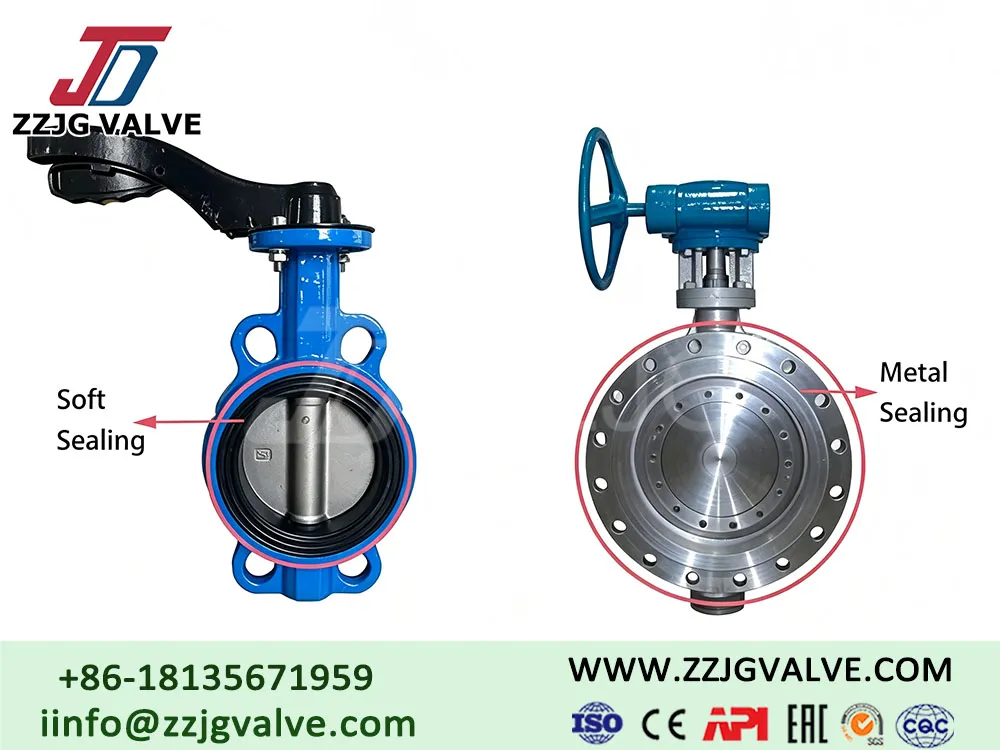
1.2 High‑temperature and high‑pressure scenarios — Select hard‑sealed butterfly valves
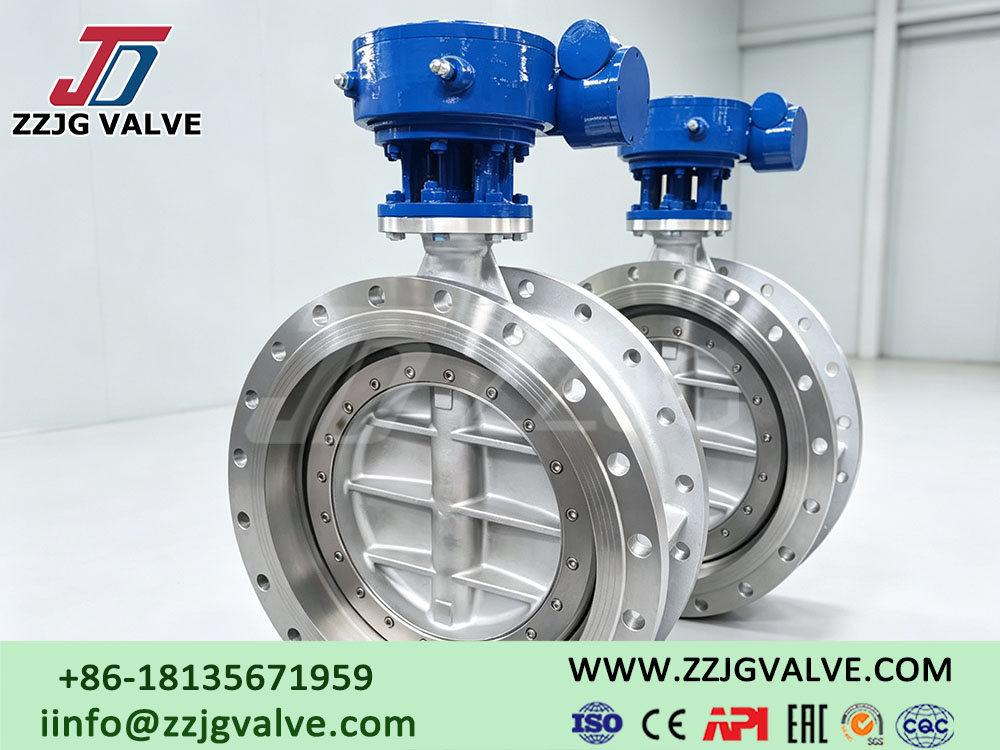
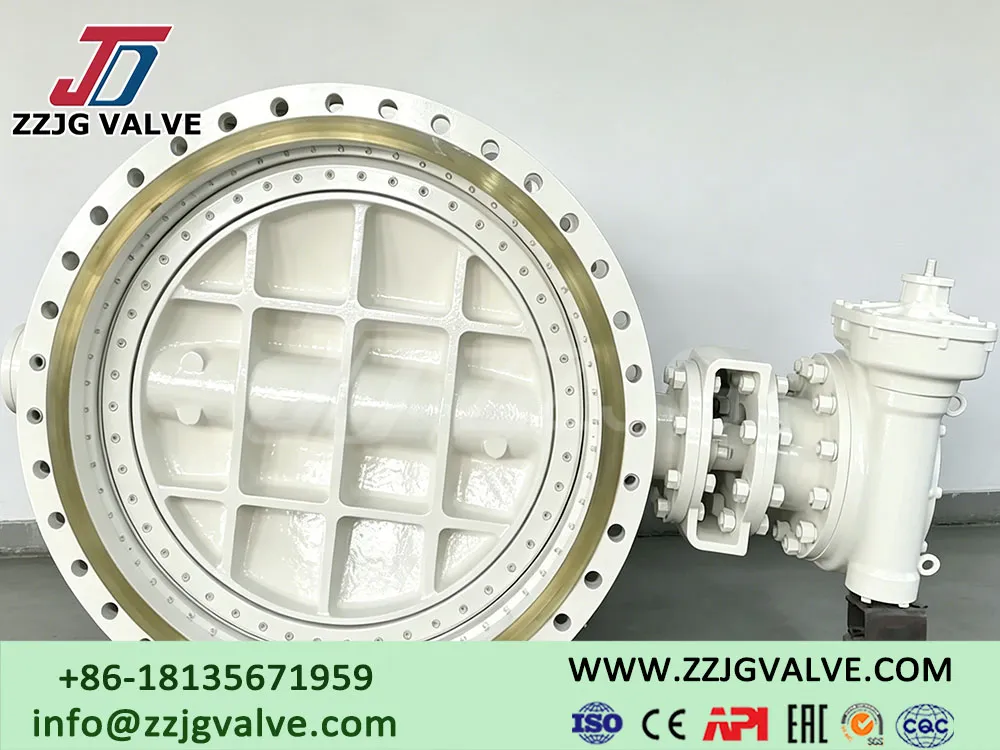
Conventional soft‑seal materials tend to age, deform and fail under combined high‑temperature and high‑pressure service. Under such harsh circumstances, hard‑sealed butterfly valves featuring metal‑to‑metal sealing are recommended; three‑eccentric butterfly valves fall within this product group.
Equipped with metal sealing rings, these valves adopt optimized structures to offset thermal expansion effects generated by high temperatures, so they can adapt well to severe high‑heat and high‑pressure working conditions.
Before finalizing a valve model, technical staff shall collect complete process data: medium normal operating temperature, maximum temperature, working pressure and maximum working pressure.
2. Match Valve Configurations With Actual Control Demands
Different field conditions put forward different functional expectations for butterfly valves. Technicians shall clarify whether the valve is used merely for pipeline on‑off or for flow‑regulation duties.
2.1 Only for on‑off service
Standard general‑purpose butterfly valves can satisfy basic opening‑closing needs. With simple structures and easy operation, they complete routine pipeline shut‑off tasks.
2.2 Need to regulate flow rate
Butterfly valves with favorable modulating performance shall be chosen. Flow rate, pressure difference and other process parameters shall be analyzed to confirm proper valve configurations.
For regulating applications, keep a close watch on valve flow characteristics and adjustable range. Where valves frequently run at small openings, suitable valve types shall be picked to prevent excessive flow velocity, vibration and noise issues.
2.3 Need for automatic control
Valves can be fitted with driving units such as electric actuators or pneumatic actuators. These devices enable remote operation and automatic flow adjustment.
For pipeline systems requiring fast opening and closing, select driving devices whose response speed and control capacity match project requirements.
3. Analyze Medium Properties to Confirm Material Specifications
Material selection becomes critical when process media are corrosive, abrasive or mixed with fine solid particles.
Seawater, acid solutions, alkali solutions and various chemical substances impose differentiated requirements on valve bodies, valve discs, valve stems and sealing components. Apart from valve‑body material, all wetted internal parts that contact process media must be taken into full consideration during selection.
3.1 Corrosive media
For corrosive working fluids, select materials according to actual site conditions. Available options include stainless steel, duplex stainless steel and corrosion‑resistant alloys. Anti‑corrosive coating can also be applied to component surfaces.
3.2 Abrasive media
For particle‑containing and highly abrasive media, pay close attention to the wear resistance of valve seats, valve discs and sealing surfaces. Where necessary, specify wear‑resistant raw materials or special surface treatments to extend valve service life.
Medium temperature, concentration, flow rate, solid‑particle content and chemical properties also need evaluation. All these elements influence material specification and sealing‑structure design.
4. Check On‑site Installation Constraints
Installation mode, connection type and available physical space on‑site are also key practical factors.
Three mainstream connection forms are widely used for butterfly valves:
- 4.1 Flange connection: Provides sound sealing performance and easy installation, ideal for large‑diameter and high‑pressure pipelines.
- 4.2 Wafer connection: Features compact size and light weight with small space occupation, applicable for most standard pipelines.
- 4.3 Lug connection: Fastened by independent bolts. This design fits pipelines requiring one‑sided disassembly or maintenance, subject to valve and pipeline overall design.
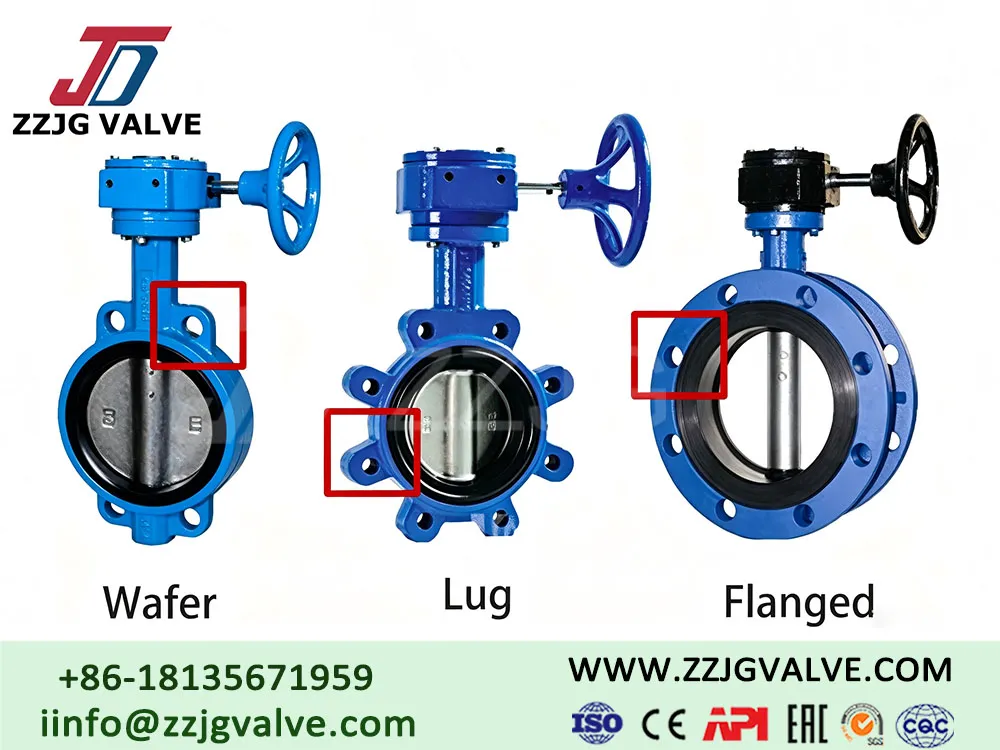
Beyond connection type, verify whether reserved installation space is adequate. If butterfly valves are assembled with handwheels, gear mechanisms, pneumatic actuators or electric actuators, sufficient room shall be reserved for daily operation and maintenance work.
When determining valve connection forms, make comprehensive reference to pipeline standards, pressure grades, installation space and maintenance requirements. Avoid the common pitfall: the valve itself can be mounted, yet matched actuators cannot function normally or later maintenance operations become inaccessible.
5. Key Takeaways
Butterfly‑valve selection should never depend solely on nominal diameter and pressure rating. Comprehensive evaluation covering temperature‑pressure levels, control functions, medium features and installation limits is essential.
Key points recap:
- Normal‑temperature, low‑pressure for basic on‑off duty: Select soft‑sealed butterfly valves;
- High‑temperature and high‑pressure under harsh conditions: Select hard‑sealed or three‑eccentric butterfly valves;
- Flow‑regulation required: Evaluate modulating performance and driving devices;
- Corrosive media: Prioritize material quality for valve bodies, sealing parts and internal components;
- Special on‑site installation conditions: Choose connection forms based on pipeline standards, available space and maintenance needs.
By aligning valve design with real‑world operating conditions, plant operators can select suitable butterfly valves and reduce on‑site failures including leakage, breakdowns and excessive maintenance workload.
Next: Accurate Empowerment for Industrial Pipeline Installation: Quick Reference Table for Caliber, Flange and Installation Length of Blind Valves
1.webp)