EN
EN RU
RU ES
ES FR
FR AR
AR IND
IND
Blind Valve Selection Guide: Dimensions, Pressure, Medium, Drive and Sealing Materials
Blind valves are mainly used for the safe isolation of pipelines. During equipment maintenance, shutdown for maintenance, and process adjustments, blind valves can completely isolate the medium in the pipeline. Ordinary valves can only perform basic on-off and cutting functions, while blind valves can form a stable mechanical isolation structure, completely eliminating the problem of medium leakage. Therefore, blind valves are commonly used in various pipeline scenarios that require high sealing and safety.
When selecting blind valves, staff cannot simply choose based on the product catalog at will. They should match the corresponding valve parameters according to the actual working conditions on site. Blind valve selection has five core points, namely valve body diameter, pressure rating, transported medium, drive method, and sealing material. This article explains the selection methods for each parameter in simple and straightforward language.
.jpg)
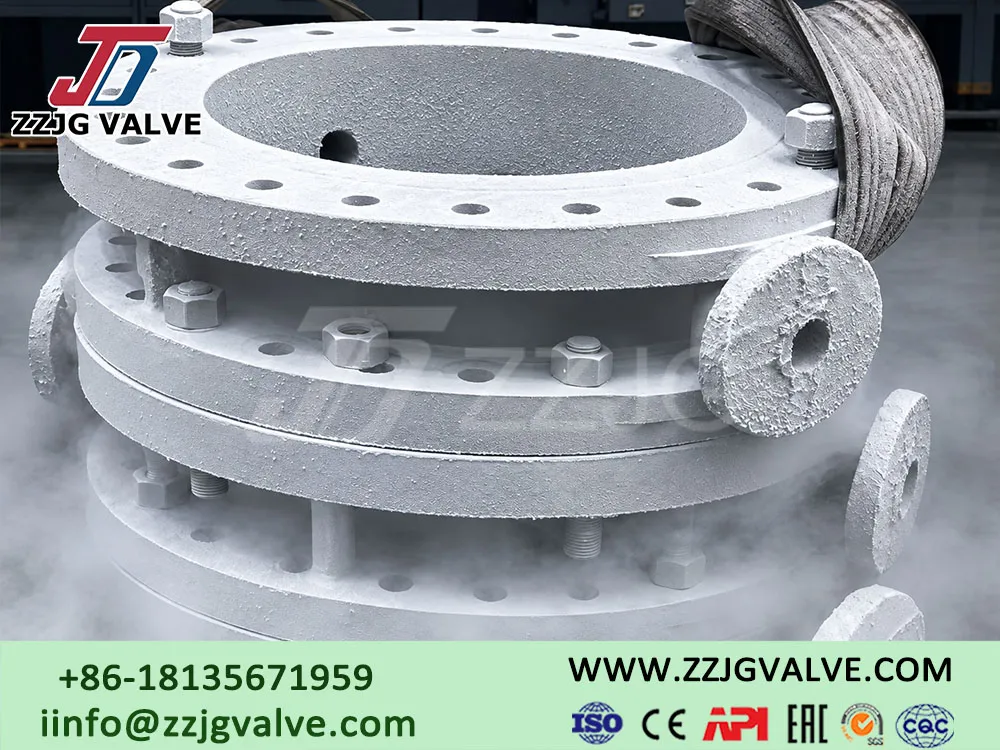
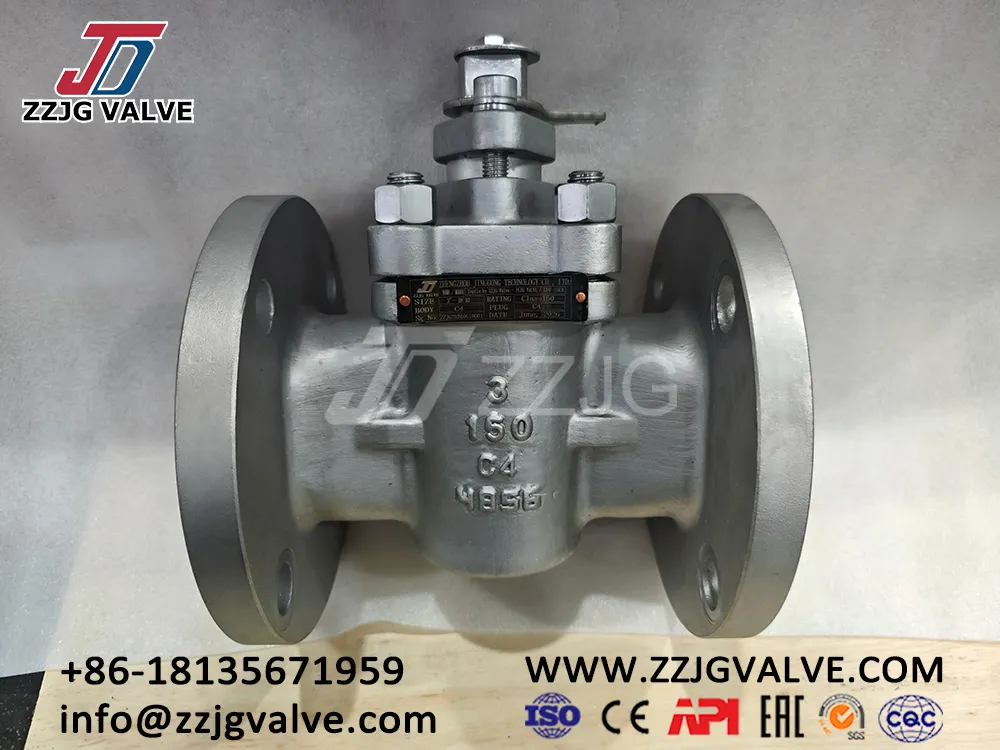
1. Valve Body Diameter: Match the pipeline size and adapt to the installation scenario
The nominal diameter of the blind valve is generally indicated by DN or NPS, and this parameter directly affects whether the valve can be adapted to the pipeline and complete the installation normally. When staff select, they should focus on the following four items:
First, confirm the actual size of the pipeline on site to ensure that the valve body diameter is consistent with the pipeline diameter.
Second, check the connection method of the pipeline, which includes flange connection, welding connection, and thread connection.
Third, confirm the execution standard of the flange, mainly including the size of the flange, the specification of the bolt holes, and the key parameters of the applicable pressure rating.
Fourth, consider the subsequent expansion requirements of the pipeline. If there are plans for upgrading and renovation of the pipeline system in the future, appropriate size margins can be reserved.
If the valve body diameter selected by the staff is too small, the flow of the medium in the pipeline will be hindered, and the pipeline pressure drop will significantly increase, affecting the overall equipment operation. If the valve body diameter selected is too large, the cost of equipment procurement will increase, and the installation and construction difficulty of the valve will also become greater. Staff must select the valve body diameter according to the original design specifications of the pipeline and cannot randomly change the size.
2-1.webp)
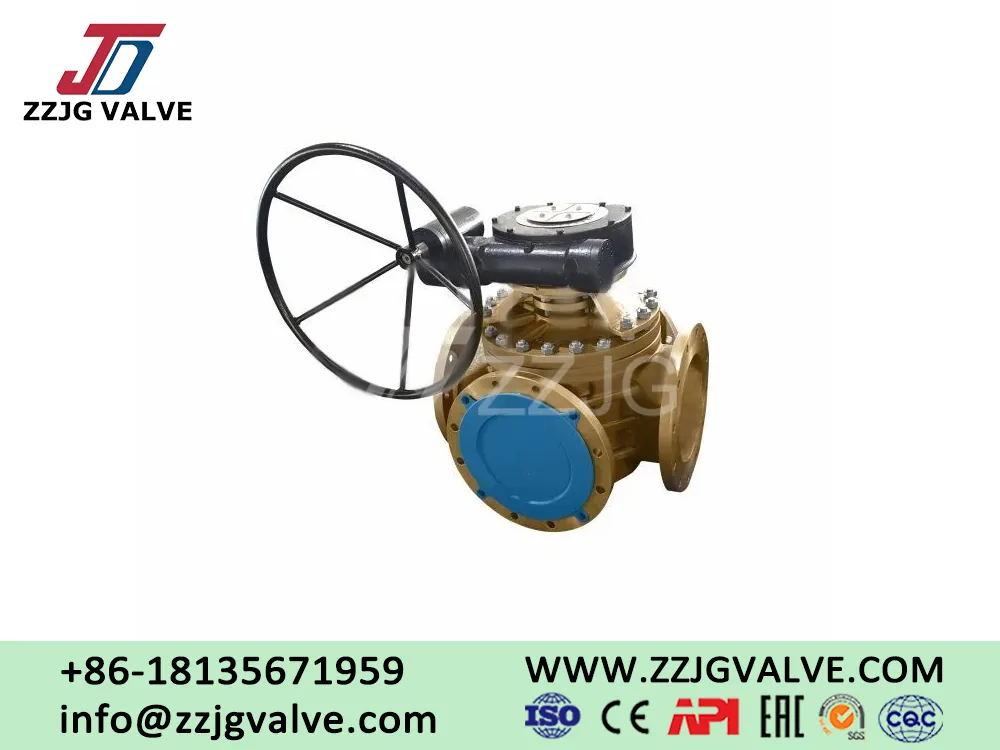
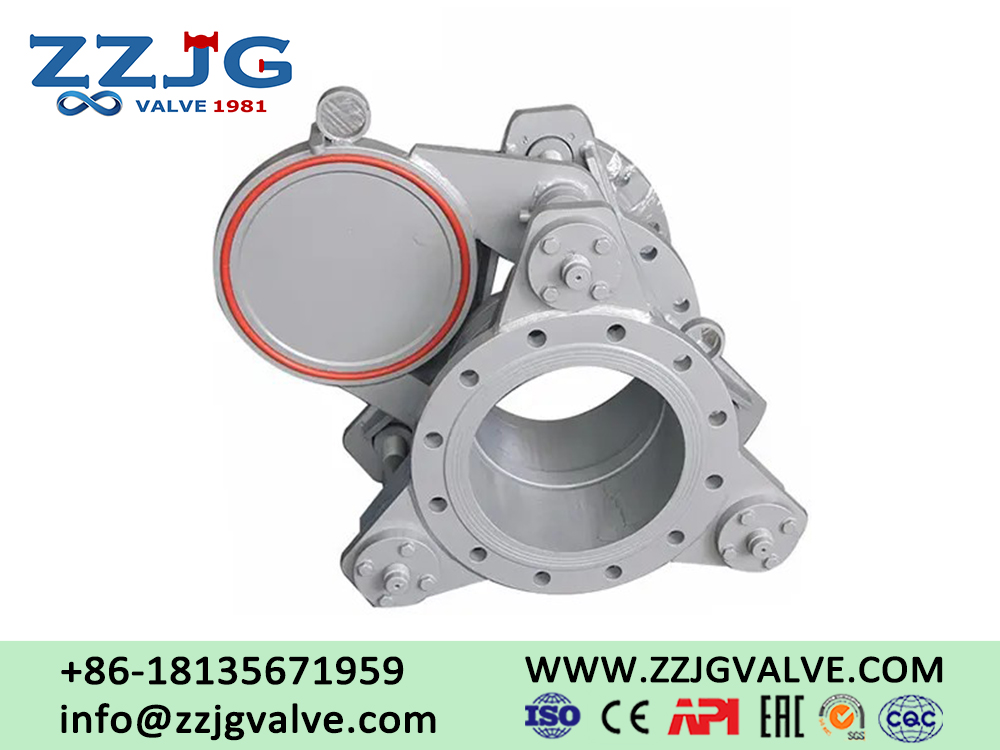
2. Pressure Rating: Match the working pressure of the condition to ensure safe operation
Pressure rating is the most important safety parameter in Blind Valve selection. The blind valve can not only withstand the normal working pressure of the pipeline but also cope with the temporary pressure fluctuations in the pipeline operation. When staff select, they should comprehensively consider four conditions related to pressure:
First, clearly define the maximum working pressure of the pipeline.
Second, refer to the design rated pressure of the entire pipeline system.
Third, anticipate the possible pressure fluctuations, water hammer impact, and other special situations in the working condition.
Fourth, combine the working temperature to determine, temperature changes will directly affect the pressure-bearing capacity of the valve.
Many staff make selection errors by only referring to the normal working pressure of the pipeline. Staff must reserve sufficient safety margins when determining the pressure rating of the valve. If the valve is used in special working conditions with high pressure and high temperature, staff must carefully check the matching relationship between pressure and temperature to ensure that the pressure-bearing capacity of the valve meets the requirements of the on-site work.
3.jpg)
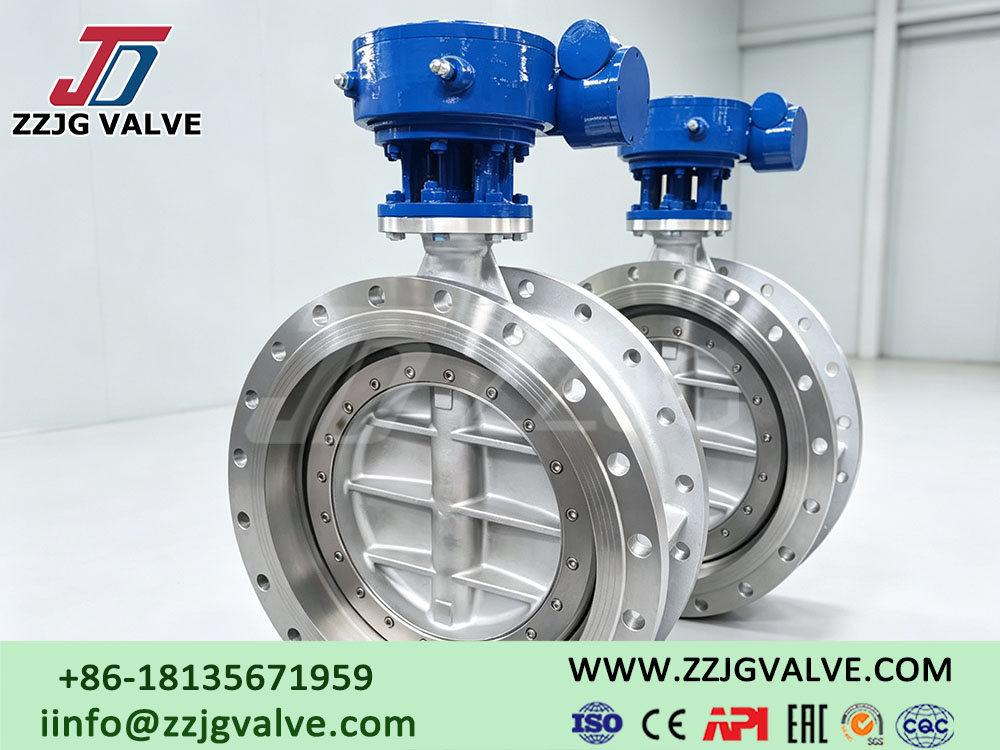
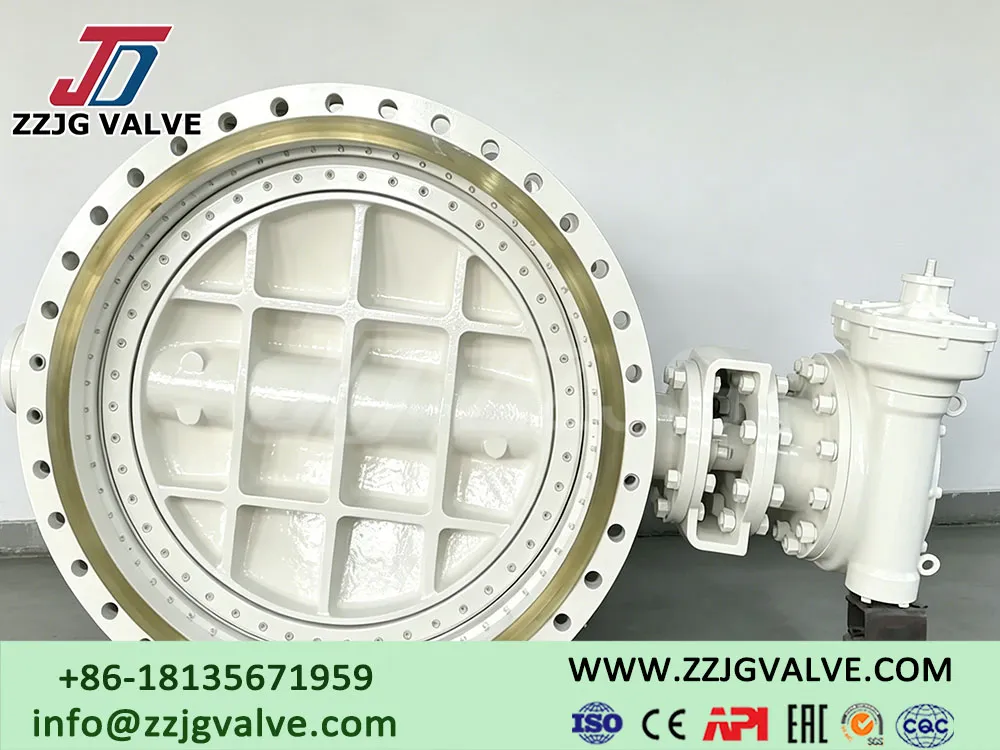
3. Transport Medium: Match the valve configuration according to the medium characteristics
The transported medium inside the pipeline directly determines the valve body material, internal structure, and service life of the Blind Valve. Different characteristics of the medium correspond to different valve selection schemes. Focus on the five characteristics of the medium:
First, distinguish the type of medium. The medium mainly includes gas, liquid, slurry, powder, etc.
Second, confirm whether the medium is corrosive and the degree of corrosion.
Third, clearly define the normal working temperature range of the medium.
Fourth, check whether the medium contains solid particles, abrasive impurities, and whether it is viscous.
Fifth, confirm whether the medium is toxic, flammable, and whether it will pollute the environment.
If the pipeline medium is corrosive chemical raw materials, the staff should choose blind valves made of corrosion-resistant materials. If the pipeline medium contains abrasive particles, the staff should select valves with a more stable structure and better sealing performance. If the pipeline medium is a hazardous one, the staff must choose blind valves with stable isolation performance to protect the personal safety of the operators and the environmental safety of the site.
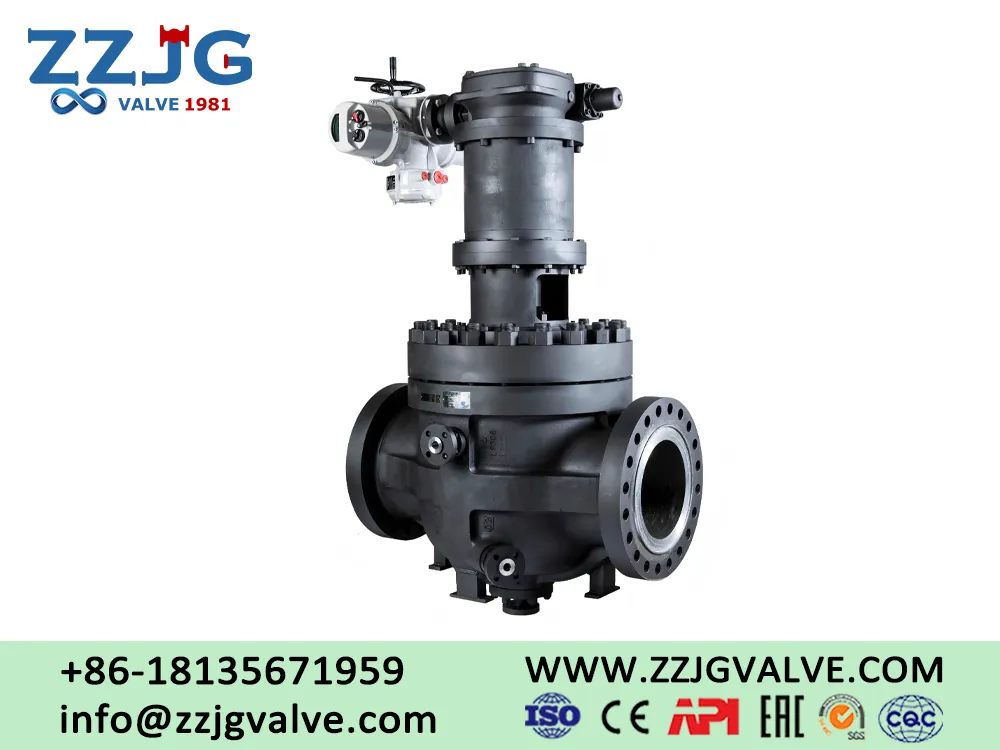
4. Drive method: Adapt to the usage scenario and meet the operational requirements
The staff can select the appropriate drive method for the blind valve based on the equipment operation frequency, automation usage requirements, and on-site installation conditions. The commonly used drive methods on the market include four types, and each method is suitable for different scenarios:
The first type is manual drive. Manual drive is suitable for pipeline scenarios with low usage frequency and simple system conditions. It is simple to operate and has a lower usage cost.
The second type is pneumatic drive. Pneumatic drive can achieve rapid valve opening and closing and is suitable for work scenarios that require automatic control and frequent start-stop.
The third type is hydraulic drive. Hydraulic drive has greater torque and is specifically suitable for large-diameter, high-pressure large blind valves.
The fourth type is electric drive. Electric drive supports remote control and can be connected to the control system of the entire equipment, suitable for work scenarios with a high degree of automation.
When the staff selects the drive method, they should consider the valve operation frequency, remote control requirements, valve opening and closing speed, as well as the power supply and gas supply conditions on site. For large-diameter and high-pressure pipeline scenarios, manual operation is very difficult, and such scenarios generally prefer the electric drive method.
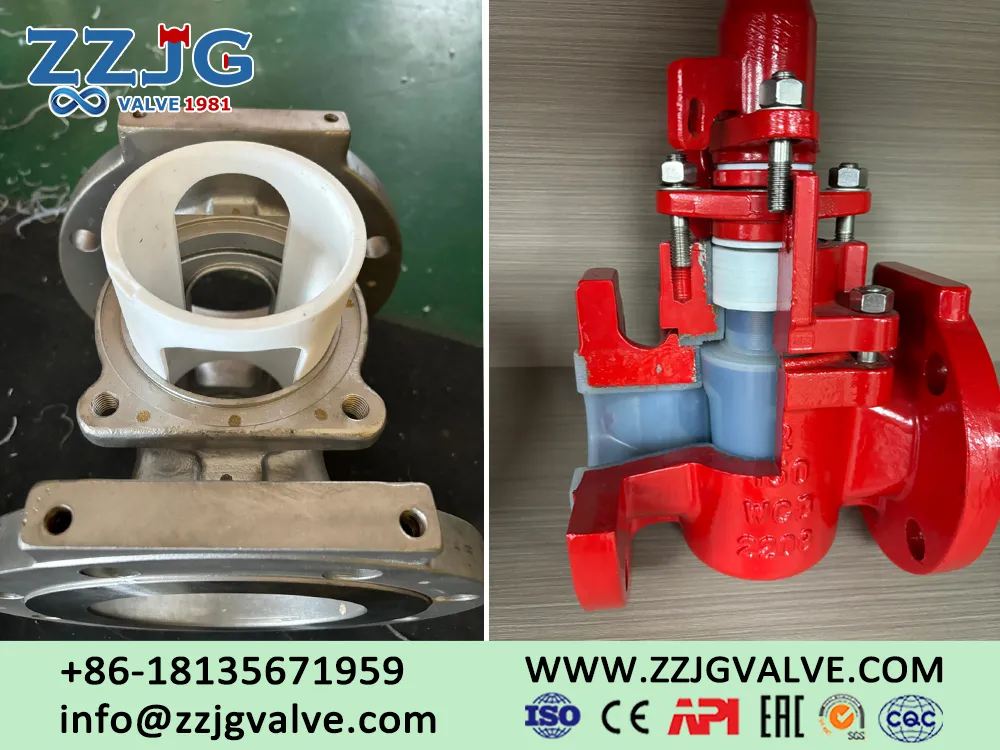
5. Sealing material: Adapt to the working environment and eliminate leakage faults
Sealing material is the core component of the blind valve for preventing leakage and directly affects the long-term operational stability of the valve. Even if the valve body material and specification are fully compatible with the working scenario, if the staff select the wrong sealing material, it will cause premature damage to the sealing parts and leakage of the valve medium. When the staff selects the sealing material, they should refer to the following five core conditions:
First, ensure that the sealing material and the transported medium will not have a chemical reaction and can be used normally together.
Second, ensure that the sealing material can adapt to the working temperature range of the medium and maintain stable performance in high-temperature and low-temperature environments.
Third, select the sealing material with matching pressure-bearing capacity according to the working pressure of the scenario.
Fourth, select the sealing material with corresponding wear resistance based on the wear characteristics of the medium.
Fifth, choose the sealing material with an appropriate service life and simple maintenance requirements based on the equipment maintenance needs.
Different sealing materials have different advantages. Some materials are suitable for ordinary and routine scenarios, while some are specifically used for high-temperature, strong corrosion, and high wear special scenarios. The staff must select the type based on the actual medium characteristics and working environment, and cannot rely on past experience to randomly choose.
4.jpg)
Blind valve quick selection list
The staff can quickly select the appropriate blind valve model by referring to the following seven questions to reduce the probability of selection errors:
1. What are the actual dimensions of the on-site pipeline and the flange connection standard?
2. What are the maximum working pressure and temperature of the pipeline system?
3. What is the medium transported by the pipeline? Does the medium have corrosiveness, wear resistance, toxicity, or flammability?
4. What is the daily operation frequency of the on-site valve?
5. What type of drive (manual, pneumatic, hydraulic, or electric) is required for the working scenario?
6. Which sealing material can be adapted to the current medium and temperature working conditions?
7. Does the equipment require frequent maintenance or long-term maintenance-free operation?
Next: Industrial Practical Popular Science: How to Select Butterfly Valves Based on Actual Working Conditions
1.webp)