EN
EN RU
RU ES
ES FR
FR AR
AR IND
IND
Introduction to Lined Plug Valve
I. Product Overview
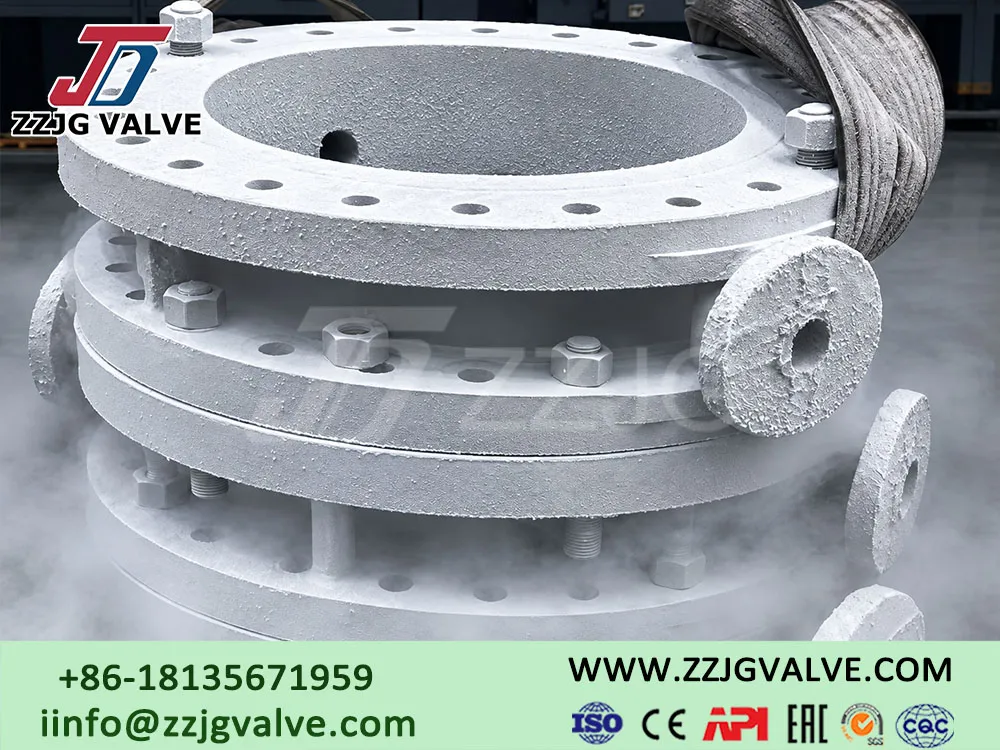
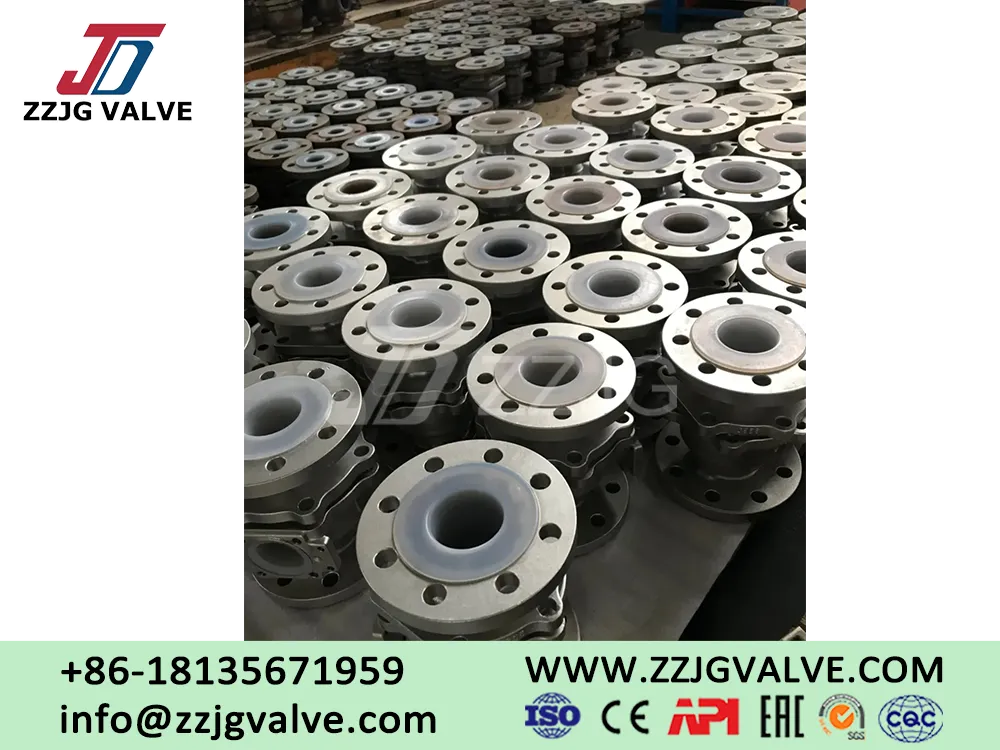
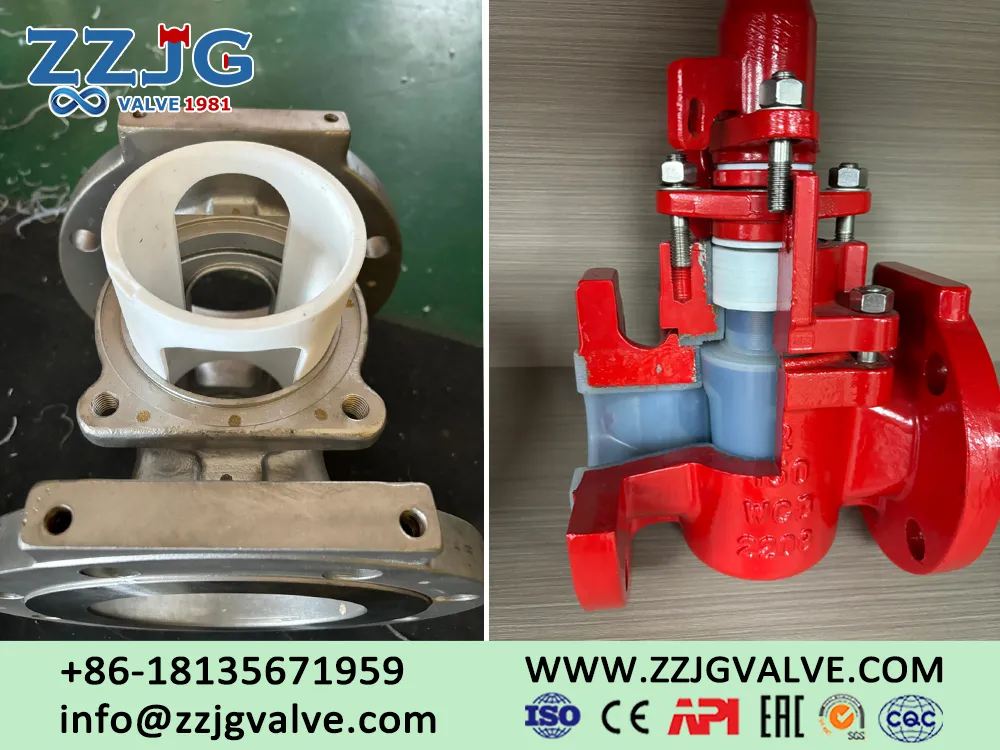
The metal shell outside the valve is used to withstand the pipeline pressure, making the overall structure more stable. The fluoropolymer liner inside the valve can isolate corrosive media from the metal shell, effectively preventing the metal components from being corroded and damaged.
This Lined Plug Valve can be adapted to various corrosive fluid pipelines such as strong acids, strong bases, oxidants, and organic solvents. It can be used in multiple industries such as chemical, environmental protection, pharmaceuticals, metallurgy, and new energy. It can solve the problem of easy corrosion and frequent damage of ordinary metal valves in harsh working conditions.
II. Working Principle
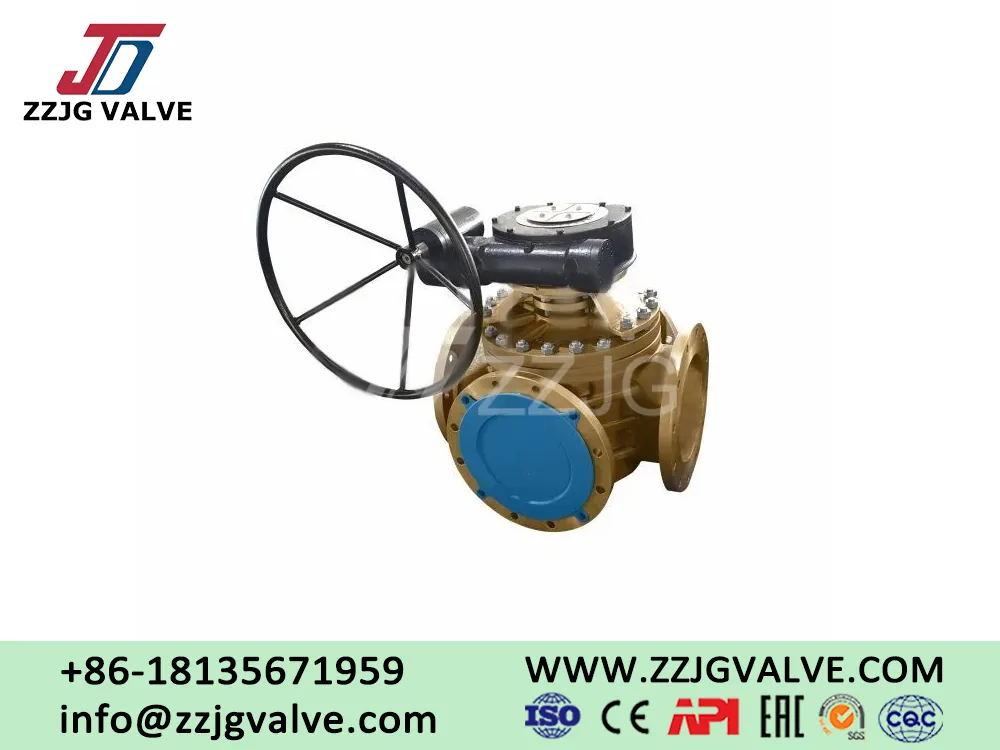
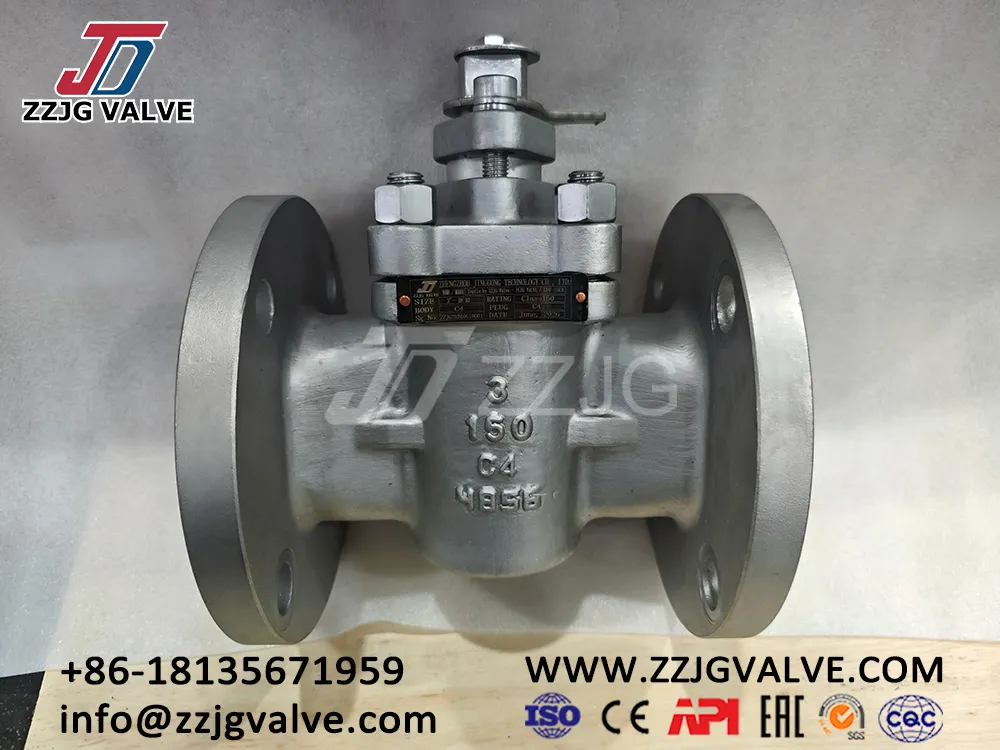
The Lined Plug Valve belongs to a 90-degree rotary valve. Its structure is simple, the operation is stable, and the use is reliable. The Lined Plug Valve uses a conical plug body with a through hole as the core component for opening and closing. Operators rotate the valve stem to drive the plug body to rotate 90 degrees to complete the opening and closing of the pipeline.
When the through hole of the plug body is parallel to the pipeline, the pipeline channel is fully opened, and the resistance of the fluid passing through is very small. After the plug body rotates 90 degrees, it will completely block the pipeline channel, achieving zero leakage and cut-off of the medium.
During the rotation and switching of the Lined Plug Valve, the conical sealing surface will produce a wiping effect. This effect can remove scale, sediment, and fine particle impurities on the sealing surface. The Lined Plug Valve can effectively prevent impurities from getting stuck and sealing leakage, and the equipment can maintain stable sealing performance during long-term use.
III. Structure Composition and Materials
This Lined Plug Valve is composed of a metal pressure-bearing shell and a full fluoropolymer liner. The overall structure adopts standardized and modular design, making the equipment easy to disassemble and maintain. The specific configuration is as follows:
1.Metal valve body. The valve body is commonly made of ductile iron, WCB carbon steel, or stainless steel. These materials have high strength and good pressure resistance, meeting the pressure standards of conventional pipelines.
2.Full encapsulated liner. All the parts in contact with the fluid of the Lined Plug Valve are fully encapsulated with high-purity PTFE, FEP, or PFA fluoropolymers. There are no exposed metal positions inside the valve, achieving all-round anti-corrosion protection.
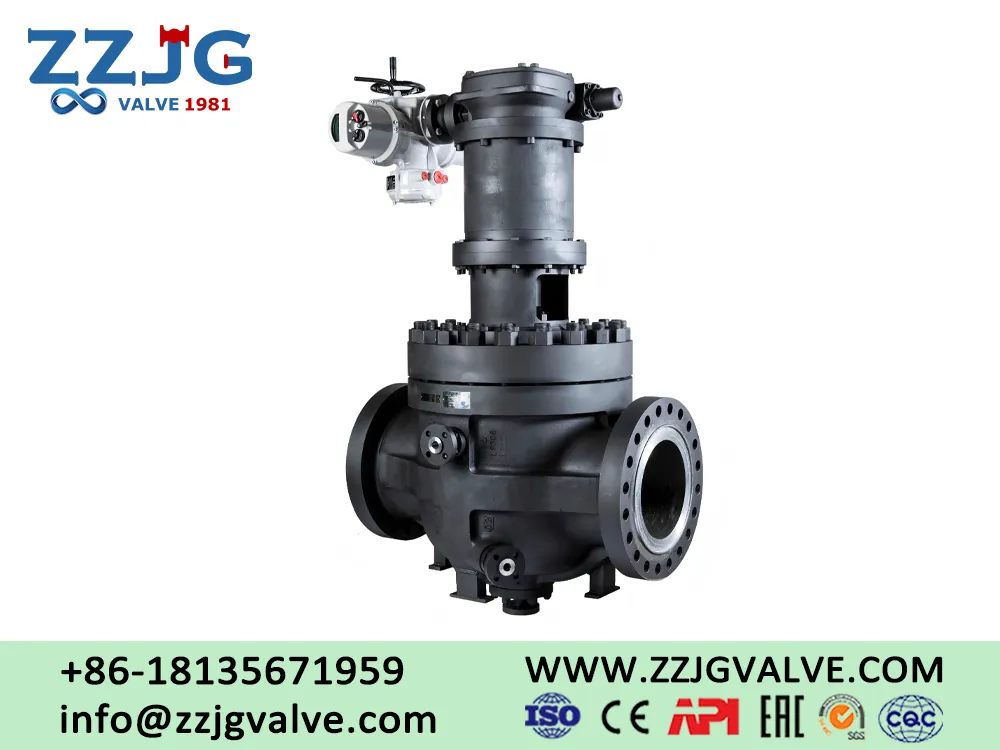
3.Driving mode. The Lined Plug Valve supports four driving modes: manual, worm gear transmission, pneumatic, and electric. The equipment can meet on-site manual operation and can also be adapted for remote automatic control of production lines.
4.Connection method. The Lined Plug Valve generally adopts flange connection, complying with common pipeline connection standards such as GB, HG, ANSI, and DIN.
5.Basic parameters. The conventional nominal diameter range of the Lined Plug Valve is DN15 to DN400, and the conventional pressure grade is PN10 to PN16, Class 150. The equipment's normal operating temperature is -40°C to 180°C. The staff can adjust the equipment's operating temperature according to the liner material.
IV. Core Product Advantages
1.Excellent anti-corrosion performance. The Lined Plug Valve is equipped with fluoropolymer liners, which can resist strong acids, strong bases, aqua regia, chlorine water, salt solutions, and various organic solvents. It can replace expensive special alloy valves and directly reduce project procurement costs.
2.Smooth flow, low resistance. The Lined Plug Valve adopts a straight-through full diameter design, with no dead corners or throttling positions inside the pipeline. The fluid does not stagnate or crystallize, and the staff's operation of cleaning the pipeline is also simpler.
3.Easy operation, quick switching. The Lined Plug Valve adopts a 90-degree rotary switching structure. The fluoropolymer liner itself has lubricating properties, and the equipment's operation force is smaller. The Lined Plug Valve can quickly complete the opening and closing of the pipeline, suitable for various emergency cut-off usage scenarios.
4.Built-in self-cleaning sealing function. During the operation of the Lined Plug Valve’s switching, the conical sealing surface can automatically wipe and clean the surface impurities. The Lined Plug Valve can stably adapt to corrosive media containing suspended particles and prone to scaling.
5.Bidirectional sealing, zero leakage. The Lined Plug Valve adopts a high-quality bidirectional sealing structure with strict sealing standards. The equipment can ensure the long-term safe and stable operation of the corrosive medium pipeline and avoid the problem of medium leakage.
6.Low maintenance cost in the future. The wear-prone sealing components and the metal valve body of the Lined Plug Valve are independent of each other. When the equipment is worn, the staff only need to replace the bushings and sealing components, without the need for an overall replacement of the valve, effectively saving operation and maintenance costs.
V. Main application fields
1.Chemical, chlor-alkali industry. The Lined Plug Valve is used for the transportation and pipeline cutting operations of sulfuric acid, hydrochloric acid, phosphoric acid, caustic soda, and various organic acid media.
2.Environmental protection, smoke gas treatment industry. The Lined Plug Valve is used in the pipeline systems of desulfurization, denitrification, and corrosive wastewater treatment with corrosive chemicals.
3.Pharmaceutical, food industry. The Lined Plug Valve avoids metal pollution risk and is suitable for the control of various high-purity clean media pipelines.
4.New energy, wet metallurgy industry. The Lined Plug Valve is used for the transportation pipelines of high-salt content and highly corrosive electrolyte solutions.
5.Chemical, petrochemical industry. The Lined Plug Valve is used for the pipeline on-off control of various corrosive chemical raw materials and auxiliary chemicals.
VI. Selection and installation instructions
1.Clarify the valve structure type. When the Lined Plug Valve is used in a strong corrosive environment, the full bushing structure must be selected. Semi-bushing valves have exposed metal parts, which are prone to be corroded by the medium and are not suitable for severe corrosive environments.
2.Match the corresponding bushing material. When the Lined Plug Valve is used in a high-temperature environment, PFA and FEP bushings are preferred. When the Lined Plug Valve is used in a normal temperature and conventional corrosive medium, a general PTFE bushing can meet the usage requirements.
3.Standardize the equipment usage scenarios. This Lined Plug Valve is only suitable for the isolation operations of full opening and full closing of pipelines and is not suitable for throttling regulation in a semi-open state.
4.Standardize the equipment installation operation. There is no strict flow direction requirement for the installation of the Lined Plug Valve. When installing and using the equipment, staff are prohibited from forcefully hitting the valve body and valve stem to avoid damage to the equipment.
5.Provide complete selection parameters. When users select the Lined Plug Valve, they need to clearly provide the valve diameter, pressure grade, medium properties, operating temperature, driving method, etc., to ensure accurate selection and the equipment can match the actual working conditions.
Next: Lift Plug Valve: Reliable Sealing for Harsh Industrial Environments
1.webp)