EN
EN RU
RU ES
ES FR
FR AR
AR IND
IND
What To Do If The Plug Valve Gets “Stuck”? Analysis Of The Cause And Preventive Measures
In industrial pipeline system, the plug valve is widely used in such as petroleum, chemical engineering, and natural gas. They have simple structure, rapid operation, and low fluid resistance. However, during use, the "stuck" of the plug valve is one of the most common faults. Seriously affecting the normal operation of equipment and the continuity of production.
Once the plug valve cannot rotate, it not only cause the pipeline be unable to open or close, but also forced operation may also damage the valve stem, handle, or even the valve body, causing greater losses. So, why does the plug valve get stuck? And how can it be prevented and dealt with?
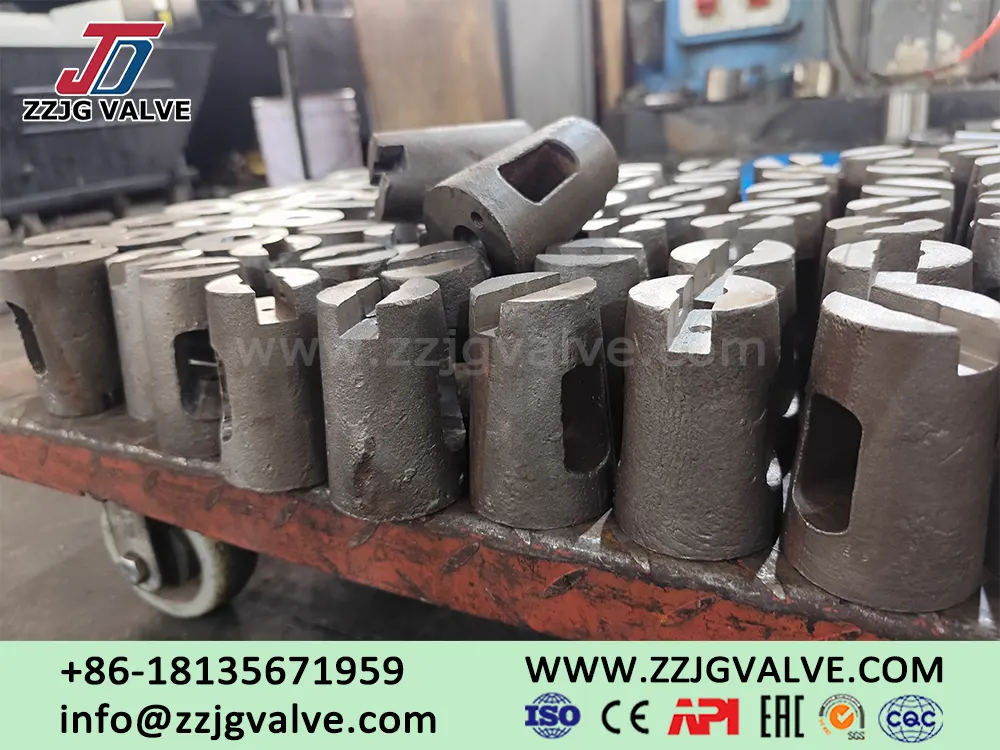
I. Common Causes of Stuck Globe Valves
1. Media Crystallization Or Scaling
This is the most common reason of plug valve block in the chemical and oil and gas industries. When the medium being transported through the pipeline has crystallization properties (such as urea solution, salt water, or certain chemical raw materials) or is easy to solidification at specific temperatures. These crystals will gradually deposit in the sealing gap between the plug and the valve body, eventually create a "gluing" effect that prevents the plug from rotating. Additionally, long-term transportation of media containing impurities also causes the impurities to accumulate and form deposits in the valve chamber.
2. Rusting Due To Long-Term Non-Operation
For valves installed on backup pipelines or those that are rarely opened and closed, the plug valves may remain unused for months or even years. During this period, the contact area between the valve stem and the packing, as well as the sealing surface between the plug and the valve body, are easy to electrochemical corrosion due to moisture and oxygen in the environment, resulting in rust or oxide layers. These corrosion products will fill the gaps, causing the plug and the valve body to "stick" together.
3. Grease Has Dried Up Or Leaked Out
The normal operation of the plug valve depends on the lubricating grease (sealing grease) at the sealing surface and the valve stem area. Under a high temperature, high pressure or the action of medium erosion, the lubricating grease may gradually dry out, carbonize or be dissolved and washed away by the medium. Once the lubrication is lost, the friction coefficient between the metal components increases sharply, and at the same time, the sealing surface is prone to wear and binding, eventually leading to jamming.
4. Excessive Tightness Caused By Thermal Expansion
Under high-temperature conditions, there may be differences in the thermal expansion coefficients of the plug and the valve body materials. If the valve is closed at high temperatures and then cooled, the plug may not contract uniformly, or if the plug is overly tightly pressed into the valve body during high-temperature operation, this can lead to sticking or even complete failure of the valve.
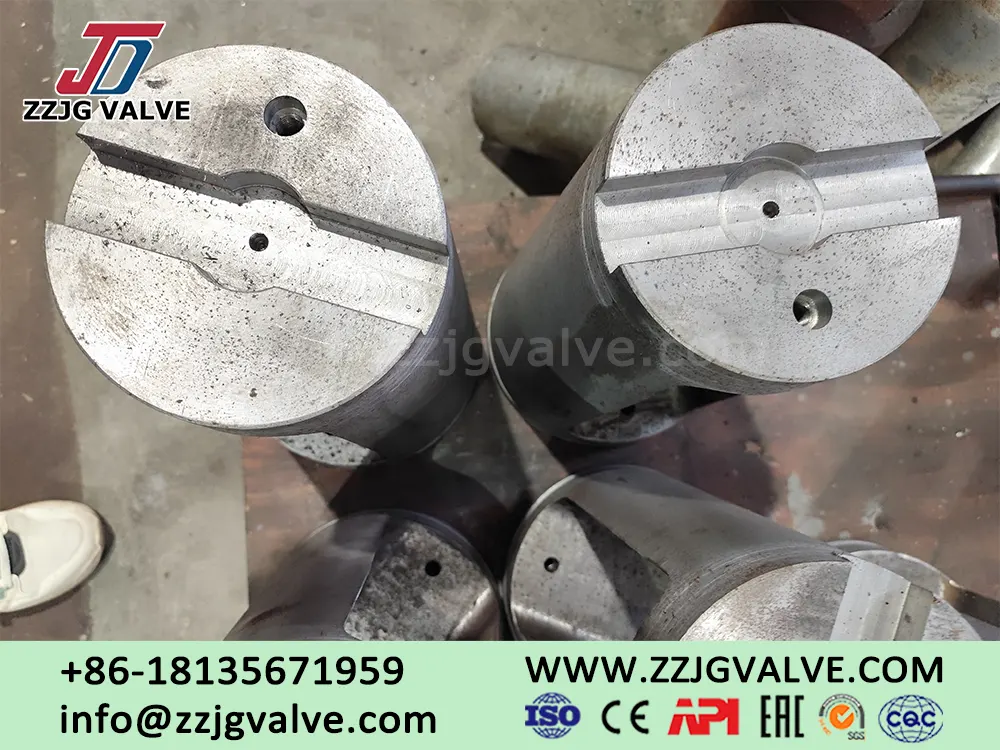
II. Emergency Handling Methods After System Lockup
When it is discovered that the plug valve has become stuck, do not blindly use an extended force arm to forcibly turn it; otherwise, the valve stem or valve body is very likely to be damaged. The following measures are recommended:
- Light tapping method: Use a non-metallic hammer or copper rod to gently tap around the valve body, especially the large end of the plug. The vibration helps loosen the crystalline or rust layer.
- Heating method: For situations where the valve gets stuck due to medium crystallization or dry lubricating grease, use a hot air gun or flame gun (be cautious of safety) to evenly heat the valve body, allowing the crystalline to dissolve or the dry grease to soften.
- Injecting penetrating agent: Inject a special rust remover or kerosene through the grease injection port on the valve body. Let it soak for several hours before attempting to slowly move the valve.
- Mechanical disassembly: If the above methods are ineffective, the valve needs to be removed from the pipeline, disassembled, and the internal crystalline and rust removed. The sealing surface should be ground and reassembled.
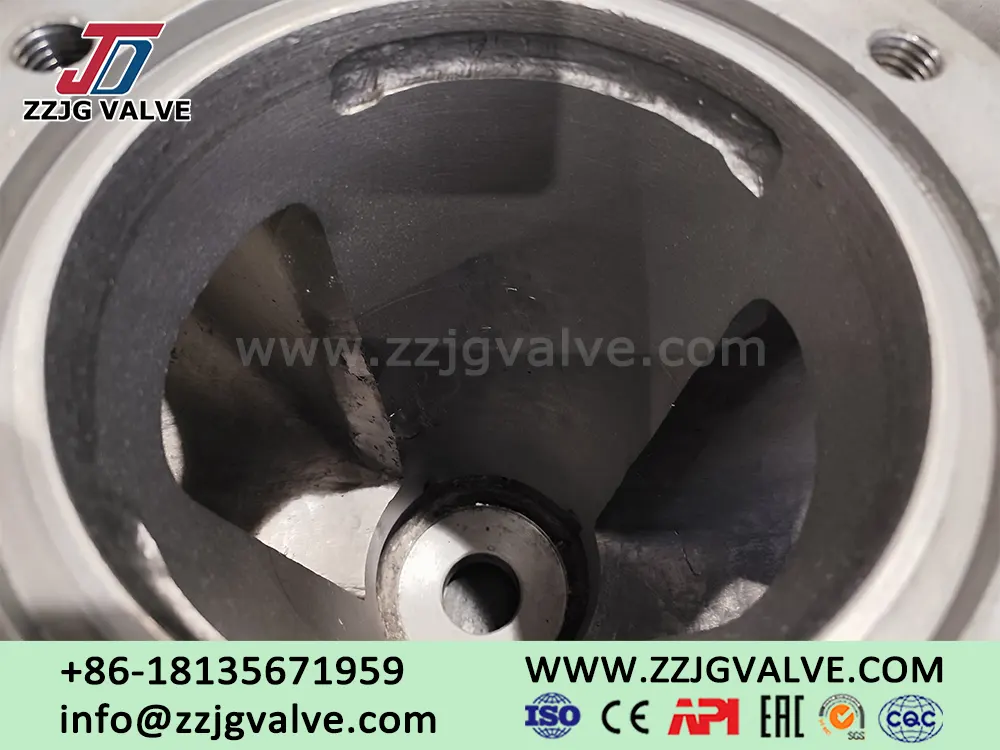
III. Effective Measures for Preventing the Plug Valve from Sticking
Prevention is better than repair. Regarding the causes of the stuck situation, the following preventive maintenance plans can be adopted:
1. Regular switching operation
For the plug valves that are not in use for a long time, a regular inspection and operation system should be established. It is recommended to fully open and close the valves once every 1 to 3 months to prevent rust and adhesion caused by long-term inactivity. During the operation, lubricating grease can be evenly distributed on the sealing surfaces.
2. Regularly add sealing grease
Using the grease injection port on the valve body, add the qualified plug valve-specific sealing grease according to the specified period in the equipment manual (generally 3-6 months). The sealing grease not only has a lubricating effect but also helps with sealing and prevents the medium from entering the gap. For high-temperature or corrosive working conditions, special lubricating grease with high temperature resistance and chemical corrosion resistance should be selected.
3. Keep clean
On pipelines where the medium is prone to crystallization or contains impurities, a filter can be installed upstream of the valve and the pipeline should be cleaned regularly. For pipelines operating intermittently, they should be purged with nitrogen or steam after shutdown to prevent the medium from depositing in the valve chamber.
4. Select the appropriate valve structure
For situations where the medium is prone to crystallization or scaling, eccentric plug valves or plug valves with sleeves can be selected to reduce the chance of the medium remaining on the sealing surface. In high-temperature conditions, a material combination with matching thermal expansion coefficients between the valve body and the plug should be chosen.
The clogging of the plug valve may seem like a minor issue, but if not handled properly, it can lead to delays in production, or even damage to the equipment and cause safety accidents. By deeply understanding the root cause of the clogging and establishing a prevention system centered on regular operation, proper lubrication, and cleaning maintenance, the occurrence rate of plug valve clogging can be significantly reduced, ensuring the reliable operation of the pipeline system.
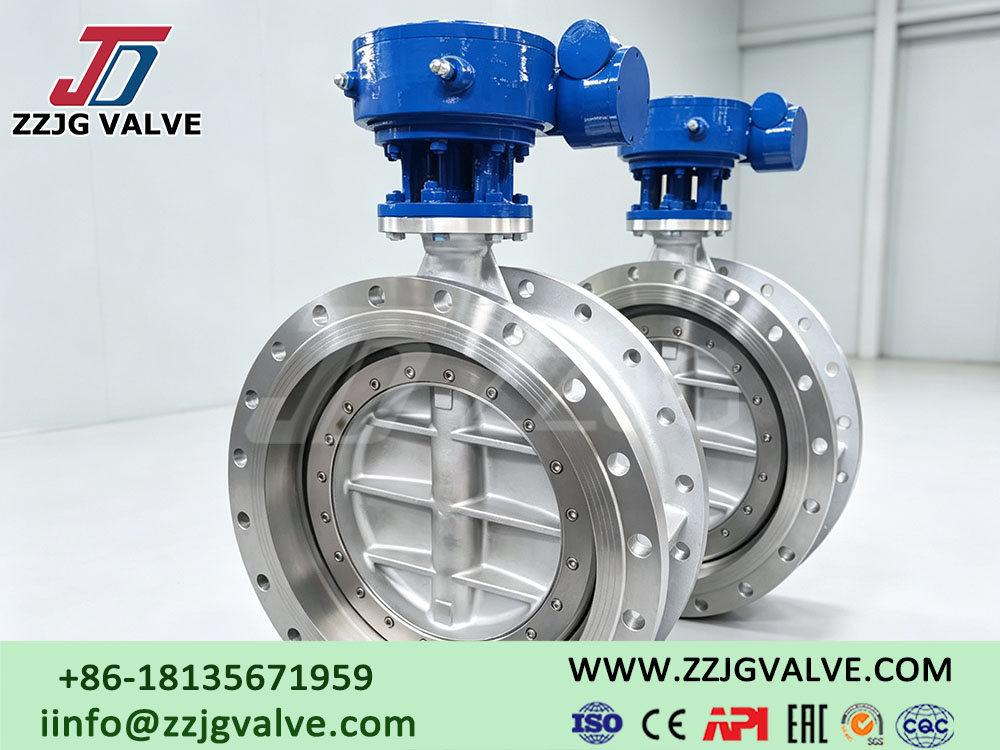
Next: High Performance Butterfly Valve Technology in Water Management
-1.webp)
.jpg)