EN
 RU
 ES
 FR
 AR
 IND

Welded Ball Valves: Where Leak Paths Are Eliminated
How welded ball valves perform across gas, district heating, process lines, and buried pipelines—and what to check before ordering or welding them in.
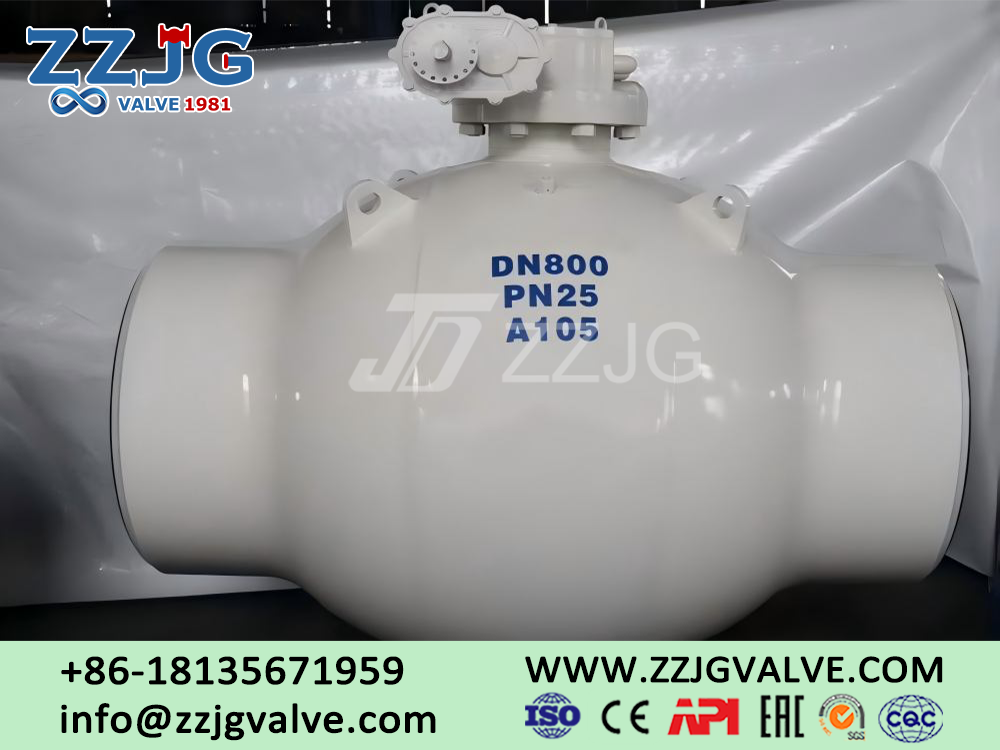
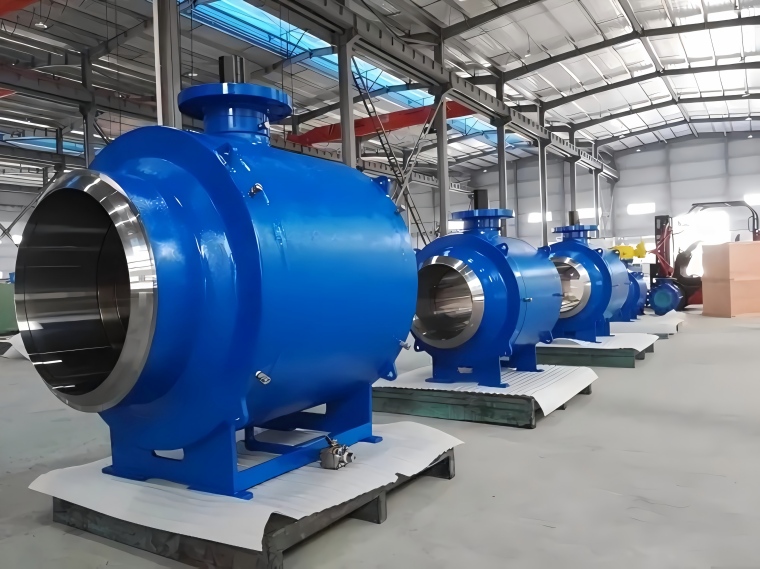
Flanged valves rely on bolted joints and gaskets, which are exposed to thermal cycling, vibration, and bolt relaxation over time. A welded ball valve removes those joints from the pressure boundary. Once welded into the line, there are no body bolts or flange gaskets that can loosen, leak, or require retightening.
They are not the right fit for every line, especially where frequent removal is expected. Where access is tight, downtime is costly, or operating conditions are harsh, welded construction solves real maintenance problems across four main industrial services.
1. City Gas Distribution
Unplanned shutdowns on high-pressure city gas lines create immediate safety, scheduling, and public-facing headaches, especially in cold weather. On buried lines, even a minor external leak is a serious issue rather than a routine maintenance item. Because welded ball valves eliminate external flange and body-joint leak paths, they are widely used for sectionalizing on trunk and ring mains, at district pressure-regulating and metering stations, on industrial or commercial branch take-offs, and at purge points ahead of planned maintenance.
When specifying for gas service, match the pressure class to the line's design pressure and align end preparation with the pipe schedule and qualified welding procedures. Soft seats work well for clean gas within temperature limits, while metal seats are better suited for higher temperatures or gas carrying particulates. Actuators or gearboxes should also be sized for breakaway torque and, where required, hold hazardous-area certification.
2. District Heating
District heating lines often see high temperatures on supply headers, along with wide temperature swings during start-up, shutdown, and seasonal load changes. Differential thermal expansion puts steady stress on bolted joints and gaskets. A continuous welded body reduces potential leak points under thermal cycling, making these valves practical at heat exchanger station inlets and outlets, on secondary loop branches, at mixing and balancing stations, and at connections between primary networks and substation skids.
For heating duty, pay close attention to seat material and stem packing ratings under sustained heat and thermal movement. Where valves are installed in hot, tight, or hard-to-reach spaces, extended stems and fire-safe designs keep operation safer and more accessible.
3. Petroleum and Chemical Processing
Process lines often combine pressure, temperature, corrosion, toxicity, or flammability, so a valve built for clean water will not hold up in sour, high-chloride, or severe chemical service. Welded ball valves offer a compact body, relatively low pressure drop, and predictable quarter-turn operation across refinery process units, high-pressure transfer lines, tank farm nozzles, pigging or slop lines, and flare or vent headers.
In sour service, hydrogen service, or corrosive media, material selection comes first. Body and trim metallurgy—such as corrosion-resistant overlays, upgraded trim, or full alloy bodies—should be specified clearly, along with resistance to sulfide stress cracking and applicable fugitive-emission or fire-safe standards, rather than left to assumption.
4. Buried and Long-Distance Transmission
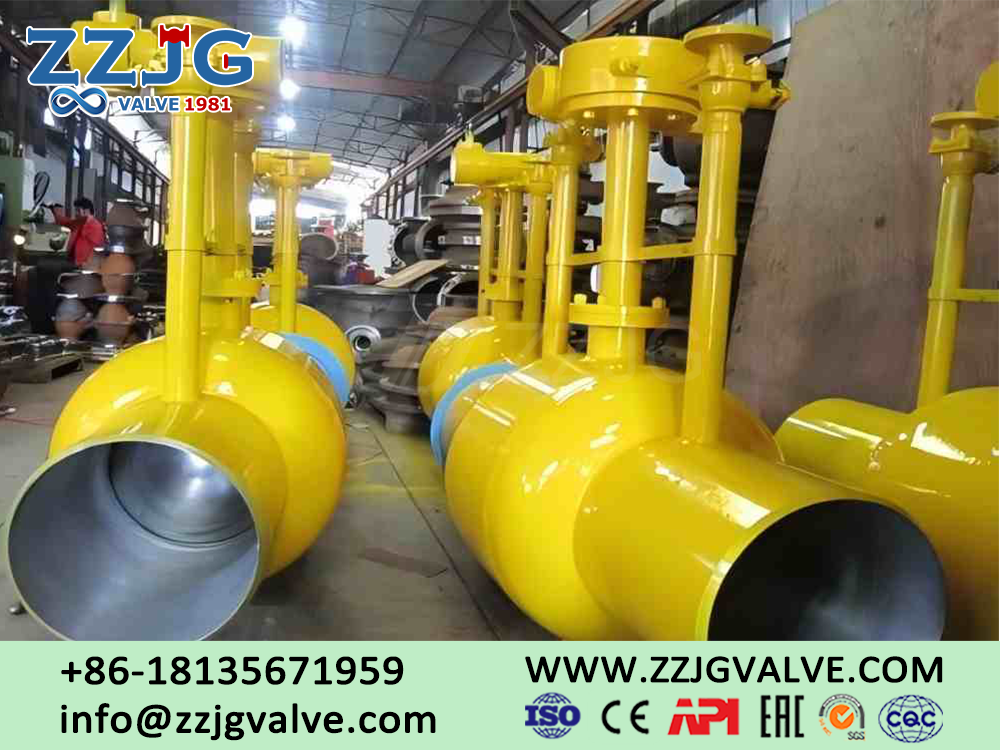
Digging up a buried valve takes permits, traffic control, trenching, and crew time, so reducing routine underground maintenance directly lowers lifecycle operating cost. With no flange faces to protect and fewer external leak points, welded ball valves can be coated or wrapped continuously with the pipeline to match surrounding soil conditions and burial methods.
Before backfilling, plan above-grade access through stem extensions, gearboxes, or valve boxes, and use lockable covers where unauthorized access is a concern. For long-distance transmission projects, also verify whether the operator's project specification imposes stricter rules on pressure testing, leak rates, or fugitive emissions than baseline standards.
5. Before You Request a Quote
To avoid back-and-forth during quoting, start with the medium and operating envelope—temperature, pressure, and any sour, chloride, or abrasive components—since those determine body and trim materials. From there, confirm whether the service calls for a soft seat for tight shutoff at moderate temperatures or a metal seat with hardened trim for high heat, solids, or fire-safe requirements, and specify how the valve will be operated based on available space and torque.
On the mechanical and paperwork side, make sure pipe OD, wall thickness or schedule, weld bevel preparation, and face-to-face dimensions match your existing line and welding procedure. It also helps to state upfront which handover documents are needed, such as material test reports (MTRs), hydrostatic test records, and seat or emission test certificates.
6. Installation Notes6. Installation Notes
Confirm end prep, wall thickness, and laying length before fabrication or welding begins so the valve fits squarely without rework. During rigging, support the valve properly rather than hanging it by the body in a way that could distort alignment at the weld joint, and orient the stem—or add an extension—so operators can actually reach it once installed.
Before backfilling a buried valve, cycle it slowly through a full open-and-close sequence to verify operation and check stem packing integrity while everything is still accessible. Finally, log the coordinates or install a clear marker post for buried and remote valves so future crews do not lose time locating them.
Need Help Selecting a Model?
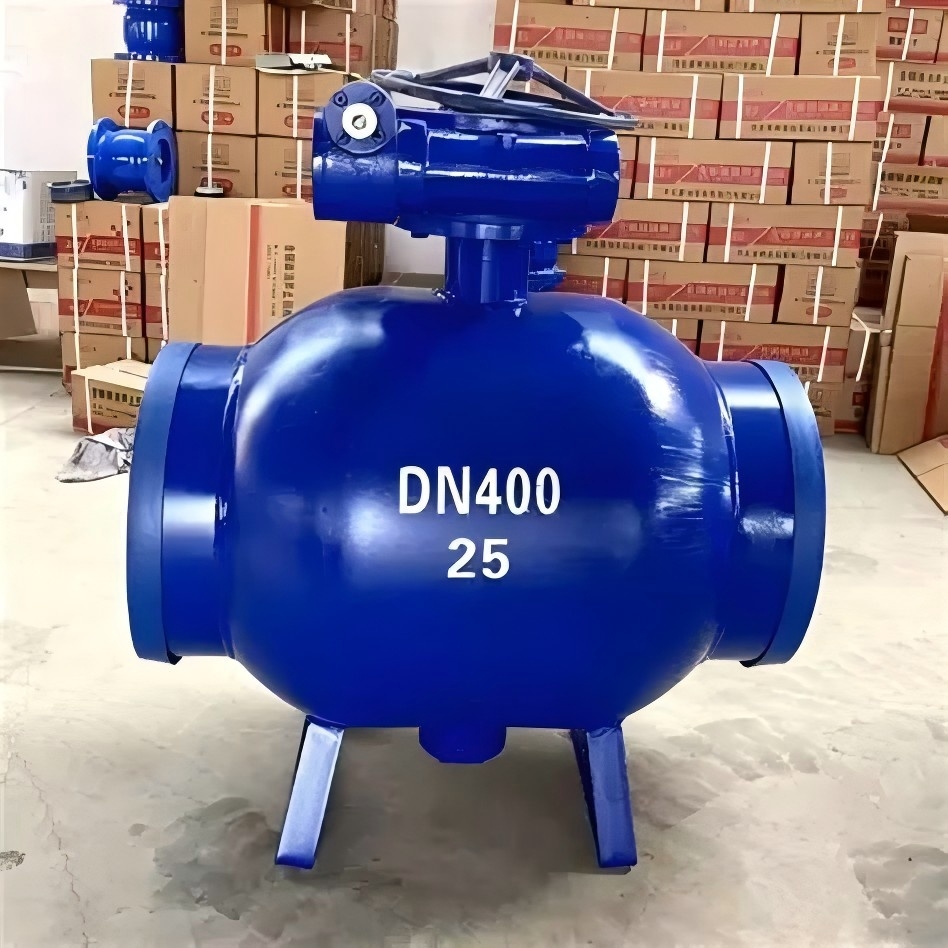
If you are quoting a project, replacing a leaking valve, or matching specs to a line, share your line size, pressure and temperature range, medium, end connection standard, and actuation preference. We can help configure a suitable option and provide pricing.