EN
 RU
 ES
 FR
 AR
 IND

Key Factors to Consider When Selecting Butterfly Valves for Water Supply and Drainage
Butterfly valves play an important role in municipal water supply and drainage systems. They are widely used in water treatment plants, pumping stations, water distribution networks, and wastewater pipelines. These valves are mainly used to control water flow, isolate pipeline sections, and support daily system maintenance.
However, different water systems have different operating conditions. Factors such as working pressure, water quality, pipeline size, and operating frequency can all affect valve performance. Selecting the right butterfly valve is not only important for reliable operation but also helps reduce maintenance costs and extend service life.
1. Consider the Working Pressure and Temperature
Working pressure is one of the first factors to consider when selecting a butterfly valve. Municipal water supply pipelines commonly use PN10 or PN16 butterfly valves. However, some long-distance water transmission projects and high-pressure pumping systems may require higher pressure ratings.
Pressure fluctuations also deserve attention. When a pump starts or stops, or when a valve closes too quickly, water hammer may occur. This can cause a sudden pressure increase in the pipeline and place additional stress on the valve body, disc, seat, and connecting flanges. Therefore, buyers should consider both normal working pressure and possible pressure surges.
Water temperature also affects material selection. EPDM seats are commonly used in normal-temperature water applications because they offer good elasticity, sealing performance, and resistance to aging in water service. The actual temperature range should still be checked against the material manufacturer's specifications.
2. Choose Suitable Valve Materials
Valve materials should match the properties of the working medium and the surrounding environment.
Ductile iron is widely used for butterfly valve bodies because it offers good mechanical strength, impact resistance, and reasonable manufacturing costs. It is suitable for many municipal water supply and drainage applications. Stainless steel is often used for valve stems because it provides better corrosion resistance and mechanical strength.
For drinking water systems, all wetted materials and protective coatings should meet the relevant drinking water safety requirements. EPDM is a common seat material because of its good elasticity and sealing performance. The coating system should also be suitable for long-term contact with drinking water.
For wastewater and water containing corrosive substances, material selection requires more attention. The water may contain chlorides, chemicals, suspended solids, or other substances that can accelerate corrosion and wear. In these cases, manufacturers should evaluate suitable metal materials, protective coatings, and sealing materials according to the actual water quality.
3. Select the Right Butterfly Valve Structure
Different butterfly valve structures are designed for different pipeline conditions.
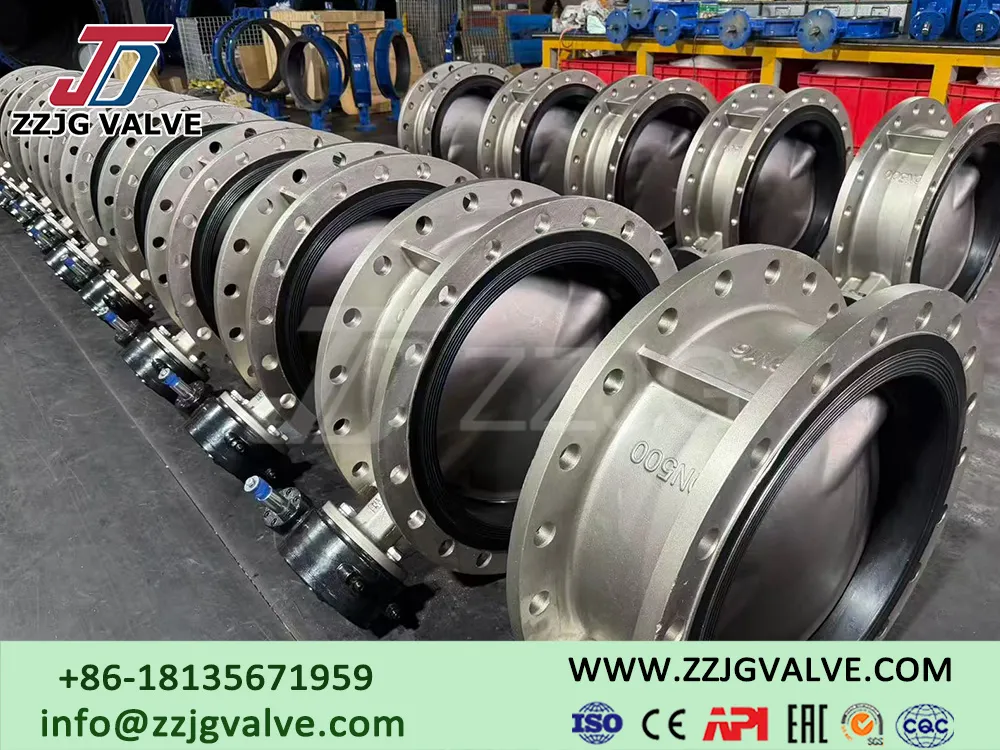
Concentric soft-seated butterfly valves are widely used in general water supply and drainage systems. They have a compact structure, low weight, and simple operation. Their soft seats provide reliable sealing under suitable pressure and temperature conditions. They are often used in small and medium-sized pipelines, water distribution systems, and equipment connections.
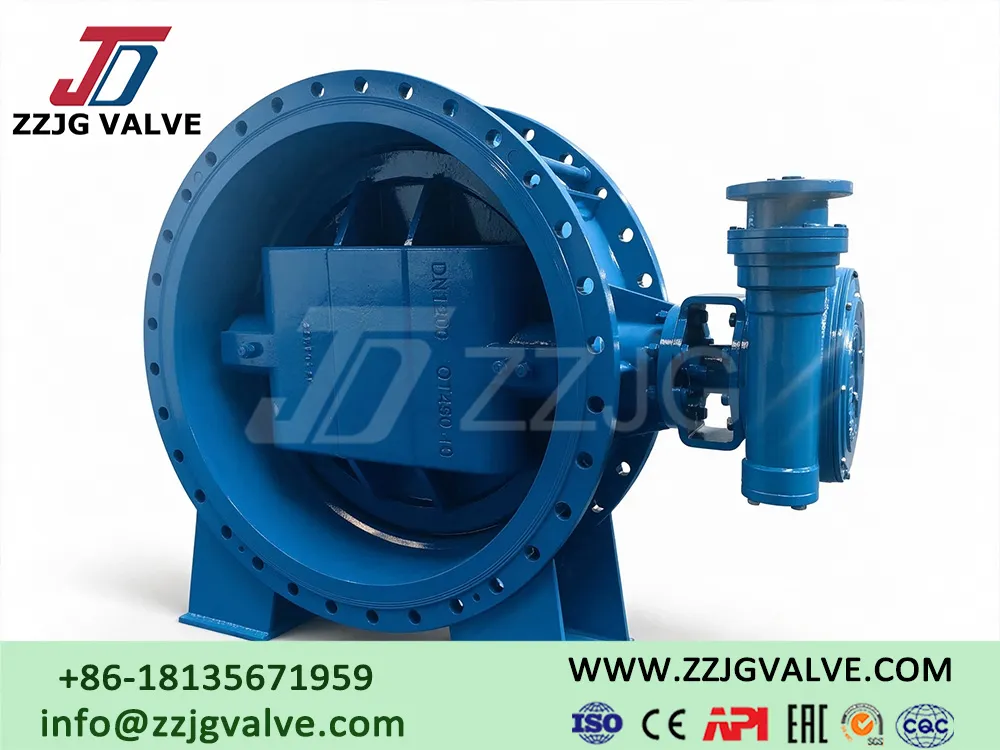
Double eccentric butterfly valves are commonly used in large-diameter water transmission pipelines. Their offset design reduces contact between the disc and seat during most of the opening and closing process. This helps reduce friction and wear, especially in applications involving frequent operation. These valves are also suitable for larger pipeline systems where operating torque and long-term sealing performance are important considerations.
For projects with more demanding sealing requirements or higher pressure conditions, triple eccentric metal-seated butterfly valves may also be considered. Their metal-to-metal sealing design offers advantages in certain high-pressure and higher-temperature applications. However, the final selection should depend on the actual operating conditions and project specifications.
4. Consider Operation and Installation Conditions
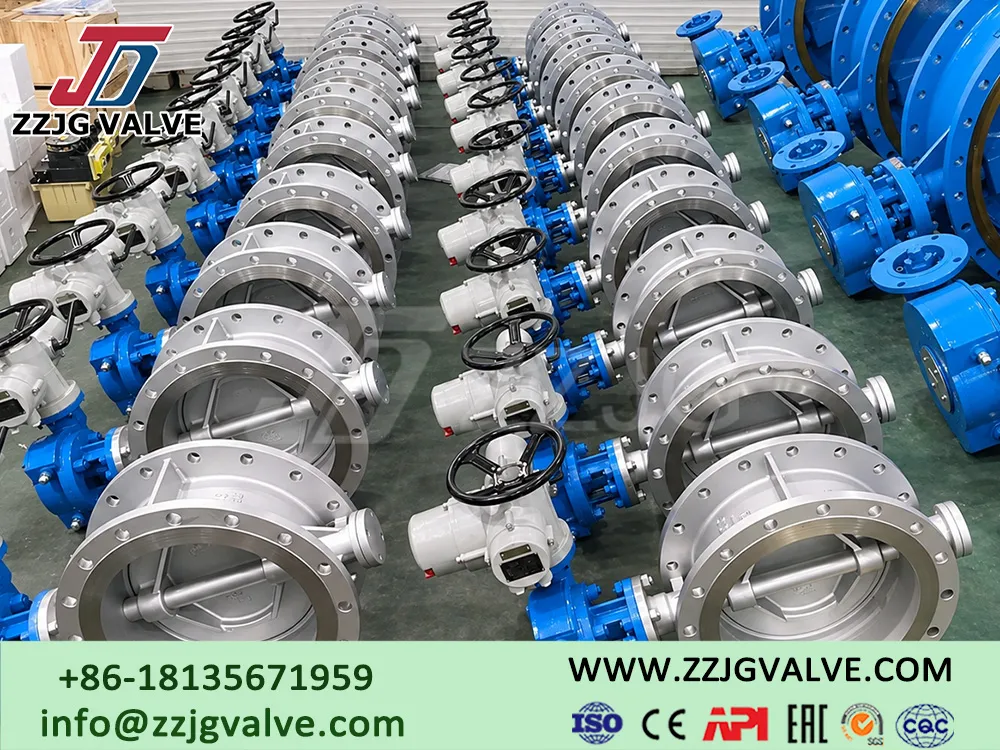
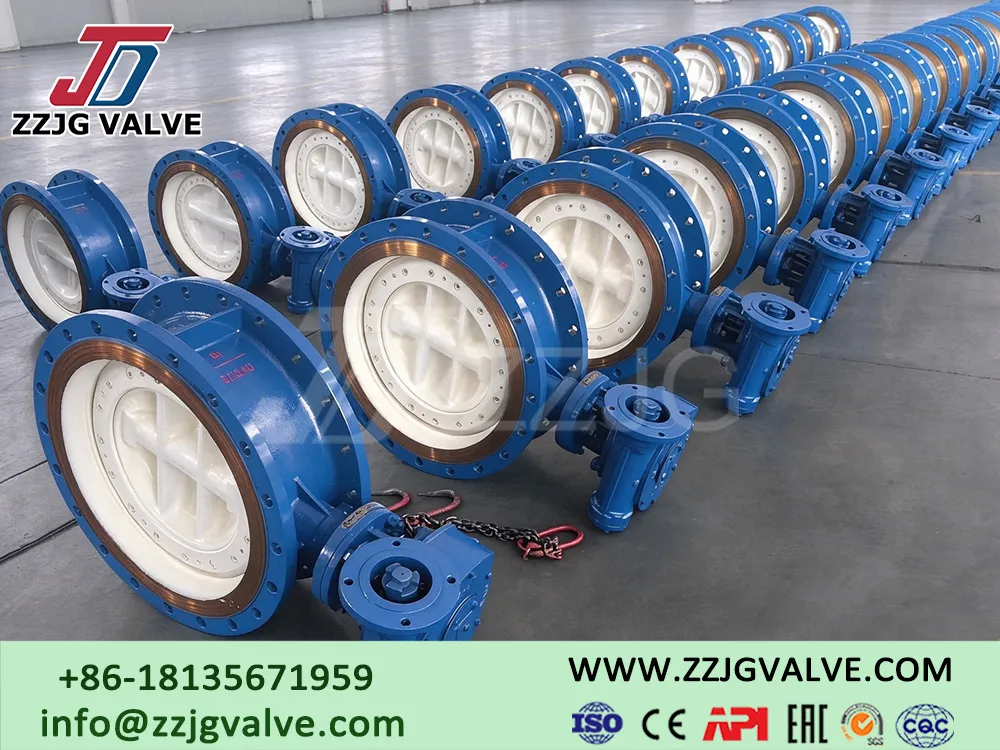
Butterfly valves can be operated manually, electrically, or pneumatically. Manual lever operation is suitable for smaller valves that do not require frequent operation. For larger valves, worm gear operation can reduce the required operating force and make opening and closing easier.
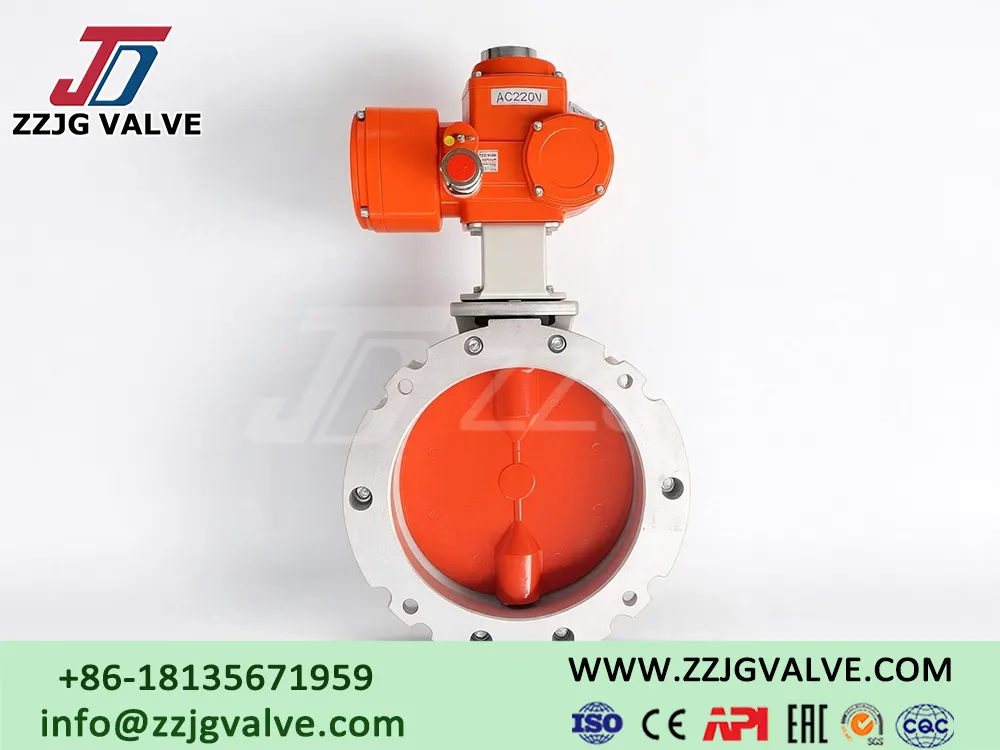
Electric actuators are often used in pumping stations and automated water treatment systems. They allow operators to control valves remotely and integrate them into centralized control systems. Pneumatic actuators can also be used when compressed air is available and fast operation is required.
Installation conditions are equally important. Before ordering, buyers should confirm the flange standard, pressure rating, face-to-face dimensions, and available installation space. They should also check the actuator position and ensure that there is enough clearance for operation and maintenance.
In addition, the valve should be installed according to the manufacturer's instructions. Incorrect installation or improper pipeline support may cause additional stress on the valve body and affect sealing performance.
5. Pay Attention to Maintenance and Service Life
Water supply and drainage systems usually operate continuously for many years. Therefore, buyers should consider not only the initial purchase price but also maintenance requirements and expected service life.
Regular inspection can help identify problems such as seat wear, external corrosion, leakage, and abnormal operating torque. In wastewater applications, suspended solids and sediment may accumulate around the disc or seat. Regular cleaning and inspection can help prevent these materials from affecting valve operation.
For electric and pneumatic butterfly valves, actuators and control components also require periodic inspection. Proper lubrication, correct actuator settings, and timely replacement of worn sealing parts can help maintain reliable performance.
Choosing a suitable butterfly valve requires a complete understanding of pipeline conditions, water quality, pressure changes, and operating requirements. By selecting the right valve structure, materials, and actuation method, water supply and drainage projects can achieve more reliable operation, lower maintenance costs, and longer service life.