EN
 RU
 ES
 FR
 AR
 IND

Key Advantages of Fully Welded Ball Valves in Industrial Pipeline Systems
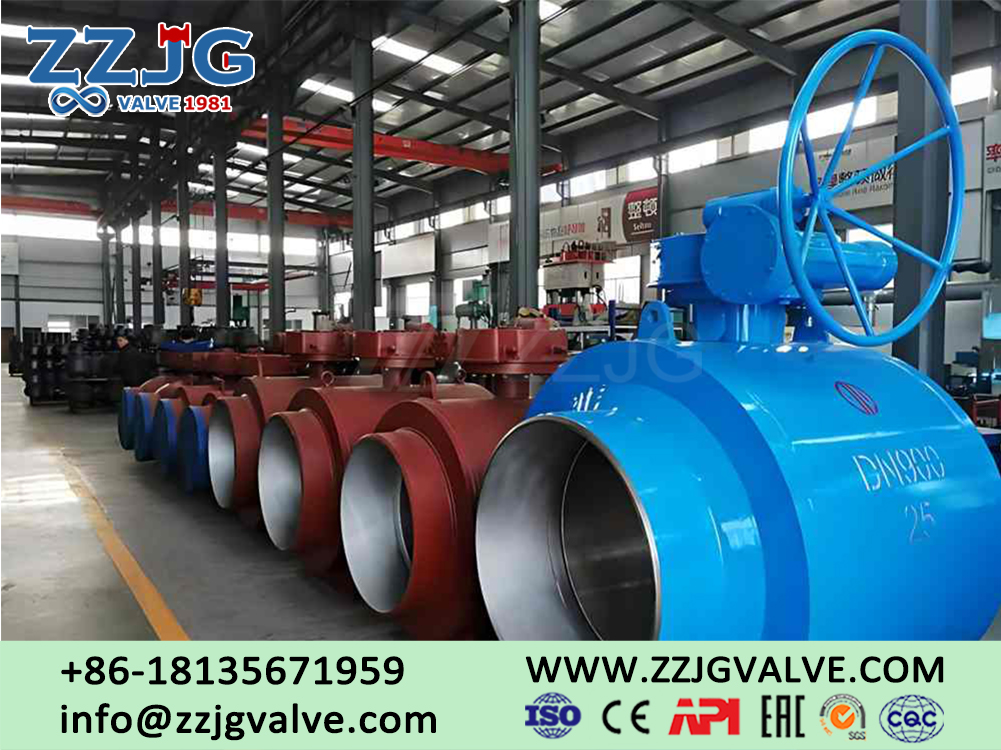
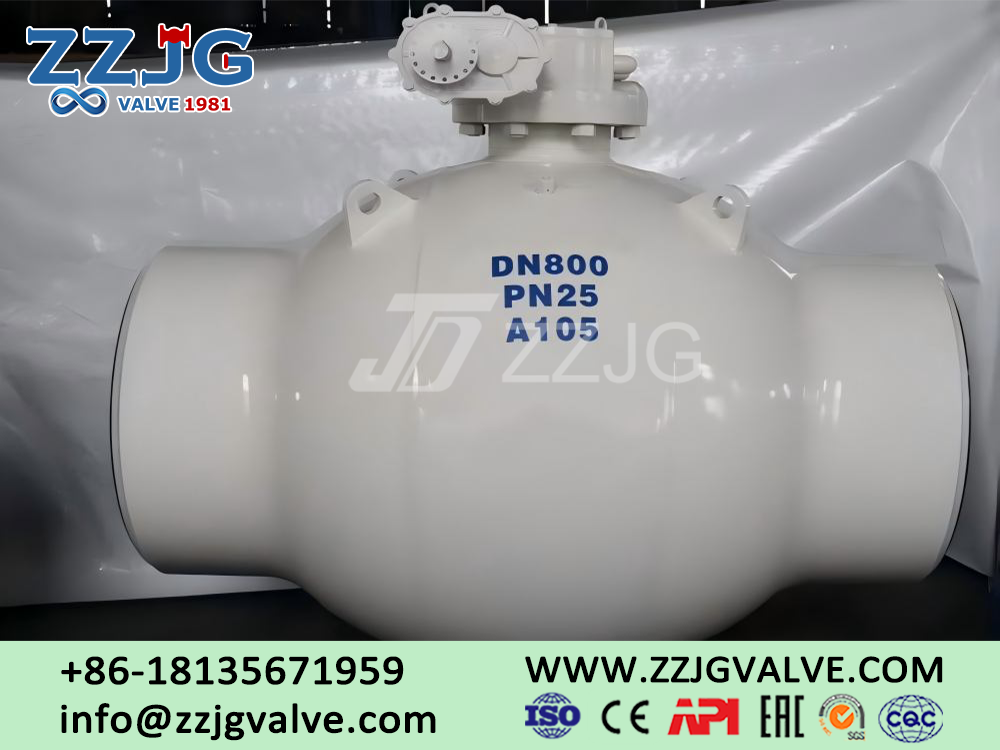
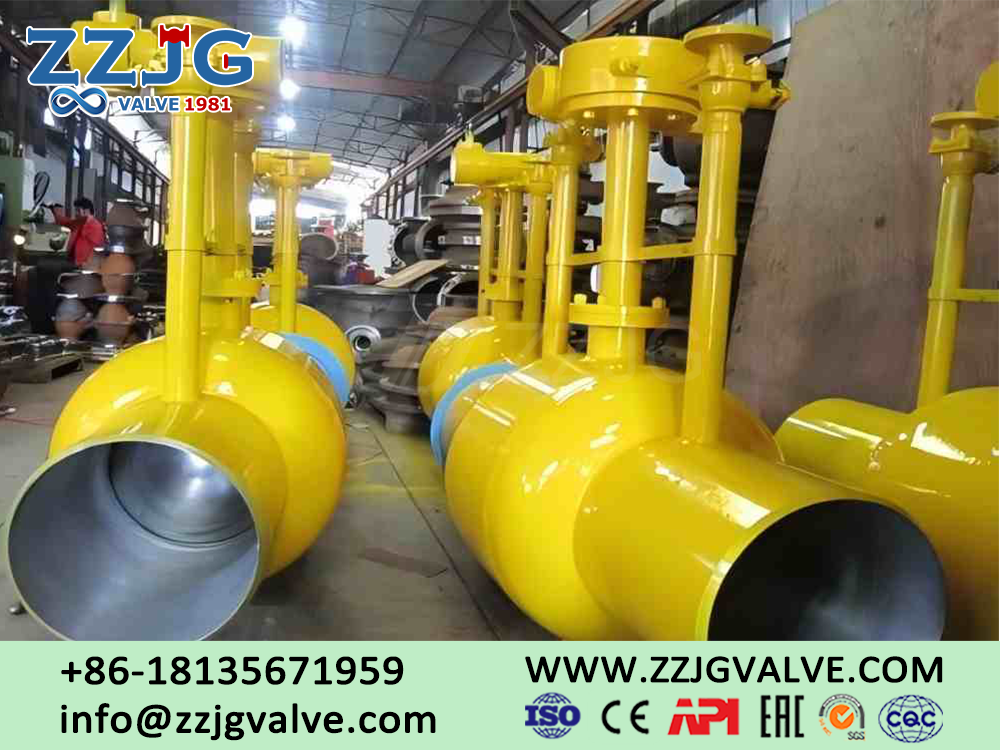
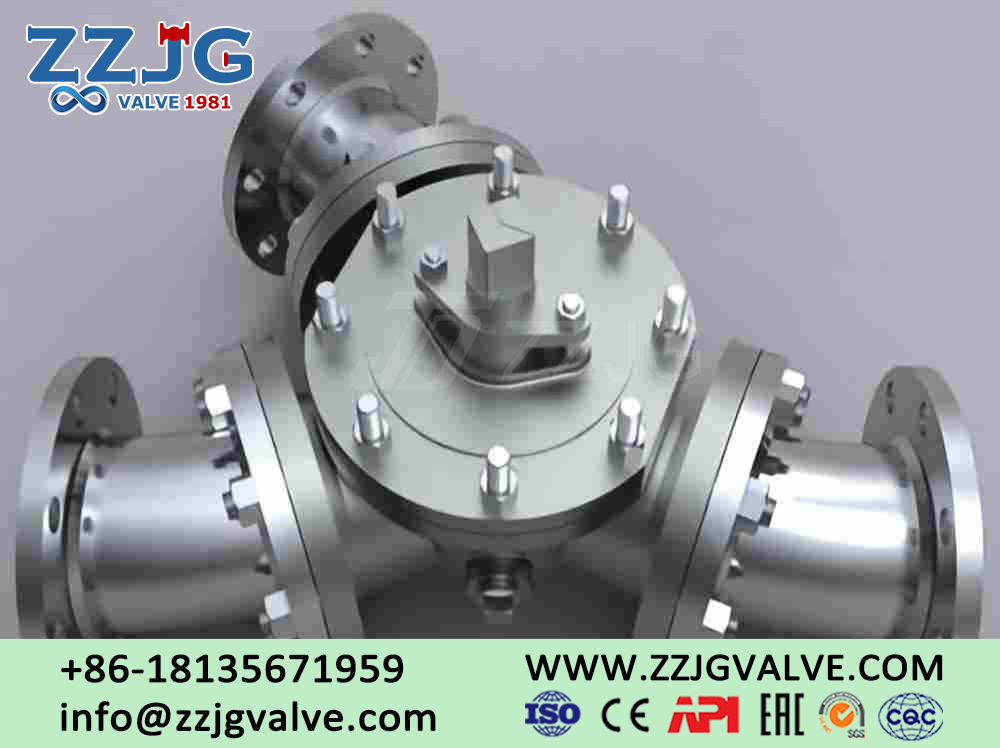
Fully welded ball valves are designed for pipeline applications where reliable shut-off, structural integrity, and long service life are essential. Unlike conventional split-body designs, their bodies are permanently welded, eliminating potential leakage paths at bolted body joints.
This construction makes them a practical choice for oil and gas transmission, natural gas distribution, petrochemical facilities, and district heating networks, particularly in applications where pipeline reliability and maintenance access are major concerns.
Reliable Sealing with Fewer External Leakage Points
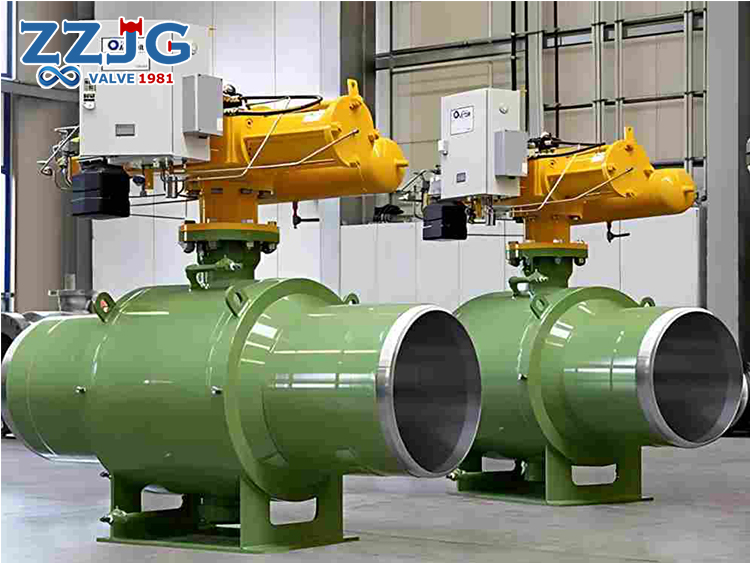
In conventional split-body valves, body gaskets and bolted connections can become potential leakage points over time, especially under fluctuating pressure and temperature conditions. A fully welded body removes these external leakage paths.
Welded end connections can further reduce the number of potential leak points compared with flanged or threaded connections.
The internal sealing system also plays an important role. Depending on the valve design and service conditions, spring-loaded seats, PTFE-based sealing materials, or metal-to-metal sealing surfaces can be used to achieve the required shut-off performance. These configurations help maintain sealing reliability under varying operating conditions, making fully welded ball valves suitable for natural gas pipelines and other demanding applications.
Built for High Pressure and Demanding Operating Conditions
Fully welded ball valves are available in carbon steel, stainless steel, and special alloy materials to suit different media and operating conditions.
Their continuous welded body provides a robust pressure-containing structure without conventional bolted body joints. Combined with suitable material selection, this construction makes them well suited to high-pressure pipeline services and applications involving frequent temperature changes.
For corrosive environments, appropriate body materials, internal components, and external anti-corrosion coatings can be selected according to the characteristics of the medium and the surrounding environment.
This flexibility allows fully welded ball valves to be used in natural gas transmission, petrochemical processing, and other industrial pipeline systems.
Full-Bore Design for Efficient Flow and Pipeline Pigging
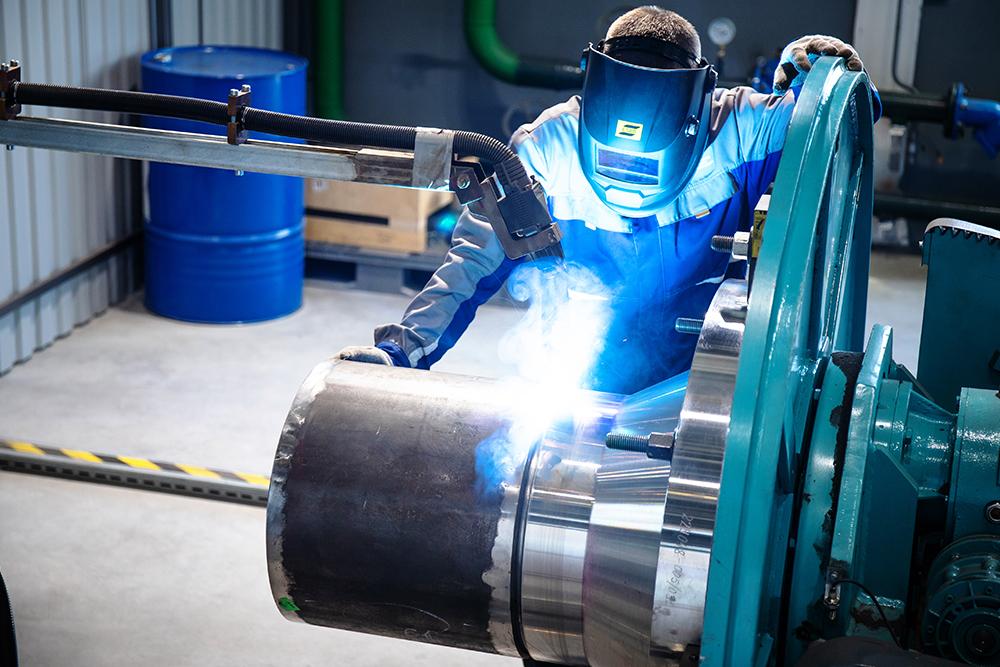
For pipeline systems requiring low flow resistance, full-bore ball valves offer a clear advantage. Their internal passage matches the nominal bore of the adjoining pipeline, allowing the medium to pass through with minimal obstruction when the valve is fully open.
This helps reduce pressure loss and maintain efficient pipeline transportation, particularly in long-distance oil and gas pipelines.
Another important feature is pigging compatibility. In properly specified full-bore designs, pipeline inspection gauges and cleaning pigs can pass through the open valve without obstruction. This makes them particularly suitable for pipelines that require regular inspection, cleaning, and maintenance.
Direct Burial and Reduced Maintenance Requirements
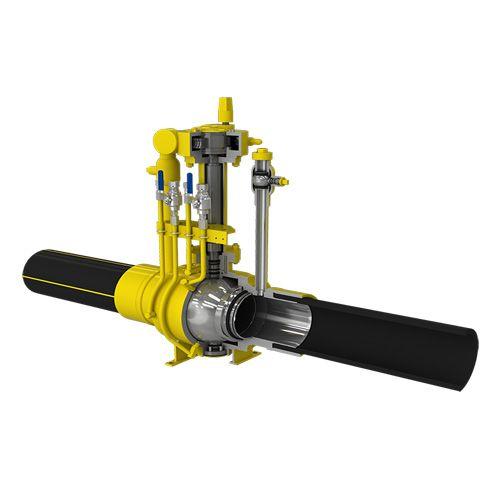
One of the main reasons fully welded ball valves are used in underground pipeline networks is their compact construction and suitability for direct burial.
Without conventional body flanges or external bolts that require periodic inspection and retightening, these valves have fewer external components to maintain. Underground models can also be equipped with extended stems, protective stem casings, and heavy-duty anti-corrosion coatings to meet specific installation requirements.
Depending on the project design, direct-buried installation can reduce or eliminate the need for conventional valve chambers, helping save installation space and civil engineering costs.
These features make fully welded ball valves a practical solution for underground natural gas distribution and district heating networks.
Available in Various Sizes and Actuation Configurations
Fully welded ball valves are manufactured in a wide range of nominal sizes and pressure ratings, from smaller distribution pipelines to large-diameter transmission lines.
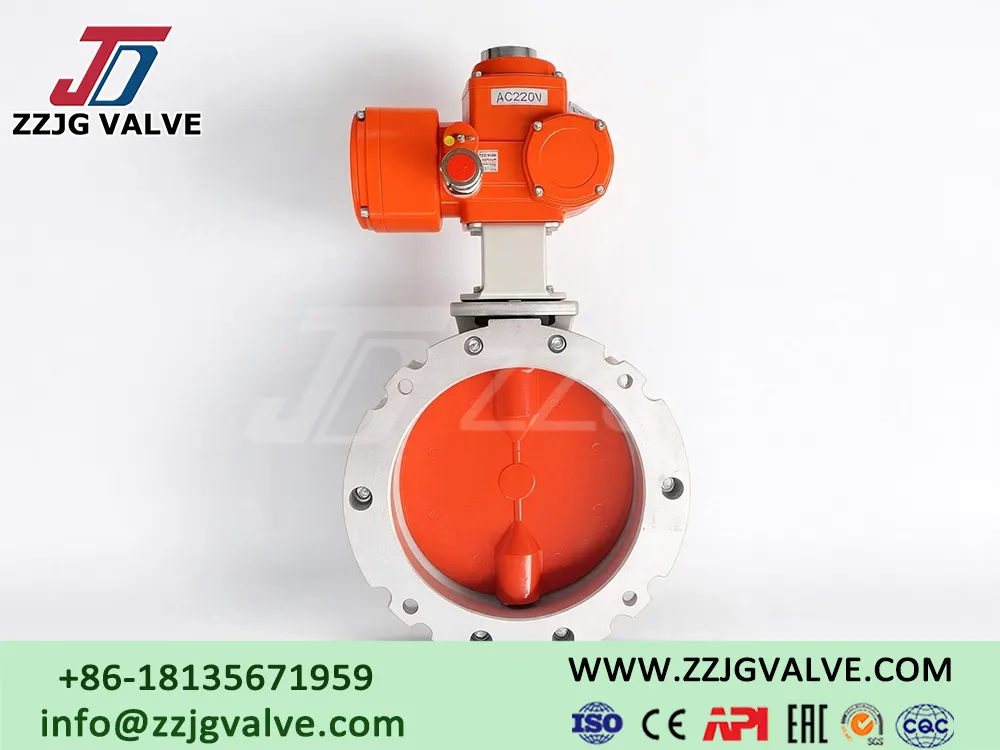
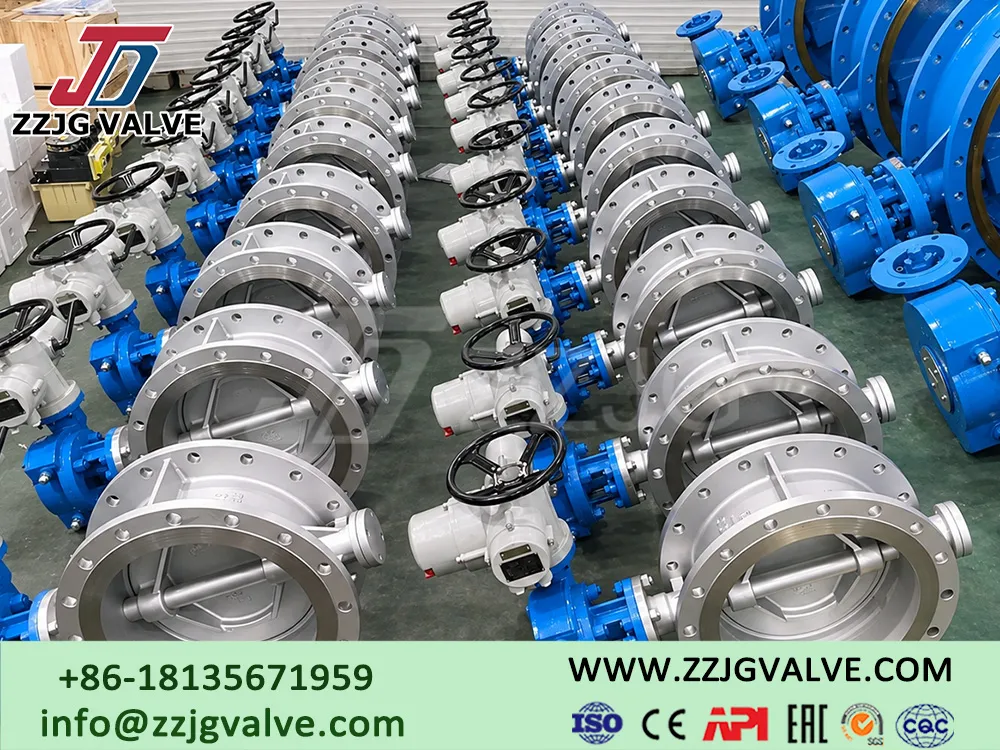
Different operating requirements can be met through a choice of actuation options, including manual levers, gearboxes, electric actuators, pneumatic actuators, and hydraulic actuators.
For automated pipeline systems, actuator-equipped valves can be integrated into remote monitoring and control systems, including SCADA, when supplied with the appropriate control interfaces and accessories.
A Long-Term Solution for Critical Pipeline Systems
Fully welded ball valves generally involve higher initial manufacturing costs than some conventional valve designs. Their permanently welded bodies also mean that internal components cannot be accessed through conventional in-line body disassembly.
However, for pipelines where external leakage risks, underground installation conditions, and maintenance costs are major considerations, their structural design offers clear practical advantages.
With proper engineering, manufacturing, and installation, fully welded ball valves provide a reliable long-term solution for oil and gas transmission, natural gas distribution, district heating, and other critical pipeline applications.