EN
EN RU
RU ES
ES FR
FR AR
AR IND
IND
Titanium and Hastelloy Butterfly Valves Material
In the offshore sector of the oil and gas industry, material corrosion is a phenomenon posing significant risks and incurring high costs. The presence of chlorides in the offshore environment's air can cause severe corrosion to the exterior of facilities. Furthermore, oil and gas contain harmful substances such as carbon dioxide and hydrogen sulfide, which can corrode internal piping components. Besides corrosion risk, other parameters such as erosion, mechanical strength, material availability, and weight also influence the material selection for offshore facilities. "Facilities" primarily refers to equipment and piping components. The offshore sector of the oil and gas industry focuses on developing "coastal" oil and gas fields beneath the ocean. Among the material selection challenges discussed, corrosion is a major issue.
Stellite Alloy Coated over 22Cr Duplex Steel
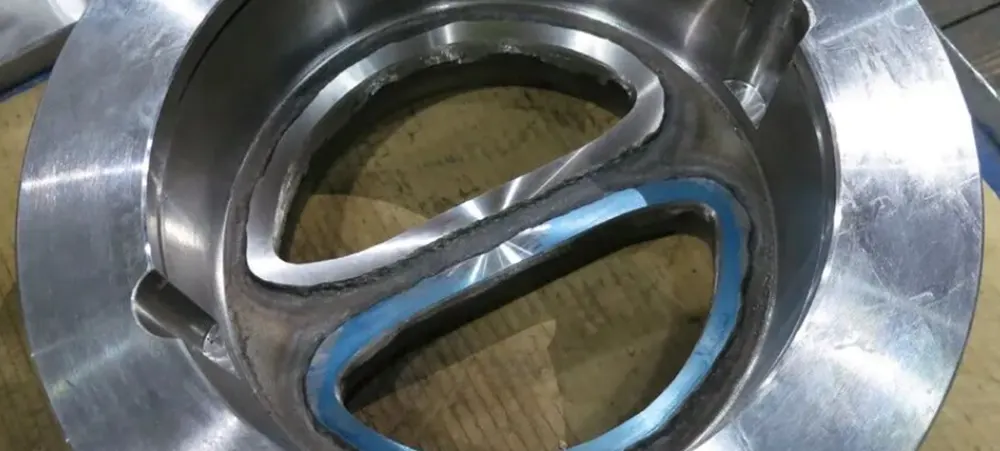
Stellite 6 is one of the most commonly used hardface alloys in the valve industry due to its excellent toughness, hardness, and wear resistance. Stellite 6 is a cobalt alloy containing other compounds such as chromium, tungsten, and carbon. The hardface alloy is coated on the interior of the valve to prevent corrosion, wear, and abrasion. In fact, the internal parts of the valve are located in the water flow and are therefore more susceptible to corrosion, friction, and wear than the external parts.
Due to its high mechanical strength and corrosion resistance, approximately 60% to 70% of the pipes and valves used in offshore operations are made of 22Cr duplex stainless steel. Using stellite alloys on 22Cr duplex stainless steel is feasible, but the formation of the Sigma phase during welding makes it difficult. The Sigma phase is a hard and brittle crystal structure that forms at high temperatures, leading to cracking and failure of duplex stainless steel. Alloying elements in duplex alloys (such as chromium and molybdenum) promote the formation of the Sigma phase, which increases hardness and reduces the material's toughness.
Welding Large Carbon Steel Valves to 22Cr Duplex Stainless Steel Pipelines
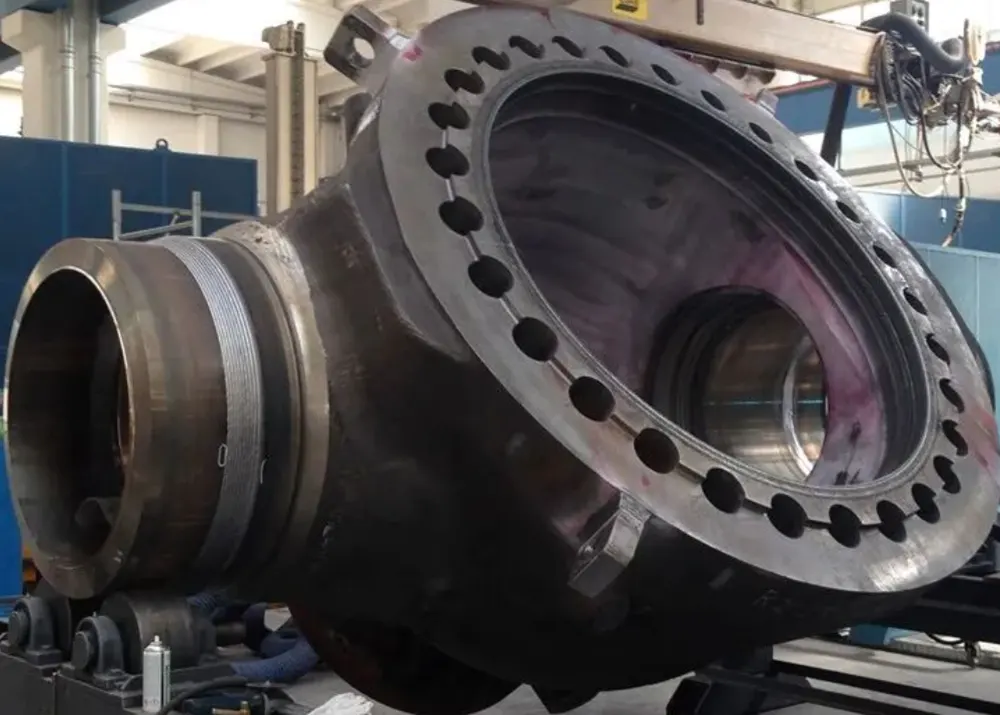
Typically, pipeline valves located on oil pipelines are the largest, heaviest, and most critical valves. They also typically have the longest offshore platform delivery times. These valves are made of carbon steel, not corrosion-resistant alloys (CRA), because these valves deal with non-corrosive and well-treated oils. It should be noted that choosing 22Cr duplex stainless steel for such large valves is uneconomical. However, the pipelines connecting to the valves are often made of 22Cr duplex stainless steel instead of carbon steel to save on wall thickness and weight. Duplex steel has relatively high mechanical strength and does not require corrosion allowance.
Welding pipes to valves presents two main challenges. First, the thickness difference between the valve and the pipe. Second, the difficulty of welding two different materials together. If the valve wall thickness is more than twice the pipe thickness, a transition piece should be welded to the valve from one side and to the transition piece from the other. The transition piece wall thickness should be equal to the pipe thickness. When welding to one end of the pipe, the wall thickness should be equal to the valve thickness from the end welded to the valve.
When the thicknesses differ, the main challenge in welding carbon steel to 22Cr duplex steel is when the carbon steel thickness is greater than 19mm. This means that, according to ASME B31.3 process piping specifications, post-weld heat treatment (PWHT) is required to eliminate residual stress after welding. However, applying PWHT increases the risk of sigma brittle phase in the duplex steel. The solution is to coat the carbon steel with 625 or 59 (nickel alloy) and apply PWHT only to the carbon steel portion. Next, coated carbon steel is applied to the duplex steel along with Alloy 625 or 59 filler.
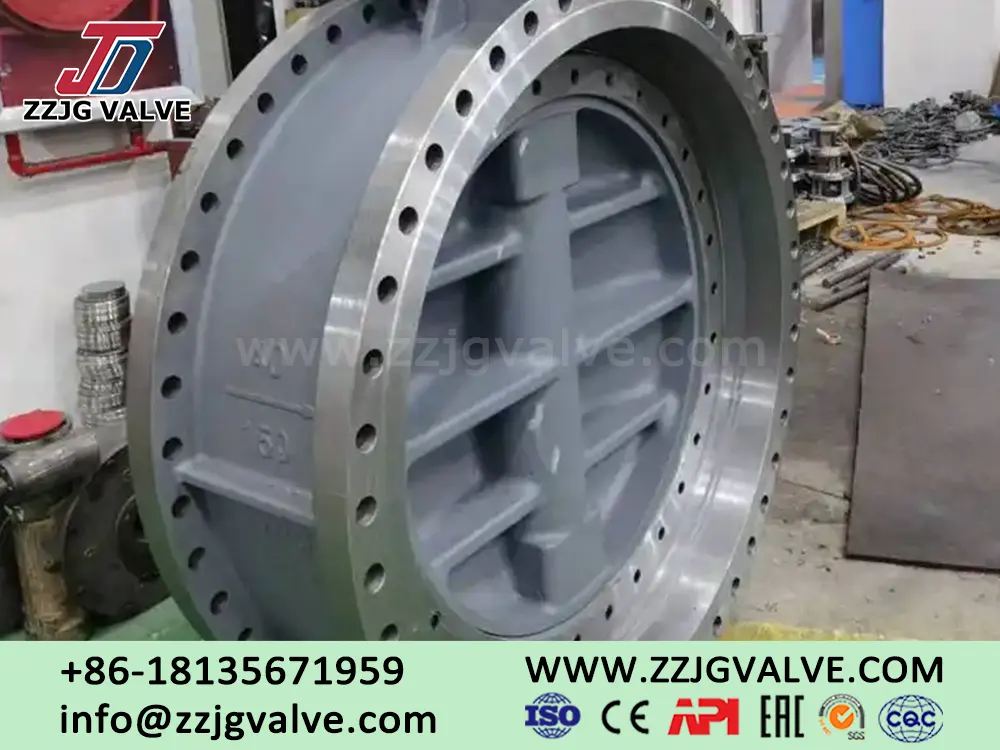
What are small fittings?
Small fittings are sections of pipe welded to the valve body before the valve manufacturer assembles the valve. Small fittings are welded to the connecting pipes at the construction site. If pipes in the yard are welded directly to the valve without any weld seams, the welding heat will melt and damage the valve's internal seals.
Hard-face corrosion of Stellite alloys and tungsten carbide in seawater
Stellite alloys and tungsten carbide are common hard-face materials used inside valves to mitigate corrosion and wear. One of the main limitations of these two materials is their susceptibility to corrosion in seawater. In seawater, Ultimet, a cobalt alloy, exhibits excellent wear resistance. Therefore, Ultimet is used on hard surfaces in special cases because not all valve manufacturers are familiar with this material. The lack of adhesion of Ultimet to the base (core) material can lead to wear after years of use.
Hydrogen-Induced Stress Crack (HISC) Corrosion
In the subsea sector of the oil and gas industry, materials such as low-alloy steels, duplex steels, and super duplex steels, as well as nickel hard alloys (e.g., alloys 718 and 72), are prone to HISC.
The primary cause of HISC failure is attributed to the combined effect of stress from loads (e.g., tension in the piping) and the ingress of hydrogen formed on the steel surface due to cathodic protection. HISC analysis should be performed on susceptible materials by valve manufacturers to mitigate the risk of HISC.
Titanium Butterfly Valves Using Titanium Bearings
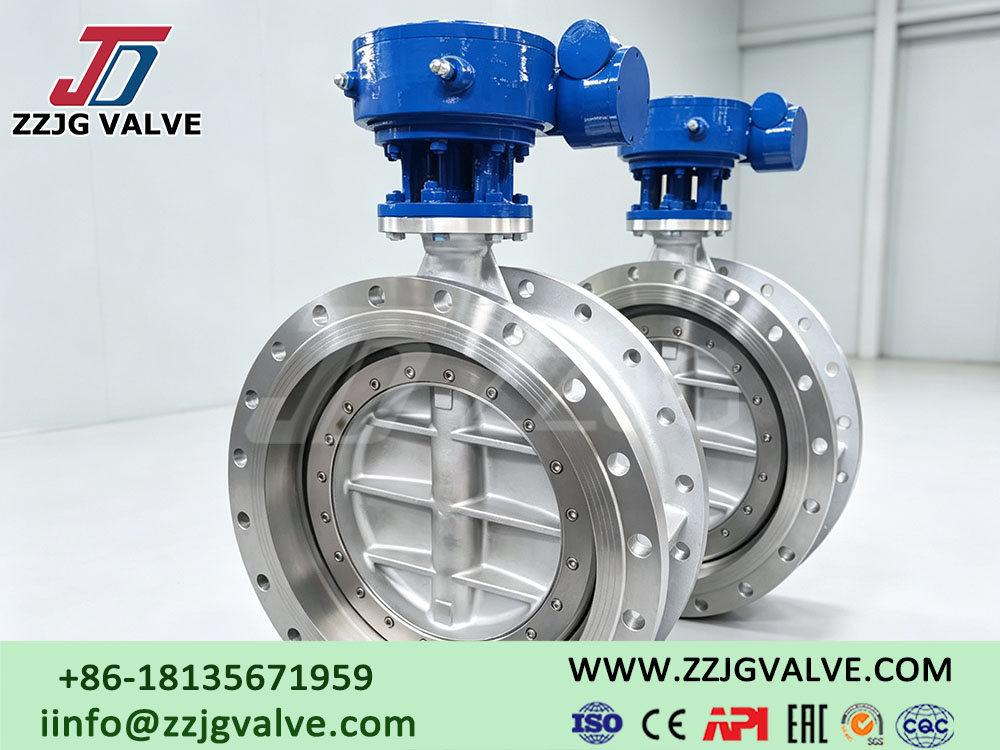
Titanium alloy valves, such as butterfly valves, are common in the offshore industry. Bearings are valve assemblies mounted around the valve stem to prevent lateral movement of the stem under applied loads. Valve bearings may come into contact with seawater. Typically, bearings may contain two different materials: a softer inner material, such as Teflon (PTFE), and a metal inner material. Although titanium was initially chosen for the metal portion of butterfly valve bearings in seawater, titanium bearings with a PTFE inner coating are not currently available on the market.
Therefore, Hastelloy, a nickel-chromium-molybdenum alloy with high seawater resistance, is often chosen as an alternative metal material for bearings. The challenge lies in ensuring sufficient adhesion between the internal PTFE coating and Hastelloy during valve stem rotation to open and close the valve. Rotation tests can be performed to demonstrate sufficient adhesion between the internal PTFE coating and Hastelloy.
Conclusions and Recommendations
Material selection and valve failures due to corrosion are major issues in the industry. Generally, the most important lesson to learn is the use of more corrosion-resistant alloys instead of carbon and low-alloy steels in valves for the offshore industry. Using low-alloy steel bolts and coated cast iron gearboxes in offshore environments carries a significant risk of failure. Furthermore, HISC (High-Self-Content Iron-Chip Steel) is perhaps one of the most serious corrosion challenges faced by materials such as duplex steel, super duplex steel, and hard nickel alloys in subsea services.
Next: TA2 / Gr.2 titanium Plug Valve Supplier
-1.webp)
.jpg)