EN
EN RU
RU ES
ES FR
FR AR
AR IND
IND
Butterfly Valve Selection and Maintenance Guide
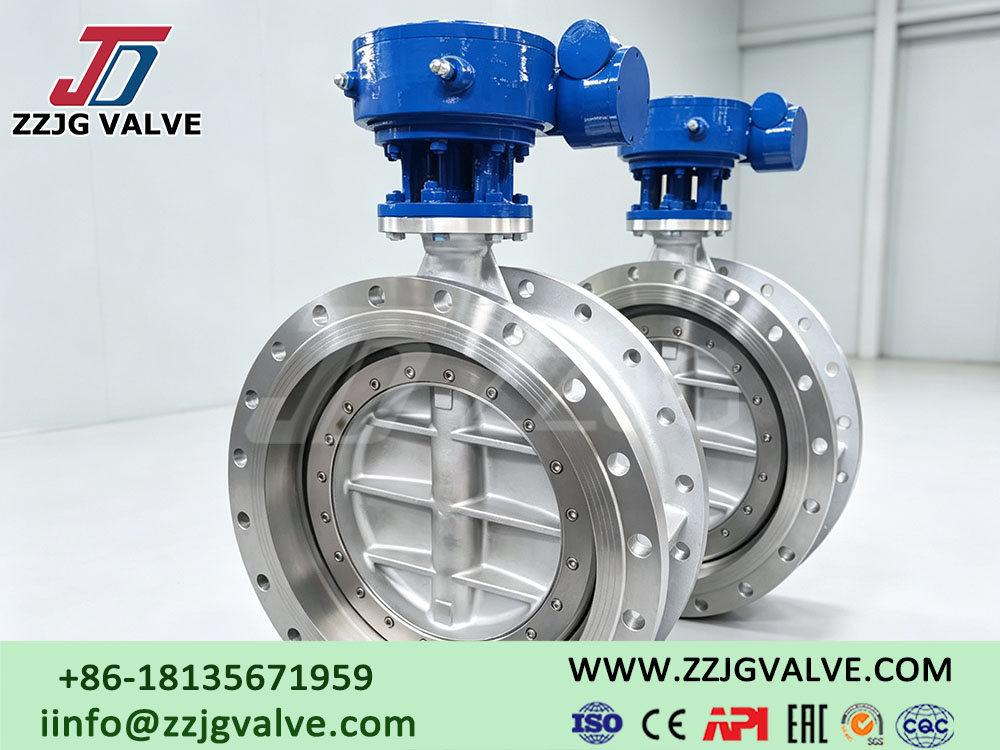
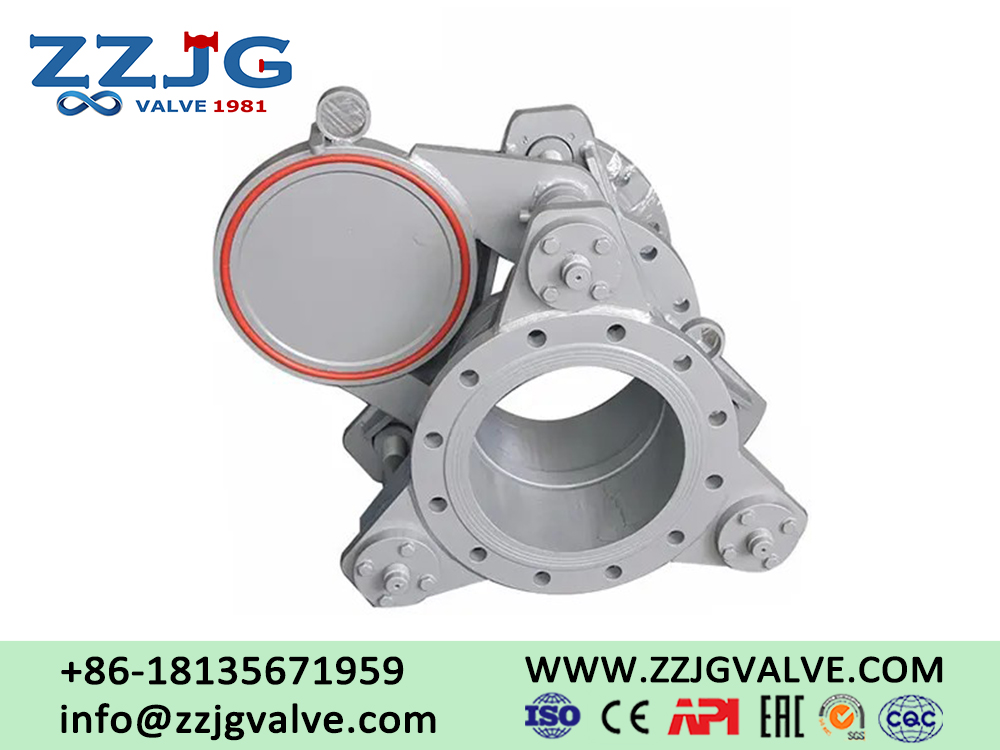
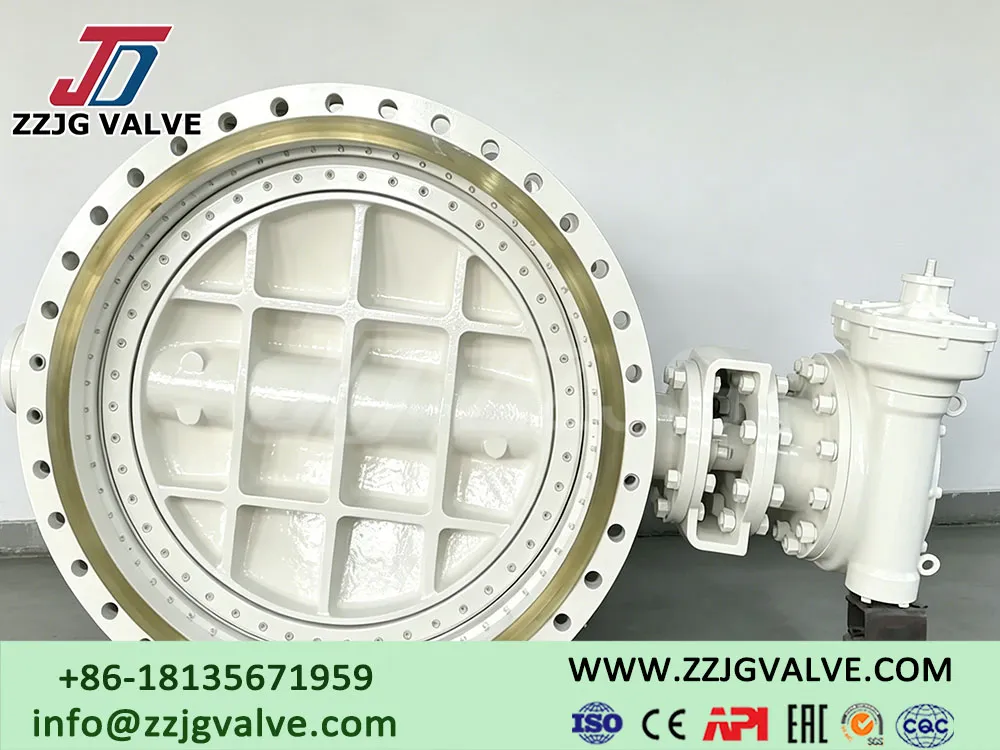
A butterfly valve is a quarter-turn flow control device that utilizes a metal valve disc that rotates around a fixed valve stem axis. They are quick-acting flow control valves that can rotate 90 degrees from fully open to closed.
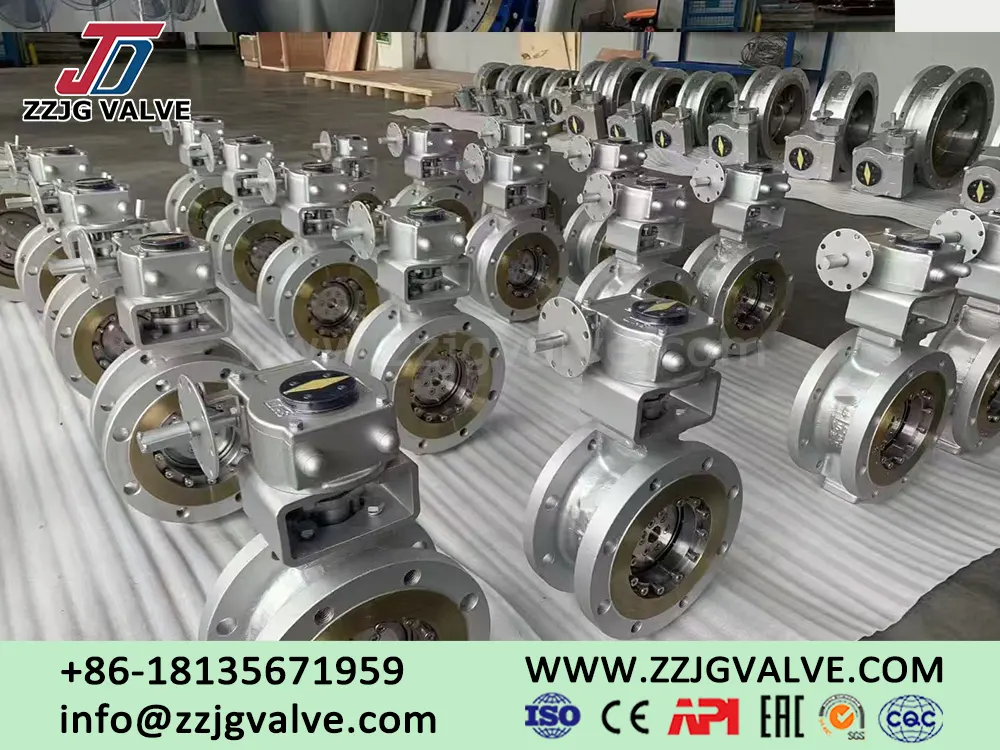
The valve is closed when the valve disc is perpendicular to the pipe centerline. When the valve disc is parallel to the pipe centerline, the valve is fully open (allowing for maximum fluid flow). The dimensions of the flow control mechanism (valve disc) are approximately equal to the inner diameter of the adjacent pipe.
These valves come in different sizes and designs, determining their performance in industrial processing applications, sanitary valve applications, fire services, HVAC systems, and slurries. Broadly speaking, butterfly valves are crucial for flow regulation and flow isolation.
Flow Regulation
The movement of the valve disc can initiate, slow, or stop the flow of fluid. Applications requiring high precision rely on actuated butterfly valves that monitor pipe conditions, opening or closing the valve as needed to maintain a uniform flow rate. Butterfly valves used for flow regulation have one of the following flow characteristics:
1) Approximately linear. Flow rate is proportional to the angular movement of the valve disc. For example, when the valve disc is 40% open, the flow rate is 40% of the maximum value. This flow characteristic is common in high-performance butterfly valves.
2) Rapid opening. This flow characteristic is exhibited when using resilient seat butterfly valves. The fluid velocity is highest when the valve disc begins to move from the closed position. As the valve approaches the fully open position, the flow velocity steadily decreases.
3) Flow isolation. Butterfly valves can provide on/off fluid service. Flow isolation is necessary when certain parts of the piping system require maintenance.
Advantages of Butterfly Valves
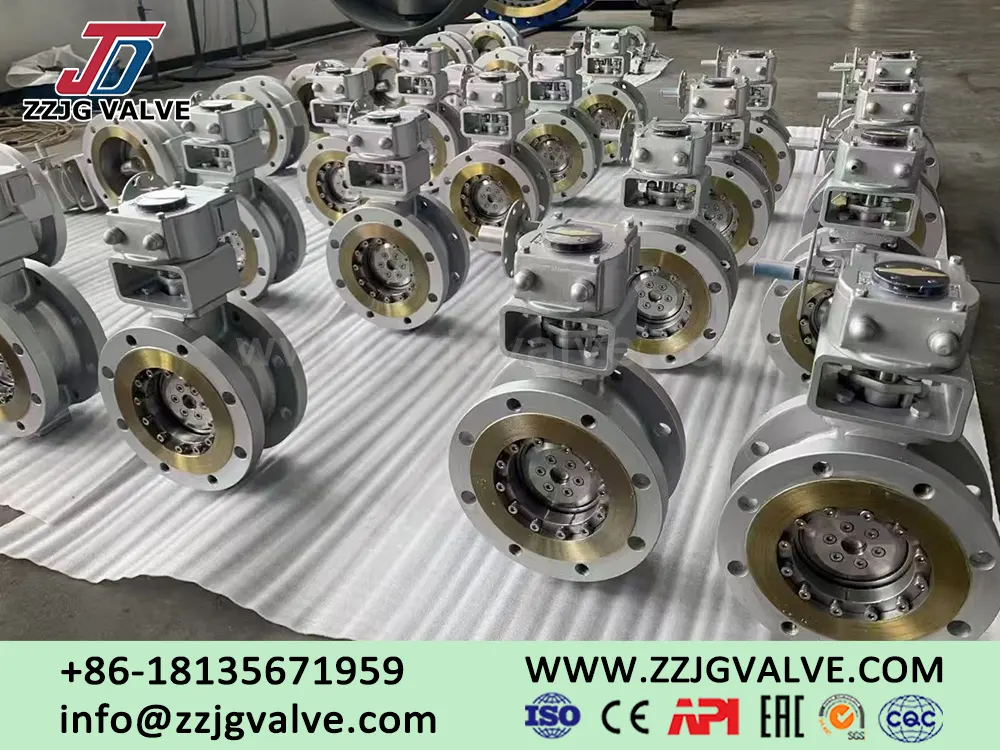
Butterfly valves are suitable for various applications due to their lightweight design and rapid action. Soft-seat butterfly valves are ideal for cryogenic, low-pressure applications, while metal-seat butterfly valves offer excellent sealing capabilities when handling harsh fluid conditions. These processes operate at high temperatures and pressures, conveying viscous or corrosive fluids. The advantages of butterfly valves include:
1) Lightweight and compact structure. Butterfly valves use a thin metal valve disc as the flow control mechanism. The valve disc is small in size and occupies little space, yet has sufficient strength to regulate fluid flow. These valves have a compact body, making them suitable for piping systems in confined (restricted) locations. Large-diameter piping requires larger valves with more manufacturing material, increasing costs. Butterfly valves are cheaper than ball valves of the same size because they consume less manufacturing material.
2) Fast and efficient sealing. Butterfly valves provide a fast seal upon startup, making them ideal for high-precision flow applications. The sealing characteristics of a butterfly valve depend on the type of valve disc offset and the nature of the seat material. Zero-offset butterfly valves provide sufficient sealing for low-pressure applications up to 250 psi. Double-offset butterfly valves provide superior sealing for processes up to 1,440 psi. Triple-offset butterfly valves provide sealing for flow applications exceeding 1,440 psi.
3) Low pressure drop and high pressure recovery. Although the valve disc is always in fluid flow, butterfly valves have a very low pressure drop. Low pressure drop is crucial for managing the pumping and energy needs of the system. The design of butterfly valves allows the fluid to quickly regain energy after leaving the valve.
4) Low maintenance requirements. Butterfly valves have fewer internal components. They lack the grooves that could trap liquid or debris, thus requiring minimal maintenance intervention. Installation is equally simple, requiring only clamping between adjacent pipe flanges. No welding or other complex installation processes are needed.
5) Simple operation. Due to their compact structure and light weight, butterfly valves require relatively low torque to operate. The thin metal valve disc requires only a small force to overcome the frictional resistance of the fluid. Butterfly valves are easier to automate because the small actuator can provide sufficient torque for their operation. This means lower operating costs (smaller actuators consume less power, resulting in lower added costs to the valve).
Disadvantages of Butterfly Valves
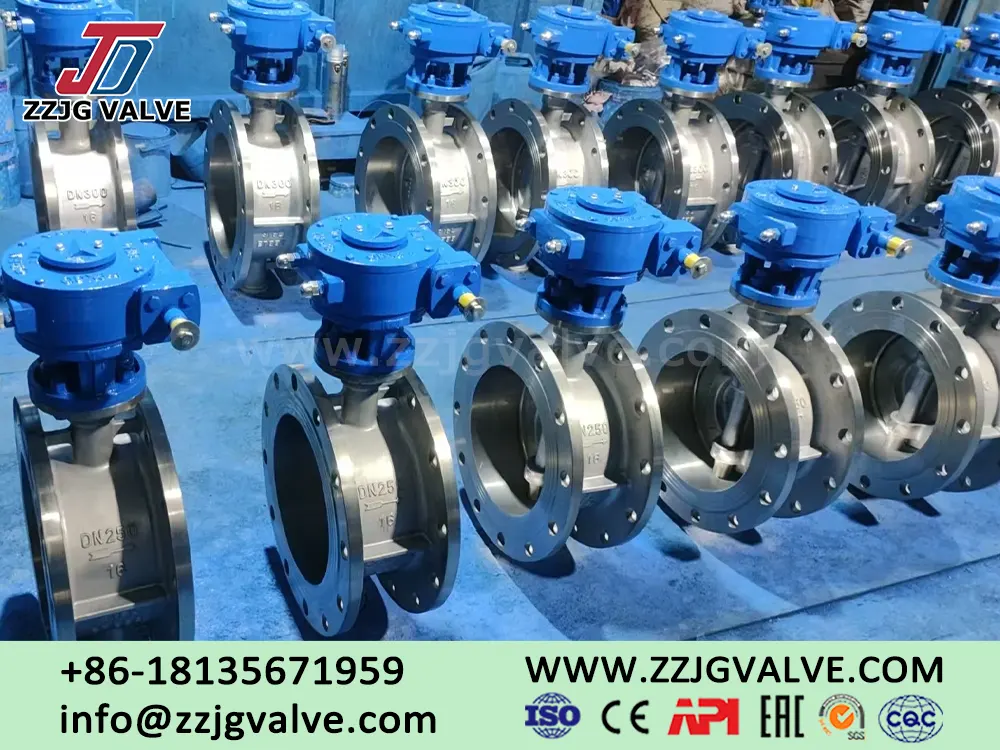
1) Butterfly valves are prone to cavitation and blockage. In the open position, the valve does not provide a full bore. The valve disc is located in the fluid flow path, which exacerbates debris buildup around the valve, increasing the likelihood of cavitation. For fluid applications requiring a full bore, ball valves are an alternative.
2) Rapid corrosion in viscous fluid services. The fluid erodes the butterfly valve disc as it flows over it. Over time, the disc ages and can no longer provide a seal. If dealing with viscous fluids, corrosion will occur more rapidly. Gate valves and ball valves have better corrosion resistance than butterfly valves.
3) Not suitable for high-pressure throttling. Valves can only be used for throttling in low-pressure applications, with opening angles limited to 30° to 80°. Gate valves have better throttling capabilities than butterfly valves.
If the valve disc is fully open, it will hinder system cleaning and make it impossible to clean pipelines containing butterfly valves.
Butterfly Valve Installation Guidelines
Butterfly valves are typically installed between flanges. Butterfly valves should be installed at least four to six times the pipe diameter away from pump outlets, elbows, or branches to minimize the effects of turbulence.
Before installation, clean the pipeline and check the flatness of the flanges. Ensure pipeline alignment. When installing the valve, keep the valve disc in a semi-open position. Flanges may need to be opened to avoid damaging the valve seat surface. When lifting or moving the valve, use locating holes or slings around the valve body. Avoid lifting the valve at the actuator.
Align the valve with the insert bolts of the adjacent pipeline. First, tighten the bolts by hand, then slowly and evenly tighten them with a torque wrench to estimate the clearance between the bolts and the flange. Turn the valve to the fully open position and tighten the bolts with a torque wrench to check for even tension.
Industrial Butterfly Valve Maintenance
Valve maintenance includes lubrication of mechanical parts, inspection and repair of the actuator. Valves requiring regular lubrication have grease-applied fittings. Apply sufficient lithium-based grease at recommended intervals to minimize rust and corrosion.
Equally important is to regularly inspect the actuator for any signs of wear that may affect valve operation or loose electrical, pneumatic, or hydraulic connections.
In addition, users should clean all parts of the butterfly valve with a silicone-based lubricant. The valve seat should be inspected for signs of wear and replaced if necessary. Butterfly valve discs used in drying applications such as compressed air service require lubrication. Butterfly valves that are not frequently used should be operated at least once a month.
Other Considerations When Selecting a Butterfly Valve
Selecting a butterfly valve may seem simple, but several technical specifications need to be considered. First, understand the required type of fluid control and the type of working fluid. Applications involving corrosive fluids require valves made of stainless steel, nickel-chromium-based superalloys, or other corrosion-resistant materials.
Users need to consider variations in flow rate, pressure, and temperature within the piping system, as well as the required level of automation. While electrically operated butterfly valves offer precise flow control, they are more expensive than manually operated butterfly valves. Butterfly valves are not removable and cannot be supplied in full bore.
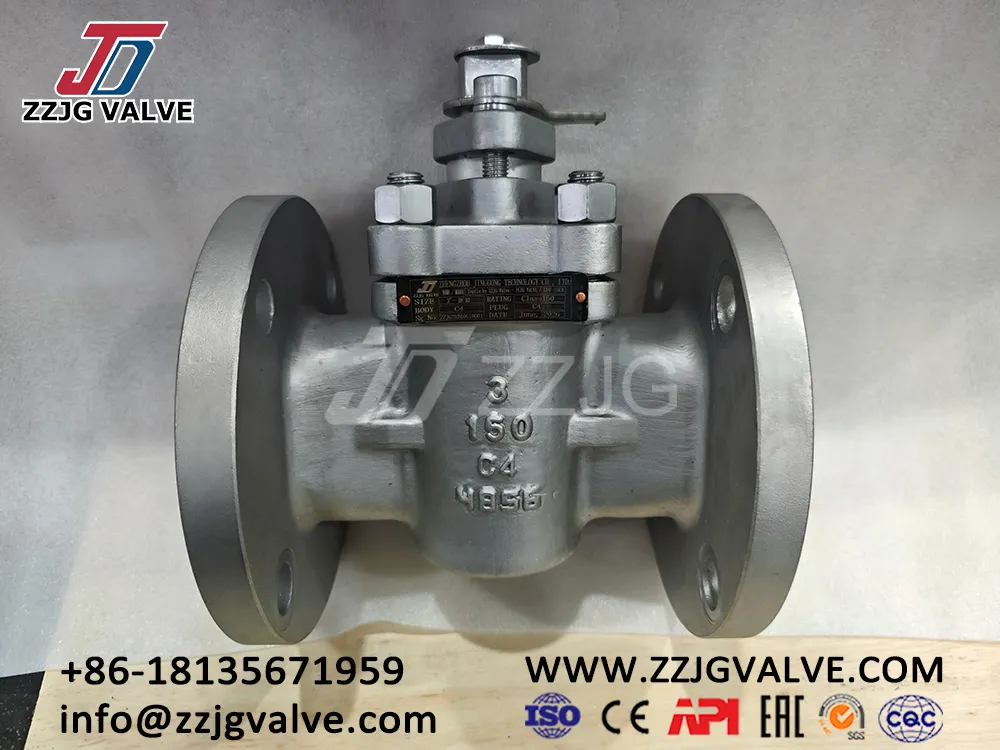
Next: Ductile Iron Vs Carbon Steel Plug Valves
1.webp)