EN
EN RU
RU ES
ES FR
FR AR
AR IND
IND
From Principles to Applications – A Complete Analysis of Butterfly Valves
In the field of fluid control in industrial pipelines, butterfly valves are an extremely common sight. They also have a descriptive nickname – flap valves or butterfly valves – and are widely used in various industries such as chemical, petroleum, and water treatment due to their flexibility, efficiency, and lightweight structure.
Many people have seen butterfly valves, but may not understand their working logic and applicable boundaries. Today, we'll provide a complete analysis of butterfly valves, explaining their working principles, core structure, and application scenarios in one go, helping you thoroughly understand this practical fluid control device!
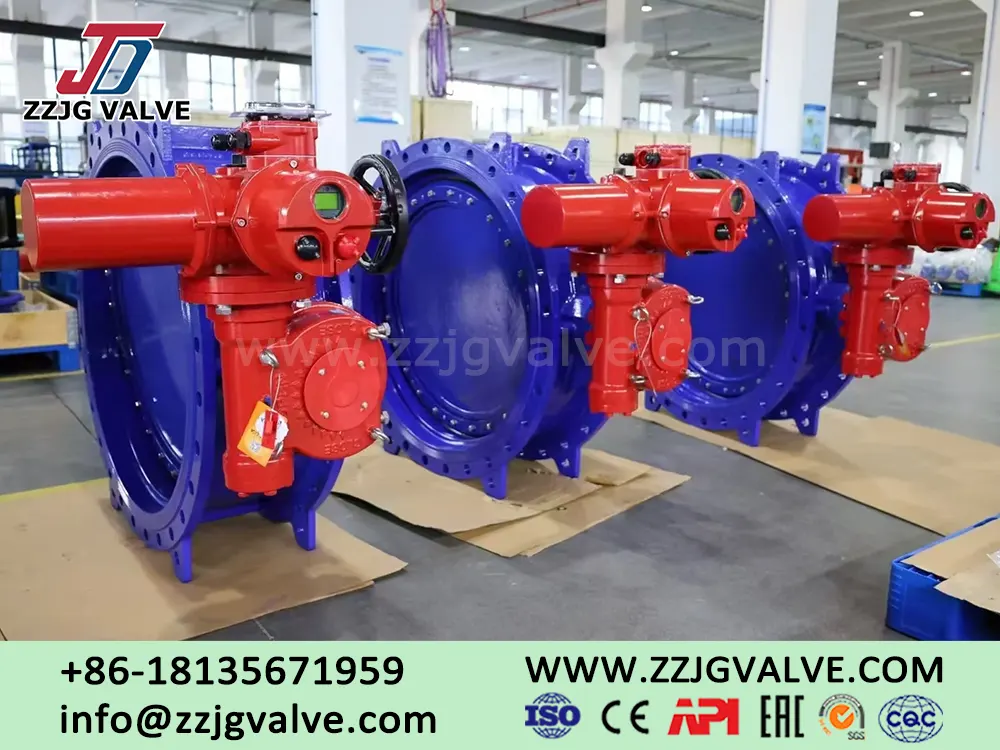
I. Working Principle: 90° Rotation for On/Off Control and Regulation
The working principle of a butterfly valve is very intuitive; its core is "rotational flow control." Its key control component is a disc-shaped butterfly plate, which acts like a rotating "door" installed on the central axis of the pipeline.
When the butterfly plate rotates to be parallel to the pipe axis, the valve is fully open, allowing fluid to flow smoothly without obstruction. When the butterfly plate rotates 90° and is perpendicular to the pipe axis, the valve is completely closed, blocking fluid flow. At any angle between 0° and 90°, the flow rate can be precisely controlled by adjusting the rotation amplitude of the butterfly plate. This simple operating method gives the butterfly valve its core advantages of rapid opening and closing and flexible adjustment.
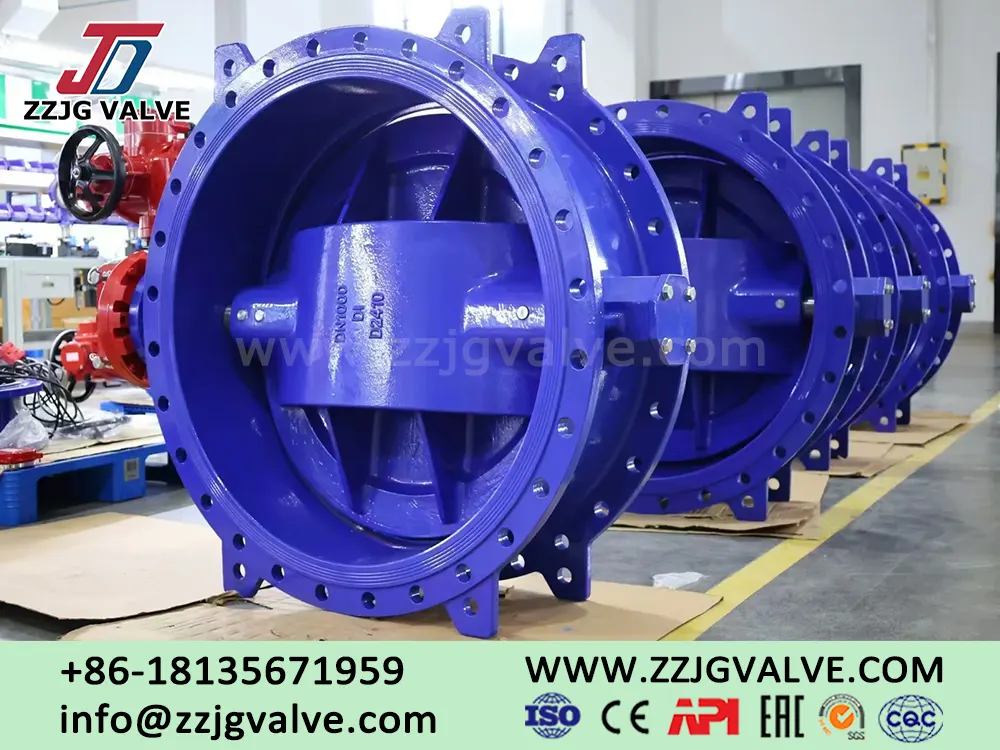
II. Core Structure: Three Major Components Supporting Efficient Operation
The structure of a butterfly valve is not complex, mainly composed of three core components, each with a clear function and working collaboratively:
1. Valve Body: This is the "outer shell" of the butterfly valve, providing a stable flow path for the fluid and serving as the mounting base for other components. The material of the valve body is selected based on the characteristics of the transported medium; for example, cast iron valve bodies are used for ordinary clean water, while stainless steel valve bodies are used for corrosive media.
2. Valve Stem: This is the "transmission bridge" connecting the butterfly plate and the drive device. The power of the drive device is transmitted to the butterfly plate through the valve stem, causing the butterfly plate to rotate, thereby realizing the opening, closing, and adjustment of the valve. High-quality valve stems undergo special treatment to ensure smooth transmission while possessing sufficient strength and corrosion resistance.
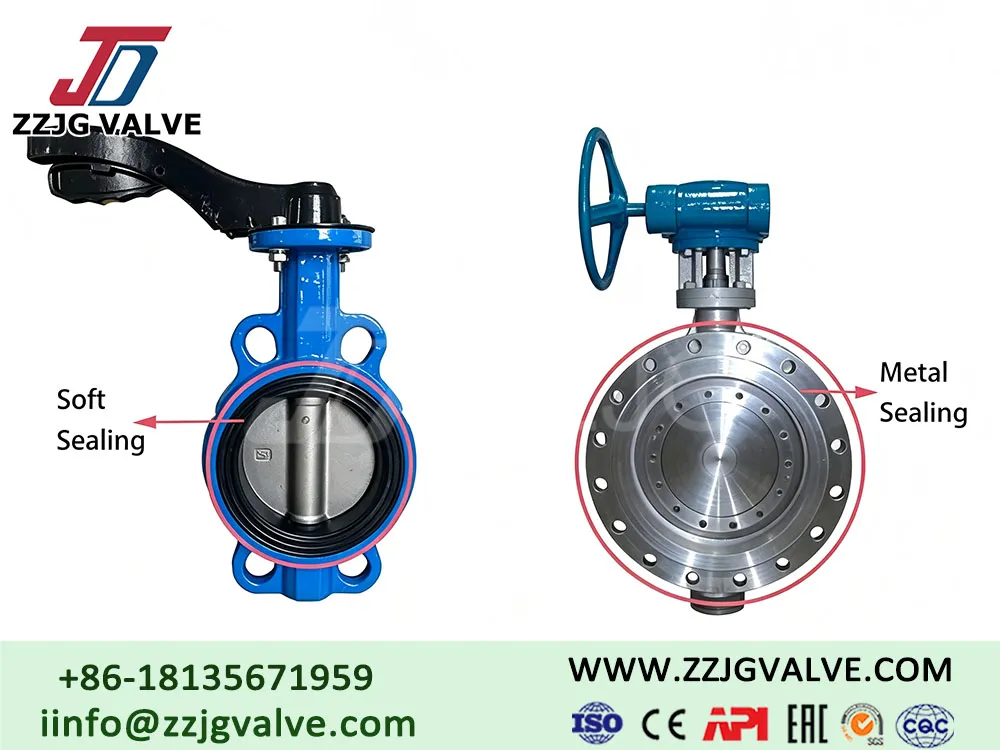
3. Butterfly Plate: This is the "core component" for controlling fluid flow. Its shape, material, and sealing performance directly affect the butterfly valve's performance. Depending on the sealing requirements, butterfly plates are paired with different sealing structures, resulting in both soft-seal and metal-seal types.
Additionally: Besides the three basic components, the butterfly valve's drive mechanism is also crucial. Common types include manual (handle, gear), electric, and pneumatic, adapting to different operational needs.
III. Application Scenarios: These industries cannot do without it
The butterfly valve's widespread application stems from its advantages, including simple structure, small size, light weight, and low operating torque, making it suitable for various working conditions. Different types of butterfly valves have different application focuses:
1. Soft-seal butterfly valve: The sealing surface uses non-metallic materials such as rubber and PTFE, providing excellent sealing performance and achieving near-zero leakage. It is suitable for applications with strict media requirements and no particulate impurities. For example, soft-seal butterfly valves are perfectly suited for scenarios requiring high media purity and sealing performance, such as wastewater treatment plants' clean water processing stages and fluid transport pipelines in food processing and pharmaceutical industries.
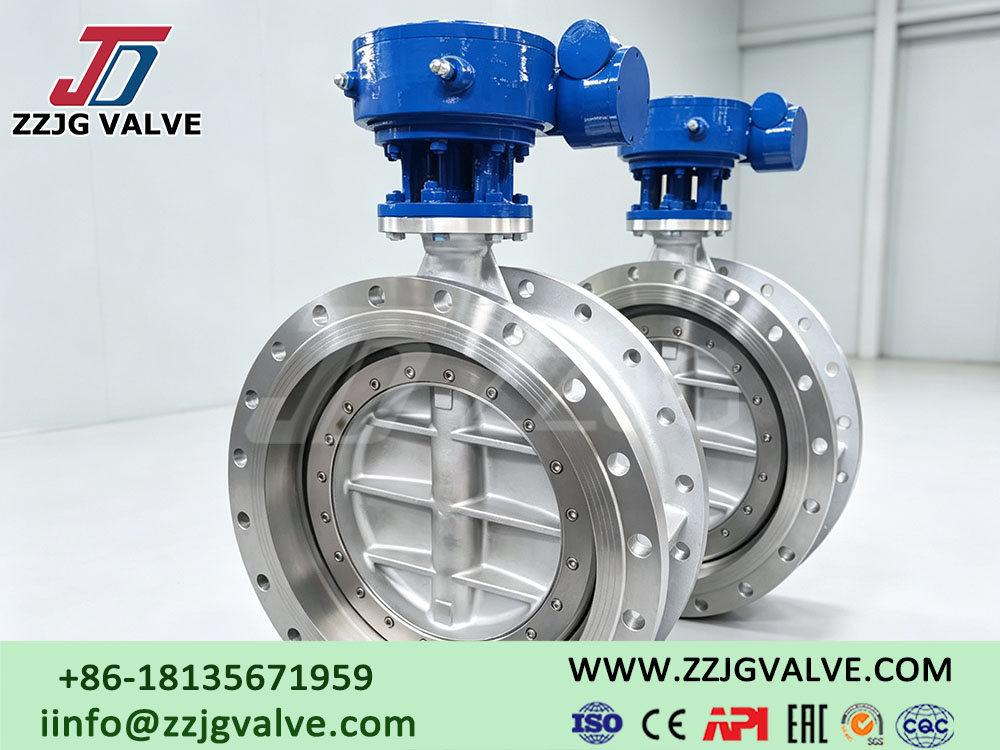
2. Metal-sealed butterfly valves: With sealing surfaces made of stainless steel, alloy steel, or other metal materials, they offer excellent high-temperature, high-pressure, and wear-resistant properties, making them suitable for harsh working conditions. For example, they are ideal for high-temperature media transport in the petrochemical industry, steam pipelines in power systems, and fluid pipelines containing small amounts of particulate impurities.
3. Electric/pneumatic butterfly valves: Electric and pneumatic butterfly valves are indispensable in applications requiring remote control, automated regulation, or explosion-proof features. For example, in centralized control systems of large chemical industrial parks and fire emergency systems, remote control allows for rapid opening and closing of butterfly valves, improving operational efficiency and safety.
In addition, butterfly valves are frequently seen in pipeline systems in municipal water supply and drainage, metallurgy, and ventilation and dust removal industries.
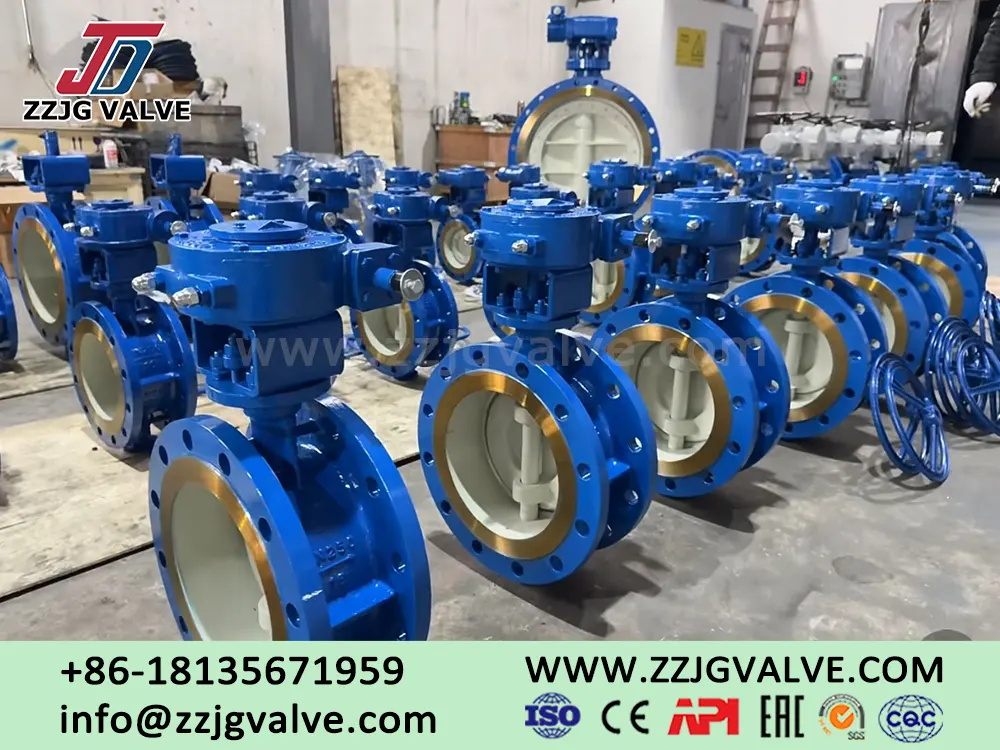
IV. Limitations and Selection Tips: Avoid These Pitfalls
While butterfly valves offer many advantages, they also have limitations: for example, they are not suitable for high-pressure throttling conditions, as prolonged throttling under high pressure can easily lead to wear on the sealing surface; additionally, in media containing a large number of hard particles, the butterfly plate and sealing surface are easily eroded and damaged, potentially causing flow blockage.
When selecting a butterfly valve, it is essential to consider the specific operating conditions: first, clarify the characteristics of the medium (whether it is corrosive, contains particles), temperature and pressure parameters, and then select the appropriate butterfly valve type based on sealing requirements and operating methods. Only by selecting the right valve can its advantages be fully realized and the stable operation of the system be ensured.
Butterfly valves are efficient and flexible fluid control devices. Understanding their principles, structure, and applicable scenarios will allow for better utilization of their function in practical applications.
Next: Lift-Type Hard-Seated Plug Valves in the Oil and Gas Industry
-1.webp)
.jpg)