EN
EN RU
RU ES
ES FR
FR AR
AR IND
IND
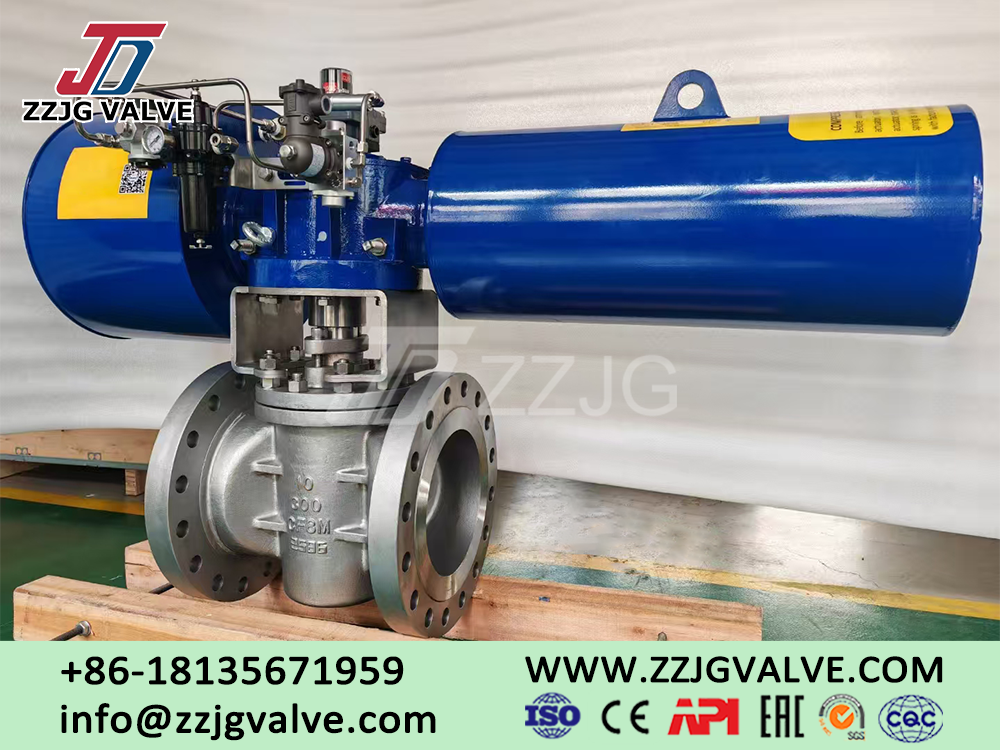
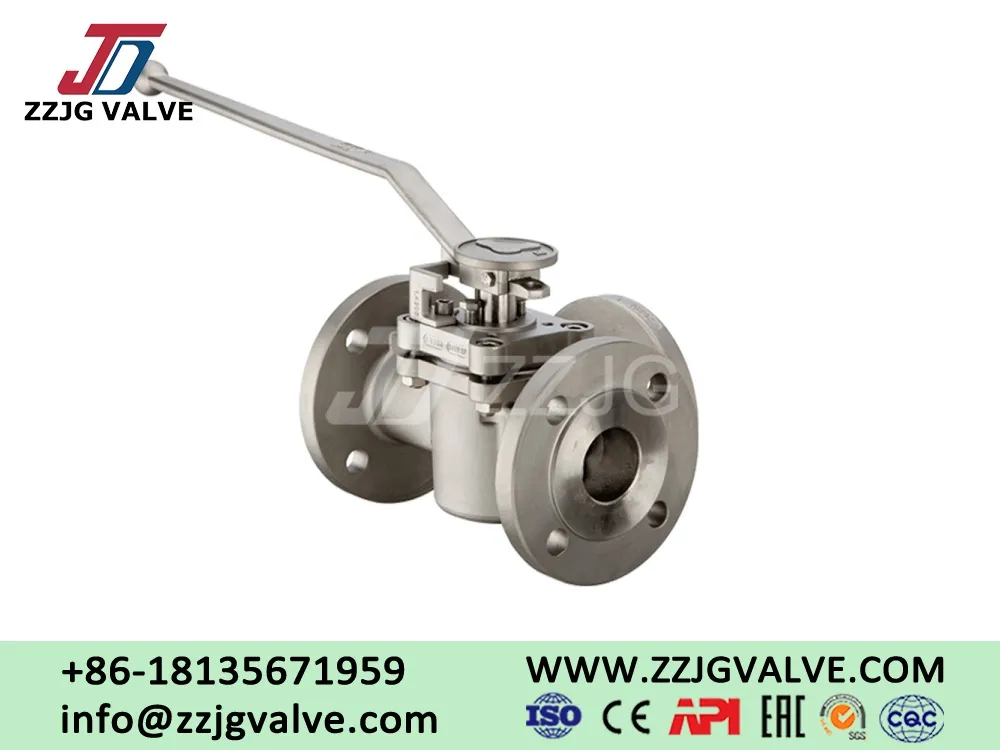
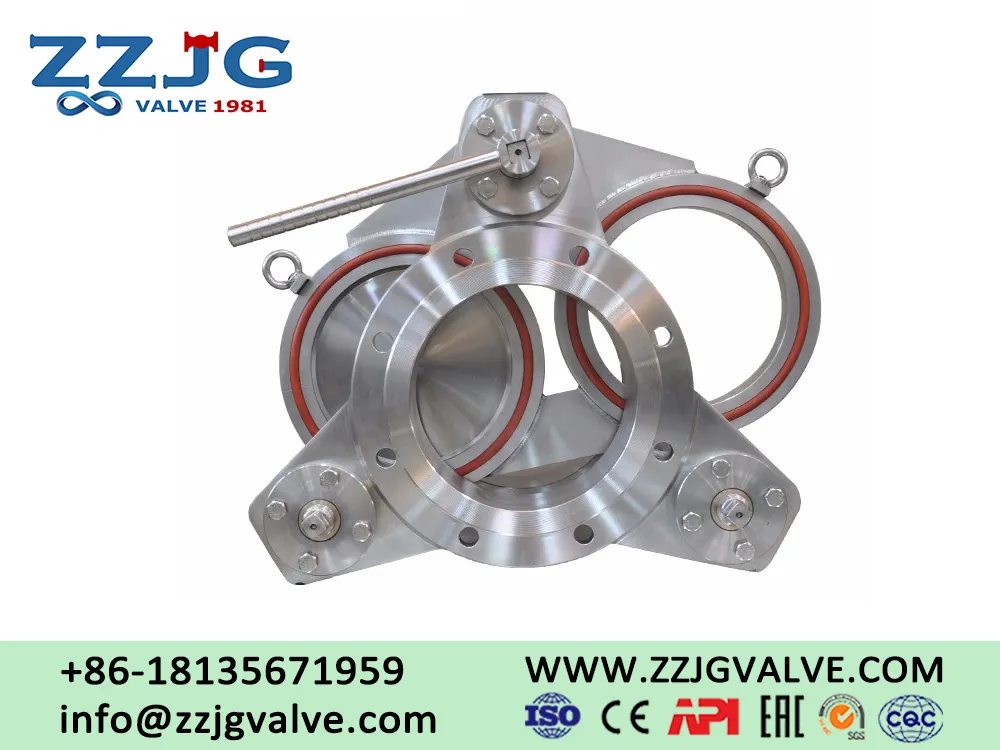
DBB Plug Valve Application & Feature In Aviation Fuel
The double block and bleed valve (also known as the "General Valve" or DBB valve) is widely used in aviation fuel storage and transportation systems. The core purpose is "zero leakage + verifiable isolation + online maintenance", meet the strict requirements of aviation kerosene for cleanliness, fire prevention, explosion protection, and high reliability.
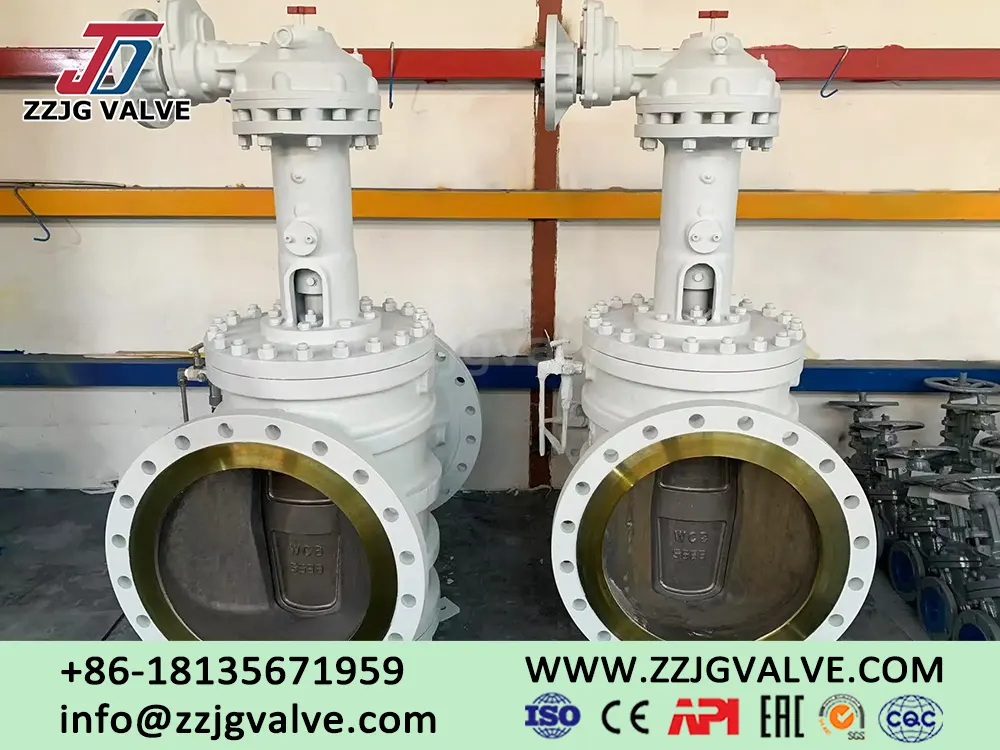
Ⅰ. Double shut-off + Intermediate discharge
Two independent sealing sliding plates simultaneous press against the upstream and downstream valve seats, form a "double insurance" shut-off; after closing, open the intermediate discharge port, the residual oil in the valve chamber can be discharge to a safe container or recovery tank. This not only verify the integrity of the seal, but also prevents abnormal increases in valve chamber pressure due to thermal expansion or evaporation, thus ensuring leak-free insulation.
Ⅱ. Smooth opening and closing, no particle blockage
When open the Orbit Plug Valve, the sliding plate retracts radially and then rotates 90°; when closing, it rotate first and then pushes outward. Throughout the process, there is no sliding friction on sealing surface, nor is any oil deposit formed in the sealing band. That is especial noticeable in oils requiring NAS 6 or higher cleanliness, such as aviation kerosene.
Ⅲ. Fire Safety Structure
The soft seal DBB Plug Valve normally made of viton. Need to mold fluororubber in the groove of the sliding plate, and a metal-metal hard seal is added behind it. If the soft seal part is damaged by the fire, the hard sealing part can still be work. And this meet the fire resistance test requirements of API 607/ISO 10497.
Ⅳ. Online maintenance, no need for hot work or pipe cutting
The sliding plate and the plug are connected by dovetail grooves. Simply remove the bottom cover to withdraw the sliding plate for replacement. The entire operation time is less than 15 minutes. The airport oil depot does not need to stop the pipeline transportation or perform hot work, significantly reducing maintenance costs.
Ⅴ. Full-diameter design, capable of pigging, sampling and metering
The valve chamber diameter is consistent with the pipeline, allowing pigging balls, sampling devices or calibration balls to pass smoothly, meeting the requirements for regular calibration of aviation kerosene filters/separators and sampling of moisture and impurities; the pressure loss is also more than 30% lower than that of reduced-diameter ball valves.
Ⅵ. Anti-static, anti-corrosion, long service life
The inner cavity of the Twin Seal Plug valve body is plated with hard chromium. The contact surfaces between the sliding plate, the plug and the medium are all treated with Ni-Cr alloy. This not only prevents the corrosion of active components such as mercaptans, but also reduces the accumulation of static electricity. The opening and closing torque is small, and the service life can reach 50,000 cycles, which is 3 to 4 times that of conventional gate valves or ball valves.
Ⅶ. Examples of application locations:
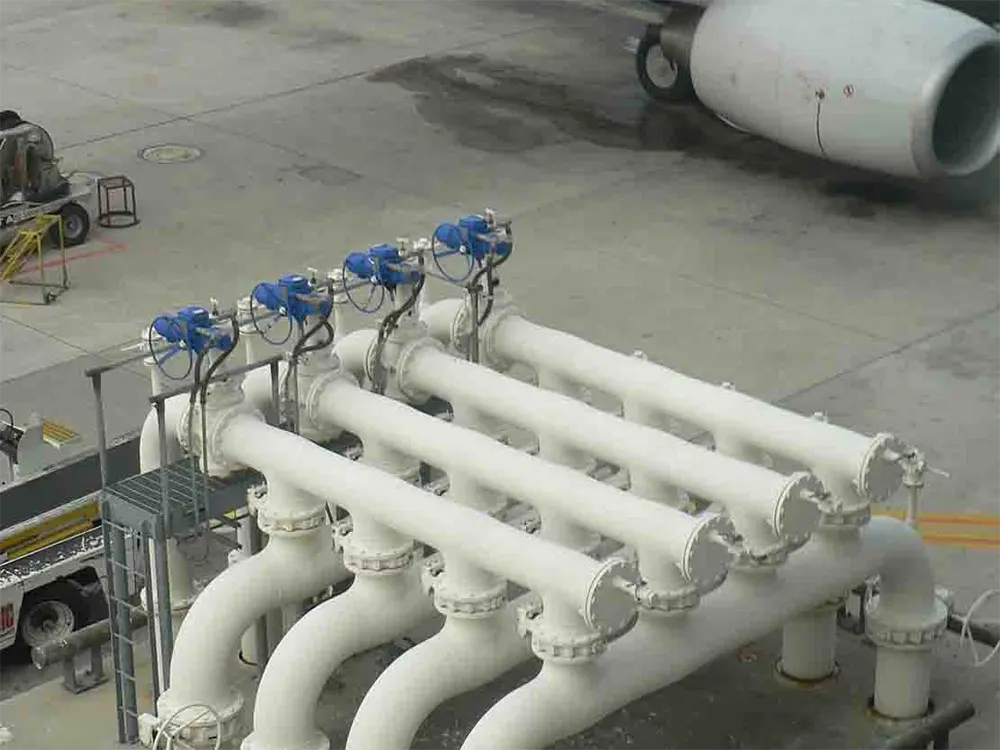
--The "dual valve isolation" point for receiving and dispatching oil at the airport oil depot
--The isolation module for aircraft fuel nozzles/ pits (Hydrant pit)
--The bypass isolation of filters, flow meters, and calibration loops
--As a verifiable isolation valve between the tank root valve and the first cut-off valve
--The multi-channel distribution manifold (such as the ground refueling panel of Boeing 737)
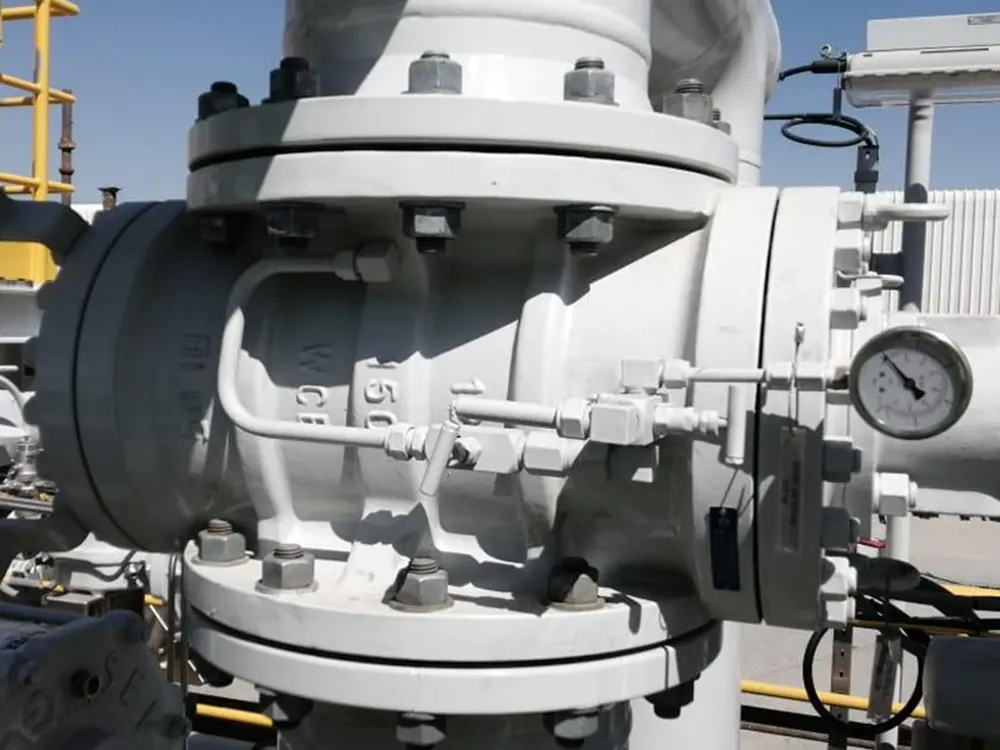
Through the simple yet redundant structure of "double shut-off + discharge", the double shut-off discharge ball valve has achieved the ultimate level of "leakage risk being visible, dischargeable, and detectable", and has become the standard isolation solution for the entire chain of aviation fuel from refineries, pipeline transportation to airport fuel depots and aircraft parking area refueling.
Next: ZZJG Quick Cut-off Blind Valve Export to Malaysia Oil & Gas Company
-1.webp)
.jpg)