EN
EN RU
RU ES
ES FR
FR AR
AR IND
IND
Butterfly valve seals: structure, material selection
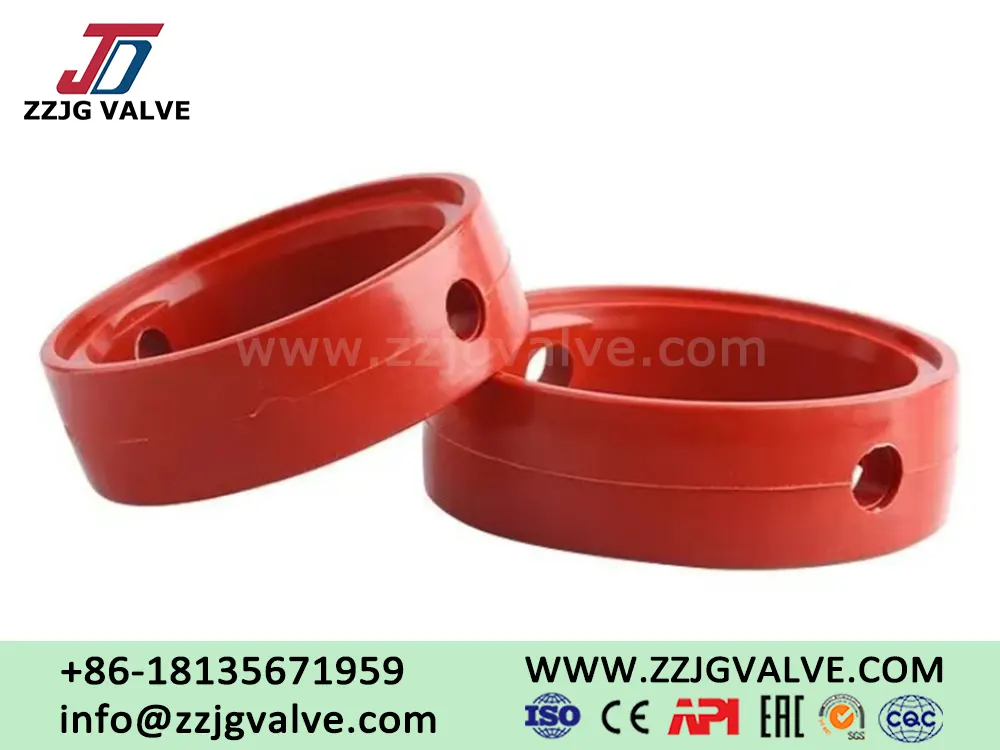
Butterfly valve is a type of valve with high economic efficiency and rapid opening and closing in fluid control. Its sealing performance directly determines the reliability and service life of the valve. Butterfly valve seals have various designs, and different structures are suitable for different working conditions. This article will provide an in-depth analysis of the characteristics, materials and application scenarios of mainstream sealing structures.
I. Core structure and working principle of butterfly valve seals
The butterfly valve sealing pair consists of the seat sealing ring (Seat) and the butterfly plate edge sealing surface (Disc Edge). There are two main types of structures:
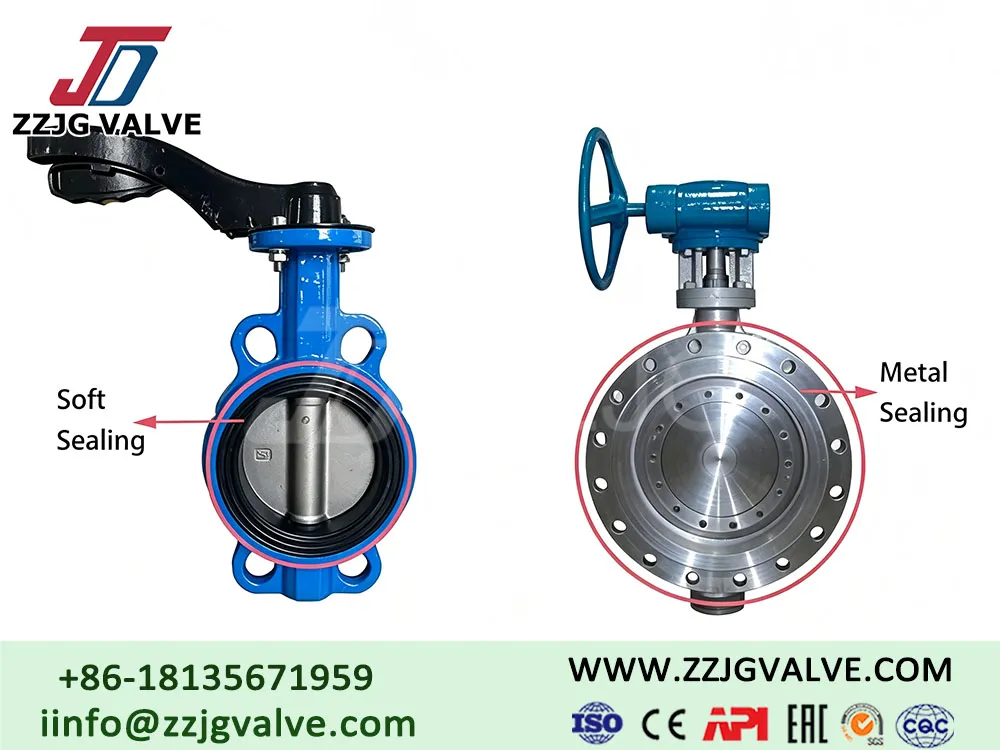
1. Soft Seated:
• Structural features: Non-metal elastomer valve seat (rubber, PTFE, etc.) is embedded in the valve body or butterfly plate. When the butterfly plate rotates to close, its edge (usually metal or coating) presses into the soft valve seat to deform and achieve a seal.
• Advantages: low sealing specific pressure, excellent zero leakage performance (can reach Class VI), low cost, and small torque.
• Disadvantages: Limited temperature resistance, pressure resistance, wear resistance and chemical resistance, and susceptible to fluid erosion and particle damage. Not suitable for frequent adjustments.
2. Metal Seated structure (Metal Seated):
• First eccentricity: The valve stem axis deviates from the center of the valve channel.
• Second eccentricity: The valve stem axis deviates from the center of the butterfly plate sealing surface.
• Third eccentricity (critical): The sealing surface profile is designed with a tapered angle. When closed, the butterfly plate "wedges" into the valve seat, achieving line contact or minimal surface contact.
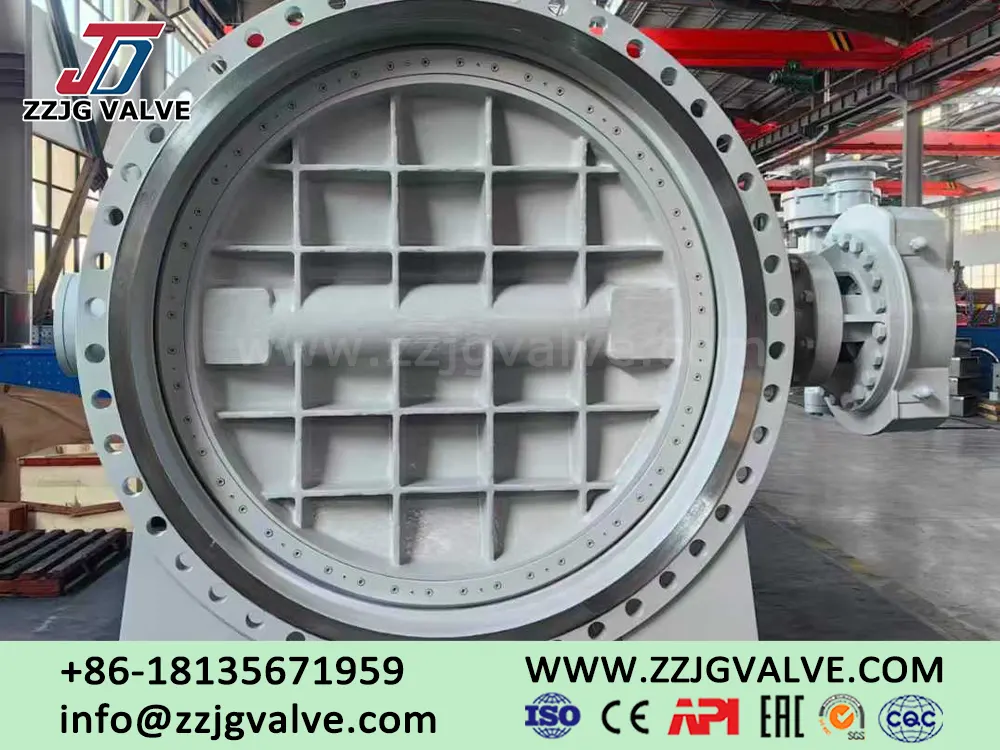
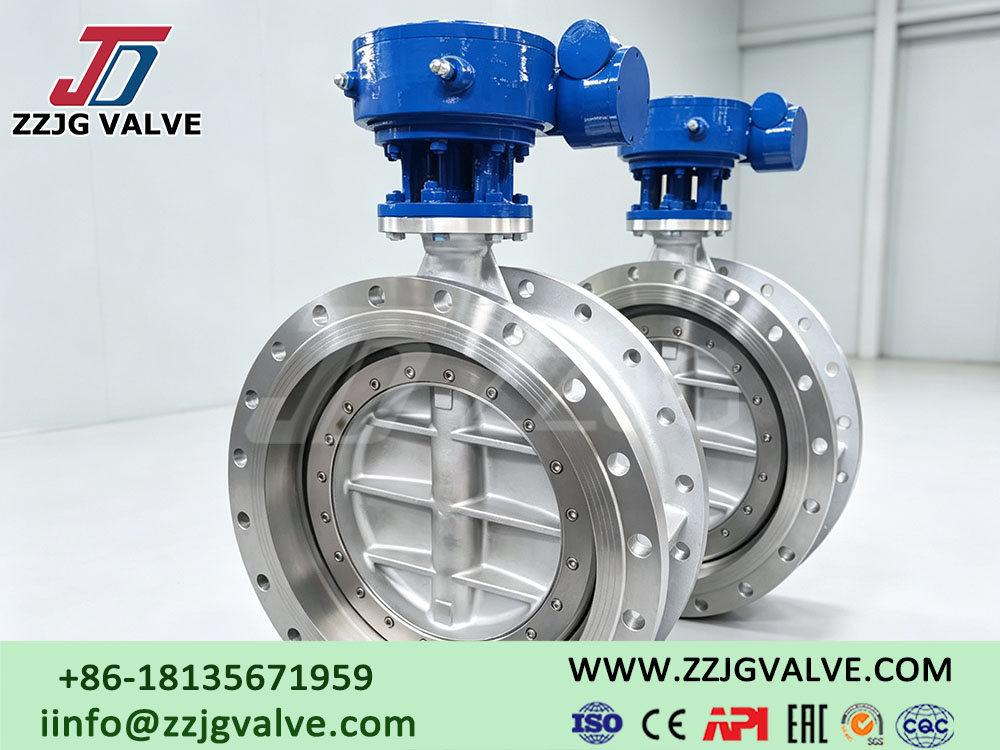
• Structural features: The valve seat and butterfly plate sealing surfaces are made of metal materials (such as stainless steel, special alloys). Typical structures include triple eccentric design (Figure 1) or double eccentric + special valve seat:
• Advantages: Extremely high temperature resistance, pressure resistance, wear resistance, erosion resistance, and cavitation corrosion resistance. Long life and partially reusable.
• Disadvantages: high manufacturing cost, high sealing specific pressure, and high torque. Zero leakage may be difficult to achieve at low pressure or low temperature (typically Class IV)
II. Comparison of Soft and Hard Seal Performance
Table 1: Comparison of Core Characteristics of Soft and Hard Seals in Butterfly Valves
| Core Sealing Structure | Non-metallic elastomer seat +butterfly plate edge (usually metal) | Metal valve seat + metal butterfly plateconicalsurface(line/small face contact |
| Sealing Principle | Compression,Squeeze Deformation Seal | Position-type conical line contact seal |
| Maximum Operating Temperature | -10°C~150°C (Rubber),-50°C~ 200°C (PTFE) | -196+600°C(+ basedon metal material) |
| Maximum Working Pressure | PN10~25(= ANSI 150) | PN16~150(=ANSI 90°) |
| Zero leakage energy | High (up to Class Vl) | Medium-High (Up to Class lV/V, Best at High Pressure) |
| Applicable media | Water, gas,neutral liquids | Steam,oil and gas, particulate slurries,corrosive media,high-temperature gases |
| Anti-particle / abrasion resistance | Poor (valve seat prone to scratchingverosion) | Excellent |
| Service lifeWear resistance | Short (especiallyfrequent switching) | Extremely long. |
| Initial purchase | LOW | High |
| Tumn on and off torque | small | Medium to High (Higher than Soft Seal) |
| Whether adjustment is applicable | Not recommended (rapid wear andleakage) | Applicable under conditions (better than soft seal) |
| Typical Application Scenarios | HVAC water system, low-pressure water supply and drainage, general gas | Refining high-temperature pipelines,steamsystems,coalchemical industry |
III. Soft-Seal Valve Seat Materials and Applications
The soft-seal valve seat is a key elastic element of the butterfly valve, and the choice of material determines its performance limits:
1. Nitrile Butadiene Rubber (NBR):
• Characteristics: Excellent resistance to mineral oils, aliphatic hydrocarbons, airtightness, and abrasion resistance; low cost; temperature resistance: -20°C ~ +80°C (water/oil); not resistant to esters/ketones/ozone.
• Applications: The most common valves for water, hot water (<80°C), compressed air, and petroleum-based oil transfer.
2. Ethylene Propylene Diene Monomer (EPDM):
• Characteristics: Excellent resistance to hot water/steam (<150°C), ozone/weather, and alkalis/weak acids; generally not resistant to mineral oils/fuel oils; temperature resistance: -40°C ~ +150°C.
• Applications: Heating water, steam condensate, humid air, food and beverage, ozone treatment, phosphate ester flame retardant systems.
3. Fluororubber (FKM/Viton®):
• Characteristics: Excellent high temperature resistance (-20°C ~ +200°C), resistant to mineral oil/fuel oil/strong acids/hydrocarbon solvents/ozone; not resistant to hot water/strong alkalis/ketones/esters; higher cost.
• Applications: Chemical processes requiring higher temperature and oil resistance (such as hydrocarbon solvents, fuel oils), acid and alkaline gas/liquid valves.
4. Polytetrafluoroethylene (PTFE):
• Characteristics: Ultra-wide chemical inertness (resistant to strong acids, alkalis, solvents), extremely low friction, self-lubricating; low elasticity, severe cold flow; temperature resistance: -50°C ~ +200°C.
• Applications:
① Pure PTFE valve seats: Resistant to strong corrosion but slightly inferior sealing performance (requires compensation design).
② PTFE composite valve seats (PTFE filled with glass fiber/graphite/carbon powder): Improves cold flow resistance/rigidity, used in higher temperature/low pressure corrosive environments.
③ PTFE elastic lining (e.g., lip/bubble type): Combines elasticity and corrosion resistance.
IV. Pairing and Treatment of Metal Hard Seal Materials
The performance of hard-seal butterfly valves highly depends on the selection and surface treatment of the valve seat and disc sealing surfaces to ensure wear resistance, anti-galling, and corrosion resistance:
1. Common Pairing Strategies:
• Dissimilar Material Pairing: Avoid frictional cold welding of the same materials (e.g., stainless steel-Staillix alloy).
• Hardness Difference: Valve seat sealing surface hardness > disc sealing surface hardness (typically HRC 2-5 higher), disc is considered a "replaceable part".
• Surface Hardening/Treatment: Hardened layers significantly improve service life (as shown in Table 1, key characteristics).
2. Key Materials and Treatment Technologies:
• Hard alloy overlay
• Surface hardening treatment
• Integral wear-resistant alloy: Disc/seat uses high-grade duplex steel, Hastelloy, etc., extremely expensive and only used in extremely corrosive environments.
• Materials: Stellite 6 (cobalt-based, HRC 40-50, resistant to high-temperature wear/cavitation/corrosion), Inconel 625 (higher temperature oxidation resistance).
• Applications: Mainstream solutions for heavy particle, high-temperature and high-pressure steam valves and harsh operating conditions.
• Flame/Plasma/Laser Hardening: Localized hardening of the valve seat/butterfly plate sealing area (to HRC 45-55).
• Nitriding/Nitrocarburizing: Forms a high-hardness (≥HV 1000) compound layer (approximately 0.1-0.3mm thick), improving wear resistance and anti-galling properties.
• Thermal Spraying: High-velocity oxygen fuel (HVOF) spraying of ultra-hard coatings such as tungsten carbide (WC) and chromium oxide (dense, high adhesion).
• Stainless Steel Base Valve Body/Butterfly Plate: Such as 304/316 (ASTM CF8/CF8M). o Wear-resistant hardened sealing surface:
V. Key Limitations and Selection Considerations for Butterfly Valve Seals
1. Inherent Structural Limitations (Especially Soft Seals)
• Permanent compression deformation of rubber/PTFE valve seats: Long-term closure or high temperatures can lead to loss of elasticity and leakage.
• Incompatible media: Chemical swelling or dissolution can cause leakage.
• Low-pressure sealing challenges (hard seals): Insufficient metal elasticity under ultra-low pressure.
• High-temperature creep/cold flow: PTFE and some rubbers may relax and fail at high temperatures.
• Impact of particulate media: Soft valve seats are easily clogging or scratched by sharp particles.
2. Core Selection Considerations
• Media characteristics: Fluid type, temperature, pressure, corrosiveness, solid particle content.
• Leakage requirements: Is zero leakage required? (Class VI soft seal > Class IV hard seal).
• Expected lifespan: Hard seals are required for long-term frequent switching.
• Severity of operating conditions: Hard seals + hard surface welding are selected for high temperature, high pressure, and particulate erosion.
Cost Budget: Hard seals for heavy-duty applications have high initial costs, but potentially lower life-cycle costs.
Conclusion: The core of butterfly valve seal design lies in the matching of the seal structure (soft/hard) and materials. Soft seals (rubber/PTFE) excel in low-pressure sealing and low cost, but are limited by temperature, pressure, lifespan, and wear conditions. Triple-eccentric metal hard seals dominate the harsh operating market with high temperature and pressure resistance and abrasion resistance, but cost and low-pressure sealing performance are challenges. When selecting a seal, avoid a "one-size-fits-all" approach:
• Water/gas/low-pressure neutral fluids: EPDM/NBR soft seals are preferred for their cost-effectiveness.
• Corrosive fluids: FKM soft seals or PTFE-lined soft seals provide solutions.
• Steam/oil/gas/high-temperature/particulate media: Hard seals + Stellite weld overlay/hardened surface are essential.
• Ultra-high temperature/extreme corrosion: Nickel-based alloy weld overlay or high-grade substrates are recommended.
Users should strictly select the sealing structure based on media parameters, operating pressure-temperature curves, operating frequency, and lifespan requirements, combined with the material properties described in this article. Ignoring the details of butterfly valve seal selection will directly lead to valve leakage, frequent replacements, or system downtime risks.
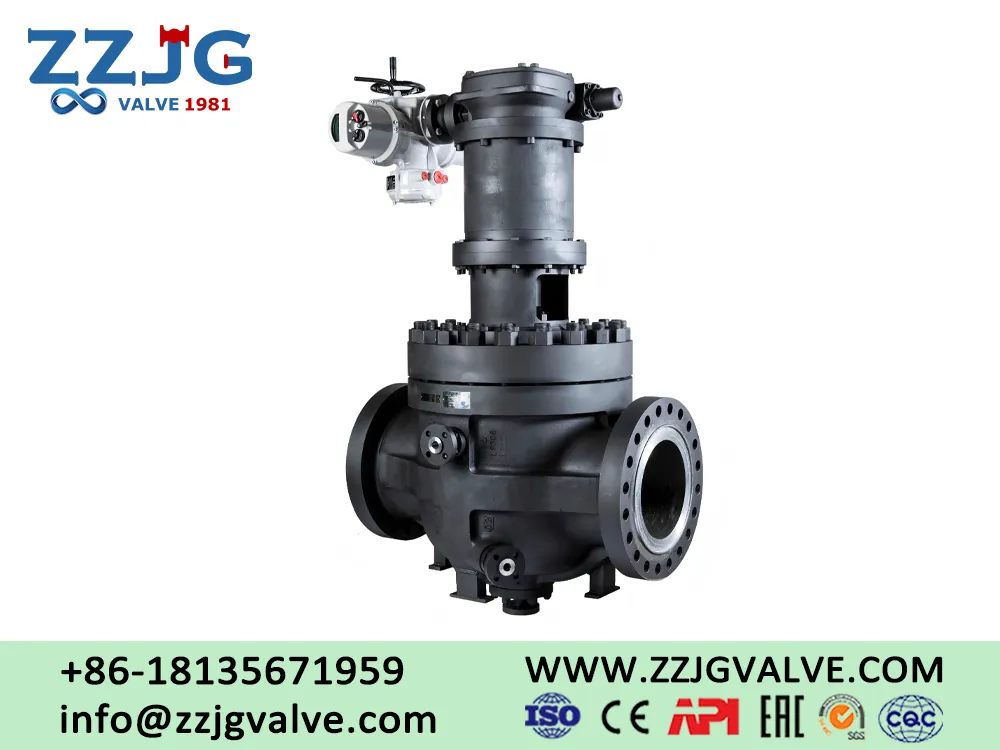
Next: Eccentric Plug Valve Manufactured By ZZJG VALVE
-1.webp)
.jpg)