EN
EN RU
RU ES
ES FR
FR AR
AR IND
IND
Cryogenic Plug Valve Selection In LNG Receiving Terminals
With the continued growth in global demand for clean energy, LNG (liquefied natural gas) receiving terminals, as crucial hubs for imported natural gas, are facing unprecedented challenges in extremely cold operating conditions. In cryogenic environment of -196℃, ordinary valves are highly susceptible to brittle fracture, leakage, and even jamming. Plug valves, due to their compact structure and reliable sealing, have become core equipment in critical positions at LNG receiving terminals. How can we ensure the safe and stable operation of valves under extreme conditions? Three key considerations in valve selection cannot be ignored.
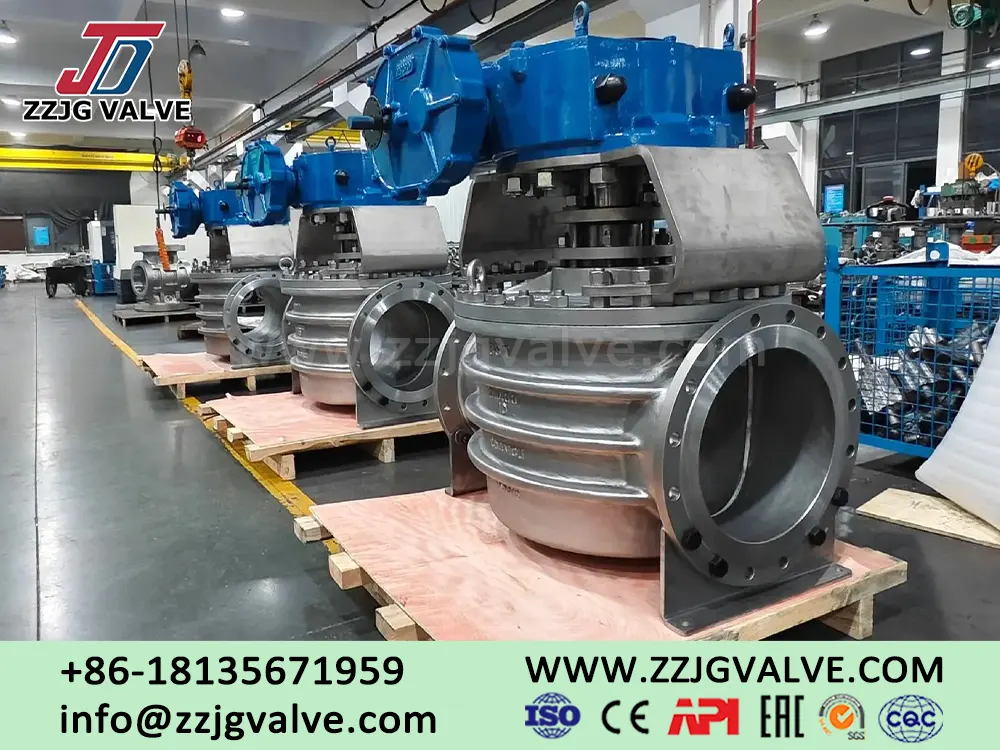
Key Point 1: Material Toughness – Austenitic Stainless Steel Becomes a "Must-Have"
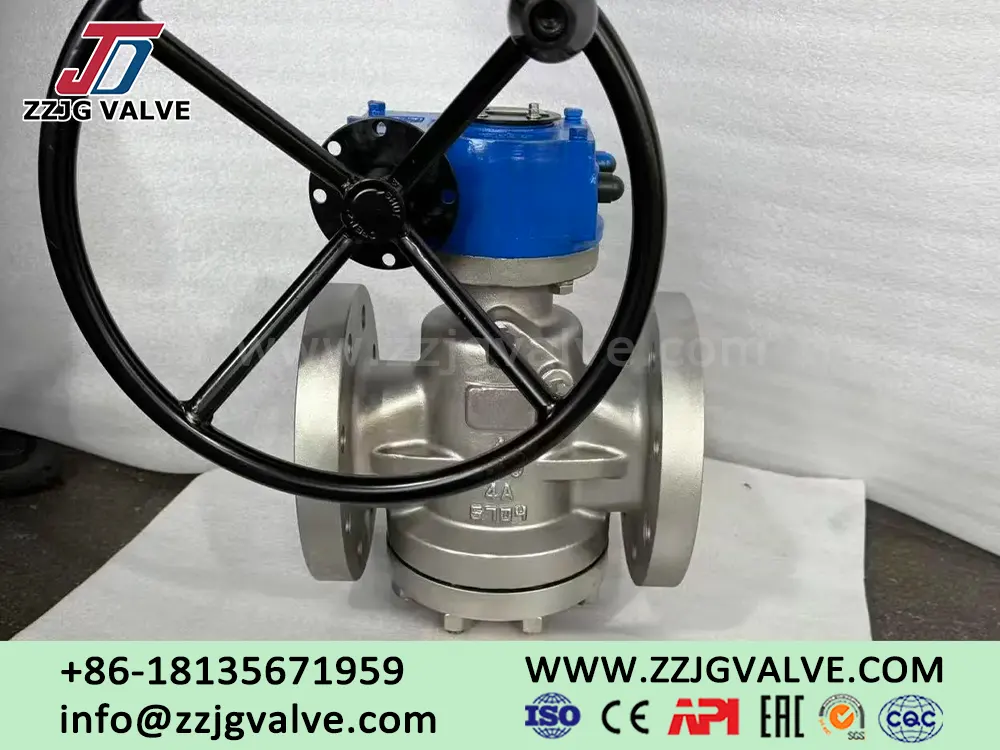
In liquid nitrogen/liquefied natural gas media at -196℃, conventional carbon steel will rapidly undergo a cryogenic brittle transition, losing its load-bearing capacity. Therefore, the plug valve body, cover, and internal components of cryogenic plug valves must be made of austenitic stainless steel, such as cast grades like CF8M and CF3M, or forged grades like F316 and F304L. The face-centered cubic lattice structure of austenitic stainless steel allows it to maintain good elongation and impact toughness even in extremely cold environments, effectively resisting the risk of low-temperature stress cracking. It is particularly important that the material undergoes deep cryogenic treatment to eliminate volumetric deformation caused by the transformation of residual austenite during machining, ensuring the dimensional stability and sealing reliability of the valve under low-temperature conditions.
Key Point Two: Long Valve Neck Design – Blocking Cold Bridges and Preventing Frosting
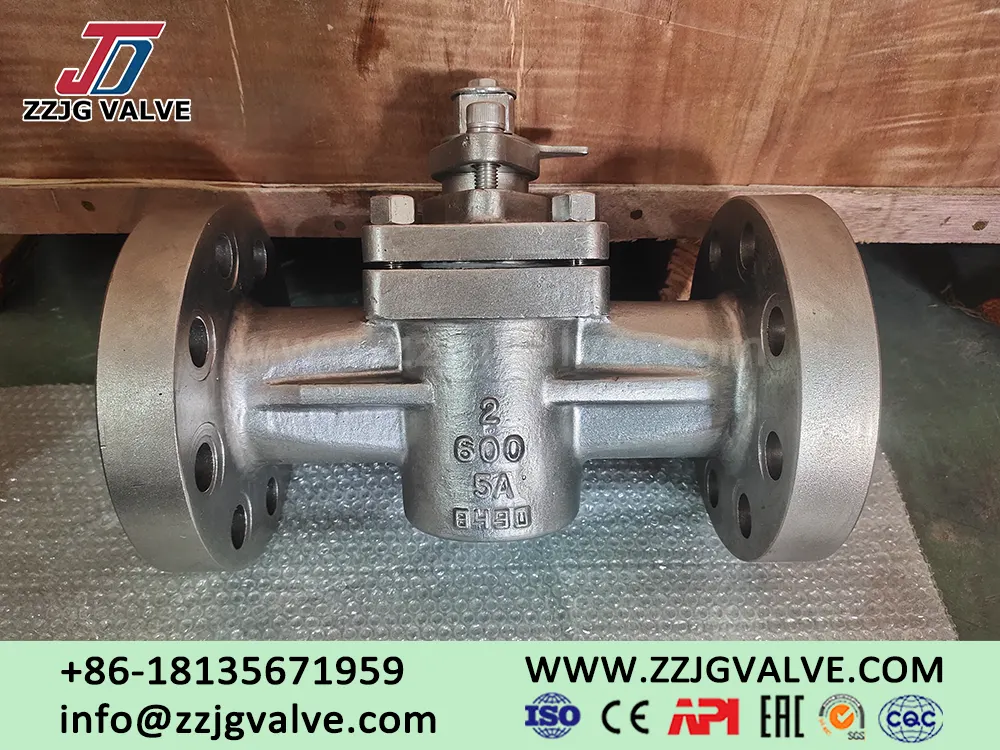
The plug valve creates a huge temperature difference between the -196℃ medium and the ambient temperature. If the plug valve neck is too short, the cold energy will be directly conducted along the valve stem to the actuator, causing the stuffing box to freeze, the valve stem to seize, and even damaging the sealing surface. The long plug valve neck design is designed to solve this problem. The extended neck of plug valve forms a temperature gradient transition zone, keeping the temperature of the stuffing box above 0℃. Combined with effective thermal insulation gaskets, the "cold bridge" effect is structurally blocked. Practice shows that a reasonable valve neck length combined with low thermal conductivity materials can significantly reduce the risk of external leakage, prevent plug valve operation jamming, and ensure long-term continuous operation of the receiving station.
Key Point 3: Drip Plate Structure – Preventing Condensation Intrusion
LNG receiving terminal environments are humid, and cryogenic valve surfaces are highly susceptible to condensation and even ice formation. As cold energy is transferred upwards along the valve neck, condensate can seep into the stuffing box along the valve stem, freezing and damaging the seal. The drip plate – a ring-shaped metal baffle located at the top of the valve neck – is a key design feature addressing this issue. It effectively intercepts condensate flowing down the plug valve stem and guides it to drip outwards, preventing moisture from entering the stuffing box area. Furthermore, the drip plate, combined with a self-reinforcing sealing structure, further prevents mechanical damage to the packing by ice crystals, significantly extending the valve's long-term sealing life.
The extremely cold environment of LNG receiving terminals presents a comprehensive test of plug valve design, materials, and manufacturing processes. Selecting cryogenic plug valves with an austenitic stainless steel base, long valve neck, and drip plate structure is not only essential for ensuring operational safety but also a crucial measure to reduce life-cycle maintenance costs.
If you have any questions or cryogenic plug valve inquiry, please contact ZZJG PLUG VALVE.
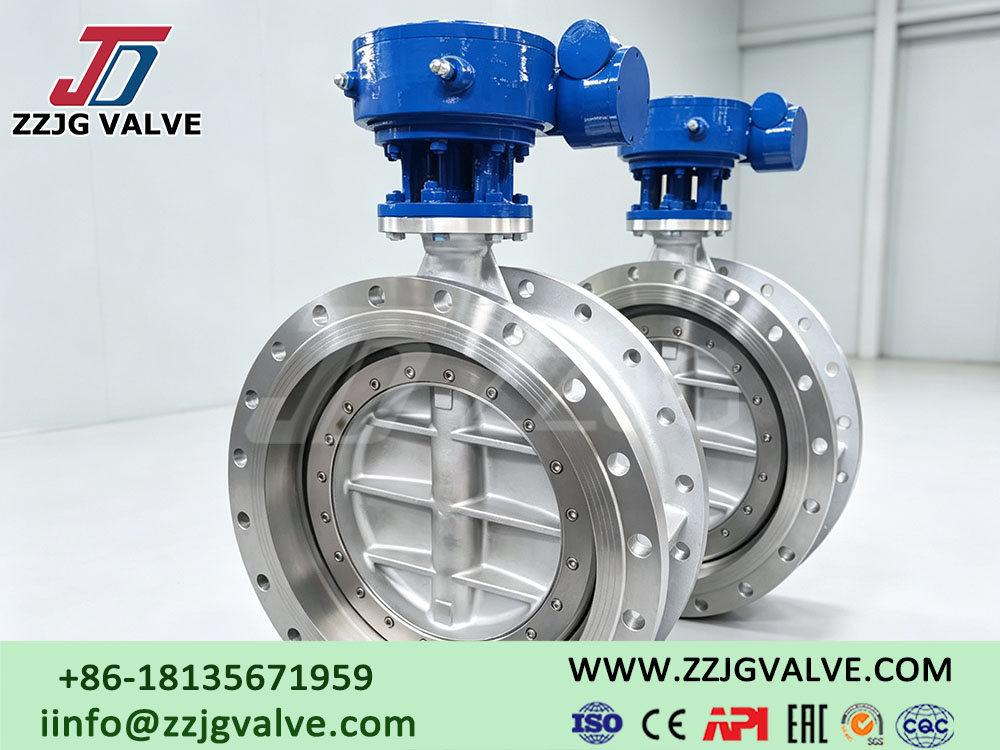
Далее: High-Performance Butterfly Valves Shipped to Petrochemical Project
-1.webp)
.jpg)