EN
 RU
 ES
 FR
 AR
 IND

Why a Forged Steel Ball Valve Won’t Close Tightly — and What You Can Do About It
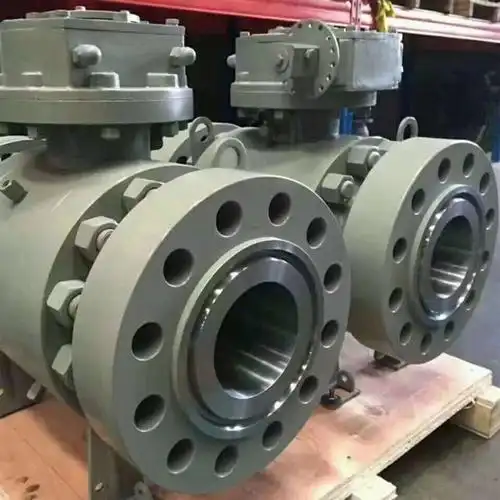
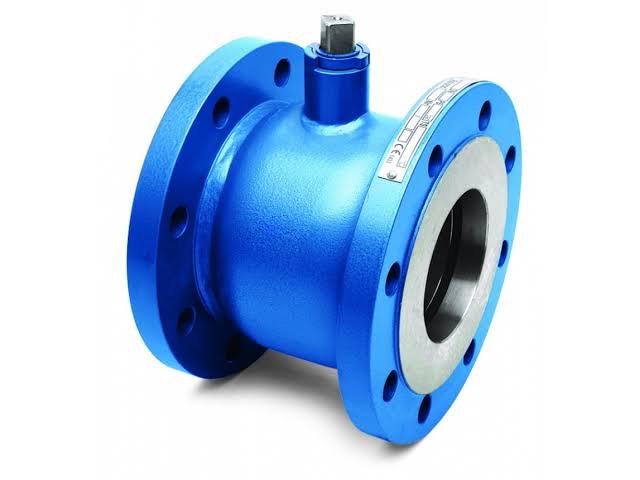
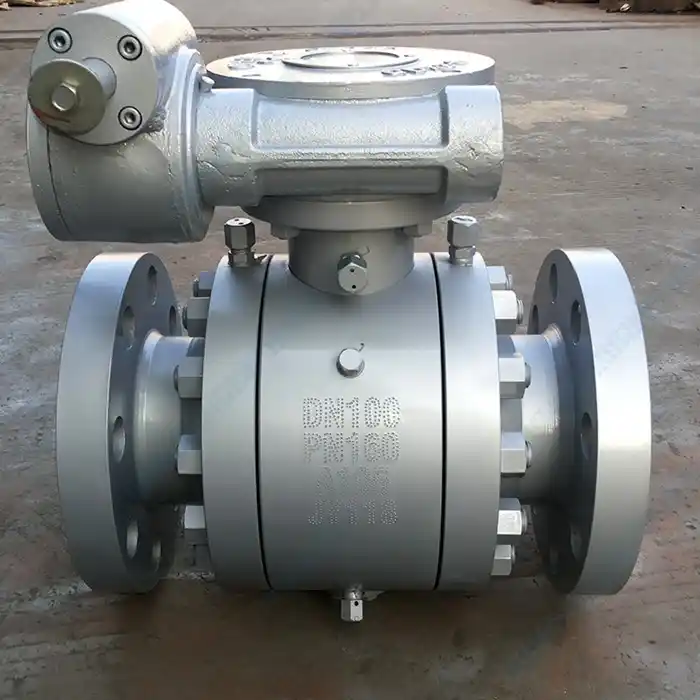
A forged steel ball valve is built a little differently from a cast one. The body is forged rather than cast, which gives it a denser structure and better strength under pressure. That same design also helps keep solids away from the sealing area, which is one reason the valve body lasts longer in dirty service.
That is also why forged steel ball valves are specified so widely — oil and gas, chemical, power, water treatment. Buyers who order factory-direct forged steel ball valves usually want the body construction matched to their own line conditions rather than a stock configuration.
Every now and then we get the same question: our pneumatic ball valve closes, but it does not seal tightly. What is going on?
In most cases, it comes down to one of two things.
Dirt and debris in the line
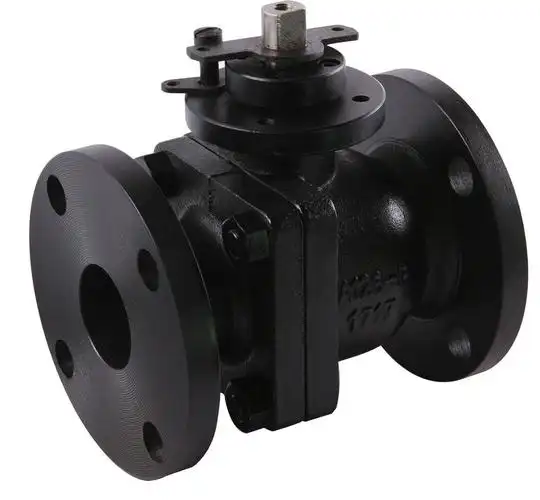
Over time, sediment and other solids build up inside the valve and in the piping around it. A forged steel ball valve is designed to handle some solids — that is part of what the forged body offers — but no design can guarantee that nothing at all gets through. Once enough debris collects around the ball seat, it physically prevents the ball from rotating all the way into the sealing position.
The result can be confusing on the floor. The seat looks fine, the actuator is fine, the control room still indicates that the valve is closed, and yet the valve passes fluid. Check this before you start dismantling the valve.
If the soft seals have been damaged, replacing the soft-seal kit — including the seats and O-rings — is relatively inexpensive and takes very little time. While the valve is out of service, flush the line properly. Most repeat calls we receive involve debris that was never cleared before the valve was returned to service.
Too much sealant on the threads
A small amount of thread sealant on the end connections is normal. It helps ensure a leak-free connection during installation. Too much is a different story.
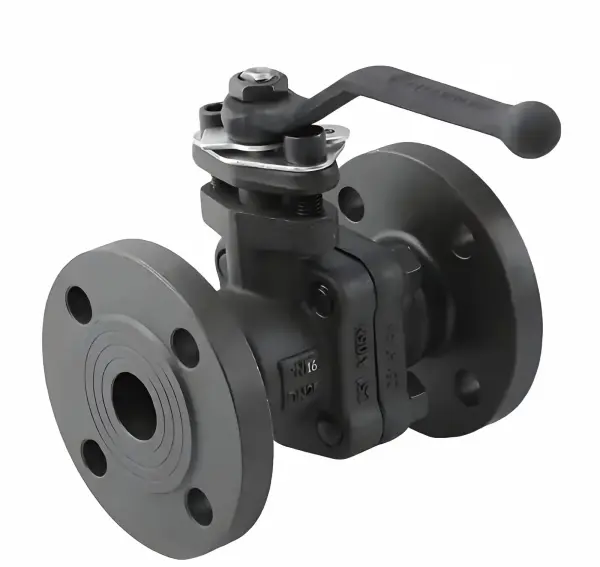
Excess sealant can gum up the threads, and if it reaches the ball and seat area, it can hold the ball slightly off its sealing position or restrict its rotation. The symptom is a valve that cycles smoothly but simply refuses to shut off completely.
The fix is straightforward: clean the threads, apply only the amount of sealant recommended for the connection, and test again. If heavy sealant has been left in place for a long time, the valve may need to be cycled and re-seated before it seals properly.
Is replacement the only option?
In our experience, no. Both problems above trace back to something that is either adjustable or available as a spare part. The valve body is usually not the component that failed.
The exception is when the ball itself is damaged — deep scoring on the sealing surface, a deformed stem, or a seat that has been cut by debris. At that point, replacing the ball assembly makes more sense than trying to re-machine or re-seal it. It is still worth checking first, because a ball damaged by debris will usually be damaged again if the line is not flushed.
Forged steel ball valves do heavy work in demanding service, but even a good valve depends on how it is installed and how it is maintained. Flush the line before commissioning, use a reasonable amount of sealant, and confirm actuator stroke and air supply for pneumatic valves. Most of the "bad valve" calls we receive would not have happened with those three points in place.