EN
EN RU
RU ES
ES FR
FR AR
AR IND
IND
Ductile Iron Vs Carbon Steel Plug Valves
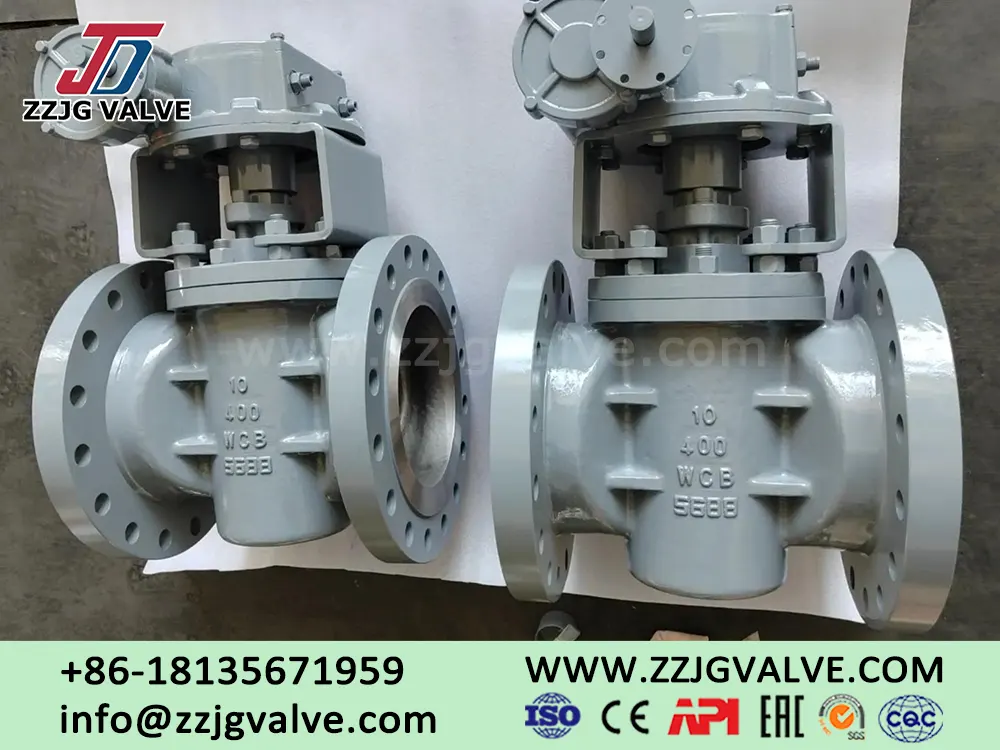
In the piping system, the plug valve is widely used. For instance, in the fields of petroleum, chemical engineering, water supply and metallurgy, etc. This is because of its simple structure, quick operation and low water flow resistance. The most commonly used materials for plug valves are ductile iron and carbon steel. Due to the different materials, there are obvious differences in their usage effects, applicable scenarios and price costs. Today, we will introduce the differences between these two materials to help you make a better material selection.
1. Core Performance Comparison: Distinctive Application Advantages of Each
1.1 Sealing performance and wear resistance
The sealing performance of the main valve of the katup steker mainly depends on two key factors - whether the valve body and the valve core can fit precisely, and whether the sealing material is resistant to wear. Graphite cast iron is a favored choice as it has good toughness and is easy to machine into high-precision sealing surfaces, which can precisely meet the requirements for sealing fit. More importantly, the spherical graphite in graphite cast iron can provide natural lubrication when in contact with the fluid, reducing friction and allowing the sealing components to last longer. Additionally, its impact resistance is very strong. Even when transporting fluids containing solid particles such as sewage or mud, it can effectively protect the sealing surface from being damaged by impacts.
Carbon steel plug valves usually require a hardened sealing surface - such as a surface coated with stainless steel or hard alloy - to ensure an effective seal. Without this treatment, the carbon steel seal would wear out quickly during frequent operations or when exposed to abrasive media, potentially leading to leakage. However, after being hardened, this valve can offer excellent sealing performance and durability, making it highly suitable for high-precision applications involving clean, non-abrasive media.
1.2 Temperature and Pressure Resistance Performance
Carbon steel plug valves have a significant advantage in terms of temperature adaptability. The standard carbon steel has an applicable temperature range of -196°C to 200°C. Special treated carbon steel materials such as WC6 and WC9 can withstand temperatures up to 200°C to 425°C. This range is far beyond that of cast iron gate valves - the latter's temperature tolerance is usually difficult to exceed 200°C.
In terms of pressure resistance, carbon steel, with its high strength, can be adapted to medium and high-pressure conditions and meet the standards of high-pressure systems of PN1.6 MPa and above. Cast iron plug valves, on the other hand, are only suitable for low and medium-pressure environments, with the rated pressure generally not exceeding PN1.6 MPa. If used in high-pressure scenarios, they are prone to deformation or even rupture.
1.3 Corrosion Resistance
The corrosion resistance of ductile iron is better than that of ordinary carbon steel. In neutral or mildly corrosive environments such as tap water, sewage, and common oils, its performance is stable and no special coating treatment is required. In more severe corrosive environments, the corrosion resistance can be enhanced through surface treatments like epoxy coating or rubber lining.
In contrast, the corrosion resistance of carbon steel is poorer. Once it comes into contact with humid environments or corrosive media such as acids, alkalis, and hydrogen sulfide, it is prone to rusting. Therefore, carbon steel stop valves are generally only suitable for transporting non-corrosive media such as water, steam, and clean oils. If they must be used in corrosive environments, strict protective treatments such as galvanization, applying anti-corrosion paint, or adding corrosion-resistant linings are necessary, otherwise the service life of the valves will be significantly shortened.
2. Applicable scenario: Precisely match the working condition requirements
2.1 Typical applications of ductile iron plug valve
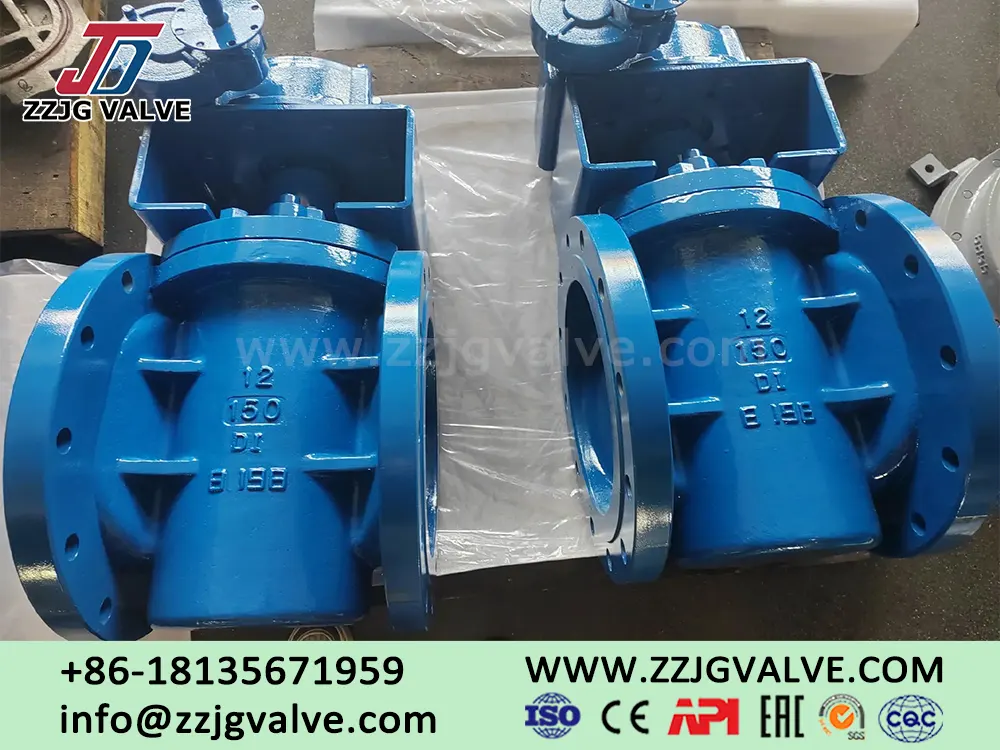
Ductile iron plug valves are widely used in low / medium-pressure systems with neutral media, thanks to their toughness, impact resistance, and inherent corrosion resistance.
Common applications includes:
Water & Environmental Projects: Water supply systems, sewage treatment, and sludge transport—effectively handling the impact and wear from impurities and particles.
City Gas Systems: Low-pressure natural gas and gas pipelines, where their reliable sealing prevents leaks at a relatively low cost.
General Oil Transport: Low-viscosity oils like diesel and gasoline in low-pressure systems.
Mining & Metallurgy: Low-pressure pipelines for particle-containing media like slurries and tailings, where they resist impact and help prevent blockages.
2.2 Typical Applications of Carbon Steel Colokkan Valves
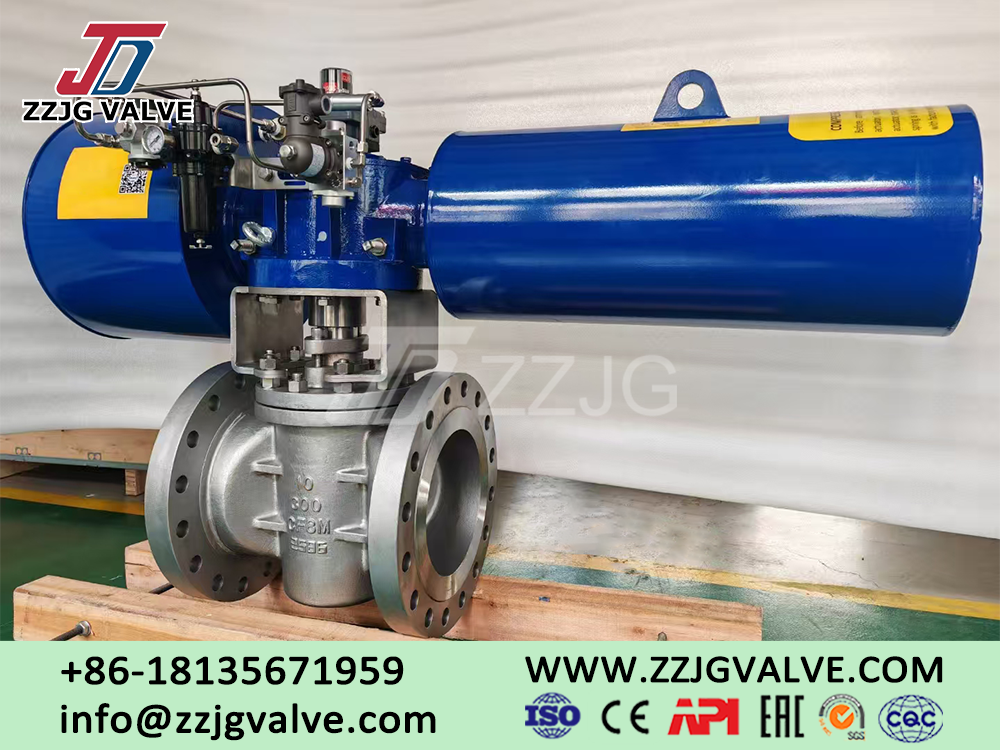
Carbon steel plug valves, known for their strength and high-temperature resistance, are primarily used in medium to high-pressure, high-temperature systems with non-corrosive media.
Typical applications include:
Petrochemical Industry: Medium-high pressure pipelines for crude and refined oil, as well as high-temperature systems handling steam and hot water.
Power Industry: Steam and cooling water pipelines in power plants, where they endure long-term operation under high pressure and temperature.
Industrial Boiler Systems: Feedwater and steam discharge lines, requiring valves with high strength and thermal resistance.
Mechanical Manufacturing: Hydraulic, lubrication, and other control systems with clean media under medium-high pressure.
3. Selection Suggestions and Cost Reference
When choosing a high performance plug valve, in addition to meeting the performance requirements for use, cost is also a key consideration factor. The material and manufacturing cost of ductile iron are usually lower than those of carbon steel, which can significantly reduce expenses. The cost advantage of large-sized valves is particularly obvious, making it a high-value and cost-effective choice for initial project investment. However, in high-temperature and high-pressure working conditions, the performance of carbon steel plug valves is more stable and durable, and their high durability can reduce maintenance frequency and equipment downtime, thereby improving the overall cost-effectiveness of the system throughout its entire life cycle.
Selection Summary
Follow these key principles for valve selection:
For low-pressure, medium-temperature systems with neutral or mildly corrosive media that may contain particles, ductile iron plug valves are recommended for their cost-effectiveness and impact resistance.
For medium-to-high pressure, high-temperature systems with clean, non-corrosive media, carbon steel plug valves are the standard choice to ensure system strength and stability.
For highly corrosive media, regardless of the base material, specific anti-corrosion treatments (like linings or coatings) are essential. Alternatively, consider directly using valves made from more resistant materials like stainless steel.
For valves in frequent operation, prioritize sealing surface durability. Ductile iron generally m eet standard needs, while carbon steel valves require a hardened (e.g., overlay welded) sealing surface for reliable performance.
Kesimpulan
There are two types of materials: cast iron and steel. Each is suitable for different application scenarios. Cast iron has good toughness and strong impact resistance, and also offers high cost-effectiveness. It is suitable for use in low to medium pressure or slightly abrasive medium conditions such as water and sewage. Steel, on the other hand, excels in strength and high-temperature resistance. After surface treatment, it can also be adapted to medium-pressure and high-temperature usage environments. The selection of valve material should be based on the actual working conditions - you need to comprehensively consider factors such as the characteristics of the medium, pressure and temperature, usage frequency, and budget. Choosing the right material is crucial for ensuring the safe, stable and efficient operation of the entire system.
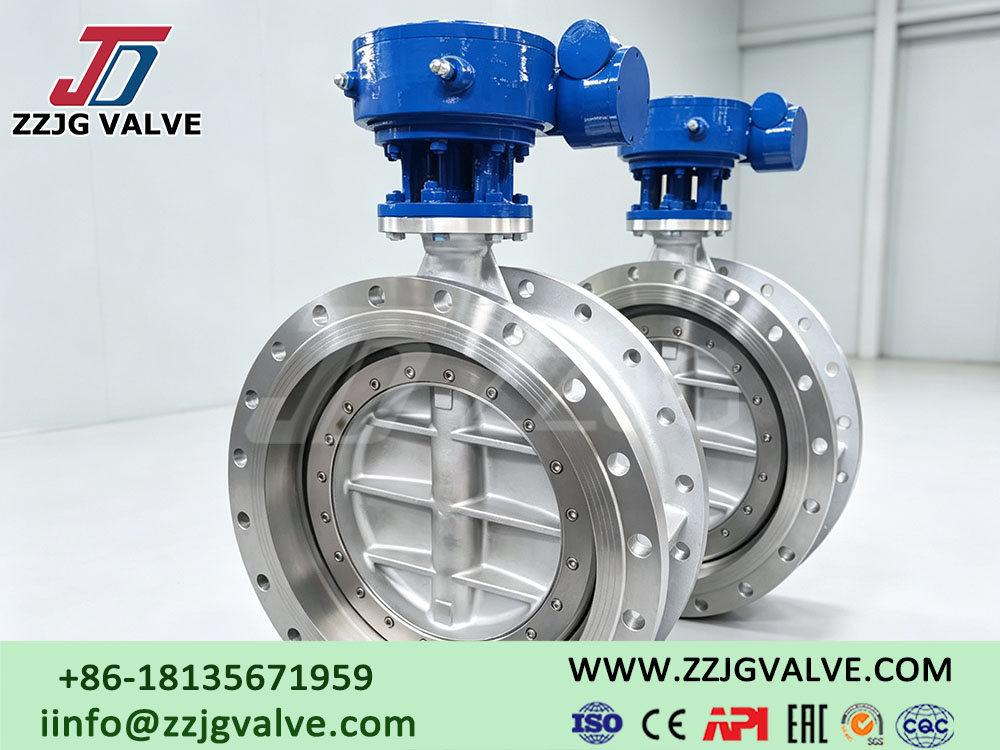
Berikutnya: Butterfly Valve Structure, Performance and Selection
-1.webp)
.jpg)