EN
EN RU
RU ES
ES FR
FR AR
AR IND
IND
API 609 Triple-offset Butterfly Valves | TOBV Valve Manufacturer
Butterfly valves(including concentric, single offset, double offset, and triple offset butterfly valve TOBV) have evolved significantly, advanced industrialized countries in Europe and America are actively promoting and using butterfly valves. In many Asia-Pacific countries, there remains a significant prejudice against butterfly valves, because limitations in their own valve design and manufacturing capabilities, so it is necessary to promote butterfly valves globally.
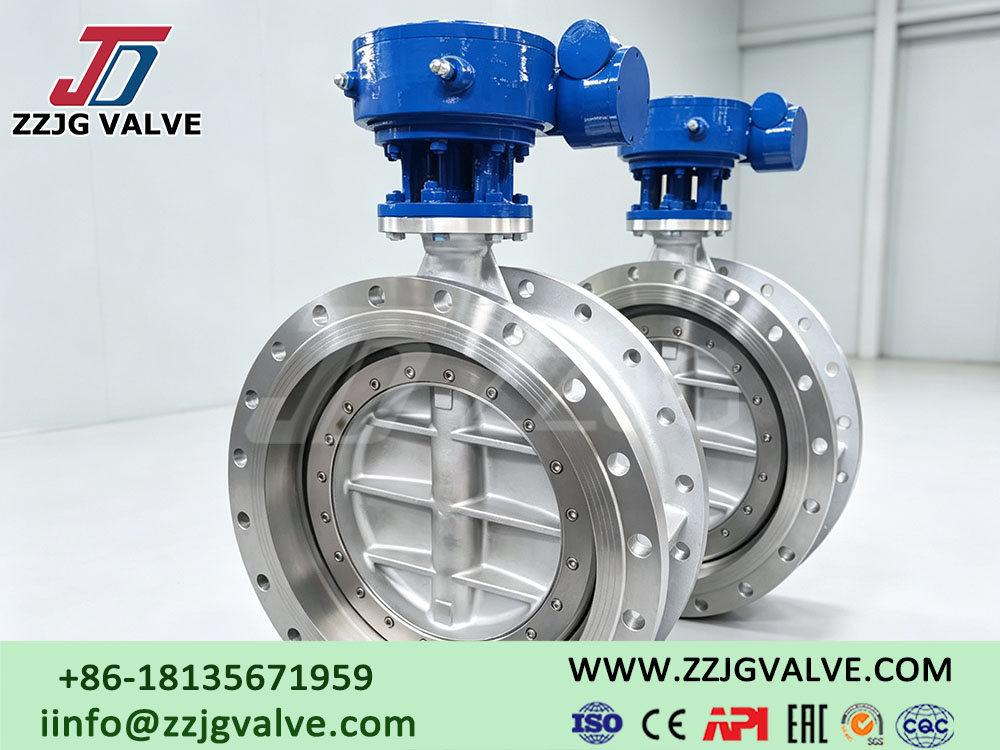
Zhengzhou Jinggong Technology Co., Ltd.'s ZZJG brand triple offset butterfly valve can withstand pressures up to 2500 psi, temperatures from -196℃ to 700℃, achieve zero leakage, and has a control ratio exceeding 100:1. This means that in various harsh and critical process control pipelines, whether as on/off valves or control valves, butterfly valves can now be used with confidence and at a low cost, provided they are properly selected.
The superior performance of butterfly valves is closely related to their continuous offsetity, evolution, and development. To meet various operating conditions, butterfly valves have evolved from concentric to single offset, double offset, and triple offset designs. The evolution of butterfly valves and the development and application of triple offset butterfly valves(TOBV) are briefly introduced below:
I. Butterfly Valve Classification
1. Concentric Butterfly Valve (Centerline Butterfly Valve)
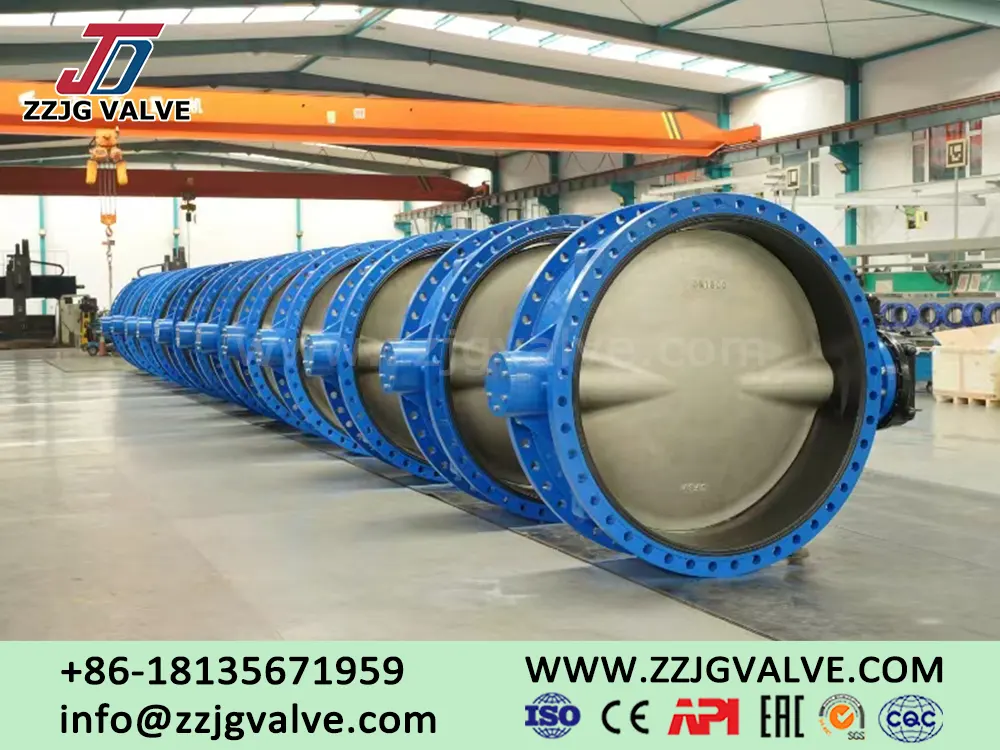
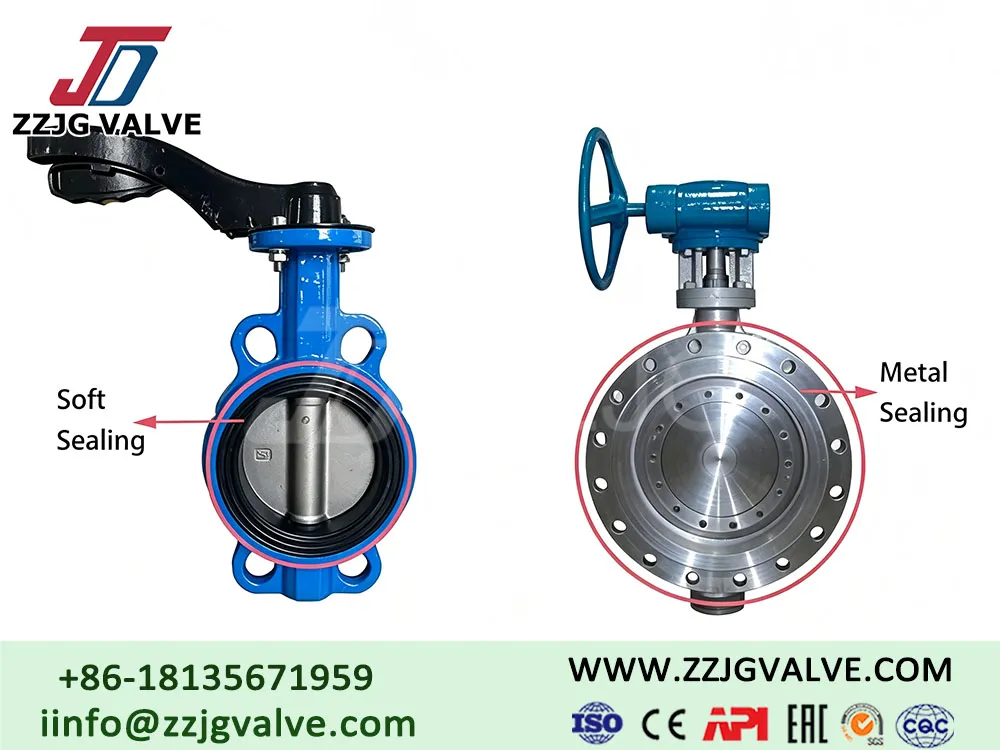
This type of butterfly valve is characterized by the valve stem axis, the center of the butterfly plate, and the center of the body all being in the same position. It has a simple structure and is easy to manufacture. Common rubber-lined butterfly valves belong to this category. The disadvantage is that because the butterfly plate and valve seat are always in a state of compression and scraping, the resistance is large and wear is rapid. To overcome compression and scraping and ensure sealing performance, the valve seat is basically made of elastic materials such as rubber or polytetrafluoroethylene. However, this also limits its use to temperature, which is why butterfly valves are traditionally considered not heat-resistant.
2. Single Offset Butterfly Valve
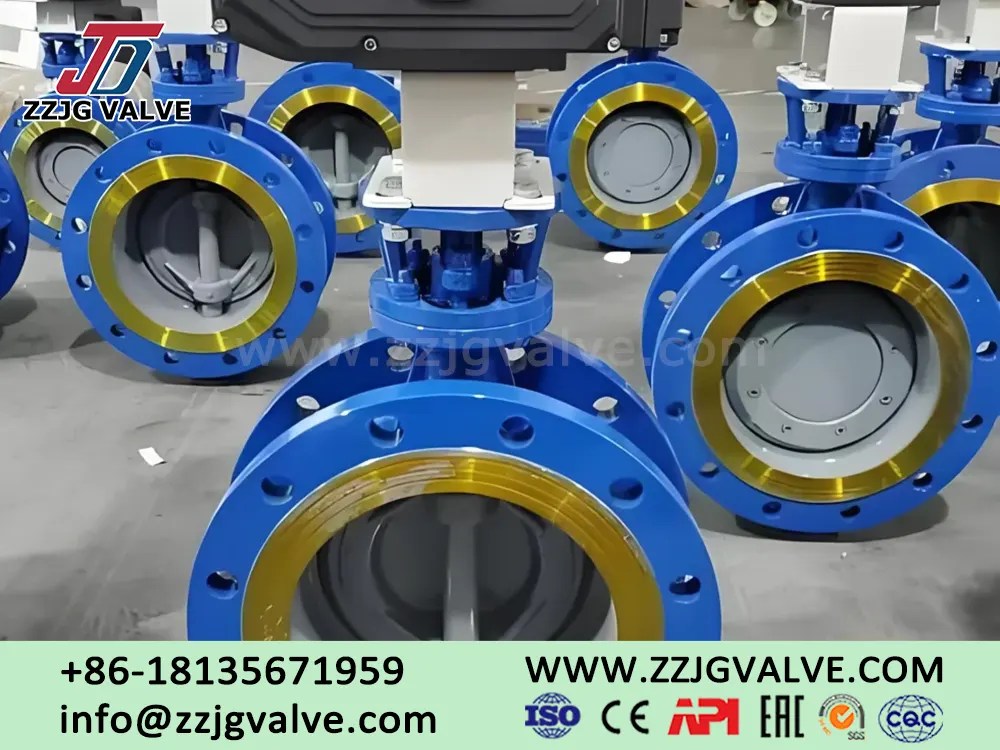
To solve the compression problem between the butterfly plate and valve seat in concentric butterfly valves, single offset butterfly valves were developed. Their structural feature is that the valve stem axis is offset from the center of the butterfly plate, so that the upper and lower ends of the butterfly plate are no longer the axis of rotation, thus dispersing and reducing excessive compression between the upper and lower ends of the butterfly plate and the valve seat. However, because the scraping phenomenon between the butterfly plate and the valve seat does not disappear during the entire opening and closing process of the single offset butterfly valve, and its application range is similar to that of the concentric butterfly valve, it is not widely used.
3. Double Offset Butterfly Valve(DOBV)
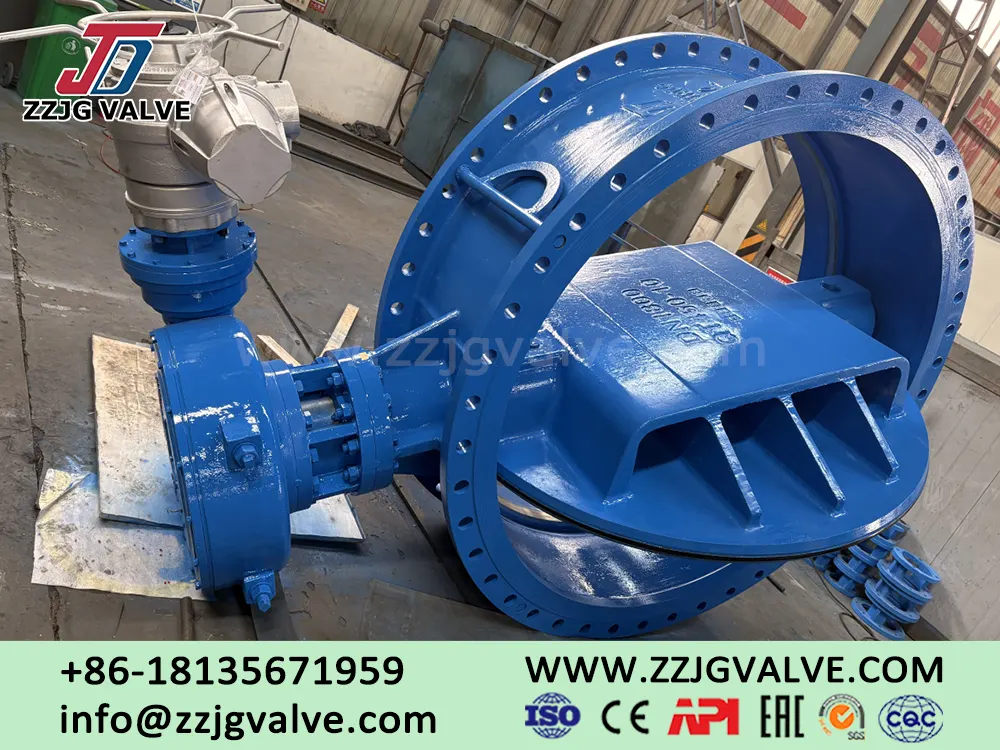
The most widely used double offset butterfly valve is a further improvement on the single offset butterfly valve. Its structural feature is that the valve stem axis is offset from both the center of the butterfly plate and the center of the valve body. The double offset butterfly valve effect allows the butterfly plate to quickly disengage from the valve seat after the valve is opened, significantly eliminating unnecessary excessive compression and scraping between the butterfly plate and the valve seat, reducing opening resistance, reducing wear, and increasing valve seat life. The significant reduction in scraping also allows the double offset butterfly valve to use a metal valve seat, improving its application in high-temperature fields. However, because its sealing principle is a positional sealing structure, meaning the sealing surfaces of the butterfly plate and the valve seat are in line contact, and the sealing effect is achieved through the elastic deformation caused by the butterfly plate squeezing the valve seat, it has very high requirements for the closed position (especially for metal valve seats) and low pressure resistance. This is why butterfly valves are traditionally considered to be intolerant of high pressure and have a large leakage rate.
4. Triple Offset Butterfly Valve(TOBV)

To withstand high temperatures, a hard seal must be used, but this results in a large leakage rate; to achieve zero leakage, a soft seal must be used, but this is not resistant to high temperatures. To overcome this contradiction of the double offset butterfly valve, a third offsetity was added. Its structural feature is that while the valve stem axis is offset in the double offset design, the conical axis of the butterfly plate sealing surface is offset from the cylindrical axis of the valve body. In other words, after the third offsetity, the sealing cross-section of the butterfly plate is no longer a true circle, but an ellipse, and its sealing surface shape is therefore asymmetrical, with one side inclined to the center line of the valve body and the other side parallel to the center line. The most significant characteristic of this third type of offset valve is that it fundamentally changes the sealing structure. It is no longer a positional seal, but a torque seal; that is, it does not rely on the elastic deformation of the valve seat, but entirely on the contact surface pressure of the valve seat to achieve the sealing effect. Therefore, it solves the problem of zero leakage for metal valve seats in one fell swoop. Furthermore, since the contact surface pressure is directly proportional to the medium pressure, high pressure and high temperature resistance are also readily achieved.
II. Development of Triple Offset Butterfly Valves(TOBV)
Since its inception, the triple offset butterfly valve has undergone a process of self-improvement and continuous development to meet increasingly stringent operating conditions. Even the most basic zero leakage, theoretically achievable by triple offset butterfly valves, still relies on meticulous design and precise manufacturing in practice. Based on absorbing and summarizing the strengths and weaknesses of other brands of triple offset butterfly valves, Jinggong brand ZZJG butterfly valve has launched its own unique Jinggong brand ZZJG triple offset butterfly valve, with the following characteristics:
1. API Standard As is well known, API 609 has become the de facto international standard for valves used in important industrial pipelines. The ZZJG butterfly valve is designed and manufactured strictly according to the latest 1997 version of API 609 specifications. More importantly, its basic design is not limited to just one API standard; it also conforms to major standards such as BS5155, ANSI B 16.34, ASME SEC VIII, and Chinese GB, ensuring its applicability in all industrial fields.
2. Dual Safety Structure: Strictly adhering to API 609 specifications, the ZZJG butterfly valve incorporates two independent thrust rings on the upper and lower sides of the butterfly plate to prevent deformation, stem misalignment, and sealing surface seizing caused by fluid pressure and temperature. This ensures normal valve operation under any conditions. Simultaneously, to prevent accidents caused by stem breakage or ejection due to unknown reasons, independent stem ejection prevention mechanisms are designed at both the inner and outer lower ends of the valve. This also ensures that the ZZJG butterfly valve can achieve a pressure rating of up to 2500 psi.
3. Dead Zone-Free Design: The ZZJG butterfly valve was designed with special consideration for its application in the control field. It fully utilizes the sealing principle of a triple-offset butterfly valve, ensuring that the butterfly plate does not scrape the valve seat during valve opening and closing. The torque of the valve stem is directly transmitted to the sealing surface through the butterfly plate. This means there is almost no friction between the butterfly plate and the valve seat, eliminating the jumping phenomenon commonly seen when opening ordinary valves. It also eliminates the control failure caused by friction and other unstable factors within the low opening range of the valve, effectively eliminating the dead zone. This means that the ZZJG butterfly valve can enter the controllable range almost from 0 degrees of opening to 90 degrees. Its normal control ratio is more than twice that of a typical butterfly valve, and the control ratio can reach as high as 100:1 or more. This creates favorable conditions for using the ZZJG butterfly valve as a control valve, especially in large-diameter applications where the cost of gate valves is extremely high. Furthermore, gate valves cannot achieve zero leakage; in situations requiring emergency shut-off, a shut-off valve must be installed beside the gate valve. The ZZJG butterfly valve, however, integrates both control and shut-off functions, offering significant economic benefits.
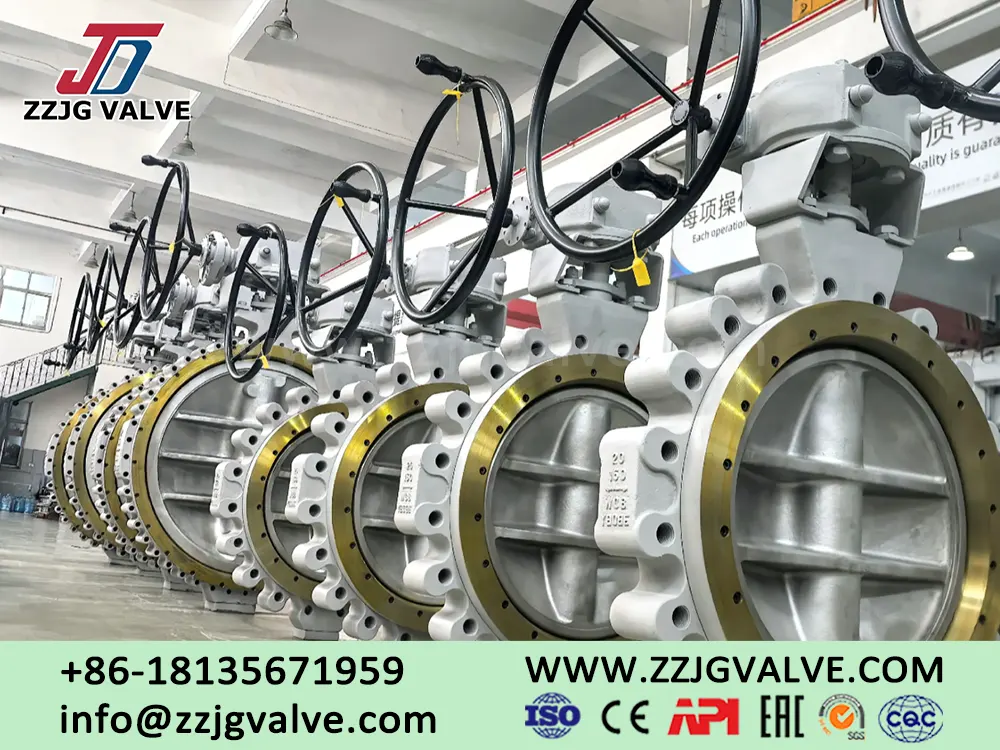
4. Body and Seat Construction There are two types of seat installation structures for triple offset butterfly valves. Most are installed on the butterfly plate for convenience, but the ZZJG butterfly valve uses a body seat construction, mounting the seat on the body. Its advantage is that compared to a butterfly plate seat, it greatly reduces the opportunity for the seat to directly contact the medium, thereby reducing the degree of seat erosion and extending the seat's service life.
5. Thin-Layer Plate Seat Structure: The seat of the ZZJG butterfly valve is constructed from layers of stainless steel and graphite sheets. This structure effectively prevents the influence of minute solid particles in the medium and avoids sealing surface seizing caused by thermal expansion. Even with minor damage, leakage will not occur, which is unimaginable for double offset butterfly valves or other triple offset butterfly valves with different sealing structures.
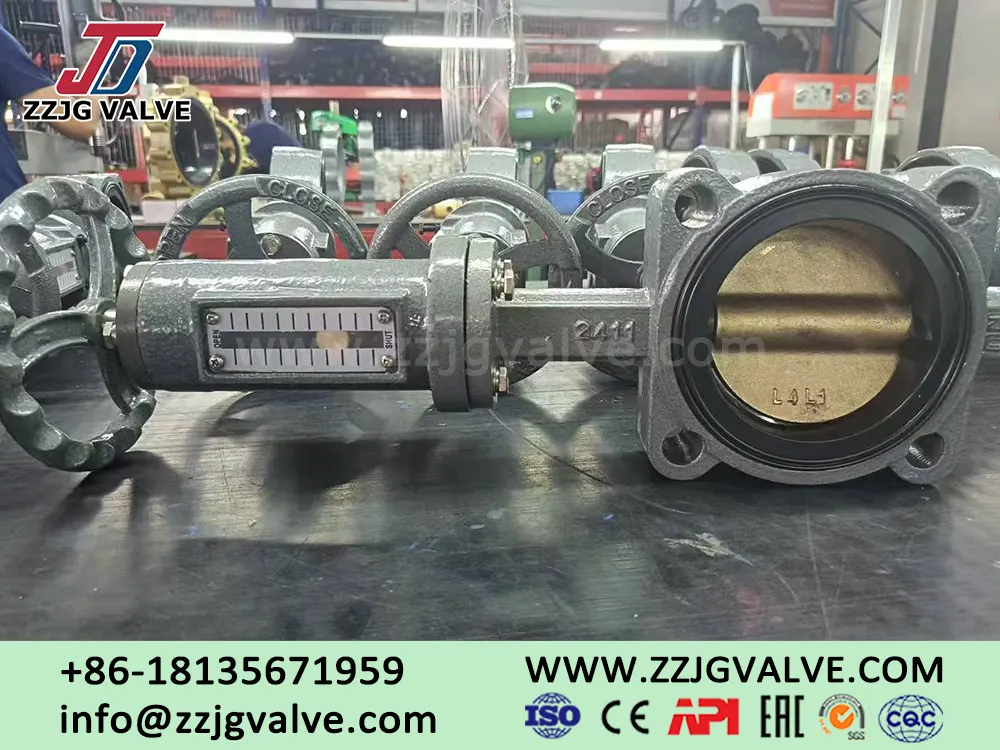
6. Replaceable Sealing Components: The sealing components of the ZZJG butterfly valve are unique. Not only is the valve seat itself replaceable, but because the butterfly plate sealing surface is independent of the butterfly plate, it can also be replaced. This means that when the butterfly plate sealing surface is damaged, there is no need to go through the trouble of transporting it back to the manufacturer or extensively disassembling the valve; only the butterfly plate sealing surface needs to be replaced. This significantly reduces maintenance costs, repair time, and the intensity and difficulty of maintenance. 7. Balanced Fixing Structure: Based on the sealing surface shape characteristics of the triple offset butterfly valve, the ZZJG butterfly valve uses an elliptical bolt distribution for fixing the sealing pair. This not only ensures precise positioning but also guarantees even stress distribution on each bolt, preventing loosening and leakage caused by uneven stress distribution.
8. Intrinsically Fire-Resistant Construction: Many valves claim to have a fire-resistant construction, but a large proportion of them use a dual soft and hard seat structure to reduce leakage. This is actually very dangerous. During a fire, incomplete combustion of the soft-seal seat can cause stress and temperature deformation in the metal support seat, leading to failure of fire resistance. Therefore, Europe and America are gradually phasing out these falsely labeled fire-resistant valves. The ZZJG butterfly valve, being zero-leakage, does not require a soft seal and possesses a truly intrinsically fire-resistant construction. It has obtained fire resistance test certifications from API607, API6FA, and BS6755 Part 2. This ensures that the ZZJG butterfly valve can be used in various hazardous areas such as oil and petrochemical industries.
9. High-Sealing Packing Structure
Traditionally, valve leakage issues are often focused on seat leakage, i.e., internal leakage, while neglecting packing leakage, i.e., external leakage. However, in today's society where environmental issues are increasingly emphasized, the harm of external leakage far outweighs that of internal leakage. The ZZJG butterfly valve is a triple-offset butterfly valve, a rotary valve whose valve stem only rotates 90°. Compared to gate valves and globe valves, whose valve stems undergo multiple helical reciprocating motions, the wear on its packing is very low, resulting in a relatively long service life. Furthermore, because the ZZJG butterfly valve adopts the highest standard design in its packing seal and other external leakage prevention structures, its standard sealing performance is guaranteed to be below 100ppm when tested according to EPA21 specifications. In fact, in existing test results, under Lloyd's monitoring, the external leakage value is as low as 7ppm. These indicators all signify that the ZZJG butterfly valve can excel in pipelines carrying toxic and hazardous media in various fields, including chemical engineering.
III. Applications of Triple Offset Butterfly Valves(TOBV)
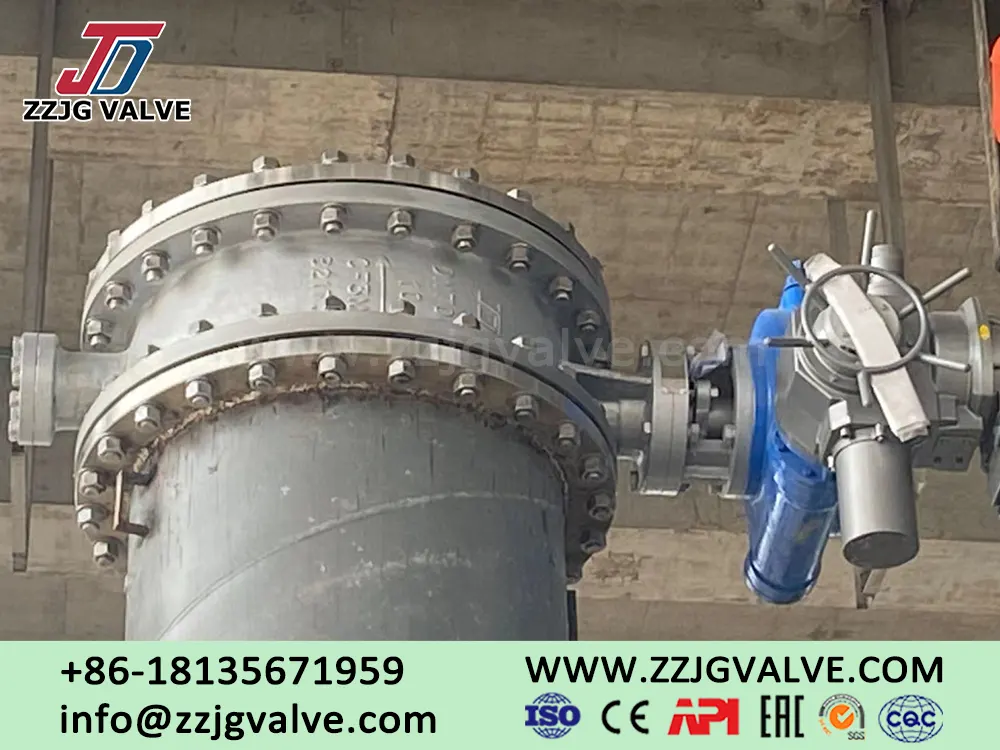
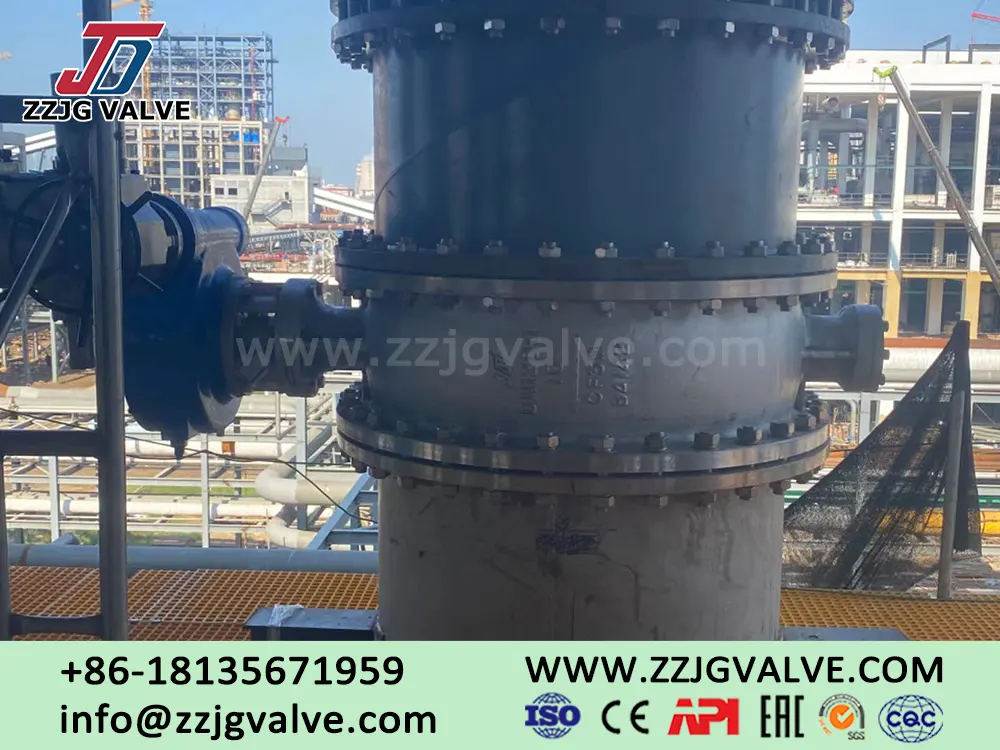
In summary, the triple offset butterfly valve, as a culmination of the latest valve technology, combines the strengths of various valves while avoiding their weaknesses, and will undoubtedly receive increasing attention from users and designers. The ZZJG butterfly valve boasts a maximum pressure rating of 2500 psi, a standard diameter of DN1200, and a low-to-medium pressure diameter of DN4000. It is compatible with various structural lengths, including wafer, lug, flange, ring, butt weld, jacket, and more. Furthermore, due to the wide range of material choices available, the ZZJG butterfly valve can handle high and low temperatures as well as various corrosive media such as acids and alkalis. Especially in large-diameter applications, its zero-leakage advantage is leading to its increasing replacement of bulky gate valves and ball valves in shut-off valves. Similarly, its superior control function is increasingly replacing cumbersome gate valves in control valve applications. As a product of its brand, ZZJG butterfly valves can be used in various important pipelines for process control in major industrial fields, including district heating, oil and gas extraction, offshore platforms, oil refining, petrochemicals, inorganic chemicals, and power generation, both internationally and in China.
ZZJG Valve provides the above information on API 609 triple-offset butterfly valves(TOBV Valve) manufacturer. If you want to know more about API 609 triple-offset butterfly valves(TOBV Valve), please contact us via WhatsApp or email.
Berikutnya: How to Adjust Jacket Temperature in Jacket Plug Valve
-1.webp)
.jpg)