EN
EN RU
RU ES
ES FR
FR ع
ع IND
IND
Key points for daily inspection of blind valves
Overview of Blind Valves
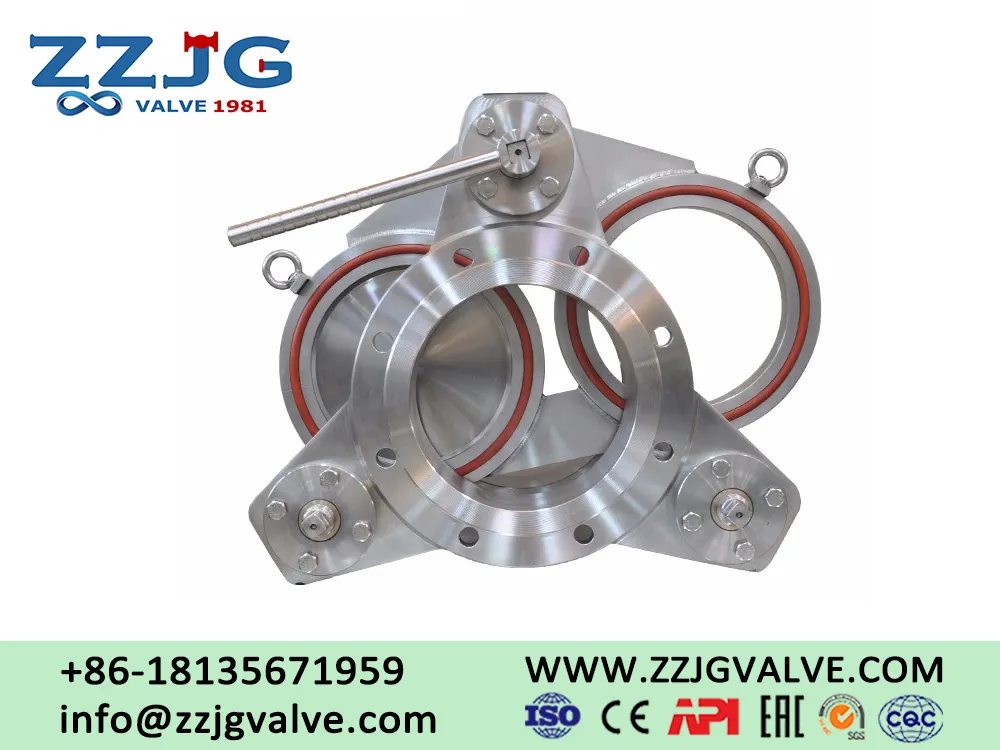
Blind valves are important isolation and shut-off devices in systems such as petrochemicals, water treatment, power, and pipeline transportation. The main function of the blind valve is to isolate the medium inside the pipeline and protect the safe operation of the entire pipeline system. This kind of equipment will operate for a long time in a complex environment with high pressure, temperature differences and medium corrosion. The staff need to conduct daily inspections of the blind valve. Staff can eliminate potential safety hazards of equipment and extend its service life through daily inspections, which is the fundamental work of equipment maintenance. The staff will carry out standardized daily inspections around three aspects: leakage check, seal aging check, and drive abnormal noise check. This inspection mode is the fundamental work of industrial equipment safety management.
Leakage Inspection
Leakage inspection is the first item in the daily inspection of blind valves and also the most direct way for staff to determine equipment faults. On-site maintenance personnel have to inspect the valve body, flange connection, sealing surface and pipe connection parts every day, completing a comprehensive inspection by looking and touching. When staff inspect gas and liquid delivery pipelines, they need to focus on checking whether there are any residual stains or bubbles on the surface of the equipment, and whether there are any abnormal gas odors, in order to identify minor leakage problems.When the equipment operates under high pressure, the tiny leakage gaps will continuously expand. These problems can lead to medium waste, environmental pollution, and also cause safety issues such as reduced pipeline pressure and equipment shutdown. As long as the staff can promptly identify and record the location of the leakage, they can effectively prevent minor malfunctions from worsening and avoid serious equipment failures.
Seal Aging Inspection
Seal aging inspection enables staff to visually assess the sealing effect and remaining service life of the blind valve. Most of the sealing fittings of blind valves are made of rubber and polymer materials. These sealing accessories are constantly exposed to temperature changes and medium corrosion. Coupled with the repeated opening and closing of the valves, they are prone to problems such as aging, hardening, cracking and deformation. When conducting routine inspections, staff members need to carefully examine the surface condition of the seals, with a focus on checking for rubber hardening and embrittlement, edge peeling, reduced elasticity, and permanent deformation.Blind valves used in some special working scenarios are equipped with food-grade and corrosion-resistant sealing materials. Once these sealing materials age and get damaged, they will directly lead to the failure of the valve seal. Regular inspection of the aging degree of sealing parts by staff and timely replacement of damaged sealing accessories can effectively ensure the sealing effect of valves and keep the equipment running stably.
Inspection of Abnormal Noise from Drive Mechanism
Staff can determine the internal working condition of the blind valve by listening to the operating sound of the equipment. The driving methods of blind valves are divided into three types: manual, gearbox drive and electric drive. When these three drive structures are working normally, they all produce smooth and uniform sounds. During the operation of the equipment, if there are shrill friction sounds, intermittent knocking sounds, or dull lagging sounds, it indicates that there are problems such as wear of parts, insufficient lubricating oil, loose accessories, and blockage by debris inside the equipment. Inspection personnel can determine the specific location of the fault based on different abnormal sounds, handle equipment problems in a timely manner, and prevent faults such as damage to the drive structure and valve jamming.
Conclusion
In conclusion, the three core inspection items complement each other and can comprehensively cover the main fault hazards of blind plate valves. When staff members standardize and implement the daily inspection procedures, conduct full-cycle condition monitoring of equipment, and eliminate potential safety hazards in the early stage, it can effectively enhance the safety and stability of the pipeline system, reduce equipment operation and maintenance costs, and ensure the continuous and safe development of industrial production.
التالي: Duplex Stainless Steel and Aluminum Bronze: Core Materials for Seawater Butterfly Valves
-1.webp)
.jpg)