EN
EN RU
RU ES
ES FR
FR ع
ع IND
IND
Butterfly Valve in the Chemical Industry
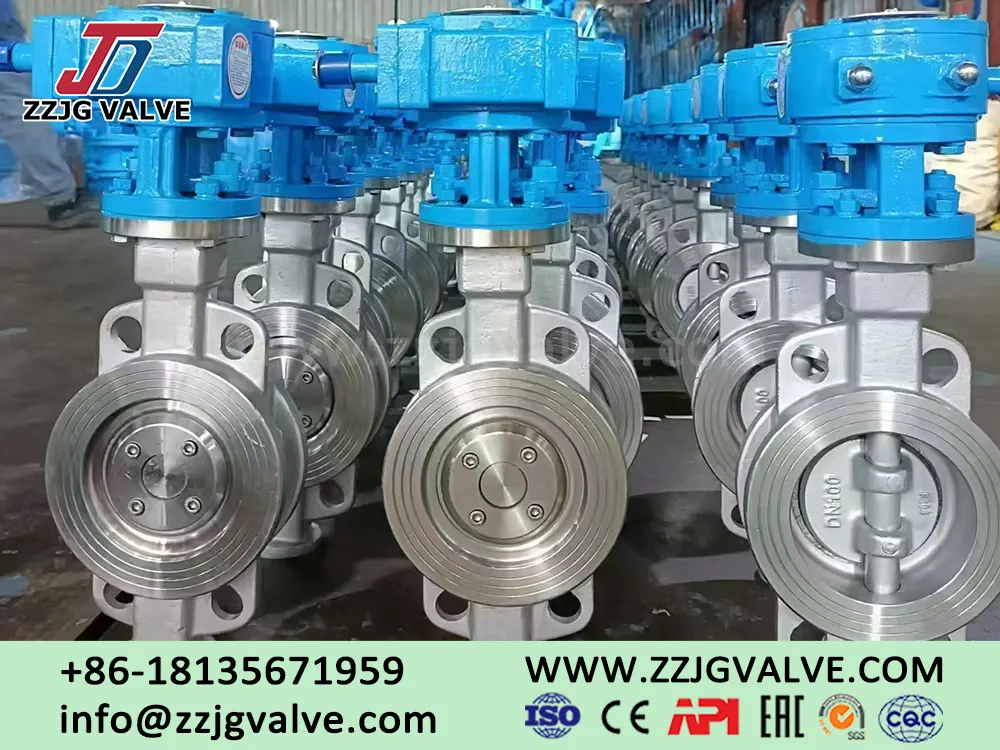
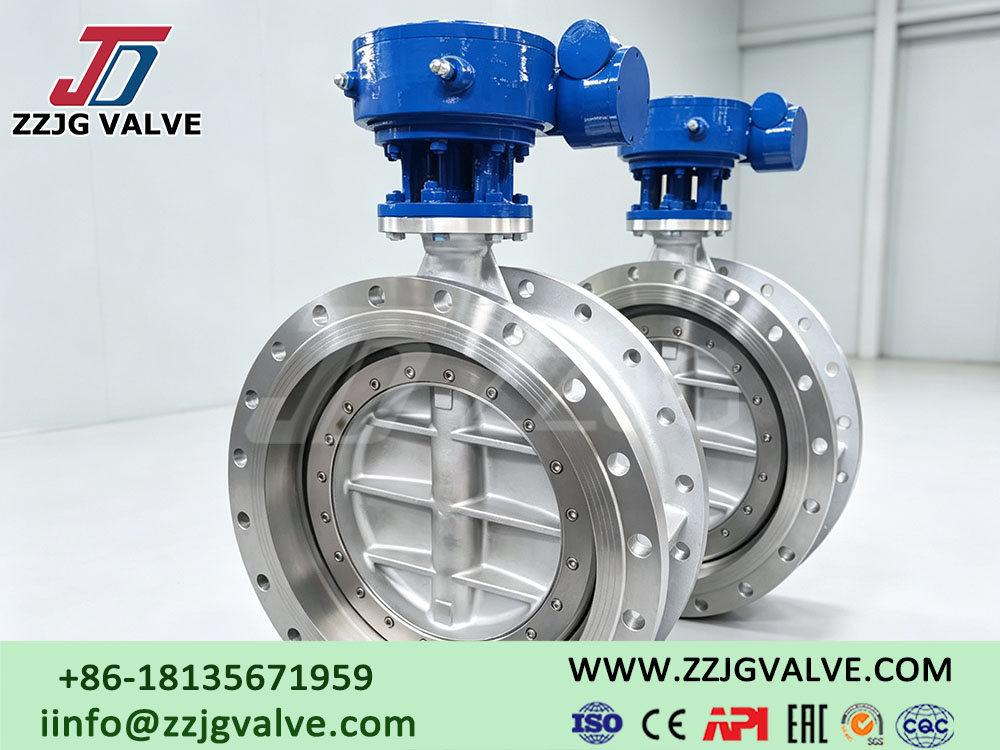
In chemical production industry, pipeline butterfly valves are in prolonged contact with highly corrosive media (acids, alkalis, high-temperature flue gas, etc.), and their corrosion failure can lead to media leakage, production interruption, and even safety accidents. Butterfly valves, due to their compact structure, low flow resistance, and rapid opening and closing, account for 40% of their application in chemical pipelines. However, traditional butterfly valves face severe challenges in corrosive environments. Prolonged contact with highly corrosive media can easily lead to corrosion failure, resulting in leaks, production stoppages, and safety accidents.
I. Corrosion Mechanisms in Chemical Environments and Butterfly Valve Failure
The corrosion mechanism in chemical environments is based on electrochemical corrosion. The media are often electrolyte solutions, forming galvanic cells that trigger anodic dissolution of the metal. The corrosion rate is affected by pH, temperature, pressure, and chloride ion concentration. High-speed fluid scouring can also damage the corrosion product film, exacerbating the corrosion reaction. Under the combined effects of the above electrochemical corrosion mechanisms and various environmental factors, corrosion in chemical environments exhibits various localized characteristics, among which localized corrosion is particularly harmful.
Localized corrosion is more destructive. For example, pitting corrosion forms due to the damage of the passivation film; crevice corrosion originates from the retention of media in the joint gaps and the concentration cell effect; intergranular corrosion occurs due to chromium depletion at grain boundaries caused by stainless steel sensitization; and stress corrosion cracking is the result of tensile stress and the combined effect of a specific medium. In a copper smelting flue gas sulfuric acid production unit, the butterfly valve comes into contact with a medium containing 98% concentrated sulfuric acid, with temperatures fluctuating within the range of 110 °C. Severe corrosion occurred after 2-3 months.
The failure of the butterfly valve in chemical industry is closely related to the characteristics of each component and the corrosion mechanism it operates within. From the perspective of specific components, valve bodies are susceptible to general corrosion due to their structural characteristics, leading to wall thinning. Flange gaps or welds, due to their connection characteristics, are prone to intergranular corrosion, ultimately causing leakage. Flow channels, bearing the weight of the flowing medium, are damaged by the scouring of high-speed media, leading to perforation. The edge of the butterfly plate, due to its structural design, experiences a sudden increase in flow velocity, making it susceptible to the combined effects of scouring and pitting corrosion, and may also crack due to stress concentration leading to stress corrosion. The slit structure of the valve stem makes it prone to corrosion fracture in the electrochemical environment formed by the medium and the atmosphere. Seals, due to their material properties, are susceptible to swelling, aging, or failure due to particle abrasion caused by the medium.
To address these issues, corrosion prevention measures must be closely integrated with the characteristics of the medium. This includes: selecting appropriate materials to match component characteristics to resist corrosion; optimizing structural design to reduce the damage to component properties caused by gap formation and media scouring; controlling stress during assembly to prevent stress from exacerbating corrosion; and regularly maintaining and replacing aging components to break the corrosion chain formed by the interaction between the corrosion mechanism and component characteristics.
II. Corrosion-Resistant Butterfly Valve Materials
Metallic Materials
(1) Stainless Steel Materials
Stainless steel is one of the most widely used metallic materials in butterfly valve manufacturing due to its excellent corrosion resistance and mechanical properties. In chemical pipelines, commonly used stainless steel materials include 316L, duplex stainless steel, and 304L. 316L stainless steel is one of the most commonly used materials in butterfly valve manufacturing, possessing excellent corrosion resistance and processing performance. In high-temperature and high-corrosion environments, using 316L stainless steel as the sealing material for butterfly valves, combined with a butyl-coated graphite layer for special processing, can significantly improve the high-temperature resistance, corrosion resistance, and service life of the butterfly valve.
Duplex stainless steel is a high-performance material widely used in butterfly valve manufacturing in recent years. Compared with traditional austenitic stainless steel, duplex stainless steel has higher strength and Cl⁻ corrosion resistance.
(2) Nickel-Based Alloys and Special Alloys
In some highly corrosive environments, ordinary stainless steel and copper-based alloys are insufficient, requiring the use of nickel-based alloys and other special alloys. Nickel-based alloys have excellent corrosion resistance and high-temperature performance, making them particularly suitable for use in strong acid, strong alkali, and high-temperature environments. Titanium alloys, duplex steel, and Monel exhibit excellent corrosion resistance. Carbon steel, aside from its economic advantages, has relatively poor performance in other aspects. Nickel-based alloys, on the other hand, demonstrate superior corrosion resistance and wear resistance.
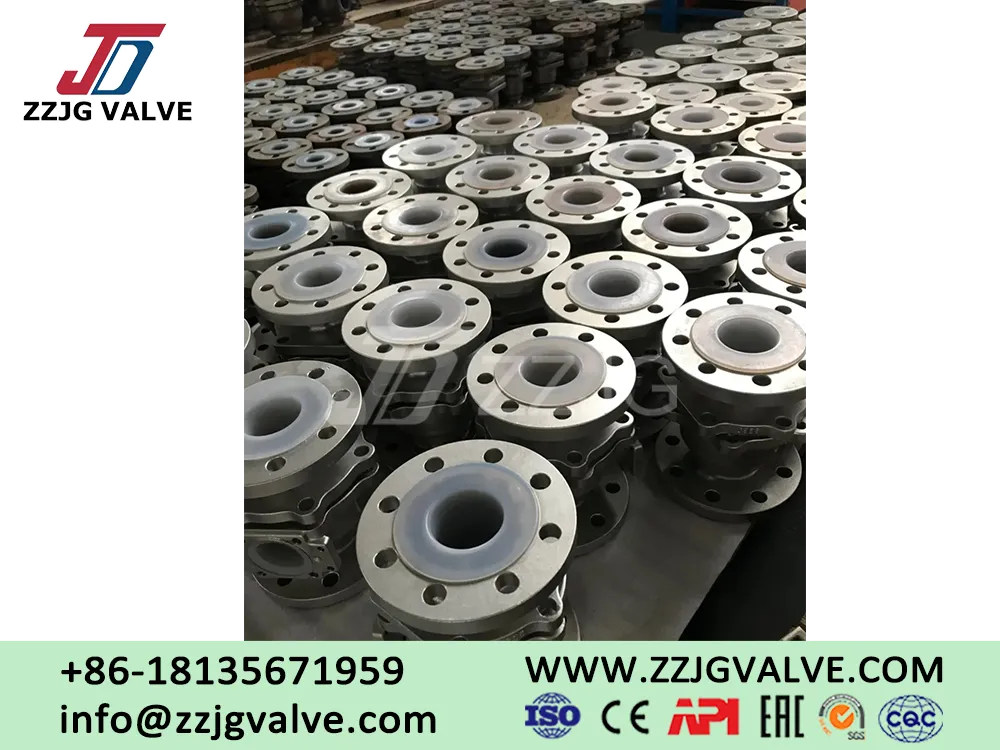
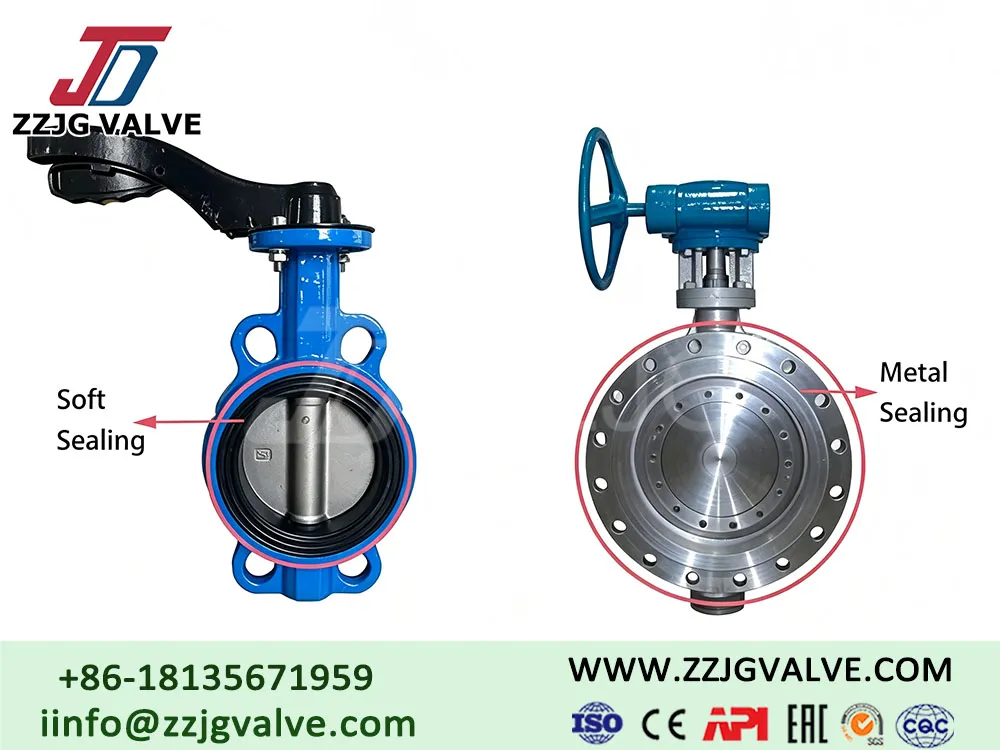
Non-metallic and Composite Materials Butterfly valves primarily utilize polymers and composite materials. Among polymers, fluoroplastics (such as PTFE and PFA) are widely used in linings and sealing components due to their excellent corrosion resistance. Polymers such as PP and PE are suitable for medium- and low-pressure butterfly valves due to their economic efficiency and corrosion resistance. PP has a greater strength advantage, while PEEK is suitable for high-temperature environments. All-plastic butterfly valves have seen rapid development in recent years, with polypropylene and various new materials widely used in this field. Furthermore, nitrile rubber, EPDM, and other rubbers and elastomers are often used as sealing materials because they can adapt to various working conditions. Regarding composite materials, metal-based composites can have their performance further improved through coatings; ceramic-based materials possess high-temperature corrosion resistance and perform excellently under harsh conditions.
III. Corrosion-Resistant Butterfly Valve Manufacturing Technology
Surface Treatment Technology
In the corrosion protection of large butterfly valves, organic coatings such as epoxy resin and polyurethane exhibit significant field applicability. This is because their construction characteristics are highly compatible with the treatment requirements of large equipment. On the one hand, these organic coatings mostly use room temperature curing systems, eliminating the need for complex high-temperature heating equipment, and can adapt to confined environments such as near pipelines and valve wells. On the other hand, their construction process is flexible, achieved through brushing, rolling, or airless spraying, providing excellent coverage of the complex curved surfaces and irregular structures of large butterfly valves. Furthermore, the coating has a certain degree of flexibility, accommodating slight deformations during the opening and closing process of the butterfly valve, preventing cracking due to mechanical stress. Electroplating, thermal spraying, and other metal coatings, as well as laser cladding technology, can significantly improve corrosion resistance and wear resistance.
Rincing technology involves internally lining with corrosion-resistant materials. Rubber linings offer good elasticity and sealing but are not resistant to strong corrosion. Fluoroplastic linings such as PTFE are widely used, while ceramic linings have significant advantages in highly corrosive and high-wear environments. Chemical conversion coating technology forms a firmly bonded functional protective film on metal surfaces through chemical or electrochemical processes. Core technologies include phosphating, passivation, and anodizing. Phosphating is suitable for metals such as steel, zinc, and aluminum. The metal reacts with an acidic solution containing dihydrogen phosphate to form a phosphate crystal film. Its porous structure enhances corrosion resistance and coating adhesion, and it is widely used in automotive pretreatment and rust prevention of mechanical parts.
Passivation is mainly for stainless steel. Strong oxidizing agents such as nitric acid promote the formation of a denser Cr2O3 passivation film on the surface, filling the pores of the natural oxide film and significantly improving resistance to pitting and crevice corrosion. It is commonly used in medical devices and food processing equipment. Anodizing is for aluminum and aluminum alloys. Electrolysis generates a porous Al2O3 film. After sealing, its corrosion resistance and wear resistance are significantly improved, and it can be dyed, making it suitable for building profiles, electronic device housings, and other applications.
Butterfly valve surface treatment technology offers significant advantages, enhancing corrosion and wear resistance, optimizing appearance, and strengthening sealing performance. However, it also has some drawbacks, such as the high cost of special coatings, complex processes requiring specialized equipment, weak high-temperature/impact resistance of some coatings leading to easy peeling, and the potential environmental pollution risks associated with electroplating and other processes.
Material Composite and Modification Technology
Alloying is one of the fundamental methods to improve the corrosion resistance of metallic materials. Adding alloying elements to the base metal can alter the metal's microstructure and chemical properties, thereby improving its corrosion resistance. For example, adding elements such as Cr, Ni, and Mo to stainless steel can form a passivation film, improving its corrosion resistance and oxidation resistance.
Besides alloying, nanocompositing involves uniformly dispersing nanoscale reinforcing phases, such as nanoparticles and nanofibers, in the base material to form nanocomposite materials, significantly improving the material's mechanical properties and corrosion resistance. Material composite and modification is a complex technology that requires comprehensive consideration of factors such as corrosion resistance, mechanical properties, processing performance, and cost. When designing corrosion-resistant alloys, the influence of alloy composition, processing technology, heat treatment, and surface treatment on the material's corrosion resistance must be considered.
التالي: Industrial applications of plug valves
-1.webp)
.jpg)