EN
EN RU
RU ES
ES FR
FR ع
ع IND
IND
How to Adjust Jacket Temperature in Jacket Plug Valve
To ensuring efficient operation of a jacketed plug valve, we need precise adjustment of insulation layer temperature. Speaking from our experience as a professional jacket plug valve manufacturer, this isn't just about following a manual—it's more of an art grounded in science.
Why does it matter so much? Because getting it right affects everything: performance, safety, and service life. Too low, and you risk media solidification or poor flow; too high, and you might waste energy or even damage seals. We've seen cases where a fine-tuned temperature adjustment alone resolved persistent valve sticking in high-viscosity applications.
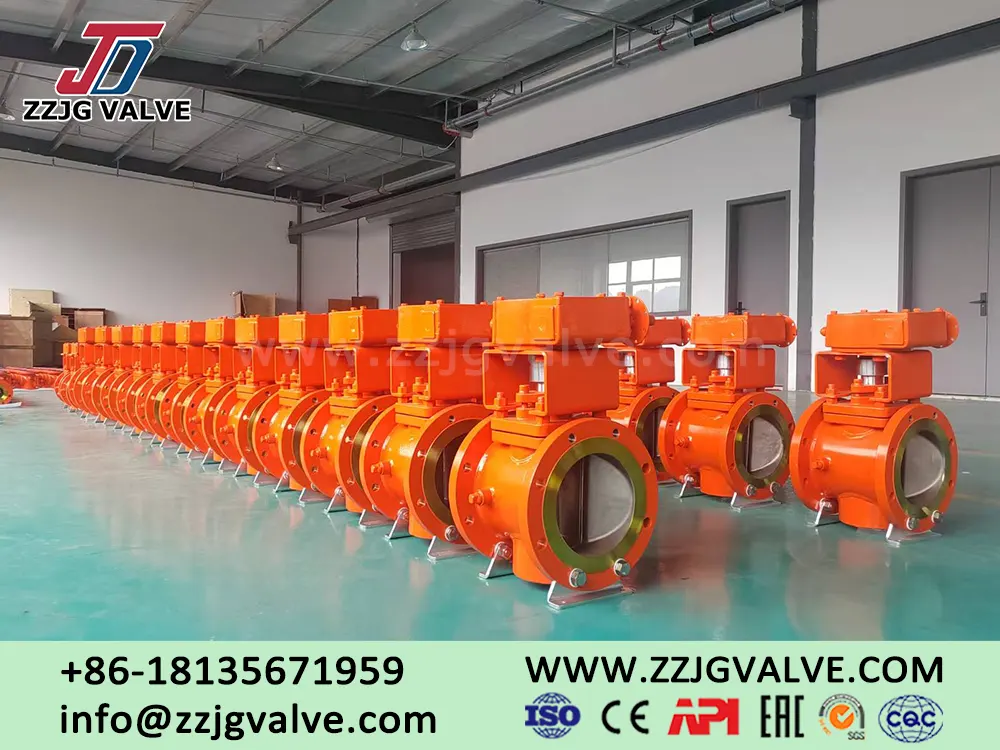
Ⅰ.Understanding Jacketed Plug Valves
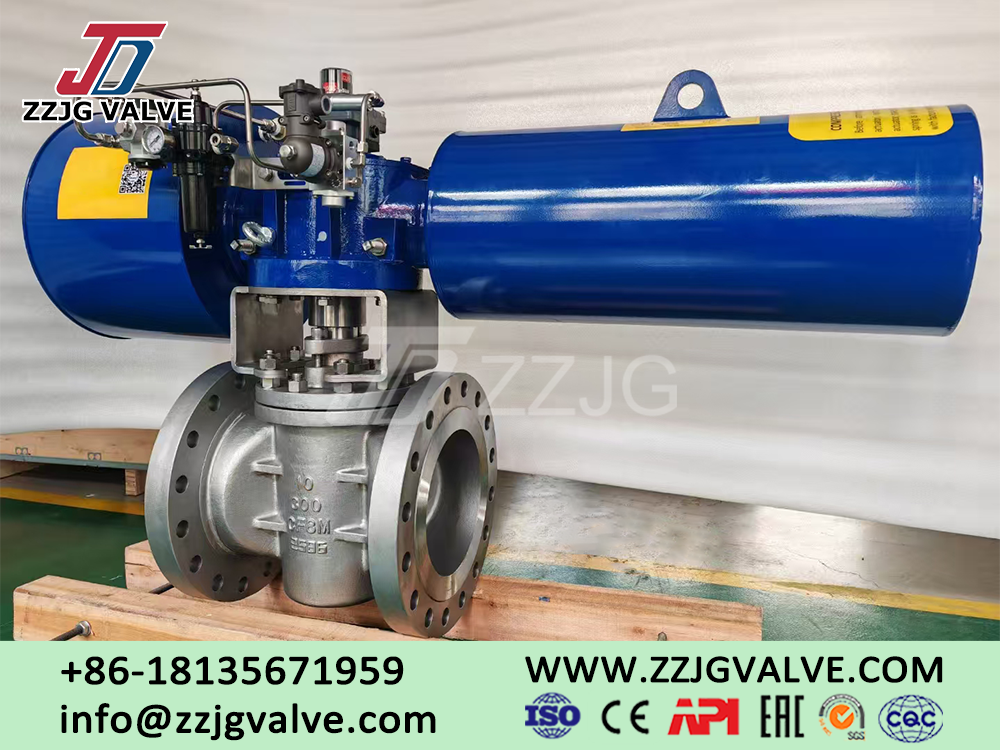
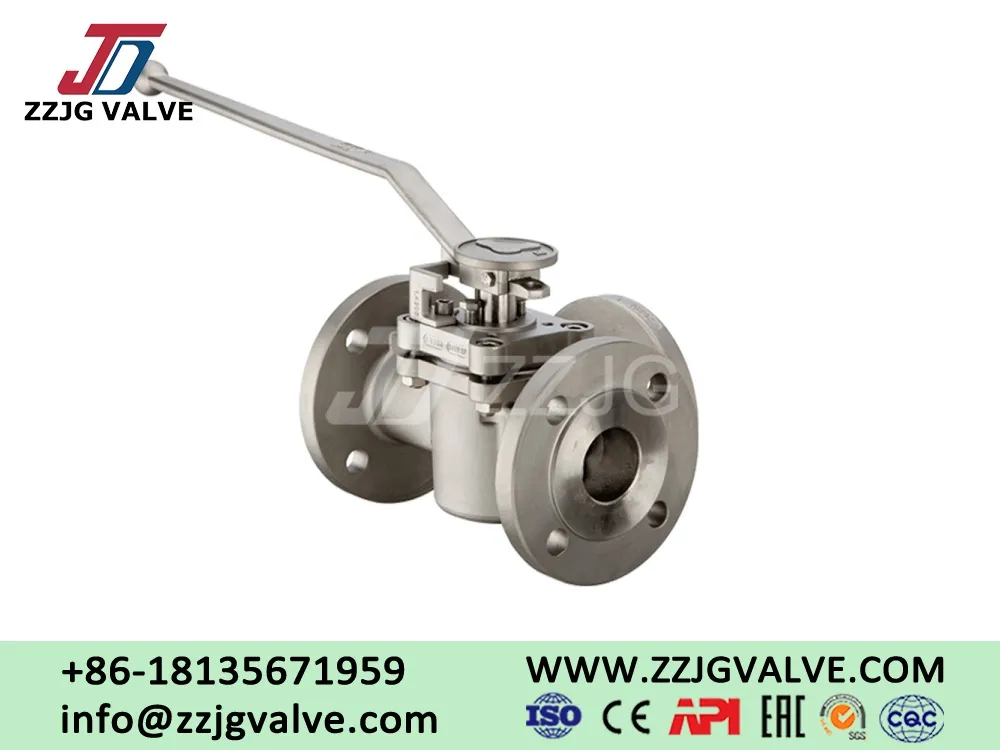
Jacketed plug valve features a unique two-part construction. Its core consists of an inner plug containing the flow channel, which is full enveloped by an outer jacket layer. This jacket acts as a dedicated thermal sleeve, and allowing heated or cooled media to circulate independent around the valve body. Through this design, the valve enables precise temperature management of the primary process fluid within the pipeline.
Ⅱ.Advantages of Jacketed Plug Valve Design
(1)Effective Temperature Control.
The jacket allow steam, thermal oil, or coolant to circulate, enable precise temperature management of both the valve and the process fluid.
(2)Prevent Fluid Solidification.
For viscous, solidifying, or crystallizing media, the jacket maintains fluidity and prevents clogging.
(3)Reduce Thermal Shock.
The jacket act as buffer against sudden temperature change, and protecting valve components and extending a service life.
(4)Suitable for Demanding Conditions
The design support stable operation in extreme temperatures, whether in outdoor cold climat or high-temperature process.
(5)Easy Maintenance
Some design features removable jackets, and simplifying inspection and cleaning.
(6)Adaptable to Various Process
Jackets can fully or partially cover the plug valve body, allowing flexible heating or cooling as needed.
(7)Enhanced Sealing Performance
By stabilizing temperatures, the jacket helps prevent seal degradation caused by thermal stress.
This design is particularly useful in industries such as petrochemicals, pharmaceuticals, food processing, and asphalt handling—where temperature sensitivity or complex media require reliable and durable valve performance.
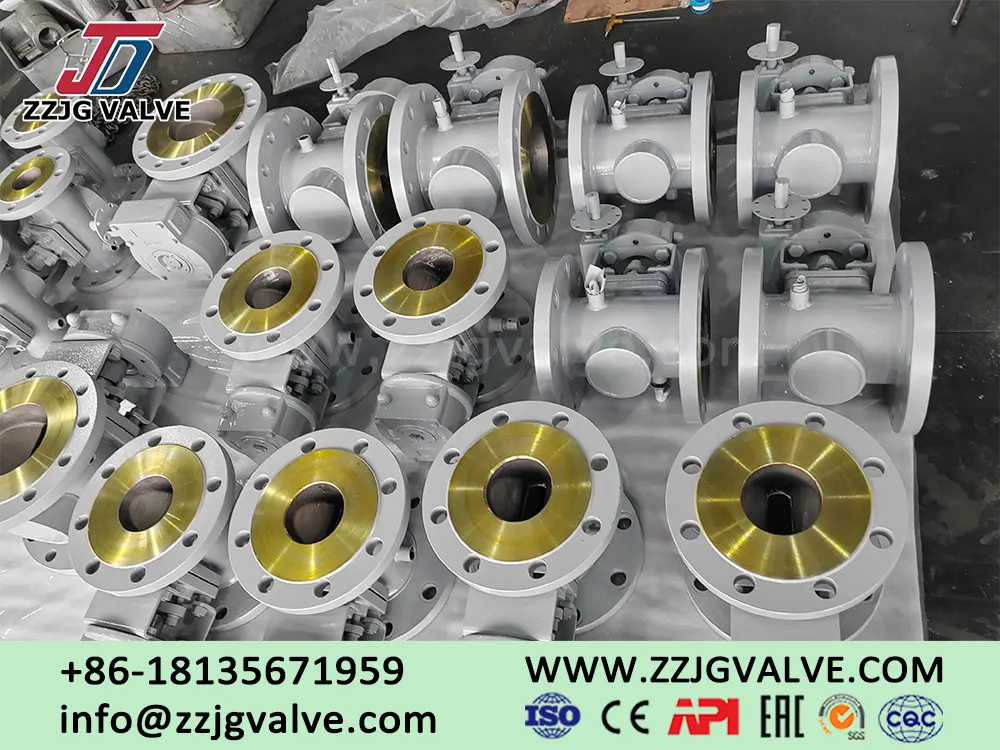
Ⅲ.Importance of Temperature Control
Incorrect temperature control will have many direct impacts on the operation of the jacket valve. When the temperature is too low, the reduced fluidity of the medium will cause abnormal increase in operating torque. This result in valve jamming or damage to the sealing surface. When the temperature is too high, it will cause uneven thermal expansion of the material, generate internal stress and accelerating the aging of the sealing elements, thereby leading to medium leakage. Large fluctuations in temperature will also intensify the fatigue damage of the valve body and internal components, significantly shortening the mechanical lifespan of the valve, and may also interfere with the stability of the process flow and product quality control.
Ⅳ.Key Factors Influencing Jacket Temperature
Consider the following variables:
1. Fluid characteristics: The physical properties of the medium flowing through the valve, such as viscosity, freezing point, and boiling point, determine the required temperature range of the jacket.
2. Operating condition flow rate: The stability of the inlet and outlet temperatures, pressures, and flow rates of the medium will directly cause fluctuations in the jacket temperature.
3. Ambient conditions: Installation temperature of the environment influences thermal losses of the system.
4. Temperature control medium: Steam, heat transfer oil or coolant. The temperature of these substances and their circulation efficiency.
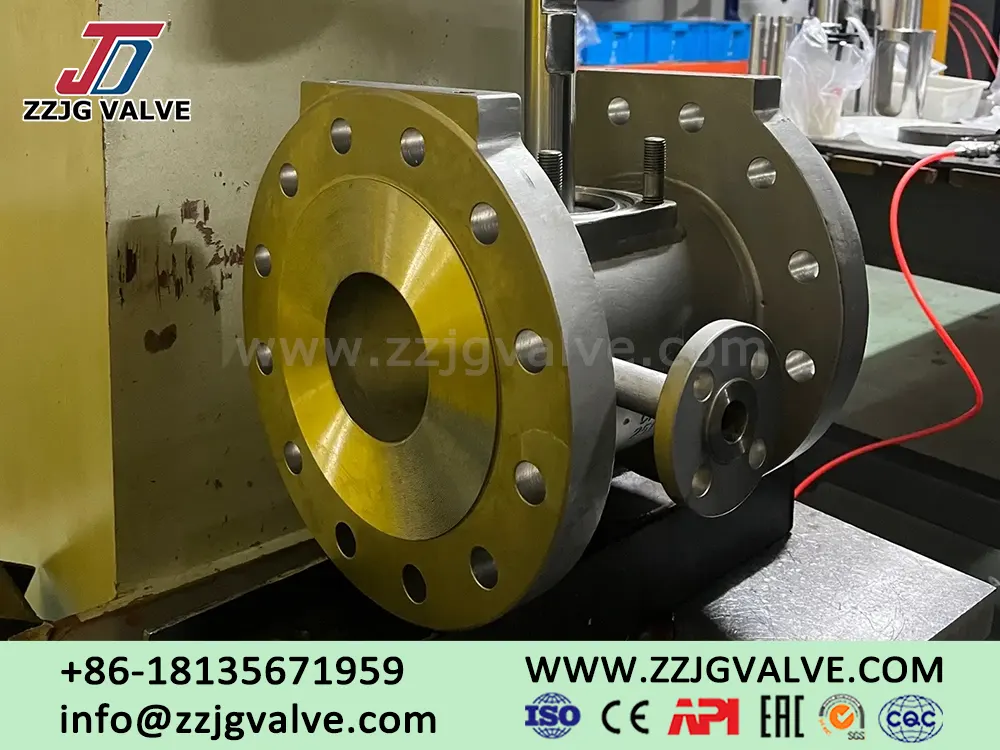
5. Valve structure design: The thermal conductivity of the jacket's material (such as stainless steel, carbon steel) affects the speed of heat conduction. The wall thickness, cavity structure, and sealing performance of the jacket will influence the uniformity of temperature and the insulation effect.
Ⅴ.Temperature Control Methods
Depending on site conditions, different control strategies can be applied:
▶ Manual Adjustment
Using basic components like shut-off valves or thermostatic valves for manual intervention. It has a lower cost but requires continuous monitoring of the working conditions.
▶ Automatic Temperature Control
This system uses temperature sensors in conjunction with actuators to automatically maintain the set temperature, significantly improving control accuracy.
▶ Advanced PID Control
An advanced control algorithm that dynamically compensates based on the trend of temperature changes, particularly suitable for working conditions with strict requirements for temperature stability.
Ⅵ.Step-by-Step Adjustment Procedure
Follow these steps for effective temperature management:
Step 1 - Set Target Temperature: Determine the temperature range based on fluid properties, process parameters, and valve design specifications.
Step 2 - System Status Verification: Check whether the heat source/cold source supply, circulation pipelines and associated instruments are functioning properly.
Step 3 - Real-Time Monitoring: Install calibrated temperature instruments for continuous observation.
Step 4 - Gradual Adjustment: Adjust flow rate of the temperature control medium in stages through the regulating valve, and observe the temperature response after each adjustment.
Step 5 - Performance Validation: Record temperature data under stable conditions to ensure that the expected control targets are achieved.
Step 6 - Documentation: Comprehensive record the adjusted parameters, time, and corresponding operating conditions, thereby forming the equipment operation files.
Professional Recommendations
Scientific temperature management maximizes the technical advantages of jacketed plug valves. As a professional manufacturer of API standard jacketed plug valves, we not only provide product solutions that meet demanding conditions, but also can provide customized temperature control solutions for our customers.
If you need technical support in valve selection, temperature control or fault diagnosis, please feel free to contact ZZJG VALVE at any time for in-depth communication. We will provide you with targeted professional advice based on your specific process conditions.
التالي: Butterfly valve seals: structure, material selection
-1.webp)
.jpg)